
how-air-compressor-pmsm-adapts-to-frequent-load-fluctuation-of-factory-airconsumption-demand, how-air-compressor-pmsm-adapts-to-frequent-load-fluctuation-of-factory-airconsumption-demand, /blog
EN

2026/09/08
A Works That Ran Out of Air
A metal fabricator ran a fixed-speed compressor that could not keep up when two robotic welders and a paint booth started together. Line pressure dipped, valves chattered, and a shift stopped while the tank refilled. Swapping to an Air Compressor PMSM on a variable-frequency drive let the machine chase demand instead of fighting it, and the pressure band tightened from a 1.2 bar swing to a steady 0.3 bar across the busiest hour.
Each morning the plant lit up half a dozen air tools at once, and the old motor either overloaded or lagged as the drive forced speed. The Air Compressor PMSM instead delivered torque the instant the load appeared, because the rotor locked to frequency without the slip delay of an induction machine. Tools that once stalled at start now ran clean through the surge without a pressure collapse. The Air Compressor PMSM turned a recurring morning complaint into a non-event, and the shift lead stopped calling maintenance for air before the first weld of the day. That quiet reliability is worth more on the floor than a few points on a nameplate.
The previous induction unit took time to build field after a load step, so the tank pressure fell before the speed caught up. An Air Compressor PMSM answers the step in a fraction of a second, which keeps the receiver smaller and the control tighter. The plant retired one of its two backup compressors, because the main machine finally covered the peak on its own. The Air Compressor PMSM paid for the upgrade in roughly two years of reduced demand charges alone.
Factory air is never steady; it arrives in bursts from tools, lifts, and process valves that open without warning. An Air Compressor PMSM earns its keep precisely in that chaos, because the duty spends most of its life below the nameplate point where older machines waste the most.
A single impact wrench draws a sharp pulse, and a paint line opening adds a sustained draw on top. The Air Compressor PMSM must accelerate and decelerate without overshoot, or the pressure overshoots and blows seals downstream. Mapping those pulses shows why fixed speed wastes energy and why fast torque response protects the whole air network. An Air Compressor PMSM sized to the real pulse pattern covers the peaks without a giant buffer tank, which frees floor space and cuts the standing air the old system needed as insurance against the next tool firing without warning.
A wide pressure band hides a slow motor, because the receiver absorbs the lag, but that band also wastes compressor energy at the high end. The Air Compressor PMSM allows a narrow band, which lets the setpoint drop and the specific power fall with it. Smaller receivers then suffice, saving floor space and the cost of standing air the old system needed as a buffer. An Air Compressor PMSM makes that narrow band practical even on a noisy line, because its fast torque response keeps pressure inside the target without a large air cushion to hide the lag, and the plant bills less for compressed air every month.
The advantage is physical: a synchronous permanent-magnet rotor carries no slip and builds torque from standstill without the induction delay. An Air Compressor PMSM therefore tracks a fluctuating load with less current and less heat, which is exactly what a factory air system needs through a busy day.
Below half load the induction motor still draws magnetizing current it cannot use, while the Air Compressor PMSM trims current to the demand. That keeps efficiency high when the line is quiet, which is most of the time in a real plant. The saving shows up as a lower monthly demand charge, not just a better nameplate.
Because rotor speed locks to the drive, the Air Compressor PMSM reaches target pressure without the slip transient that lets pressure sag. The control loop closes faster, so the receiver stays in its band even when three tools fire at once. That steadiness protects downstream regulators and ends the mid-shift slowdown that cost the fabricator production.
Good results need the motor matched to the compressor curve and the drive set for the real duty. An Air Compressor PMSM specified from a catalog point alone will still work, but the payback arrives sooner when the sizing respects how the plant actually breathes air.
Size the Air Compressor PMSM to the compressor best-efficiency point with a margin for the morning surge, not to the rare absolute peak. Confirm the drive switching frequency suits the winding to avoid bearing currents, and set the ramp to the loaded rotor inertia. A supplier such as Enneng Motor typically supplies a matched motor and drive table that removes the guesswork during tendering.
Track discharge temperature, inlet filter pressure drop, and vibration each month, because a clogged filter forces the motor to work harder for the same air. The Air Compressor PMSM itself needs clean cooling air and torque-checked couplings, plus an insulation check at each major stop. Keep the pressure-band log, because a widening band is the first sign the machine is no longer tracking load as it should.
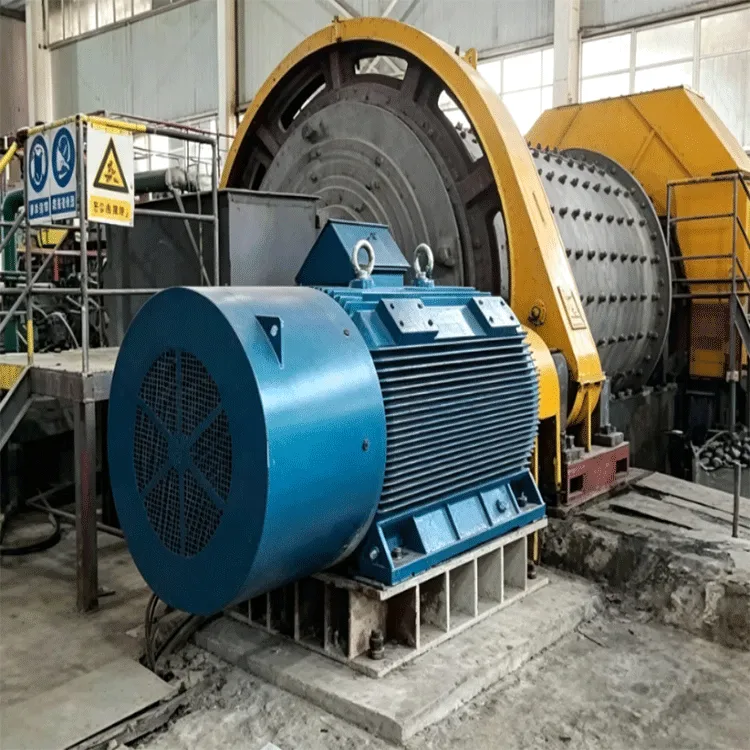
A factory air system runs in bursts, and a synchronous permanent-magnet rotor answers load steps without the slip delay of an induction machine. An Air Compressor PMSM builds torque the instant demand appears, so the pressure band stays narrow even when several tools fire together. That response protects downstream regulators and ends the mid-shift slowdowns that fixed-speed machines cause under peak draw.
Often yes, provided the frame, shaft, and coupling match and the drive is sized to the loaded inertia. An Air Compressor PMSM on a variable-frequency drive then tracks demand instead of throttling, which is where the saving comes from. Check the compressor curve, confirm the enclosure suits the room, and set the ramp to the real rotor inertia before the first automatic start.
ISO 1217 covers the acceptance and performance test of displacement compressors, including the specific power that matters for energy cost. An Air Compressor PMSM should be evaluated against that duty, while IEC 61800 governs the drive that makes the speed control possible. Reference both in the specification so the supplier delivers a tested, compatible package rather than separate parts.
Plants that switch to a tracked drive often move from a 1 to 1.2 bar swing to a steady 0.3 bar band, as the fabricator case showed. A narrower band lets the setpoint drop, which lowers specific power and shrinks the needed receiver. An Air Compressor PMSM makes that band possible because its fast torque response keeps pressure inside the target without a large air buffer.
Track discharge temperature, inlet filter pressure drop, and vibration monthly, because a clogged filter forces the motor to work harder for the same air. The Air Compressor PMSM needs clean cooling air, torque-checked couplings, and an insulation check at each major stop. Keep the pressure-band log, because a widening band signals the machine is no longer tracking load as it should.
OSHA 29 CFR 1910.242 covers compressed-air safety, including how the system is used and guarded, while NFPA guidance addresses the electrical installation around the drive. An Air Compressor PMSM sits inside that framework, so the commissioning file should note the lockout per OSHA 1910.147 and the electrical safe-work steps before the unit is energized for service.


 EN