
how-air-compressor-pmsm-avoids-abnormal-overheating-risks-under-longduration-fullload-continuous-running-status, how-air-compressor-pmsm-avoids-abnormal-overheating-risks-under-longduration-fullload-continuous-running-status, /blog
EN

2026/10/16
In automotive stamping plants, glass container blowing lines, and automated electronics factories, rotary screw air compressors often run at 100% full-load continuous duty (24 hours a day, 7 days a week) to supply uninterrupted pneumatic pressure. Inside a compact, sound-attenuated compressor canopy, ambient air temperatures around the drive motor routinely climb above 45°C to 55°C due to heat radiated from the compression air-end and oil separator tank. Under these punishing thermal conditions, plant maintenance teams operating conventional asynchronous motors or poorly designed permanent magnet motors frequently battle high-temperature inverter trips, degraded bearing lubricant, brittle stator varnish, and irreversible rotor magnet demagnetization.
Air compression is an inherently heat-intensive thermodynamic process: compressing atmospheric air to 0.8 MPa or 1.0 MPa generates intense heat of compression, and forcing a drive motor to operate continuously at 100% load leaves zero off-cycle rest time for thermal dissipation. If a motor suffers from high internal rotor copper losses, harmonic eddy-current heating, or inadequate canopy ventilation, cumulative heat buildup rapidly pushes winding temperatures past safe limits. Integrating a thermally optimized Air Compressor PMSM from ENNENG eliminates rotor resistive heating and utilizes high-coercivity thermal engineering to guarantee cool, trip-free stability under long-duration full-load continuous running status.
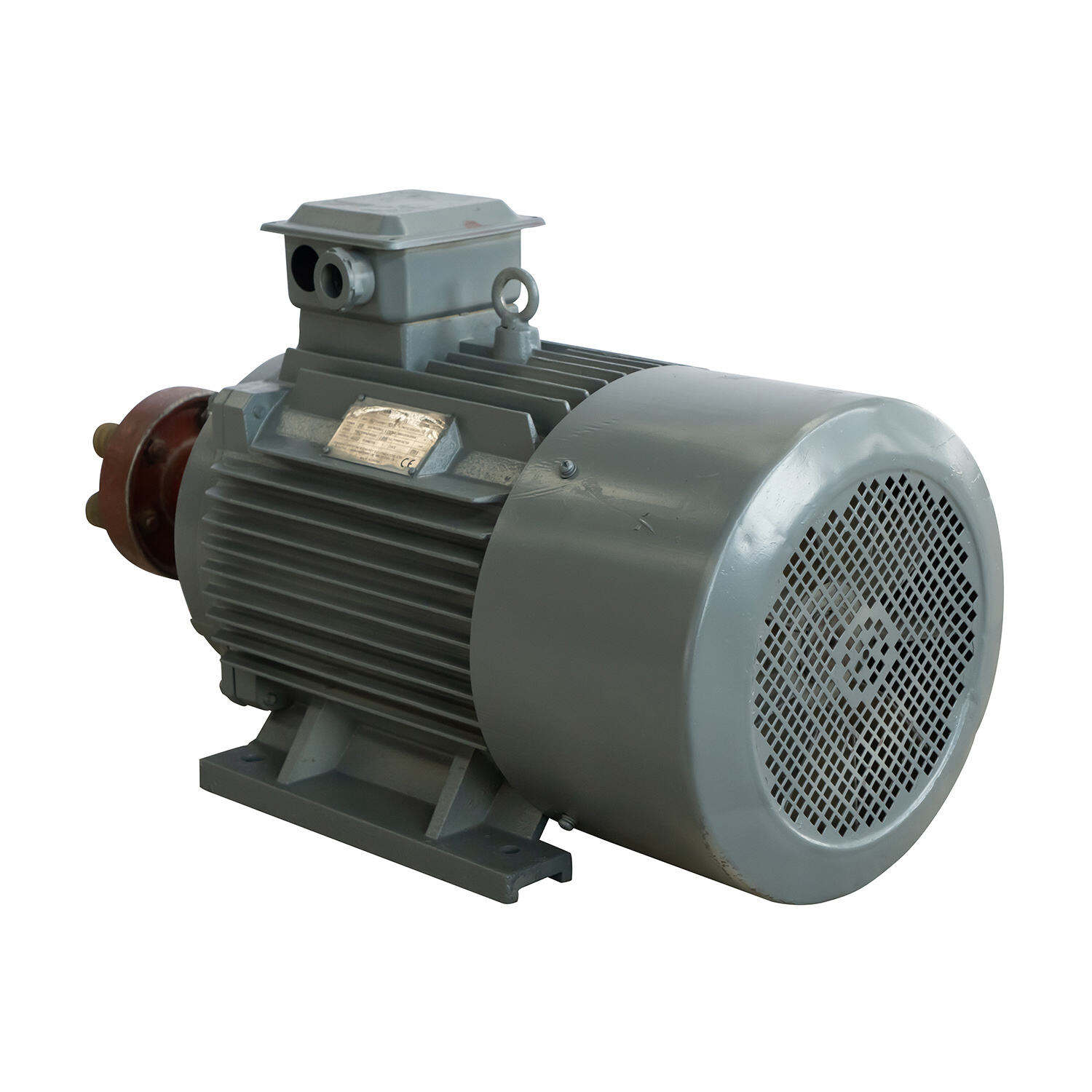
When a traditional squirrel-cage induction motor drives a screw compressor air-end at 100% continuous load, induced electrical currents inside the rotor bars generate continuous resistive heat (I2R). Because the rotor is suspended inside the stator air gap, most of this rotor heat must conduct through the shaft into the bearings or radiate across the air gap into the stator windings. Furthermore, in variable-speed screw compressors, non-sinusoidal PWM current harmonics from the variable frequency drive induce high-frequency skin-effect eddy currents on the rotor surface. Inside a hot compressor cabinet, this combined stator and rotor heat pushes standard motors past thermal overload thresholds during summer peak shifts.
An ENNENG Air Compressor PMSM prevents abnormal overheating during 24/7 full-load compression through three fundamental electromagnetic and thermal engineering features:
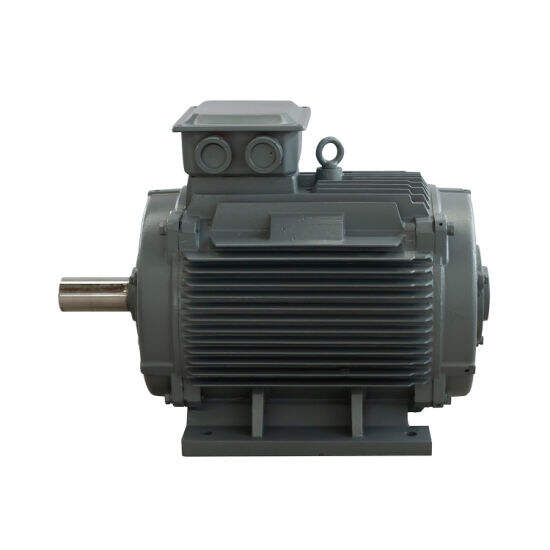
To conquer high ambient canopy temperatures during continuous full-load operation, ENNENG engineers its Air Compressor PMSM series with application-specific cooling architectures across a unified voltage range of 110V–690V. For air-cooled screw compressor packages, IC416 independent forced-ventilation blowers deliver constant, high-volume cooling airflow across wide-pitch housing fins regardless of motor RPM. For ultra-compact or harsh-environment compressor skids, ENNENG offers IC71W totally enclosed water-cooled or compressor-oil-cooled jacketed frames that extract stator heat directly into the compressor’s heat-exchanger loop, keeping winding temperature rise safely below 60K. Alongside industrial compressor motors, ENNENG manufactures permanent magnet generators across a unified 5kW–5MW power range (110V–690V) and vertical axis wind turbines spanning 1kW–10kW (focusing on 3kW, 5kW, and 10kW models).
Industrial air compressor drive motors must satisfy rigorous international thermal endurance and package performance standards. Every ENNENG Air Compressor PMSM is rated for true IEC 60034-1 S1 continuous running duty—meaning the motor reaches stable thermal equilibrium at 100% rated load (and 1.15 or 1.20 service factor overload) indefinitely without exceeding Class B or Class F temperature rise limits, while utilizing Class H (180°C) Vacuum Pressure Impregnated (VPI) insulation for a massive thermal safety margin. Furthermore, maintaining high IE5 efficiency under IEC TS 60034-30-2 directly improves the overall specific energy consumption (kW/m³/min) of the rotary screw compressor package when tested under ISO 1217 Annex C and Annex E standards.
In textile air-jet weaving mills and glass bottle manufacturing plants, rotary screw compressors run at 95% to 100% load continuously through 40°C summer heatwaves. Equipping the compressor skid with an ENNENG IC71W or IC416 Air Compressor PMSM eliminates afternoon high-temperature shutdowns and preserves constant plant air pressure.
To eliminate abnormal overheating risks across long-duration full-load Air Compressor PMSM operations, implement these engineering and maintenance protocols:
Rotary screw air-end manufacturers require ultra-compact, direct-coupled motor designs that minimize shaft alignment complexity and canopy footprint. ENNENG custom-engineers its Air Compressor PMSM series across the unified 110V–690V range—providing integrated keyless tapered shaft couplings that mount directly onto the male screw rotor shaft, oil-cooled or air-cooled frames, and pre-calibrated VFD control curves.
Contact ENNENG Today.
Consult the ENNENG compressor drive engineering team to specify a thermally fortified Air Compressor PMSM for your continuous-duty screw compressor lineup.
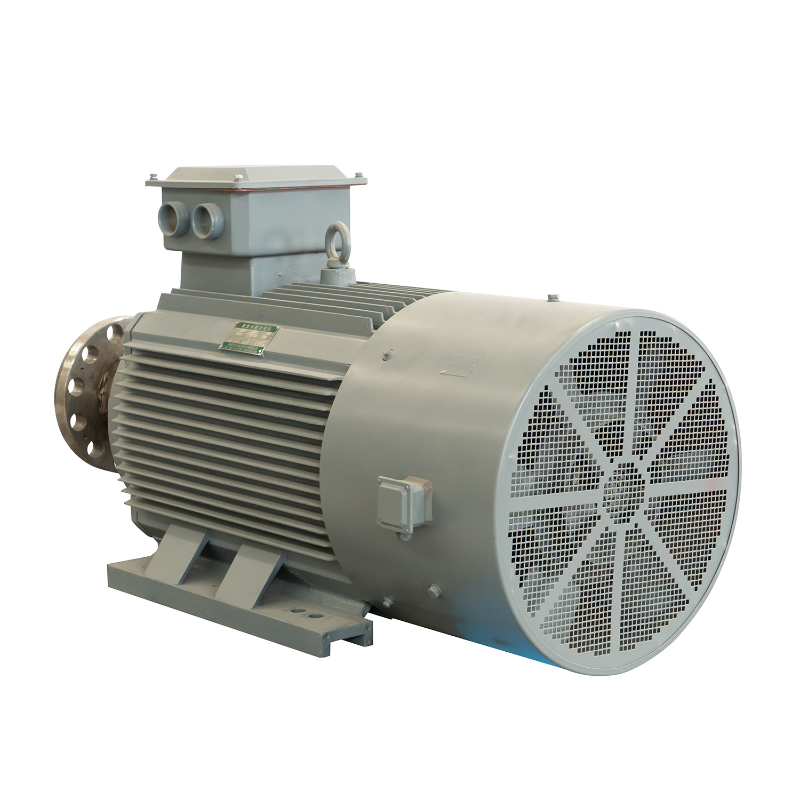
A: A conventional asynchronous induction motor generates heavy resistive copper heat inside its rotor cage whenever it runs at full load. An ENNENG Air Compressor PMSM uses high-energy permanent magnets on the rotor, completely eliminating rotor excitation copper losses. Combined with Class H VPI insulation and IC416 or IC71W cooling, it maintains a temperature rise 15K to 25K lower during continuous S1 duty.
A: High temperatures and inverter harmonic currents can demagnetize low-grade magnets. ENNENG constructs its Air Compressor PMSM using an interior permanent magnet (IPM) rotor geometry with high-coercivity UH/SH grade NdFeB magnets rated up to 180°C–200°C, alongside embedded PT100 thermal sensors that protect the rotor under continuous full-load operation.
A: ENNENG manufactures its Air Compressor PMSM series and industrial motors across a unified voltage range of 110V–690V to suit global factory power grids. In addition to compressor drives, ENNENG produces permanent magnet generators across a unified 5kW–5MW power range and vertical axis wind turbines spanning 1kW–10kW (focusing on 3kW, 5kW, and 10kW models).


 EN