
 EN

Compressed air is useful because it is flexible, clean at the point of use, and easy to distribute. It is also expensive when a compressor runs far from its real demand. An Air Compressor PMSM can help a plant reduce that mismatch by pairing a permanent-magnet synchronous motor with control that follows the operating profile rather than treating every shift as a full-load shift. The important qualifier is “can”: savings depend on the compressor package, pressure strategy, leaks, controls, and actual flow profile.
From a technical-sales perspective, the first useful question is not “What is the peak efficiency on the nameplate?” It is “What does this compressor actually do for most of the week?” Many plants operate with changing shifts, intermittent tools, batch processes, or oversized base-load capacity. That is where an Air Compressor PMSM deserves a closer look.
Why the motor matters in a compressed-air energy bill
An air compressor converts electrical input into shaft work, then into compressed air. Losses accumulate at every stage: motor losses, drive losses, compression losses, pressure drops, air leaks, and unnecessary unloaded operation. A motor upgrade cannot solve all of them. But if the existing motor and control arrangement force the compressor to cycle inefficiently or stay at a speed the process does not need, the motor is part of the system problem.
A Permanent Magnet Motor PMSM uses a magnetized rotor rather than rotor current to establish its magnetic field. In suitable designs, this reduces rotor-related losses and can support strong efficiency at partial load. That distinction matters because compressor demand is rarely a flat line. The shift in thinking is from chasing one headline efficiency number to matching the duty cycle. If a plant runs close to full load continuously, the selection logic is different from a plant that spends much of the day at reduced demand.
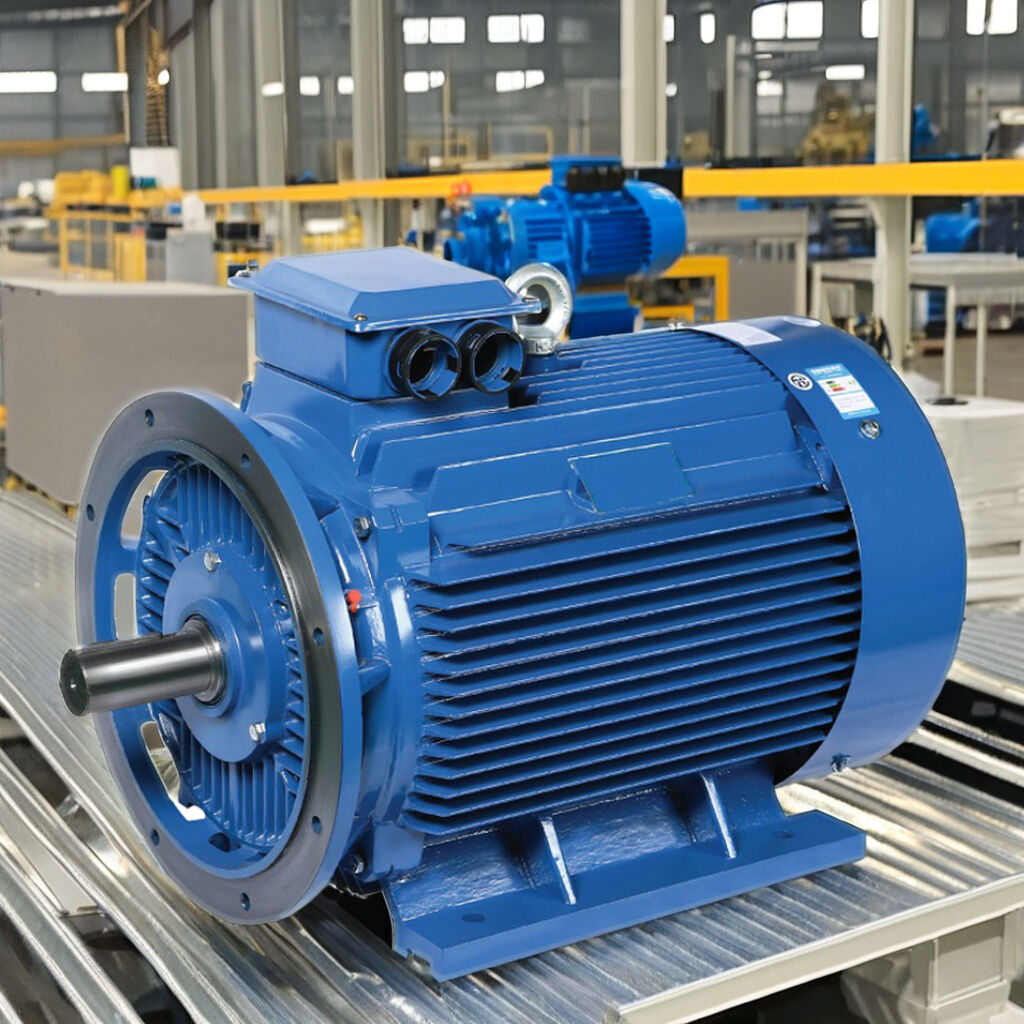
An Air Compressor PMSM is usually considered with a variable-speed drive. The drive changes motor speed, voltage, and frequency so the compressor can respond to measured demand. Lower speed is not automatically better, and the compressor’s safe operating range must be respected. Still, when demand varies, reducing speed can be more appropriate than repeatedly loading, unloading, or venting air at a fixed speed.
The practical mechanisms behind lower consumption
1. Better part-load behavior
Part-load operation is where a Air Compressor PMSM often earns attention. An induction motor may perform well near its rated point, but its total operating result depends on the load profile, losses, and control method. A properly matched Permanent Magnet Motor PMSM can maintain useful efficiency as compressor demand changes. Well, more precisely, it can do so when the motor, drive, air end, and controls are engineered as a compatible package—not simply when a different motor is bolted onto an old compressor.
2. Speed matching instead of excess-pressure operation
Plants sometimes compensate for unstable pressure by operating at a higher setpoint than downstream equipment truly needs. That raises compression work and can hide distribution problems. With reliable demand sensing and a suitable control range, an Air Compressor PMSM can make flow adjustment more responsive. The goal is not to chase every short demand spike; it is to hold an appropriate pressure band with fewer wasteful excursions.
3. Lower losses in the motor-and-drive package
The motor is only one element of the package, but electrical losses are present every hour it operates. High power factor is also relevant to the electrical system, although it should not be confused with compressor efficiency. Ask the supplier for the test basis, operating points, drive compatibility, and temperature conditions behind any efficiency claim. IEC 60034-30-1 provides a framework for motor efficiency classes; it is a specification checkpoint, not proof that a particular installation will deliver a particular saving.
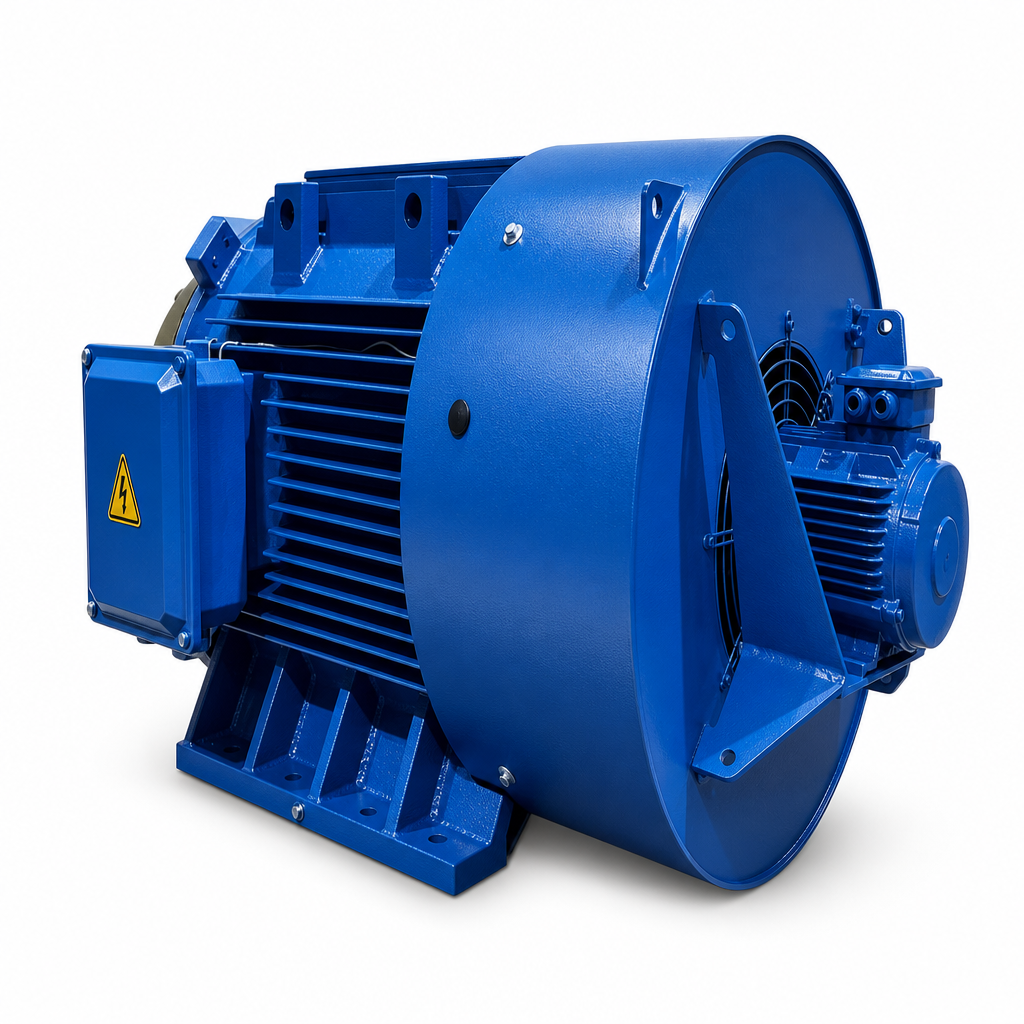
Where an Air Compressor PMSM retrofit is most likely to fit
An Air Compressor PMSM is worth evaluating when demand changes substantially by shift, product mix, or season; when the existing machine spends long periods unloaded; or when several compressors are poorly sequenced. It can also be relevant where a direct-coupled configuration, control modernization, or compressor replacement is already planned. In those cases, the plant can assess the complete system rather than forcing a motor-only decision.
The case is weaker when one compressor supplies a steady, well-matched baseload and already operates near its efficient point. No single motor choice fits every operating condition. A Permanent Magnet Motor PMSM should be compared against the actual duty cycle, reliability requirements, repair strategy, ambient conditions, and the cost of downtime—not just against an advertised percentage.
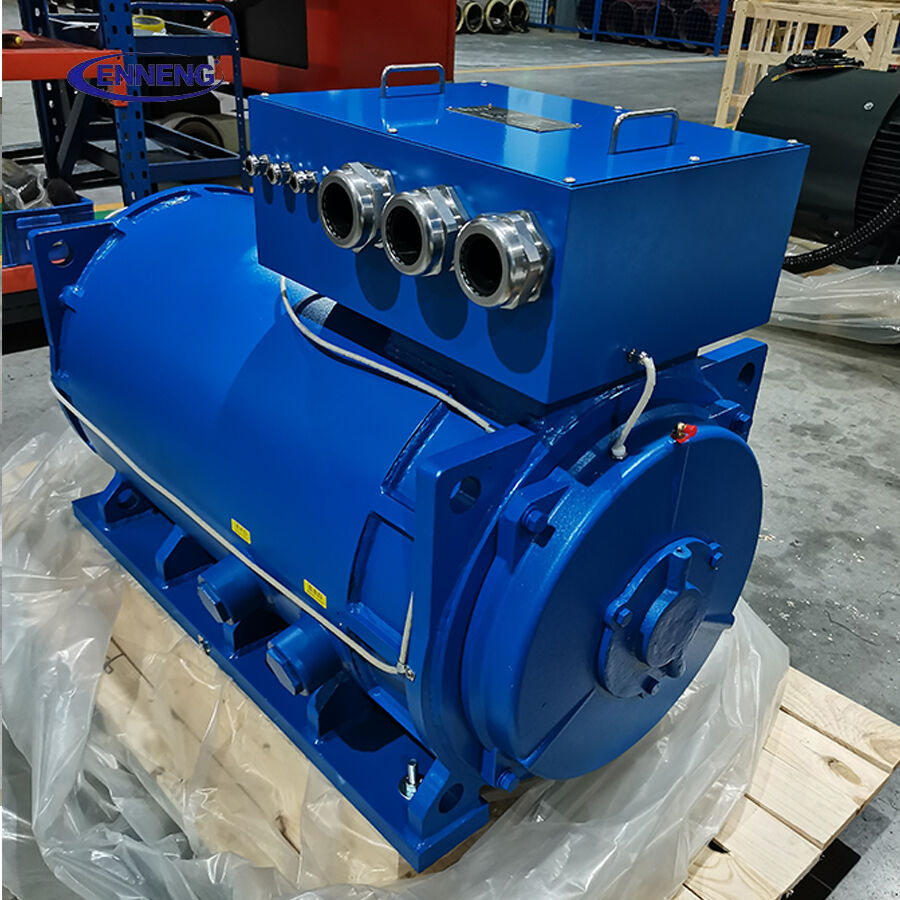
How to specify the right Air Compressor PMSM package
Start with the compressor’s required flow range, discharge pressure, operating hours, and load pattern. Then define electrical supply, enclosure needs, ambient temperature, mounting, service access, and required controls. For a dusty or humid production area, protection and thermal design need the same attention as efficiency. If ambient temperature stays within the supplier’s stated limit, a quoted performance point may be a reasonable planning reference; if the room runs hotter, derating and cooling must be included before committing to capacity.
Manufacturers such as Enneng focus on permanent-magnet motor technology and can support application-specific discussions around winding, mounting, and duty profile. That is useful only when the discussion starts with recorded site conditions. A credible proposal for an Air Compressor PMSM should state assumptions, show the operating points being compared, and distinguish projected savings from measured results.
If you are evaluating commercial permanent magnet motors for sale and need an engineered drive solution that guarantees efficiency and longevity, ENNENG is your trusted partner.Contact ENNENG Today.Speak to our technical engineering team to receive a customised drive proposal.
- WhatsApp: +86 18562780228
- E-Mail: [email protected]
- Phone: +86 532 66000559

