
how-air-compressor-pmsm-lowers-power-consumption-of-industrial-compressedair-supply-systems, how-air-compressor-pmsm-lowers-power-consumption-of-industrial-compressedair-supply-systems, /blog
EN

2026/09/30
A PET preform hall ran two fixed-speed compressors sized for the summer peak, so the winter line drew air from machines never loaded past half. The site engineer charted receiver pressure hour by hour and found the relief valve lift almost nightly, dumping air the blow molder was not using. A dye house showed the same shape: one oversized unit carrying a swing load while the rest of the hall sat idle. The Air Compressor PMSM review at both sites started with the load curve, because waste hid in control logic rather than any single machine. Crews logged cubic-metre flow per shift, then let a variable-speed Air Compressor PMSM lead the band while the older unit backed it up. Metered power dropped the first week, once the relief valve stopped lifting during quiet hours.
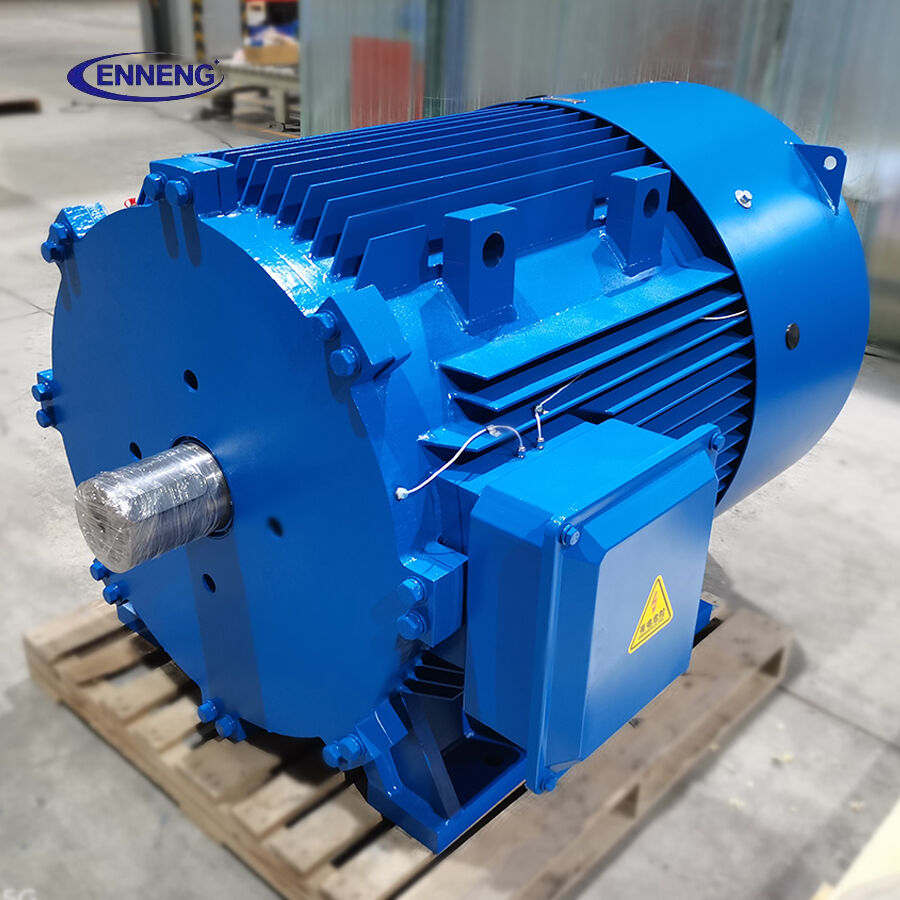
The common error is fitting an efficient machine yet leaving old control in place, so the plant still pays for air the process never consumes. A fixed-speed compressor keeps drawing magnetising and windage current at low delivery, and the meter runs while useful output stays thin. ENNENG pairs a permanent-magnet Air Compressor PMSM with a variable-frequency controller, so rotor speed tracks the band instead of fighting it. No-load current all but vanishes when speed follows load, leaving only the small windage the enclosure cannot avoid. A site that keeps the fixed-speed layout carries a power bill that never falls with demand, plus a relief seat that erodes while venting paid-for air. The Air Compressor PMSM removes that flat cost by tying speed to need and letting a second machine rest until the band calls for it.
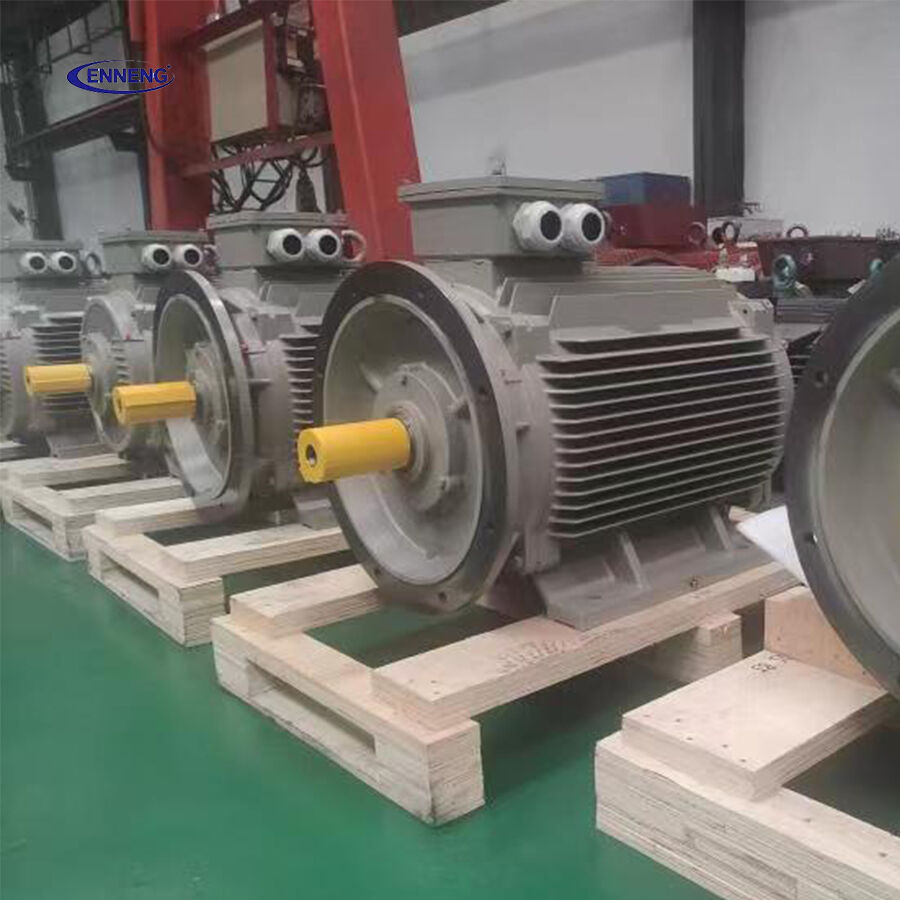
Compressed air is among the costliest plant utilities, and most cost lives in part-load and no-load running rather than the rated point. An Air Compressor PMSM reaches needed flow at reduced rotor speed, so the affinity law does the work a relief valve used to waste. ENNENG permanent-magnet compressor motors hold strong efficiency across a wide speed band because rotor loss stays low when the field sits on the magnet. On the PET case, moving the lead machine to speed control pulled the set from about eighty-five percent of rated draw toward forty percent at sixty percent demand, with no valve in the path. The Air Compressor PMSM earns its rating through part-load behaviour, not just the nameplate point, and auxiliaries lighten because the cooling fan and oil pump follow speed.
Sites that saved most staged a variable-speed lead with a fixed-speed lag, instead of running every machine flat out. The Air Compressor PMSM leads the band; the backup starts only when demand crosses a threshold and stops the moment the band recovers. That logic retires the relief valve, so no hot vent needs managing and no seat erodes, trimming a weekly task that used to recur on the board.
Throttling a valve to cut flow wastes energy already spent reaching pressure. An Air Compressor PMSM changes rotor speed instead, delivering the flow the process wants at the lowest practical power. Receiver pressure stays steadier, the motor runs cooler, and the drive reports the trend the engineer needs. This is the difference between fighting the load and following it, visible on the meter every shift.
A speed-controlled Air Compressor PMSM rejects less heat to the room, and warm coolant can feed space or process heating through a simple exchanger. Lower part-load loss means less waste energy becomes warmth, easing the HVAC burden in a small compressor house and offsetting a second utility bill. The saving appears twice: once on the power meter, once on the heating invoice.
Efficiency claims need references a reviewer trusts. ISO 11011 frames compressed-air energy assessment, so saving is measured the same way at every site. ISO 50001 expects the gain to rest on logged data, which the flow-and-power recorder supplies. IEC 60034-30-1 defines the IE efficiency classes, so the Air Compressor PMSM carries the rating on the nameplate. IEC 61800-9-2 folds the drive into eco-design, so the converter loss sits on the same data sheet as the motor rating. OSHA 29 CFR 1910.242 covers safe compressed-air use, which matters once the relief path changes. Reviewed against those standards, the proposal passes finance because every figure traces to a method, not a slogan.
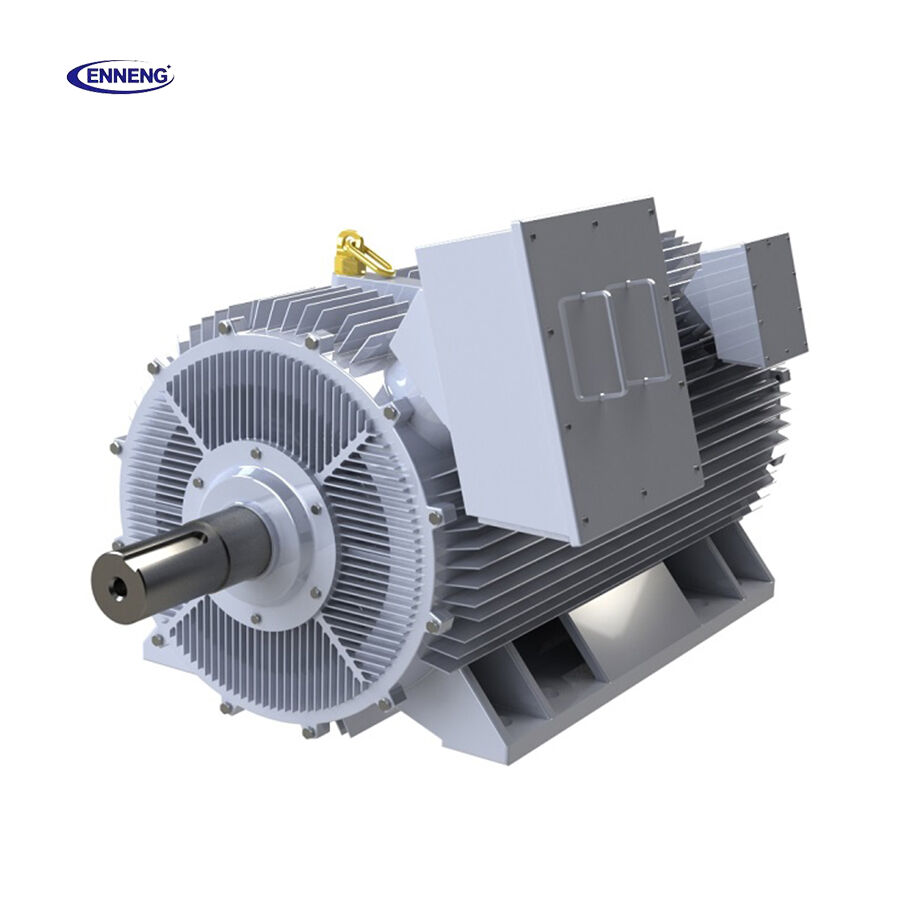
Start from the air demand profile, not the peak nameplate, because most plants sit below design for the bulk of operating hours. An Air Compressor PMSM sized to that profile avoids paying for speed the wheel never uses. ENNENG matches pole count and drive to the hourly flow curve, and the inlet should be checked against the compressor drawing before the build. The coupling still wants a true shaft and a clean face, yet no separate gear needs lining up first. During the first four weeks, log bearing temperature weekly, because a direct-coupled machine shows a fault as heat earlier than an indirect train would mask it. Store the flow record with the maintenance file and plan a foundation-bolt check once the two-hundred-hour run-in ends.
The Air Compressor PMSM needs less sheet metal than the valve it replaces, yet the drive and flow sensor deserve attention. Log the sensor check on the calendar card ENNENG ships inside the case, then track the speed line so slow drift surfaces before it costs air. Operators who run the machine as a managed asset usually retire the blow-off checklist, since only the bearing and drive remain on the service list. Commissioning takes under a shift, and a two-hundred-hour re-tighten plus an ISO 10816 vibration reading locks the set into a cadence the local crew sustains.
The Air Compressor PMSM also lightens the auxiliary load because the cooling fan and oil pump follow the speed profile.
A well-specified Air Compressor PMSM therefore earns its rating through part-load behaviour rather than the nameplate point.
ENNENG sizes each Air Compressor PMSM to the logged air profile before any hardware is ordered.
Open the Air Compressor PMSM discussion with the air demand profile, not a model number: send the hourly flow requirement and receiver pressure to the engineering team. ENNENG replies with a proposal built around a shaft-mounted permanent-magnet motor and a variable-speed drive, leaving the blow-off valve out of the layout.
A: A single oversized machine short-cycles and vents air during low demand, while a staged set lets a speed-controlled Air Compressor PMSM lead the band and the backup rest. The lead unit runs near its efficient mid-band instead of idling at part load, and the relief valve stays shut. Plants that chart the load curve first recover cost through the quiet hours, not the busy peak, because that is where the old layout wasted the most air.
A: Often yes, if the drive handles permanent-magnet control and the frame size matches the machine in service. ENNENG supplies a tuning file so the site loads the correct parameters before start, and the only extra item is a flow sensor for feedback. Set the drive class at the quoting stage, because an aged open-loop panel may need a swap to bank the part-load gain the study promised.
A: For plants that already pay for space or process heat, a simple exchanger on the coolant loop returns a second saving on top of the power cut. Lower part-load loss means less waste energy becomes warmth in the compressor house, which also eases the cooling load. The payback tracks the heating tariff, so sites with expensive winter heat see the shortest return on the added loop.


 EN