
how-cooling-tower-direct-drive-motor-adapts-to-large-seasonal-swing-of-factory-coolingload-demand, how-cooling-tower-direct-drive-motor-adapts-to-large-seasonal-swing-of-factory-coolingload-demand, /blog
EN

2026/09/21
A factory in a region with hard winters and hot summers ran its cooling towers through a belt-and-gear reduction on each fan. In January the fans crawled at a fraction of nameplate, and in July they ran flat out, yet the gearbox ate the same losses regardless of season. The Cooling Tower Direct Drive retrofit removed the reduction stage entirely, letting each fan track the load from a near-idle winter drift to a full summer pull, and the plant measured the loss it had been paying the gearbox to carry all year.
The same Cooling Tower Direct Drive reasoning applies to any site with a wide climate band, because the gearbox loss is constant while the load is not, and the mismatch grows exactly where the savings should be.
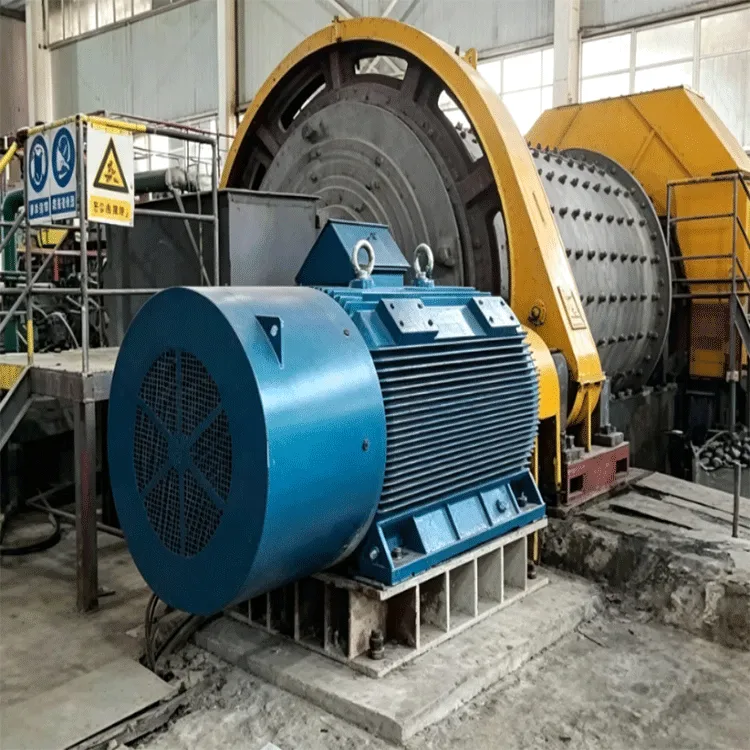
The hidden danger is that a gearbox bills the plant twice: once in friction it converts to heat, and again in maintenance it demands on a tight schedule. A reduction stage also fixes the speed steps, so the fan cannot follow the load smoothly and the tower either over-cools or lags the setpoint.and the tower either over-cools or lags the setpoint. A Cooling Tower Direct Drive ends that see-saw, because the fan speed is a continuous variable tied to the demand rather than a fixed ratio that the process must obey. A Cooling Tower Direct Drive removes the middle stage, but sites often keep the gearbox because the original layout assumed it, and they underestimate how much the seasonal swing punishes a fixed-ratio drive. ENNENG breaks that habit by delivering a low-speed machine that mounts straight to the fan, so the speed follows the load instead of the gear ratio.
A Cooling Tower Direct Drive also removes the alignment work that a geared train demands, because there is no coupling to line up and no oil to sample, which is where most tower downtime actually starts. ENNENG mounts the low-speed machine straight to the hub, so the failure modes that stagger a geared tower are designed out at the source.
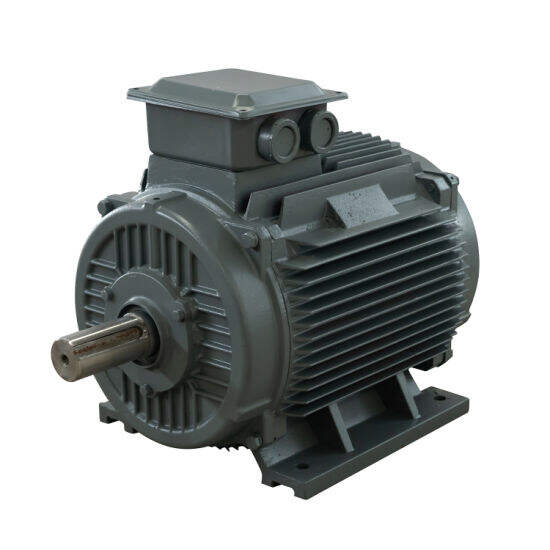
The ENNENG low-speed permanent-magnet platform turns the fan directly, with the pole count chosen so the machine runs in its efficient band across the whole seasonal range rather than at one rated point.
A Cooling Tower Direct Drive adapts because the converter sets the speed to the cooling demand, not to a ratio. In winter the fan eases to the low end where the load lives, and the machine keeps its efficiency there instead of slogging a geared set through a loss it cannot avoid. The smoother rotor also means less vibration into the structure, which is the failure mode that normally shortens a geared tower's life. The takeaway for the plant is simple: the bigger the seasonal swing, the more a direct drive pays back.
A Cooling Tower Direct Drive keeps its edge through the hot month too, because the pole count is chosen so the machine sits in its efficient band at the summer pull, not only at a single rated point. The converter simply runs the fan at the speed the load requires, and the permanent-magnet rotor holds its IE5 efficiency there.
A cooling-tower drive is judged against motor and building references that line up well with direct drive. IEC 60034 covers the machine performance, while IEC 60034-30-1 sets the IE efficiency class so the saving is measured on a common scale. ISO 10816 sets vibration limits that confirm the fan and foundation suit the smoother rotor, which matters more once the gear mesh is gone. ASHRAE guidance frames the cooling load and the control strategy, and ISO 50001 treats the tower as part of a managed energy system. Citing these lets a buyer compare a direct drive against a geared offer on equal terms.
Specifying a Cooling Tower Direct Drive against these references lets the plant compare a geared and a gearless offer on the same efficiency scale, which is the only fair way to judge the payback.
Selecting a Cooling Tower Direct Drive starts with the seasonal load curve, because the swing size decides the payback more than the peak. Match the pole count to the fan's efficient speed range, confirm the frame fits the existing hub, and set the converter to track the cooling demand rather than a fixed point.confirm the frame fits the existing hub, and set the converter to track the cooling demand rather than a fixed point. A Cooling Tower Direct Drive sized this way reaches its saving in the first season, because the speed follows the load from the first cold week to the first hot one. During commissioning, log fan speed, power, and vibration through a winter week and a summer week as the baseline. Maintenance shrinks: no gear oil, no coupling alignment, just clean cooling surfaces, re-torque the mount, and trend bearing temperature so a fault shows before the fan stalls in July.
A Cooling Tower Direct Drive rewards the lighter maintenance schedule, because the absence of gear oil and coupling alignment removes the two items that normally drive tower service calls.
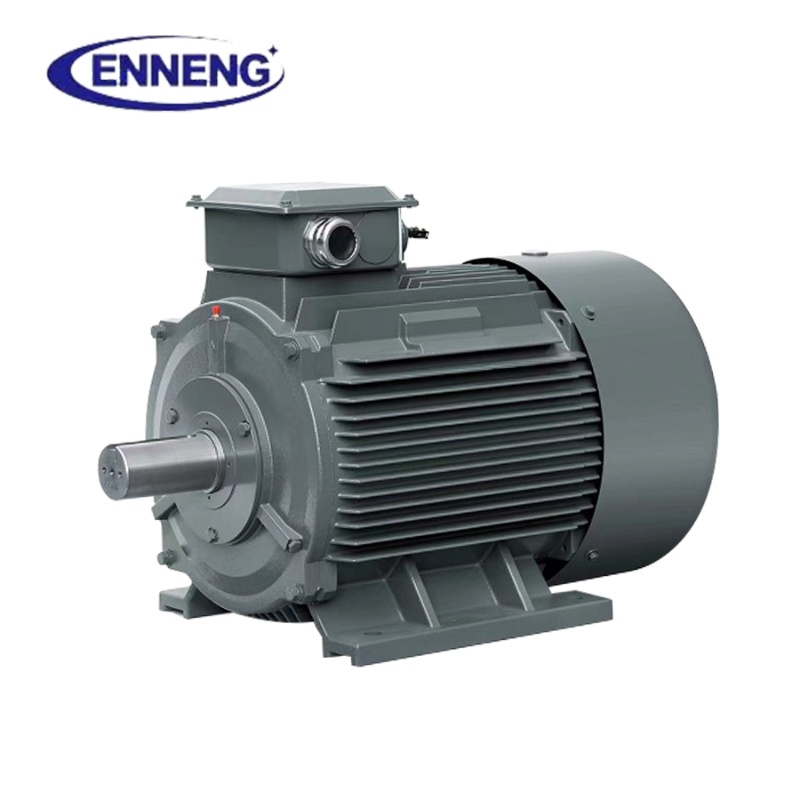
ENNENG builds low-speed permanent-magnet machines under ISO 9001 and CE, designed to bolt straight to the fan hub across the 110V to 690V range. Share the tower layout, the fan speed range, and the seasonal load curve with the engineering team to receive a Cooling Tower Direct Drive matched to the real swing.
Reach ENNENG directly through the list below:
A: The gearbox bills the plant twice: it turns part of the input into heat and it demands fixed-interval maintenance, yet it loses the same amount in winter as in summer. A Cooling Tower Direct Drive removes the stage, so the fan speed follows the load continuously and the transmission loss disappears. The smoother rotor also cuts vibration into the structure, which is what normally shortens a geared tower's service life.
A: Yes, because the pole count is chosen so the machine sits in its efficient band at the summer pull, not only at a single rated point. The converter pushes the fan to meet the demand, and the permanent-magnet rotor holds its IE5 efficiency there. Where a geared set would lug a fixed ratio through a loss it cannot avoid, the Cooling Tower Direct Drive simply runs at the speed the load requires.
A: IEC 60034-30-1 defines the IE efficiency class and the test method, so a claim is measured on the same scale as any competitor. ISO 10816 sets the vibration limits that confirm the fan and foundation suit the smoother rotor once the gear mesh is gone. Together with ASHRAE load guidance and ISO 50001, these let a buyer compare a direct drive against a geared offer on equal, auditable terms.
A: Materially yes. There is no gear oil to sample, no coupling to align, and no gear mesh to wear, so the scheduled work drops to cleaning cooling surfaces, checking the mount torque, and trending bearing temperature. The Cooling Tower Direct Drive still needs those checks, but the failure modes that normally stagger a geared tower in midsummer are designed out, which is when the plant can least afford a stall.


 EN