
how-cooling-tower-direct-drive-motor-optimizes-the-overall-running-cost-of-industrial-circulating-water-systems, how-cooling-tower-direct-drive-motor-optimizes-the-overall-running-cost-of-industrial-circulating-water-systems, /blog
EN

2026/09/08
A chemical plant ran a 75 kW cooling-tower fan through a right-angle gearbox and a long drive shaft. The gearbox ate roughly 8 percent of the motor output in its own losses, and the coupling added more. Replacing the train with a Cooling Tower Direct Drive mounted on the fan hub removed the gearbox entirely, and the plant cut fan-system electricity by about a fifth while the basin temperature held its setpoint through the summer peak.
The gearbox needed oil, alignment, and a quarterly vibration watch, and every stage of reduction wasted power as heat in the oil. A Cooling Tower Direct Drive deletes those stages, so the watts that once heated the gearbox oil now turn the fan. Over a cooling season the recovered energy paid a visible chunk of the conversion, before any maintenance saving entered the ledger.
The new machine bolted straight to the fan hub at low speed, with no shaft, no coupling, and no gear oil to manage. A Cooling Tower Direct Drive also removed the alignment headaches that had caused two seal failures the year before. The maintenance team traded a quarterly gearbox service for a yearly bearing check, and the tower stayed online through the heat wave instead of dropping out for a rebuild.
Most tower cost is invisible because it sits in the drivetrain, not the motor nameplate. A Cooling Tower Direct Drive attacks that hidden cost by removing the parts between the winding and the blade, and the saving is steadier than a one-off efficiency bump on the motor alone.
Each reduction stage loses 1 to 3 percent, and a right-angle box loses more because of the spiral gearing. A Cooling Tower Direct Drive runs the fan at motor speed with no reduction, so those points of loss simply disappear. The bearing that remains runs cooler and slower than a gearbox output shaft, which is why the service interval stretches. A Cooling Tower Direct Drive also removes the gear oil itself, so there is no summer top-up, no filter change, and no risk of a seal weep staining the basin below. The plant that made the swap dropped two confined-space entries a year from its safety plan.
Belts slip and stretch, couplings need alignment, and both shed energy as heat and noise. A Cooling Tower Direct Drive mounting removes the belt and the coupling, so there is no tension to set and no wear part to inspect each month. The structure also simplifies, because the long shaft and its supports no longer span the tower throat. A Cooling Tower Direct Drive shortens the mechanical train to almost nothing, which lowers the alignment budget and the vibration that once traveled into the tower frame. Fewer parts in the airstream also means less to inspect during the annual clean.
The win is mechanical and electrical at once: fewer parts means fewer losses and fewer failures, while a low-speed synchronous design keeps efficiency high across the duty. A Cooling Tower Direct Drive turns a messy drivetrain into a compact, quiet assembly that the facilities team can actually maintain.
Removing the gearbox, coupling, and shaft deletes several loss points and several failure modes in one move. A Cooling Tower Direct Drive therefore lifts reliability as it lifts efficiency, which matters more than the watt figure on a single night. Fewer parts also means fewer spare items to stock and fewer confined-space entries to plan for the basin work.
The fan rarely needs full speed; it tracks ambient wet-bulb and load, so speed control does the saving. A Cooling Tower Direct Drive under a variable-frequency drive trims the fan to the cooling need instead of throttling airflow with louvers. That keeps the basin in its band while drawing a fraction of peak power during mild weather, when towers otherwise waste energy.
The conversion pays only when the direct-drive motor is matched to the fan and the duty. A Cooling Tower Direct Drive specified too small overheats at the summer peak, and one specified without the speed range wastes the control benefit, so the selection deserves the same care as the original train.
Size the Cooling Tower Direct Drive to the fan power at design wet-bulb with margin, and confirm the low-speed cooling path covers mild-weather running. Match the inverter to the winding to avoid bearing currents, and check the hub mounting and rotor inertia against the blade assembly. A supplier such as Enneng Motor typically provides a matched motor and drive proposal that respects the tower's CTI Std 201 performance duty.
Watch bearing temperature and vibration each season, because the fan still loads the rotor even without a gearbox. A Cooling Tower Direct Drive needs clean cooling air and a torque check on the hub fixing, plus an insulation test at each major stop. Plan the basin entry under OSHA 29 CFR 1910.146 confined-space rules, and keep the vibration trend, because a rising reading is the earliest sign of hub or bearing distress. The Cooling Tower Direct Drive rewarded the plant with two extra online summers before its first bearing service came due.
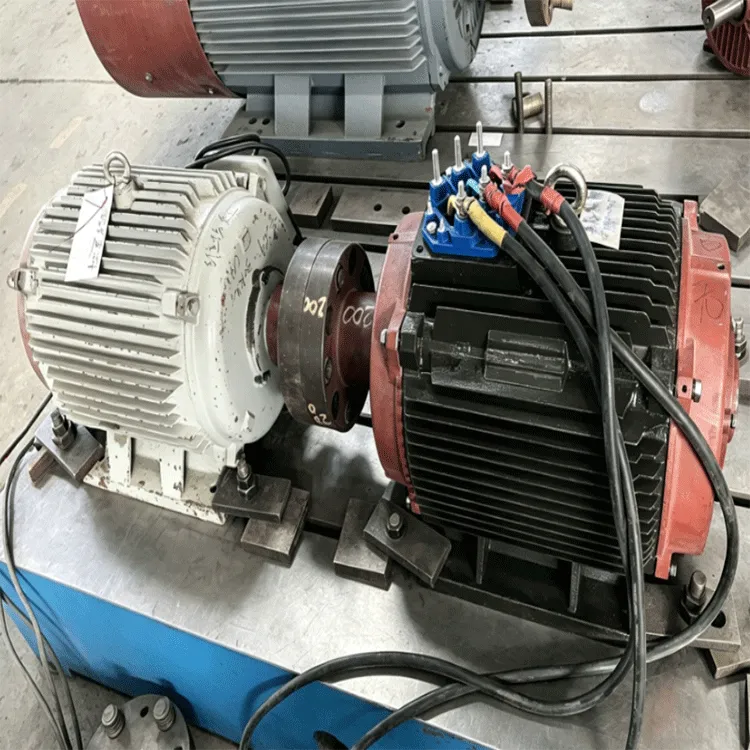
The saving comes from deleting gearbox, coupling, and belt losses, often 8 to 20 percent of fan-system electricity depending on the old train. A Cooling Tower Direct Drive also adds variable-speed control, which trims the fan to the cooling need instead of throttling. The chemical-plant case cut fan electricity by about a fifth while holding basin temperature through the summer peak load.
Yes, because the gearbox is the part most likely to fail, leak, and demand service in a tower train. A Cooling Tower Direct Drive deletes it along with the coupling and shaft, so failure modes drop and the service interval stretches from quarterly to yearly. Fewer parts also means fewer confined-space basin entries to plan, which lowers the safety load on the maintenance team.
CTI Std 201 covers cooling tower thermal performance acceptance, which sets the duty the fan must meet. A Cooling Tower Direct Drive should be selected against that performance at design wet-bulb, while IEC 60034 frames the motor efficiency. Reference both so the supplier delivers a fan drive that meets the cooling duty, not just a motor that fits the hub.
A variable-frequency drive trims the Cooling Tower Direct Drive to ambient wet-bulb and load, so the fan runs only as fast as the cooling need demands. That avoids louvre throttling and keeps the basin in its band on mild days at a fraction of peak power. Set the drive ramp to the blade inertia, and confirm low-speed cooling so the inverter stays within rating during long gentle running.
Watch bearing temperature and vibration each season, and keep the cooling air clean, because the fan still loads the rotor without a gearbox. A Cooling Tower Direct Drive needs a torque check on the hub fixing and an insulation test at each major stop. Plan basin entry under OSHA 1910.146, and track the vibration trend, since a rising reading signals hub or bearing distress early.
For towers running long cooling seasons or facing high energy tariffs, the removed losses and maintenance usually repay the conversion within a few years. A Cooling Tower Direct Drive also cuts downtime from gearbox failures, which can matter more than the energy in a continuous process. Build the model from the real duty and run hours, and include the avoided gearbox service in the saving.


 EN