
 EN

In petrochemical refineries and power plant cooling towers, axial fans do not require full-speed airflow during every hour of operation. When night-time ambient temperatures drop, fixed-speed induction drives over-cool the water loop while wasting kilowatt-hours; when afternoon heat spikes, legacy gearboxes suffer from oil leaks, tooth wear, and vibration. A Cooling Tower Direct Drive system solves this bottleneck by coupling a low-speed, high-torque permanent magnet synchronous motor directly to the fan hub and regulating speed through a closed-loop variable frequency drive (VFD).
Treating dry-bulb air readings as a standalone speed command or cycling fixed-speed motors on and off causes thermal shock and mechanical fatigue. ENNENG addresses these challenges directly. As a specialized high-tech enterprise focused on the R&D, design, and manufacturing of permanent magnet solutions, ENNENG engineers gearless Cooling Tower Direct Drive packages that eliminate standard rotor excitation losses and gearbox failures. By integrating an ENNENG Direct Drive Motor with intelligent wet-bulb temperature control, industrial plants achieve quiet heat rejection and lower operational overhead.
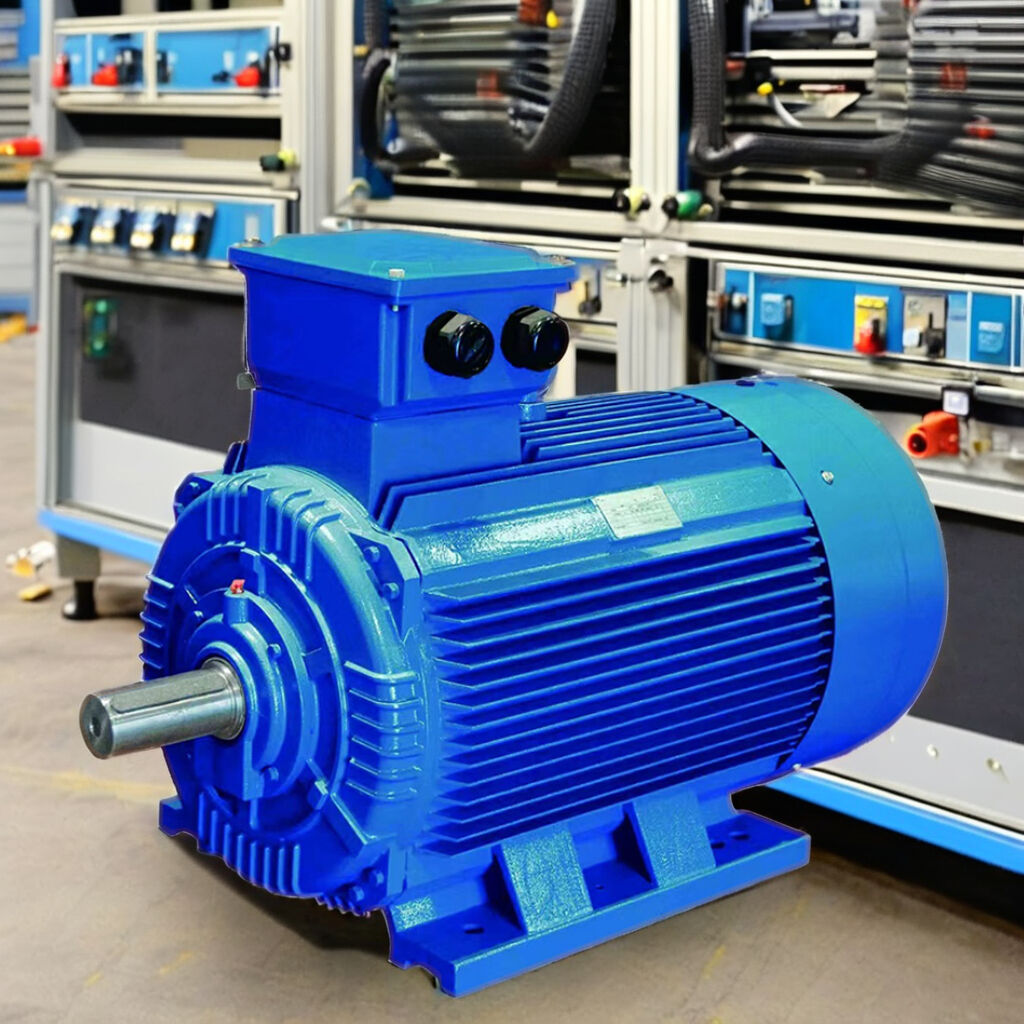
Technical Highlights: Cooling Tower Direct Drive vs. Geared Induction Motor
Understanding how a Cooling Tower Direct Drive responds smoothly to weather fluctuations requires examining the operational differences between a geared asynchronous drive train and a synchronous Direct Drive Motor.
The Mechanics of Wet-Bulb Feedback and Synchronized Speed
For evaporative cooling towers evaluated under CTI ATC-105 and ISO 16345 thermal standards, outdoor wet-bulb conditions—and the approach temperature between leaving cold water and inlet wet-bulb—govern heat rejection far more accurately than dry-bulb readings alone. Unlike asynchronous induction motors that suffer from load-dependent slip, an ENNENG Direct Drive Motor locks rotor speed directly to the stator rotating magnetic field frequency under IEC TS 60034-30-2 frameworks. When weather stations and basin sensors detect favorable ambient shifts, the Cooling Tower Direct Drive adjusts fan RPM in micro-increments without mechanical backlash.
Eliminating Rotor Copper Losses and Fan Affinity Power Waste
In a standard asynchronous motor, current must be continuously induced into rotor windings to generate a magnetic field, creating rotor copper loss and heat during turn-down. In contrast, an ENNENG Cooling Tower Direct Drive utilizes high-performance NdFeB (Neodymium Iron Boron) permanent magnets embedded in the rotor to provide air-gap flux without grid excitation current across ENNENG permanent magnet solutions. Because fan airflow varies linearly with speed while absorbed shaft power scales with the cube of speed under fan affinity laws, reducing fan RPM by 20% during cool periods cuts aerodynamic power demand by nearly 50%.
Core Advantages of an ENNENG Direct Drive Motor in Cooling Towers
Choosing a high-efficiency Direct Drive Motor from ENNENG delivers clear technical advantages over legacy motor-plus-reducer assemblies in efficiency, power factor, and thermal stability.
Superior Efficiency Across Variable Ambient Loads
An ENNENG Cooling Tower Direct Drive maintains ultra-premium efficiency across an operating window of 25% to 120% of rated load. Rated efficiency runs 2% to 5% higher than asynchronous motors at full speed and saves 5% to 30% of energy during partial-load night and seasonal turndowns when ambient cooling potential improves.
Optimized Power Factor and Reduced Stator Current
An ENNENG synchronous drive achieves a power factor of 0.95 or higher, up to 1.0, compared to asynchronous motors that peak around 0.86. This high power factor reduces operating current by more than 10%, minimizing riser cable losses up the tower deck and preventing NFPA 70 (NEC) overload trips.
Lower Temperature Rise and Compact Tower-Deck Footprint
Because induced rotor current is zero, a Cooling Tower Direct Drive operates at a temperature rise 20K lower (staying under 60K) than induction units. This thermal margin allows ENNENG to build the motor one or two frame sizes smaller and lighter than equivalent induction assemblies, reducing deck load and protecting IP65 bearings in humid airstreams.
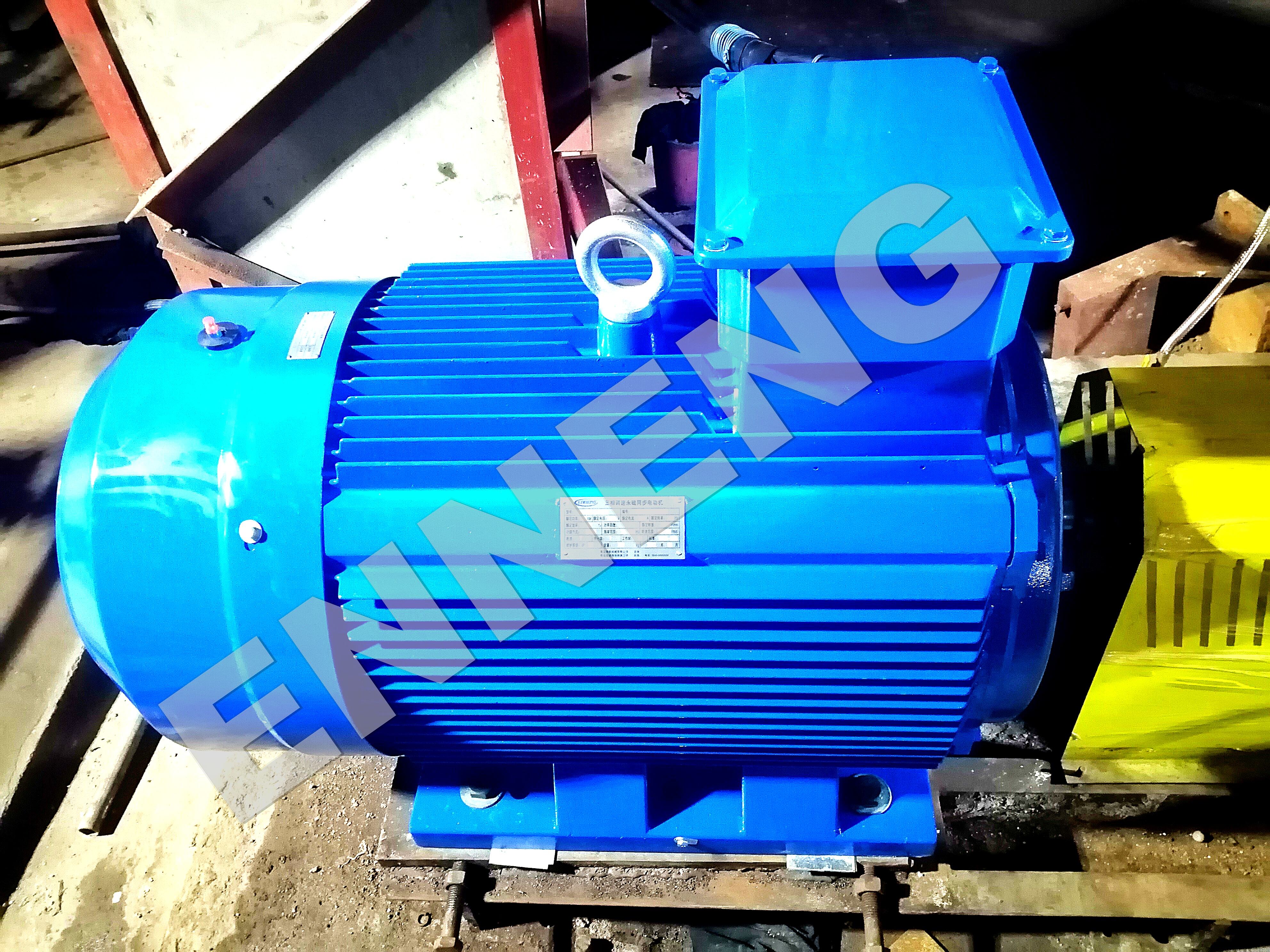
Direct Drive and Gearless Architecture: Maximizing Mechanical Reliability
Integrating a Cooling Tower Direct Drive with automated wet-bulb feedback replaces high-maintenance transmission shafts with a supervised thermal control sequence.
Eliminating the Gearbox and Managing Ambient Signal Disagreements
By increasing permanent magnet rotor poles, ENNENG designs the Cooling Tower Direct Drive to operate at rated fan speeds between 100 RPM and 250 RPM, coupling directly to the fan hub and eliminating the gearbox and drive shaft. In real-time operation, if wet-bulb readings drop but leaving-water temperature stays high due to heat spikes or fouled fill media, the Cooling Tower Direct Drive controller prioritizes the water-side error signal, ramps fan speed within deadbands, and flags a diagnostic alert rather than blindly slowing down.
System-Level Commissioning and Maintenance Guidelines
Deploying a gearless Cooling Tower Direct Drive delivers long-term reliability when paired with disciplined verification:
- Validate Sensor Placement and Fallback Logic: Position sensors away from humid discharge plumes, and program the VFD with safe fallback speeds if sensor communication drops.
- Low Noise and Vibration Verification: Operating at low speeds without gear mesh keeps vibration within ISO 10816 limits and decibel levels below 55 dB; verify speed limits across multi-cell staging.
- Routine Inspection and Lockout Safety: Enforce OSHA 1910.147 lockout/tagout protocols before entering fan cells, and audit terminal sealing and grounding every six months via ENNENG technical support.
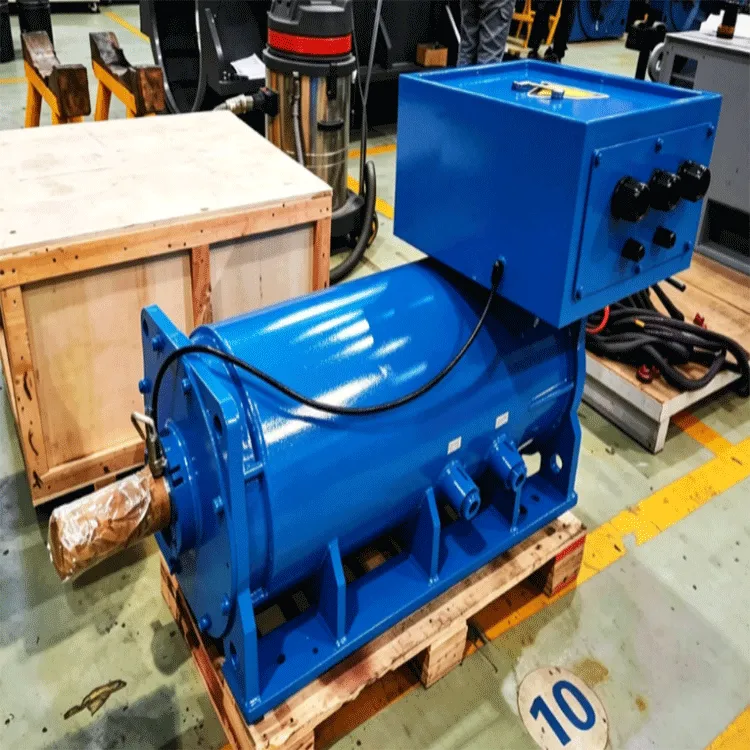
Application Case Studies and the ENNENG Customization Advantage
ENNENG capabilities are proven across industrial cooling systems, spanning unified generator and motor power ratings from 5kW to 5MW (110V to 690V) alongside 1kW to 10kW vertical axis wind turbines (3kW, 5kW, and 10kW focus) for hybrid microgrids.
- 1. Petrochemical Counterflow Cooling Tower Upgrade: Refinery cooling cells previously used high-speed induction motors with right-angle gearboxes that suffered from oil leaks and energy waste. Retrofitting to an ENNENG Cooling Tower Direct Drive eliminated gearbox maintenance, cut deck noise below 55 dB, and achieved verified electricity savings of 22% to 38%.
- 2. Metallurgical Power Plant Condenser Cooling: Multi-cell towers serving steam condensers experienced wide seasonal swings. Installing an ENNENG synchronous fan drive allowed continuous speed modulation from 25% to 120% load, keeping temperature rise under 60K and reducing annual power consumption by up to 45%.
The ENNENG Customization Advantage
No two cooling cells share identical fan hub diameters. ENNENG delivers custom permanent magnet drives across 5kW to 5MW ratings and 110V to 690V voltages for chemical and power plants. Contact ENNENG Today:
- WhatsApp: +86 18562780228
- E-Mail: [email protected]
- Phone: +86 532 66000559
FAQ
Q: How does a Cooling Tower Direct Drive adjust fan speed when ambient temperature changes?
A: A Cooling Tower Direct Drive combines real-time ambient wet-bulb sensors with leaving-water temperature feedback inside a closed-loop variable frequency drive controller. When outdoor wet-bulb conditions cool down and basin water reaches its target setpoint, the controller smoothly steps down motor frequency, leveraging fan affinity laws to cut electrical power consumption without abrupt on-off cycling.
Q: Can an ENNENG Direct Drive Motor replace a traditional motor and gearbox assembly in existing cooling towers?
A: Yes, an ENNENG Direct Drive Motor is custom-engineered with mounting flanges and shaft extensions that fit directly into existing cooling tower fan decks, replacing both the high-speed asynchronous motor and the right-angle gearbox. Eliminating the reducer removes oil leak hazards and mechanical vibration across 5kW to 5MW and 110V to 690V ratings.

