
how-cooling-tower-direct-drive-motor-reduces-equipment-downtime-caused-by-gearbox-faults, how-cooling-tower-direct-drive-motor-reduces-equipment-downtime-caused-by-gearbox-faults, /blog
EN

2026/09/10
A chemical plant cooling tower in Jiangsu drove its fan through a right-angle gearbox that had leaked oil for a season before a bearing let go during a heat wave. The fan stopped, the tower lost capacity, and the plant throttled production for three days while a crane lifted a replacement gearbox to the cell top. After the site fitted a cooling tower direct drive motor on the fan hub, the reduction stage disappeared and the planned gearbox shutdowns ended, so the fan ran through the next summer without a drive fault on the line.
The right-angle gearbox carried the torque across a speed step that added oil, seals, and bearings all open to the tower's wet, corrosive air. A cooling tower direct drive motor removes that step, because the fan turns at motor speed on the hub. The parts that failed on a clock in the old train simply are not present in the new one, which is why the downtime pattern changed for the better at the site.
A gearbox sits at the top of the tower where access is poor, so a failure strands the fan until a crane and a crew arrive. A cooling tower direct drive motor cuts that exposure by deleting the component most likely to fail in that spot. The tower's job is heat rejection, and any fan stop directly raises process temperature, so the failure cost is the lost cooling, not the replacement part alone.
The principle is removal of the speed step, and with it the failure points that the step required. A cooling tower direct drive motor puts torque straight into the fan at rotation speed without an intermediate gear set in the path.
A cooling tower direct drive motor is wound for the low fan speed, so no gear set stands between the field and the blade. There is no mesh to pit, no oil to change, and no seal to leak into the sump below the cell. The design trades a complex, failure-prone stage for a simple magnetic path the tower air cannot easily defeat during a storm or a heat wave.
A fan needs high torque at start and steady pull at low revolutions, and a cooling tower direct drive motor delivers both without a step that steals efficiency. The fan accelerates smoothly and holds the load through gusts, so the tower meets its duty even when the air shifts. The low-speed winding is what lets the motor replace the gearbox rather than sit beside it on the hub.
A cooling tower direct drive motor still meets the rotating-machine codes, and the tower's vibration rule applies to the fan as much as to any drive. The commissioning and the trend are what keep the gain visible to the plant engineer on shift.
IEC 60034 covers the motor rating, and ISO 10816 sets vibration zones for machines by size and speed, so a cooling tower direct drive motor is judged on the same scale as the fan it turns. Keeping the reading in zone A or B proves the mount is true and balanced. The standard gives the plant a number to trend before a fault shows in the process temperature.
IEC 60034-30-1 rates the IE efficiency classes, and a cooling tower direct drive motor that drops the gear loss lands in the upper band at the working point. The removed mesh and oil film each took a point of loss, so the saving is steady across the cooling season. The class gives the plant a comparable figure against the old geared unit it replaced.
The care moves from the gearbox to the motor and the mount, because the simpler train shifts the weak point to the bearing. A cooling tower direct drive motor rewards a clean install with quiet service through the cooling season at the plant.
Bolt the motor true to the hub and re-check after the first thermal cycle, because a fan drum grows as it warms in the sun. A cooling tower direct drive motor has no coupling to hide a miss, so the vibration trend shows an error at once. Watch the bearing temperature, since the unit carries the full load with no gear to share it on the tower cell.
With no gearbox to sample, monitoring moves to sensors on the motor and hub, so the plant spots a warm bearing from the control room. A cooling tower direct drive motor feeds temperature and vibration to the system, which is the new oil check the crew relies on. Enneng Motor supplies the test point and the vibration limit so the plant trends the fan from commissioning to shutdown.
A cooling tower direct drive motor also simplifies the spare-parts list, because the removed gearbox meant oil, seals, bearings, and a full spare unit on the shelf. The plant can release that capital and the storage space the geared train demanded. A cooling tower direct drive motor still needs a spare bearing and a sensor, but the inventory is smaller and the failure it prevents is the one that once stopped the fan for days. The tower stays in service through the cooling season, and the production it protects is worth far more than the parts the plant no longer stocks.
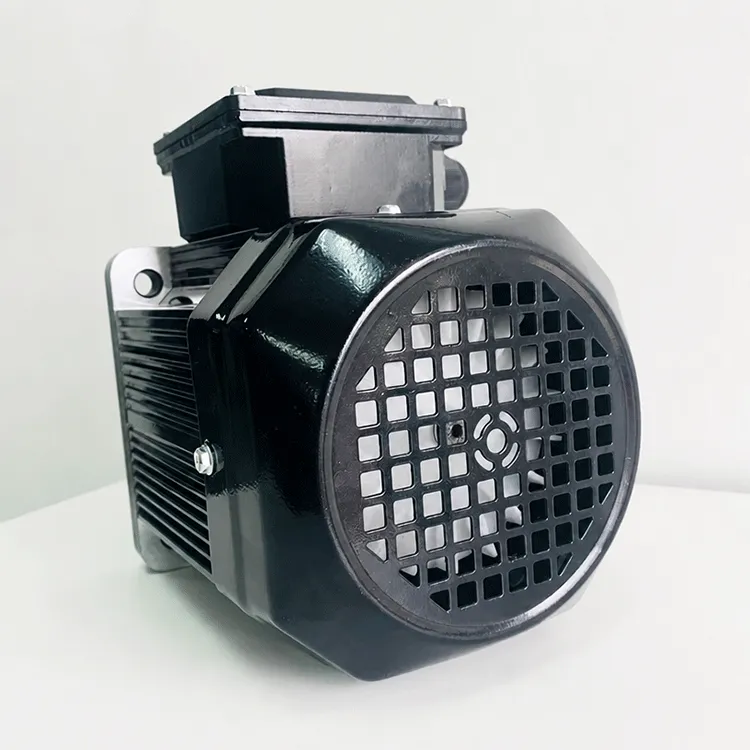
A cooling tower direct drive motor deletes the reduction stage with its oil, seals, and bearings, which were the parts that failed on a clock. With no mesh to pit and no sump to leak, the planned gearbox shutdowns end. The fan stays on the hub, so the tower keeps rejecting heat instead of waiting for a crane at the cell top during peak load.
No, it gains some. The mesh and oil film each took a point of loss, and a cooling tower direct drive motor delivers torque without that step. The saving is small per hour but steady across a cooling season of continuous running. IEC 60034-30-1 places the unit in the upper IE band at the working point on the fan.
Yes. ISO 10816 still applies, and a cooling tower direct drive motor is judged on the same vibration zones as the fan. With no gearbox oil to sample, the plant watches temperature and vibration from sensors instead. The trend is the new check, and it shows a miss before the process feels the heat from the tower.
Bolt the cooling tower direct drive motor true to the fan hub and re-check alignment after the first thermal cycle, because the drum grows as it warms. There is no flexible coupling to absorb a small error, so the mount must be right. Spend the hour on alignment; it decides the quiet service the design promised at the site.
The oil changes and mesh checks go away, and the only wearing part left is the bearing, watched online from the control room. A cooling tower direct drive motor needs clean cooling air and a vibration trend, not a gearbox crew. The plant trades a calendar of shutdowns for a sensor line that flags a fault before the fan stops on the cell.
IEC 60034-30-1 sets the IE classes, and dropping the gear loss lands a cooling tower direct drive motor in the upper band at the duty point. The standard gives a comparable number against the old geared unit, so the saving shows on the audit. Enneng Motor tests to the class and stamps the loss at the fan's actual speed for the file.


 EN