
 EN

For a manufacturing plant, a cooling tower rarely sees one steady operating point through the year. Production schedules change, ambient wet-bulb temperature moves, and chiller demand can rise sharply during hot periods before falling again in the shoulder seasons. A Cooling Tower Direct Drive system gives the fan a direct, variable-speed response to those changes. Instead of transmitting motor power through a gearbox, shaft, couplings, and associated bearings, the motor drives the fan at the speed the control sequence calls for.
The useful question is not whether a direct-drive fan should run at one fixed low speed. It is whether the Cooling Tower Direct Drive motor, fan, tower, condenser-water loop, and chiller are being controlled as one system. The answer affects energy use, leaving-water temperature, noise, mechanical wear, and the plant’s ability to recover when summer load arrives.
Why seasonal cooling load changes the fan-duty profile
Cooling demand changes for two reasons at once. Internal process heat may vary with production volume, while outdoor wet-bulb conditions change the tower’s ability to reject heat. In cooler weather, the same tower can often meet a leaving-condenser-water temperature target with less airflow. During a hot, humid production day, more airflow may be needed to hold that target and preserve chiller performance.
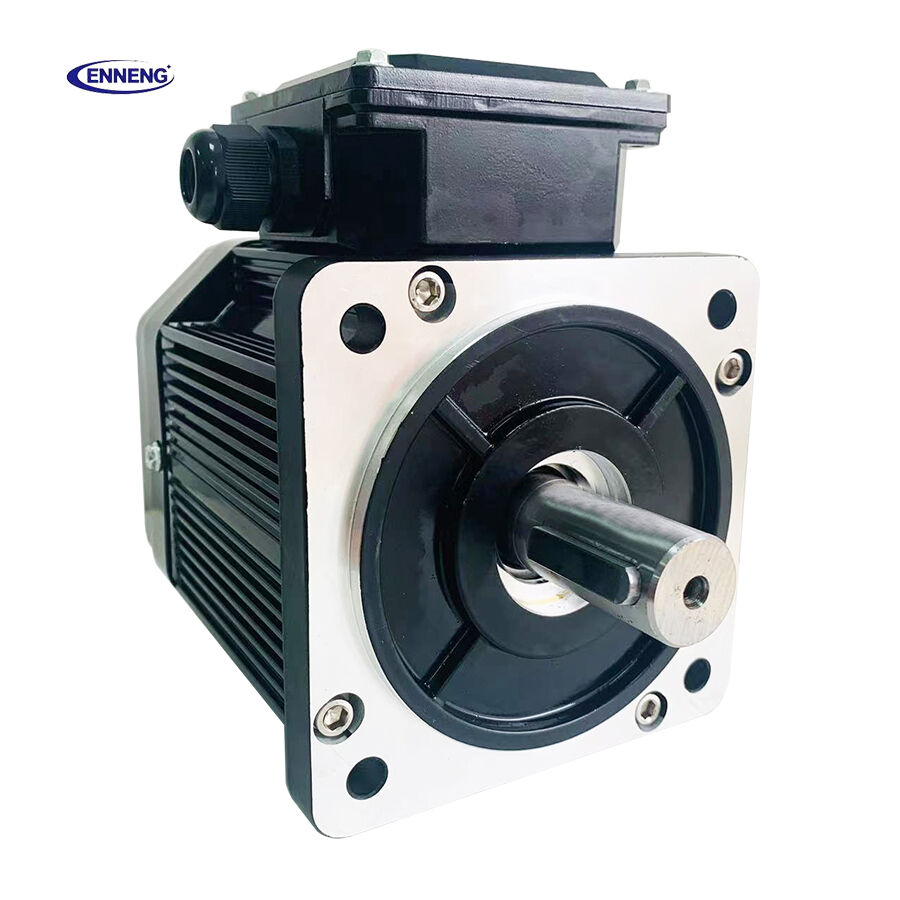
This is why nameplate speed alone is a weak selection basis. The shift that changes how a cooling-tower motor is specified is realizing that peak efficiency at rated load matters only if the plant actually spends meaningful time at that load. Many plants operate across a broad range of load conditions, particularly during startup, weekends, seasonal transitions, and staged production changes.
How a Cooling Tower Direct Drive motor follows the load
It receives a speed command rather than a fixed mechanical ratio
In a typical variable-speed arrangement, a controller compares a measured process value—often leaving condenser-water temperature or a coordinated plant setpoint—with its target. The drive then adjusts the cooling tower direct drive motor speed within defined operating limits. Lower demand can call for a lower fan speed; rising water temperature or higher chiller demand can call for more speed.
The permanent-magnet, low-speed nature of a Direct Drive Motor arrangement is relevant here because it is intended to provide fan torque without relying on a reduction gearbox. Removing those components does not eliminate the need for careful control logic, but it removes several mechanical elements that must otherwise tolerate repeated seasonal starts, speed changes, lubrication requirements, alignment checks, and wet-environment exposure.
It takes advantage of the fan affinity relationship—within real limits
For a fan operating in an applicable range, airflow changes approximately in proportion to fan speed, while fan power changes approximately with the cube of speed. That relationship explains why a modest speed reduction can materially reduce fan energy at part load. It is a planning principle rather than a promise of site-specific savings: actual results depend on the tower curve, fan selection, basin temperature, airflow path, process demand, and the controls sequence.
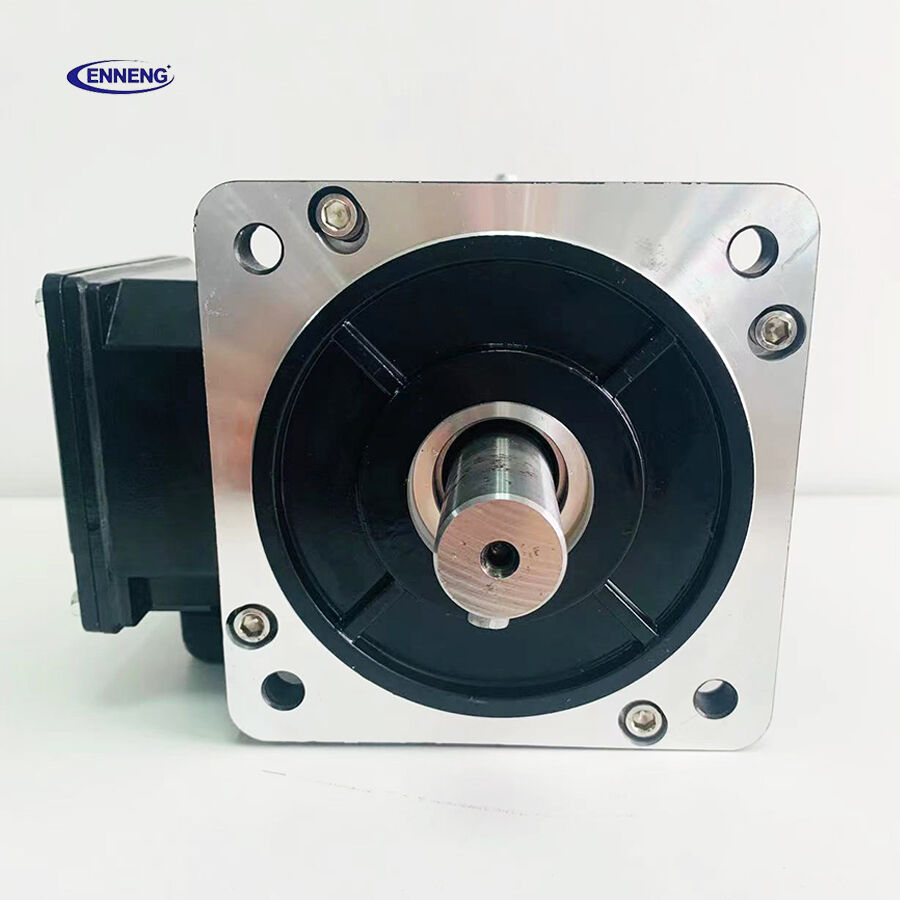
In spring or autumn, a Cooling Tower Direct Drive system may therefore maintain the required water temperature at a lower fan speed than it needs during summer. The motor is not “saving energy” on its own; it is enabling the system to avoid producing more airflow than the heat-rejection duty requires.
Season-by-season operating behavior in a manufacturing plant
|
Operating period |
Typical cooling condition |
Direct-drive response to verify |
|
Cool shoulder season |
Lower wet-bulb temperature and often lower process load |
Stable low-speed control, minimum-speed protection, and no unnecessary cycling |
|
Rising spring demand |
More variable production load and fast weather changes |
Smooth acceleration, sensible deadband, and staged-cell coordination |
|
Peak summer operation |
High wet-bulb temperature and maximum heat rejection demand |
Available high-speed torque, temperature recovery, vibration trend review, and chiller coordination |
|
Autumn turndown |
Demand declines but process peaks may remain |
Setpoint reset review and prevention of overcooling or frequent fan hunting |
At low load, the practical challenge is often control stability rather than motor capacity. If the minimum command is set too low, airflow may become unreliable, motor cooling requirements may not be respected, or the system may hunt around the temperature target. If it is set too high, the plant gives away part-load energy opportunity. The correct minimum speed should come from the motor-and-drive documentation, fan behavior, water-treatment considerations, and the tower manufacturer’s limits—not from a generic percentage.
Control points that keep seasonal response useful
A cooling tower direct drive motor responds most reliably when the controls team defines what it is responding to and how quickly it may react. A sound sequence normally addresses the following points:
- Primary feedback: Use a verified leaving-water temperature or a plant-level optimization signal rather than a manual seasonal speed setting.
- Minimum and maximum speed: Set these from confirmed motor, drive, fan, tower, and water-system constraints.
- Deadband and ramp rate: Avoid rapid speed swings caused by sensor noise or short process disturbances.
- Cell staging: Decide when to add a fan cell, when to slow several cells, and when one cell should run harder. Multiple low-speed fans are not automatically optimal in every plant.
- Chiller interaction: Review total plant kW, not tower-fan kW alone. A lower tower speed can reduce fan power yet raise condenser-water temperature enough to increase chiller energy.
- Cold-weather protection: Include freeze-protection and basin-management logic where the climate and tower design require it.
That last point is frequently missed. Evaluating the fan motor in isolation can produce a technically correct motor specification that still underperforms at the plant level. The operating objective is the lowest reasonable combined energy use while keeping process cooling and equipment limits under control.
What direct drive changes in maintenance planning
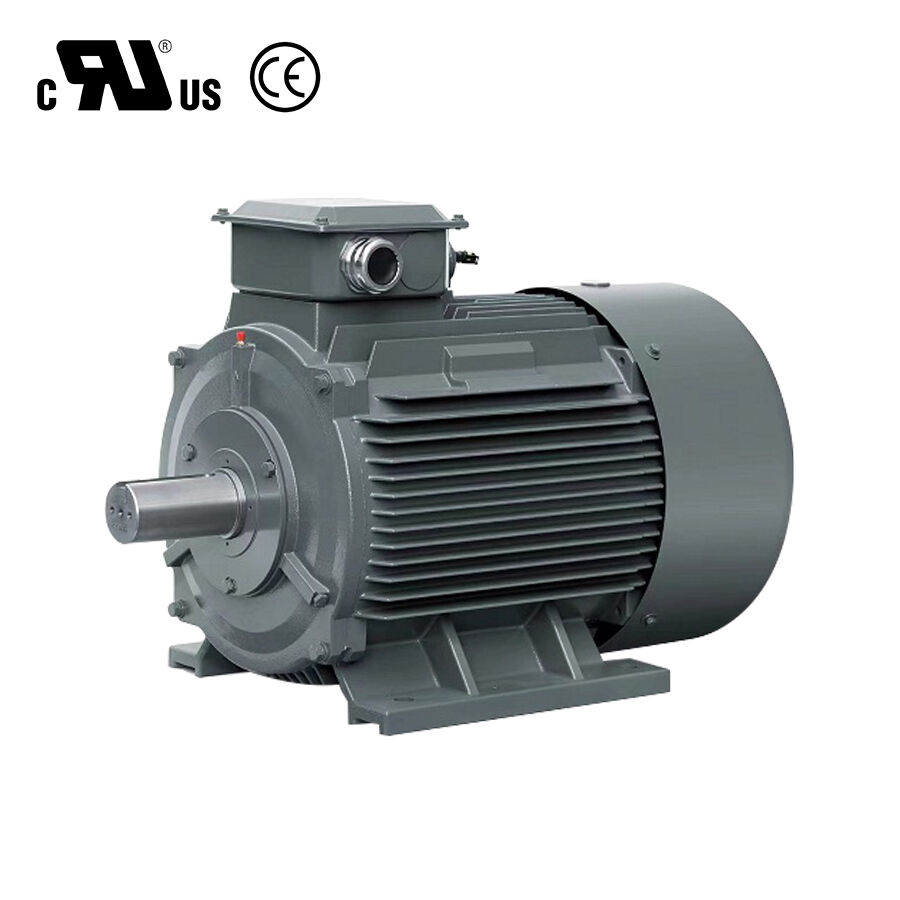
Seasonal load swings also reveal mechanical weaknesses. A conventional fan train can include a gearbox, driveshaft, flexible couplings, and pillow-block bearings. A Cooling Tower Direct Drive arrangement removes the mechanical reduction train between motor and fan, so maintenance attention can shift toward electrical condition, motor mounting, fan balance, vibration, fasteners, controls feedback, and the tower structure.
That does not mean maintenance becomes optional. Before the high-load season, the plant team should trend vibration, inspect fan condition, verify sensor calibration, confirm drive alarms and bypass logic, and test the response to a controlled temperature change. Once ambient-temperature derating, enclosure conditions, and site airflow restrictions are considered, a motor nameplate rating can look different from what the installation should continuously demand in the field.
When to involve the motor and controls supplier
Engage engineering support when the plant is changing fan diameter, tower fill, gearbox configuration, drive settings, cell staging, or operating temperature targets. The supplier should review the actual load profile, fan inertia, required low-speed torque, enclosure environment, ambient temperature, mounting interface, and drive compatibility. For a Direct Drive Motor, the motor and variable-frequency drive should be treated as a matched operating system, particularly where seasonal turndown is a central part of the energy strategy.
Enneng focuses on permanent-magnet motor design and application-specific consultation. For plants evaluating a cooling tower direct drive motor, a useful technical discussion starts with measured operating data—not just rated kilowatts—including fan speed history, condenser-water temperatures, production schedules, site conditions, and the desired control sequence.
If you are evaluating commercial permanent magnet motors for sale and need an engineered drive solution that guarantees efficiency and longevity, ENNENG is your trusted partner.Contact ENNENG Today.Speak to our technical engineering team to receive a customised drive proposal.
- WhatsApp: +86 18562780228
- E-Mail: [email protected]
- Phone: +86 532 66000559

