Industrial manufacturing complexes rely on large cooling tower installations to dissipate massive thermal loads generated by power generation turbines, chemical distillation columns, and metallurgical furnaces. Because atmospheric ambient temperatures and plant production volumes swing dramatically between scorching summer peaks and freezing winter conditions, required cooling tower airflow fluctuates across a wide dynamic range. Conventional cooling tower drive systems—relying on high-speed induction motors, long drive shafts, intermediate gear reducers, and belt pulleys—struggle with low mechanical efficiency and high maintenance overhead under fluctuating duty. Upgrading to a Cooling Tower Direct Drive motor system provides an elegant electromechanical solution that matches fan speed to seasonal thermal demand.
Mechanical Pitfalls of Geared Cooling Tower Drivetrains
Multi-Component Drivetrain Vulnerabilities in Humid Enclosures: Cooling tower fans operate inside harsh environments characterized by continuous water spray, high humidity, chemical treating agents, and corrosive vapors. Traditional drivetrains locate a standard electric motor outside the moist air stream or perched on structural beams, linking to the fan hub via lengthy drive shafts, flexible couplings, and right-angle gearboxes. These mechanical components introduce significant points of failure. Gearbox seals degrade rapidly under constant thermal cycling and moisture immersion, leading to water ingress into gear oil, bearing seizure, and gear tooth pitting. Drive shafts with flexible couplings require tedious laser alignment and suffer balance degradation caused by algae build-up and structural settling.
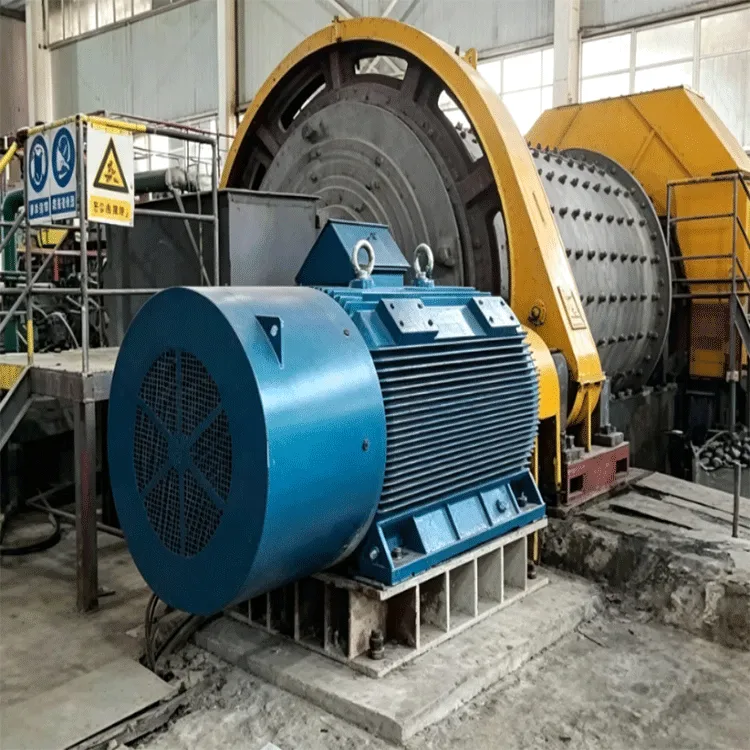
Severe Seasonal Energy Penalties and Idling Waste: Cooling load demand is inherently non-linear. During summer afternoons, cooling fans must run at full speed to maintain condensing temperatures. In winter or during nighttime shifts, required air mass flow drops by 40% to 70%. When conventional systems rely on single-speed induction motors, airflow can only be controlled by cycling the motor on and off or adjusting blade pitch during seasonal shutdowns. Frequent motor across-the-line starting draws six to eight times rated current, stressing electrical switchgear and causing mechanical torque shocks across fan blades. When run throttled via standard belt or gear arrangements, mechanical transmission friction wastes substantial energy even at partial speeds. To overcome these maintenance burdens, ENNENG supplies advanced Cooling Tower Direct Drive solutions across the 5kW to 5MW power spectrum and 110V to 690V operating ranges, mounting directly to the fan hub without intermediate gearboxes.
Direct-Drive Permanent Magnet Aerodynamic and Electrical Control
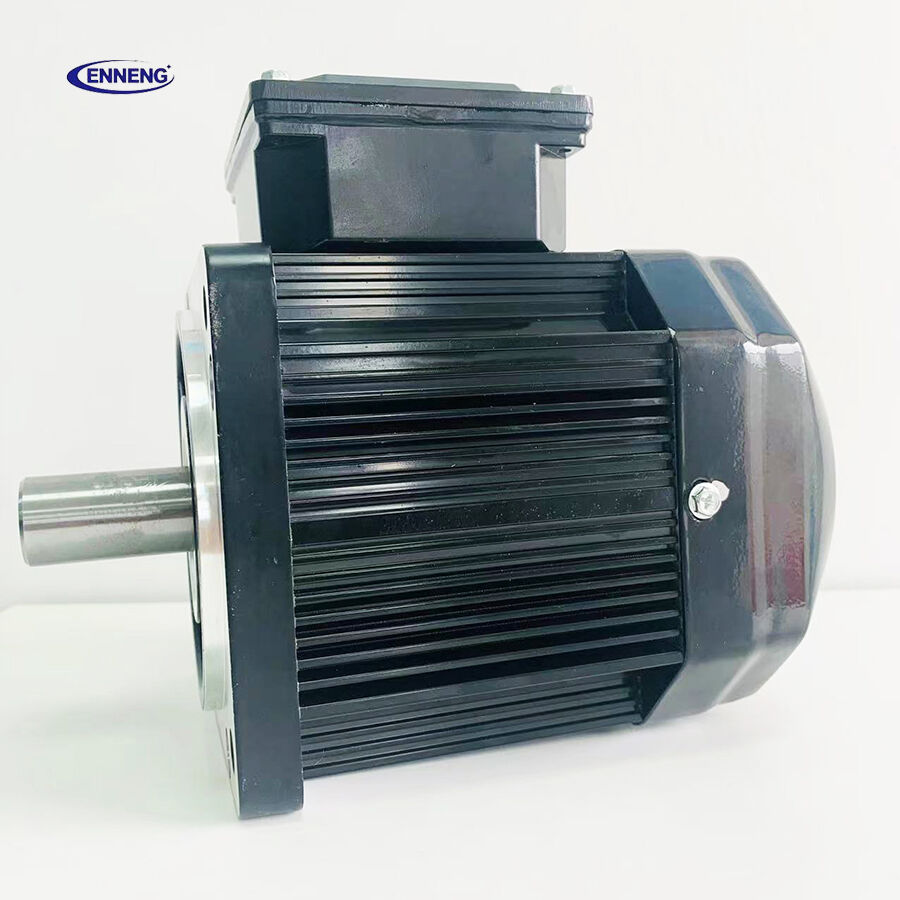
Elimination of Mechanical Losses Through Direct Shaft Coupling: A Cooling Tower Direct Drive motor system mounts directly beneath the fan impeller inside the tower exhaust stack. By utilizing an ultra-high torque, low-speed permanent magnet synchronous motor architecture, the system drives the fan hub directly without right-angle gearboxes, drive shafts, belts, or pillow block bearings. Eliminating intermediate mechanical transmission elements increases drivetrain mechanical efficiency by 8% to 15%. Mechanical friction, gear tooth meshing noise, and transmission backlash are removed entirely, creating a streamlined aerodynamic profile that reduces static air pressure drop inside the fan cylinder.
Dynamic Seasonal Speed Modulation via Field-Oriented Inverters: The combination of an ENNENG Cooling Tower Direct Drive permanent magnet motor and an intelligent variable frequency drive enables continuous, stepless speed control from 10% to 100% of rated RPM. Under cold winter conditions, the control system reduces fan speed to maintain target basin water temperatures precisely, drastically lowering electrical draw in accordance with fan affinity laws (where fan power demand scales with the cube of speed). When plant cooling requirements fall by 30%, fan electrical power consumption declines by more than 60%. Furthermore, low-speed reverse rotation capability allows operators to run fans backwards during sub-zero winter periods to de-ice intake louvers safely without mechanical shock.
|
System Parameter
|
Conventional Geared Induction Drive
|
ENNENG Cooling Tower Direct Drive
|
Performance Impact
|
|
Mechanical Drivetrain Layout
|
Motor + Drive Shaft + Gearbox + Hub
|
Direct-Drive Motor Mounted at Hub
|
Zero Intermediate Transmission Items
|
|
Mechanical Transmission Loss
|
8% - 15% (Gear Friction & Seals)
|
0% (Direct Shaft Connection)
|
Instant Efficiency Gain
|
|
Speed Regulation Flexibility
|
Fixed Speed (or Stepped via 2-Speed)
|
0 - 100% Stepless Inverter Modulation
|
Matches Variable Seasonal Demand
|
|
Winter Partial-Load Power Draw
|
High (Cycles On/Off or Throttles Blades)
|
Minimized (Follows Fan Affinity Law)
|
Up to 60% Winter Energy Reduction
|
|
Acoustic Noise Profile
|
High (Gear Mesh + High-Speed Fan Motor)
|
Low (Low-Speed Direct Drive Operation)
|
8 to 15 dB Noise Reduction
|
|
Annual Lubrication Maintenance
|
Mandatory Gearbox Oil & Seal Changes
|
Zero Oil (Sealed Greased Bearings)
|
Eliminates Oil Leaks into Water Basin
|
|
Enclosure Ingress Protection
|
Standard IP55 Motor Outside Air Stream
|
Specialized IP66/IP67 Submersible Design
|
Resists 100% Saturated Humidity
|
Environmental Compliance Standards and Winter Maintenance Protocols
Adherence to CTI Standards, ISO 10816, and IEC Ingress Ratings: Industrial cooling installations must comply with strict engineering guidelines established by the Cooling Technology Institute (CTI). ENNENG direct-drive permanent magnet motors satisfy CTI performance standards and adhere to IEC 60034-5 ingress protection ratings of IP66 or IP67, featuring specialized multi-lip labyrinth shaft seals and non-hygroscopic Class H winding insulation to resist moisture penetration. Rotor dynamic balancing conforms to ISO 1940-1 Grade G2.5, minimizing low-frequency vibrations that could damage fiberglass fan blades. Electrical grounding brushes are integrated to divert inverter-induced shaft currents safely, protecting motor bearings against fluting wear.
Installation and Preventative Maintenance Procedures:
- Seasonal Winterization Control: Program inverter minimum operating speeds to prevent complete freezing while eliminating unnecessary high-speed winter windmilling.
- De-Icing Reverse Run Integration: Configure automated low-speed reverse rotation sequences (typically 15% to 20% speed for 15 minutes) to thaw air intake louvers during sub-freezing operations.
- Shaft Seal and Condensation Inspection: Verify that internal anti-condensation heating elements activate automatically when the motor is de-energized, preventing moisture accumulation inside the stator cavity.
-
Vibration Spectrum Logging: Conduct semi-annual vibration checks per ISO 10816-3 to confirm that fan blade aerodynamic balance remains within design limits.
Contact Us
Modernizing industrial cooling towers with direct-drive permanent magnet systems delivers profound electricity savings and eliminates recurring gearbox maintenance. Technical specialists at ENNENG assist industrial plants, refineries, and commercial HVAC facilities with turnkey cooling tower retrofits, airflow calculations, and motor selections. Contact our cooling engineering team to evaluate direct-drive motor solutions for plant cooling towers:
FAQ
Q: How does a Cooling Tower Direct Drive motor withstand 100% humidity inside the exhaust stack?
A: A cooling tower direct-drive motor utilizes a totally enclosed IP66 or IP67 casing sealed with dual-lip fluoroelastomer labyrinth seals. Stator windings are treated with multiple dips of vacuum-pressure-impregnated (VPI) Class H moisture-resistant resin, and internal condensation heaters keep the internal air cavity dry during winter shutdown periods.
Q: Why does direct drive deliver higher energy savings under seasonal load swings?
A: In addition to eliminating the 8% to 15% mechanical friction loss of gearboxes and drive shafts, direct-drive permanent magnet motors maintain high electrical efficiency at very low rotational speeds. By utilizing a variable frequency drive to track ambient wet-bulb temperatures, fan speed decreases during cooler months, slashing electrical power in accordance with fan affinity laws.
Q: Can a Cooling Tower Direct Drive system be retrofitted onto existing tower structures?
A: Yes, direct-drive permanent magnet motors are engineered with standardized mounting flange geometries designed to replace right-angle gear reducers directly on existing structural torque tubes or steel support beams. This drop-in compatibility eliminates the need for extensive structural rebuilding during plant turnarounds.

 EN


