
 EN

Real-World Experience: Chemical Plant Achieves 60% Vibration Reduction with ENNENG Cooling Tower Direct Drive Motor
A chemical plant’s cooling tower fan train showed repeated vibration despite coupling replacement, shaft alignment, and gearbox service. After an ENNENG cooling tower direct drive motor retrofit, the gearbox, long shaft, and couplings were removed from the torque path. Vibration fell by about 60% under comparable duty, and operators gained a clearer baseline for maintenance decisions.
Risk Analysis: Why Conventional Geared Fan Trains Fail and How ENNENG Eliminates Hidden Transmission Risks
Geared fan trains hide faults in gear mesh, oil condition, coupling alignment, long-shaft runout, and bearing foundations. Each interface can amplify vibration, raise temperature, and cause unplanned downtime. ENNENG’s cooling tower direct drive motor removes these transmission-side variables, replacing them with a low-speed PMSM directly coupled to the fan. This immediately reduces diagnostic complexity and recurring maintenance burden.
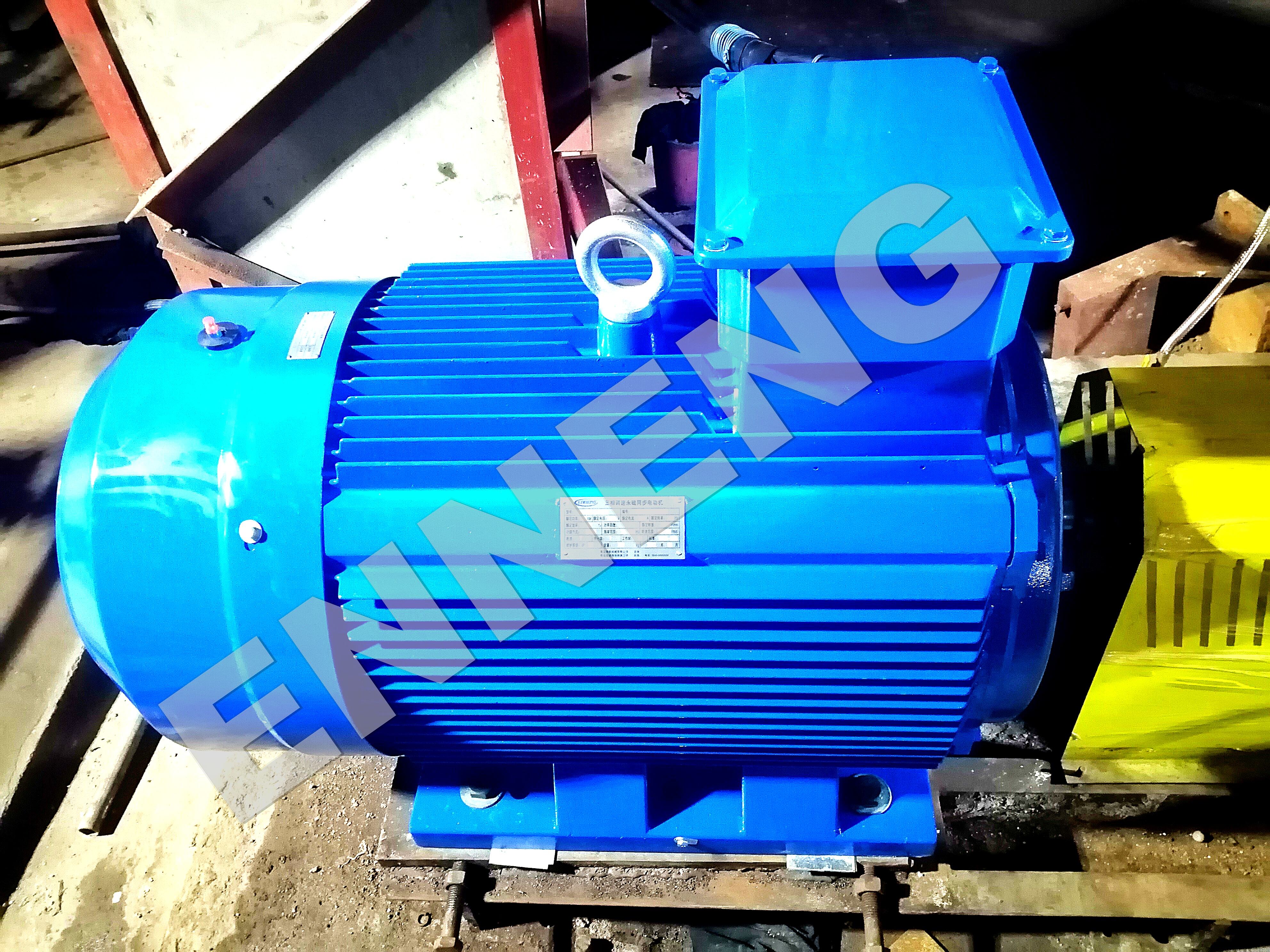
Technical Analysis: ENNENG Low-Speed PMSM Direct Drive vs. Conventional Gearbox—Performance Comparison and Quantified Advantages
The ENNENG cooling tower direct drive motor uses a low-speed permanent-magnet synchronous motor (PMSM) to produce fan-speed torque without a speed-reduction gearbox. This gearless fan drive eliminates gear mesh loss, oil churn, coupling backlash, and long-shaft alignment sensitivity. A matched PMSM-capable VFD controls acceleration, deceleration, and skip-speed bands to avoid structural resonance.
|
Metric |
Conventional Geared Drive |
ENNENG Low-Speed PMSM Direct Drive |
|
Transmission interfaces |
6–10 |
2–3 |
|
Light-load efficiency |
Drops sharply below 50% load |
Maintains high efficiency; typical 5–12% gain |
|
Rotor loss |
Excitation + gear churning losses |
No excitation loss; lower rotor loss |
|
Temperature rise |
Gear oil + bearings add heat |
Lower; typical 10–20 K reduction at comparable duty |
|
Torque density |
Limited by gearbox size |
High torque density at low speed |
|
Maintenance items |
Oil changes, alignment, gear inspection |
Bearing and electrical checks |
ENNENG permanent-magnet motors maintain high torque density and low rotor losses even at low speeds. With VFD ramp limits and skip-speed functions, fan and structural resonance can be effectively suppressed. After retrofit, system baselines become clearer, and vibration, current, and temperature trends are easier to interpret.
Authoritative References: IEC 60034-14, ISO 10816, NFPA 70 and OSHA Requirements for Cooling Tower Direct Drive Acceptance
IEC 60034-14 provides a framework for mechanical vibration measurement and limits for certain rotating electrical machines, but motor-level vibration compliance does not equal whole cooling tower acceptance. ISO 10816 / ISO 20816 supports machine vibration evaluation. NFPA 70 (NEC) governs VFD and motor electrical installation. OSHA 1910.212 addresses rotating equipment guarding. ANSI/ISO balance standards apply to fan and rotor balance. ENNENG aligns retrofit design and commissioning with these frameworks, and field acceptance should combine motor verification with measurements at the fan, mounting structure, and operating duty points.
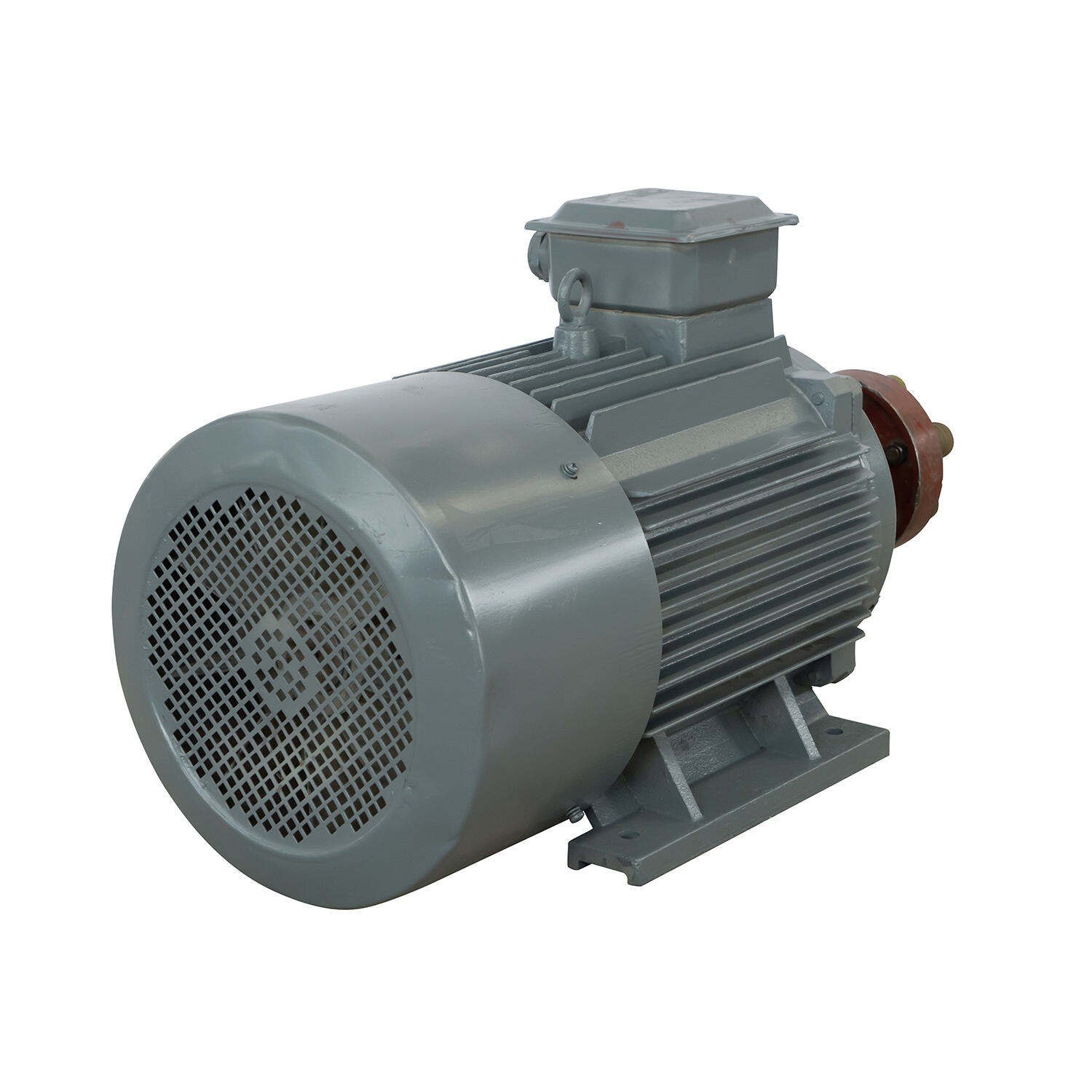
Practical Value: Selection, Inspection, Maintenance and Commissioning Guide for ENNENG Cooling Tower Direct Drive Motors
Selection Guide: Confirm fan inertia, target speed range, required torque, voltage, enclosure rating, mounting dimensions, environmental exposure, and monitoring needs.
Inspection Points: Check blade pitch and tracking, hub fit, balance, corrosion, and distortion. Verify motor mounting face, fan deck, support steelwork, fasteners, and structural stiffness.
Maintenance: Monitor bearing temperature and vibration trends. Validate VFD parameters and protection functions. Review skip-speed bands and ramp settings. Compare pre- and post-retrofit baseline data.
Commissioning Workflow: Capture baseline → confirm duty point → engineer mechanical interface → commission PMSM and VFD together → map full speed range → acceptance testing.
Explore ENNENG products and direct drive solutions for application-specific engineering support.
Contact Us
- WhatsApp: +86 18562780228
- E-Mail: [email protected]
- Phone: +86 532 66000559
FAQ:
Q: Is an ENNENG Cooling Tower Direct Drive Motor Suitable for Every Cooling Tower Application?
A: Not every tower. Fan inertia, torque demand, mounting space, and structural stiffness must be checked. If the fan is unbalanced or steelwork is weak, direct drive will expose those issues rather than hide them. ENNENG recommends baseline vibration measurement and duty confirmation before selecting a cooling tower direct drive motor.
Q: Can an ENNENG PMSM Direct Drive Fan Start Direct-On-Line Without a VFD?
A: No. A permanent-magnet synchronous motor needs a matched VFD with correct motor data, current limits, and protection settings. Direct-on-line starting can cause loss of synchronization or overcurrent. ENNENG commissions the cooling tower direct drive motor and VFD together, validating rotation, feedback, acceleration, deceleration, and protective functions before sustained operation.
Q: What Should I Do If Vibration Still Exceeds Limits After ENNENG Direct Drive Retrofit?
A: Investigate fan balance, blade tracking, hub fit, and structural resonance. The cooling tower direct drive motor removes transmission-side variables, so remaining causes are easier to isolate. Follow ENNENG acceptance testing: compare vibration, current, speed, temperature, and noise before and after retrofit under similar cooling demand. Adjust skip-speed bands or support stiffness if resonance appears.
Q: How Does ENNENG Cooling Tower Direct Drive Motor Retrofit Improve Whole-Machine Stability?
A: It shortens the torque path. Fewer rotating interfaces mean less backlash, alignment drift, lubrication degradation, and torsional excitation. The ENNENG cooling tower direct drive motor delivers low-speed torque directly, while the VFD manages ramps and skip speeds. Stability still depends on fan condition, rigid mounting, and acceptance testing, so the retrofit should be treated as a system upgrade, not a component swap.

