
 EN

A cooling tower retrofit is often discussed as an energy project, but the investment case is wider than kilowatt-hours. In a conventional fan train, the motor, gearbox, shafting, couplings and bearings all contribute losses, alignment work and possible downtime. A Cooling Tower Direct Drive transformation changes that calculation by putting a low-speed motor directly at the fan. For an industrial enterprise, the potential payback is usually created by several smaller improvements working together: less mechanical loss, fewer service tasks, more predictable availability and a clearer plan for operating at part load.
As with any capital project, the result is site-specific. The useful question is not “Will a Direct Drive Motor pay back?” but “Which costs does our existing drive train create today, and which of them can this retrofit reasonably remove?” This article gives engineering, maintenance and procurement teams a practical way to answer that question before they approve a project.
Why a Cooling Tower Direct Drive changes the cost base
A traditional cooling-tower fan train transfers torque through several mechanical components. Each component can require lubrication, inspection, alignment, seals, replacement parts or an outage window. A cooling tower direct drive motor drives the fan without the gearbox, long shaft and mechanical couplings that normally sit between motor and fan. Removing those parts does not make a tower maintenance-free; fan blades, structure, electrical equipment and water-side conditions still need attention. It does, however, remove a defined group of rotating-drive failure points from the maintenance plan.
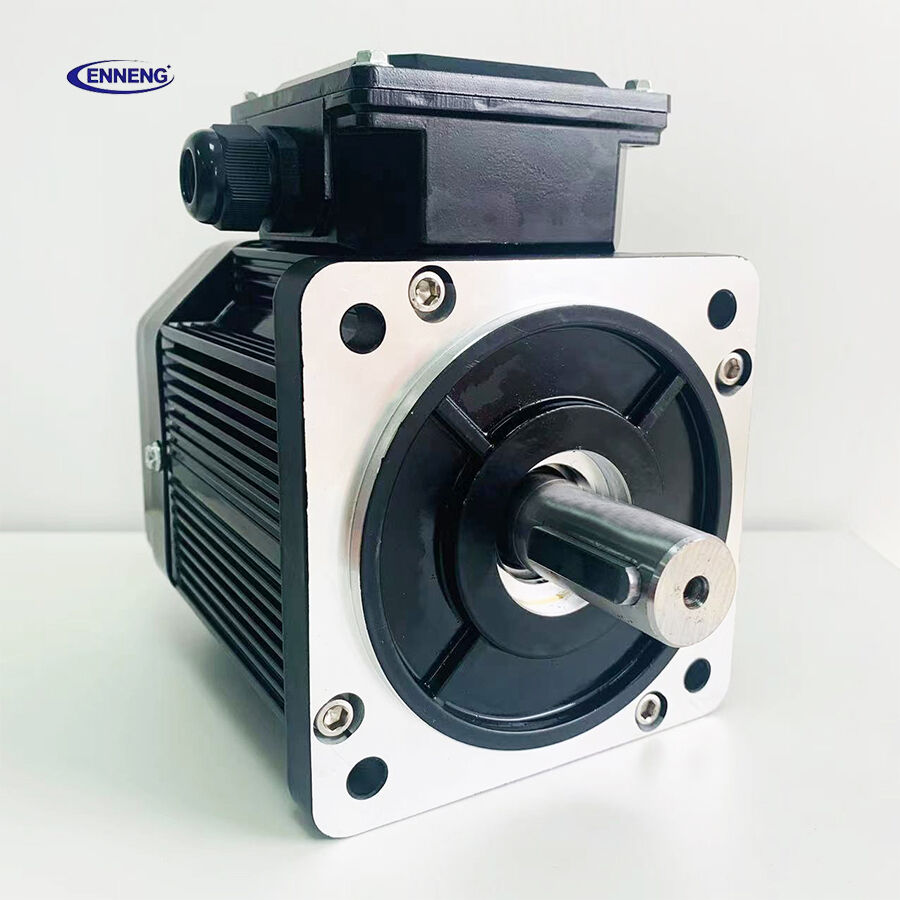
The financial effect is easiest to see in four categories:
- Electrical input: drivetrain losses and low-load operation can affect annual fan energy use.
- Routine maintenance: lubrication, alignment checks, coupling work and gearbox-related interventions consume labor and materials.
- Corrective maintenance: a mechanical fault can turn a planned service task into an urgent repair.
- Operational exposure: reduced cooling capacity can affect process stability, production scheduling or the need to run redundant equipment.
A Direct Drive Motor retrofit should therefore be evaluated as a total-cost-of-ownership project, not as a motor purchase compared only by nameplate price.
Build the baseline before estimating payback
The most reliable payback model starts with records from the actual tower. Gather at least twelve months of electricity consumption or interval data where available, operating hours, fan speed or control position, maintenance work orders, spare-parts usage and the cost of outages. Separate tower-related work from unrelated condenser-water or process problems. This prevents a favorable-looking model from being driven by costs the retrofit cannot change.
For each cell, document motor rating, gearbox ratio, fan diameter, average operating profile, ambient range, water treatment conditions and any known vibration or alignment history. If the tower normally runs well below full speed, record that behavior rather than modeling every hour at full load. The short answer is that a direct-drive system may improve the path from electrical input to fan output; the more important answer is how the complete motor-and-control package behaves at this specific duty point.
Where shorter payback usually comes from
1. Fewer drivetrain service tasks
When a cooling tower direct drive motor replaces gearbox-and-shaft components, maintenance planners can remove or reduce the tasks tied specifically to those components. The benefit is not merely fewer parts. It is a simpler inspection route, fewer lubrication-related decisions and less opportunity for alignment errors after maintenance. In plants with difficult access, the avoided setup time can be as important as the parts cost.
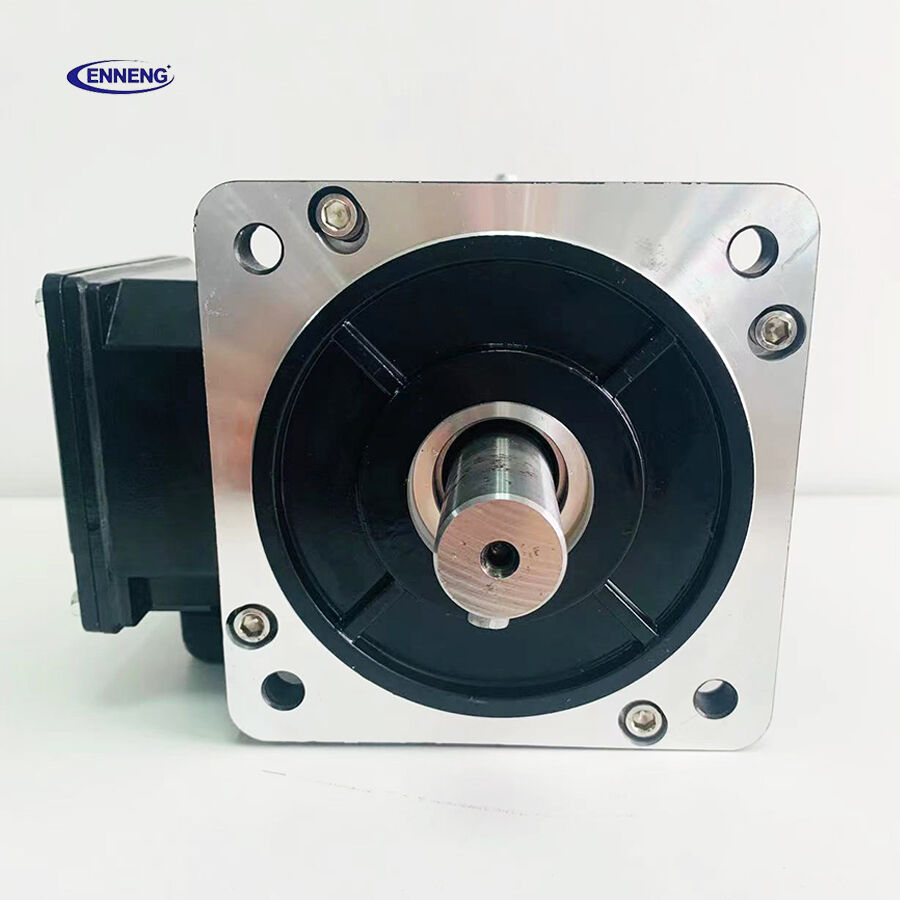
2. Better use of variable-speed operation
Cooling demand varies with weather and process load. A matched Cooling Tower Direct Drive system and control strategy should be assessed across the real speed range, not only at design point. Review basin temperature targets, staging logic, vibration limits and minimum-speed requirements with the controls team. Applicable code and energy requirements should be verified for the jurisdiction and project scope by the engineer of record rather than assumed from a generic rule.
3. Less unplanned mechanical intervention
The value of a Direct Drive Motor becomes more visible when a conventional train has recurring gearbox, coupling, bearing or alignment issues. Still, a retrofit is not a promise that failures disappear. The project team should identify what failure modes remain—fan balance, electrical connections, control faults and environmental exposure—and include the inspection plan in the operating budget.
Commissioning determines whether the model holds
Before handover, compare measured current, vibration, temperature and cooling performance with agreed acceptance criteria. Confirm the rotation direction, fan performance, control response, protective settings and alarms. Capture baseline measurements before removal of the old train so the team can compare like with like after the upgrade. This record also gives maintenance staff a practical reference for detecting abnormal operation later.
For buyers seeking application guidance, ENNENG’s permanent-magnet motor team can help define the load profile, installation constraints and documentation needed for a project evaluation. A useful supplier discussion should clarify the inputs required; it should not replace a site survey or promise a fixed payback before the data is reviewed.
The ENNENG Customisation Advantage
No two industrial facilities share the same spatial or mechanical constraints. ENNENG stands out because we do not just supply off-the-shelf catalogue products; we specialise in delivering a tailor-made permanent magnet motor tailored to your specific application .
Supported by our elite R&D team consisting of engineers from the National Rare Earth Permanent Magnet Engineering Centre, and backed by dozens of patents, we customise high-voltage (6kV/10kV) and low-voltage (380V/660V/1140V) solutions to match your existing footprint. From water treatment facilities and oil wells to explosion-proof mining environments, we deliver optimal performance where general-purpose motors fail .
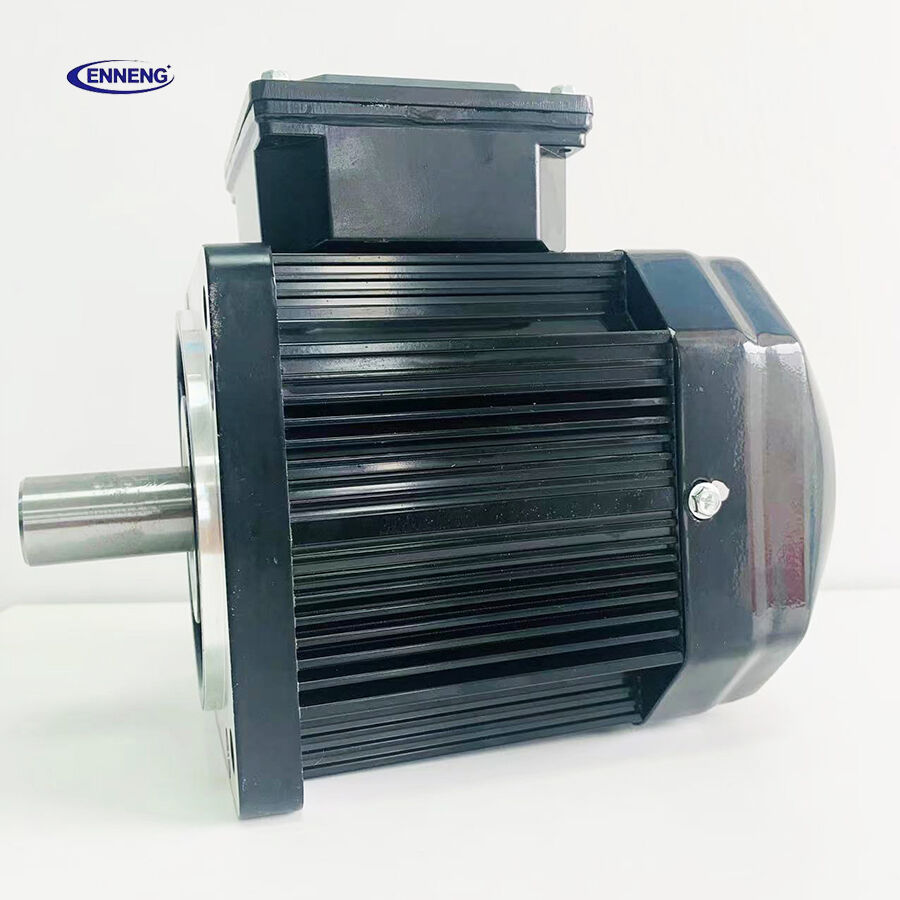
If you are evaluating commercial permanent magnet motors for sale and need an engineered drive solution that guarantees efficiency and longevity, ENNENG is your trusted partner.Contact ENNENG Today.Speak to our technical engineering team to receive a customised drive proposal.
- WhatsApp: +86 18562780228
- E-Mail: [email protected]
- Phone: +86 532 66000559
A decision checklist for industrial teams
- Identify the current fan-train components and their maintenance history.
- Collect operating hours, load profile and electricity-cost data for each tower cell.
- Define the installed scope, including controls, access and commissioning.
- Model energy, routine maintenance, corrective maintenance and downtime separately.
- Review conservative, base and sensitivity cases with operations and finance.
- Specify acceptance measurements and post-installation monitoring before procurement.
The point is not which technology sounds newer. It is whether a Cooling Tower Direct Drive retrofit removes the costs that are genuinely limiting the site today. When the baseline is complete and the scope is engineered around actual operating conditions, the transformation can shorten the investment payback cycle by converting recurring mechanical complexity into a simpler, measurable operating model.

