
how-direct-drive-motor-cuts-total-operating-cost-for-lowspeed-hightorque-industrial-equipment, how-direct-drive-motor-cuts-total-operating-cost-for-lowspeed-hightorque-industrial-equipment, /blog
EN

2026/09/29
A rubber kneader in a flooring plant ran a 75 kilowatt mixer through a two-stage gearbox that needed oil changes every quarter. The plant engineer noted that the gearbox alone accounted for most of the mixer's unplanned stops, because a seal failure stopped the whole line. A cement works reported the same pattern on a ball mill, where the slow turning drum demanded a large reduction gear that soaked up roughly 8 percent of the input power. A Direct Drive Motor study at both sites started from the torque curve, not the nameplate, because the load needed high torque at low speed before anything else. The Direct Drive Motor answer for both plants was a low-speed permanent-magnet machine that mounted straight to the shaft. In each case the team logged a month of downtime before the change, then logged a month after, and the gap told the true story: the gear, not the motor, had been the fragile item all along.
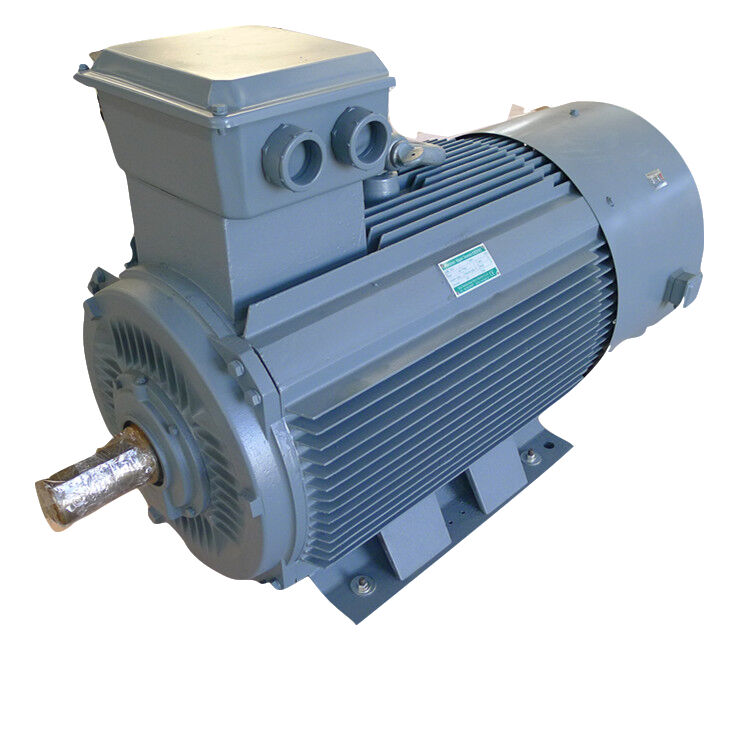
The common mistake is to keep the geared layout because the drawing already exists, then watch the oil, the seals, and the alignment eat the budget. A slow high-torque load magnifies every gear loss, because the reduction ratio is large and the contact stress is high. ENNENG answers this with a Direct Drive Motor built as a low-speed permanent-magnet machine that mounts straight to the shaft. The risk of a seal blow-out disappears once the gearbox leaves the room, and the only rotating joint left is the bearing. A Direct Drive Motor change therefore removes the most fragile item in the drivetrain, which is where the stops came from. A second risk is noise and vibration transmitted through the gear into the foundation, which a direct layout removes at the source. The Direct Drive Motor option also frees the floor space the gearbox aisle used to occupy, which the plant often reclaims for storage.
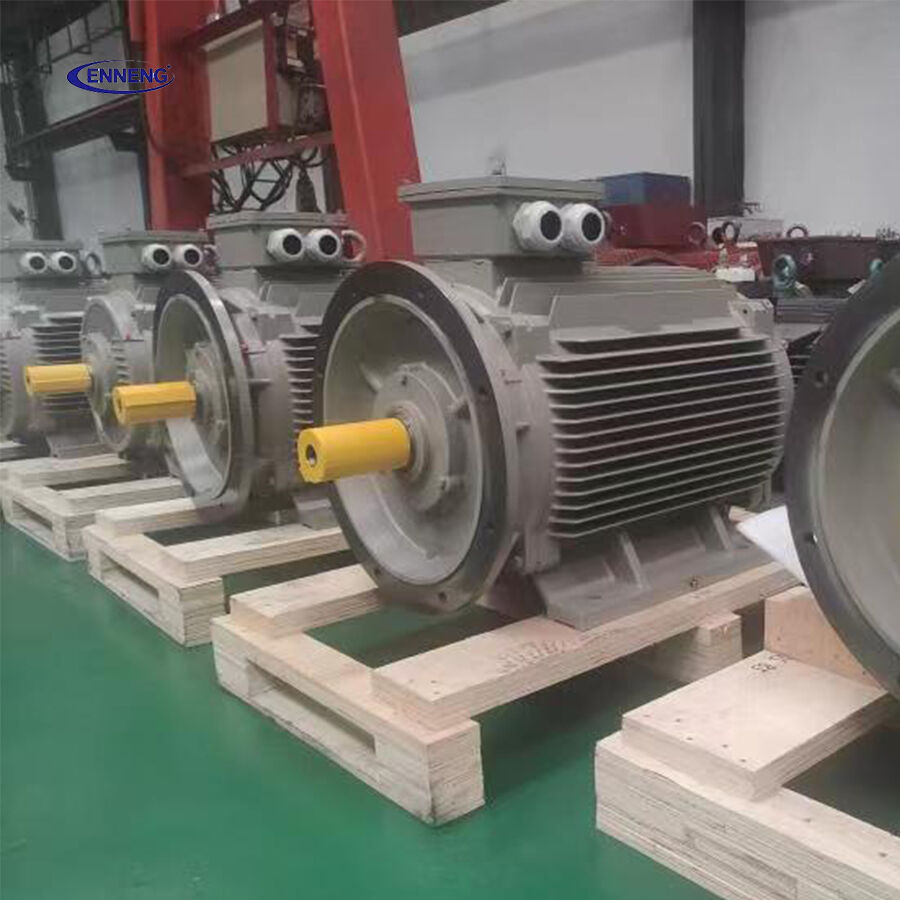
A Direct Drive Motor reaches the needed torque at the rotor speed, so no multiplier sits between the machine and the load. ENNENG low-speed direct-drive permanent-magnet units put the magnetic field at the shaft, which removes transmission loss and the vibration that travels through a gear. In a measured kneader case, the permanent-magnet unit held part-load efficiency above 90 percent while the old geared drive faded below 80 percent at half rating. A Direct Drive Motor also trims the cable and foundation, because the smaller envelope needs less steel. The Direct Drive Motor result is fewer sealed joints and a cooler room, because nothing between the field and the load wastes power. The torque density of a permanent-magnet rotor lets the same frame deliver more shaft pull, so the machine can be both shorter and stronger than the geared unit it replaces.
|
Factor |
Geared induction drive |
ENNENG Direct Drive Motor |
|
Transmission loss |
about 8 percent |
near zero |
|
Oil changes per year |
4 |
0 |
|
Part-load efficiency |
below 80 percent |
above 90 percent |
|
Vibration to load |
high |
low |
|
Footprint |
large |
compact |
The same Direct Drive Motor layout removed the quarterly oil change and the seal stock from the storeroom. A plant that tracks downtime found the mixer available for about 30 extra hours per month once the gear left. A Direct Drive Motor pays back through attendance and oil, not only through electricity, and the gearbox aisle became obsolete. The saved attendance also freed a technician for other lines, which the plant counted as a second gain on the same change. The maintenance storeroom dropped two part numbers, which simplified the spare plan and cleared cage space that had been tied up for years. A Direct Drive Motor therefore reduces both the running cost and the inventory cost at the same time.
Standards frame the gearless choice. IEC 60034-1 covers the performance test that proves a Direct Drive Motor meets its torque claim at low speed. IEC 60034-30-1 sets the IE class, so the permanent-magnet unit carries IE4 or IE5 on the nameplate. ISO 10816 limits vibration, which matters more once the gear no longer damps the shaft. ISO 50001 asks the saving to rest on measured data, which a before-and-after logger supplies. A Direct Drive Motor project should file the test report so finance sees the oil and downtime line, not only the energy line. Buyers who specify a Direct Drive Motor on the torque curve avoid the gear revisit entirely, because the proposal already accounts for the load shape the plant actually runs.
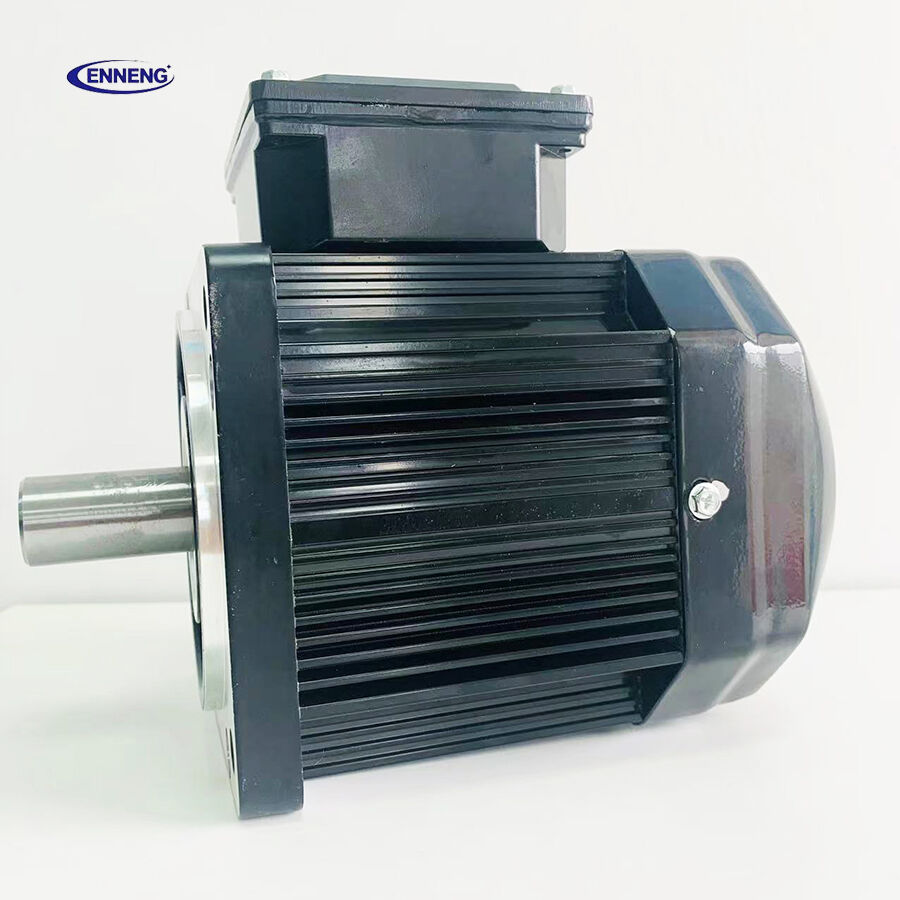
Select a Direct Drive Motor from the torque curve, not the kilowatt nameplate, because a slow high-torque load needs rated torque at low revolutions. Ask ENNENG to size the pole count to the drum or screw speed, and confirm the flange matches the driven machine. A Direct Drive Motor install needs no alignment jig, but it still needs a straight shaft and a clean coupling face. Inspect the bearing temperature weekly for the first month, because a direct machine shows fault through heat faster than a geared one hides it. A Direct Drive Motor quote should name the reduction ratio it removes, so the saving is visible on paper. Keep the torque log with the maintenance plan, and re-check the foundation bolts after the first 200 hours. A Direct Drive Motor keeps the same control setpoints the plant already runs, which shortens the commissioning window to a single shift.
A Direct Drive Motor needs less care than the gear it replaces, but the bearing still wants attention. Grease on the schedule ENNENG prints on the nameplate, and log the temperature trend so a slow rise is caught early. A plant that treats the Direct Drive Motor as a sealed asset usually skips the gearbox aisle for good, because nothing between the field and the load needs a service call. The maintenance plan shortens to one bearing and one coupling, which most crews finish in a single shift without a specialist. After the first 200 hours, re-torque the foundation bolts and confirm the vibration against ISO 10816, then the machine settles into a routine the crew can run without outside help.
A Direct Drive Motor project starts with the torque curve, so send the load speed and the pull requirement to the engineering team. ENNENG returns a framed proposal that mounts straight to the shaft instead of a gearbox drawing.
A: Yes, a Direct Drive Motor removes the gearbox entirely because the permanent-magnet rotor makes full torque at the low speed the load already turns. ENNENG sizes the pole count to the drum or screw, so the shaft couples straight to the machine without a reduction stage. The removal deletes the oil, the seals, and the alignment jig that caused most stops.
A: A Direct Drive Motor saves through three lines at once: the transmission loss of roughly 8 percent, the quarterly oil and seal spend, and the downtime from gear faults. A kneader case recovered about 30 extra run hours per month once the gear left the room. The energy line is real but small; the attendance and oil lines are where most plants see the payback.
A: No, a Direct Drive Motor is easier to install because it mounts straight to the shaft with no alignment jig and no coupling guard to set. ENNENG supplies the flange drawing so the site confirms the pattern before delivery, and the lift needs less clearance than a gearbox plus motor pair. The only care is a straight shaft and a clean coupling face at fit-up.


 EN