
how-direct-drive-motor-eliminates-intermediate-gearbox-loss-for-heavyduty-mechanical-equipment, how-direct-drive-motor-eliminates-intermediate-gearbox-loss-for-heavyduty-mechanical-equipment, /blog
EN

2026/10/09
Heavy-duty industrial machinery such as ball mills, belt conveyors, rotary kilns, and cooling tower fans require high-torque, low-speed rotational power to operate continuous production processes. In a mineral processing plant operating four large grinding ball mills, high-speed induction motors connected to multi-stage planetary gearboxes suffered frequent mechanical breakdowns. Diagnostic maintenance audits revealed that the gear reducers consumed 9.4 percent of total electrical input power through gear-mesh friction, bearing drag, and oil churning, while persistent shaft seal leaks caused severe oil contamination and unplanned mill stoppages. Transitioning the grinding mills to a low-speed, high-torque Direct Drive Motor architecture eliminated mechanical gearboxes and intermediate couplings entirely, immediately boosting system efficiency and restoring continuous plant availability. Industrial facilities cannot afford mechanical transmission bottlenecks that inflate energy consumption and jeopardize production uptime.
|
Drivetrain Component |
Traditional Geared System |
ENNENG Direct Drive Motor System |
|
Mechanical Transmission Efficiency |
82% - 91% (Multi-Stage Reducer) |
100% (Gearless Direct Shaft Lock) |
|
Lubrication Oil Volume |
50 to 300 Liters Lubricant |
Zero Liters (Completely Oil-Free) |
|
Routine Maintenance Demand |
Frequent Oil Flushes & Seal Swaps |
Minimal (Periodic Grease Check Only) |
|
Dynamic Backlash & Mechanical Play |
High (Gear Tooth Clearance) |
Absolute Zero Backlash |
Conventional industrial drivetrains utilize high-speed electric motors operating between 1000 and 1800 RPM, relying on intermediate speed-reducing gearboxes to step down rotational speed and multiply output torque. While gear reducers achieve speed conversion, they introduce substantial parasitic drag. Tooth-to-tooth sliding friction, bearing preload resistance, and viscous lubricant churning dissipate valuable kilowatt-hours into wasted heat. Over operating lifespans, gear tooth wear, pitting, and backlash degradation steadily erode mechanical transfer efficiency. A Direct Drive Motor connects directly to the driven machine shaft, converting electrical power into low-speed, high-torque rotational thrust without intermediate mechanical linkages.
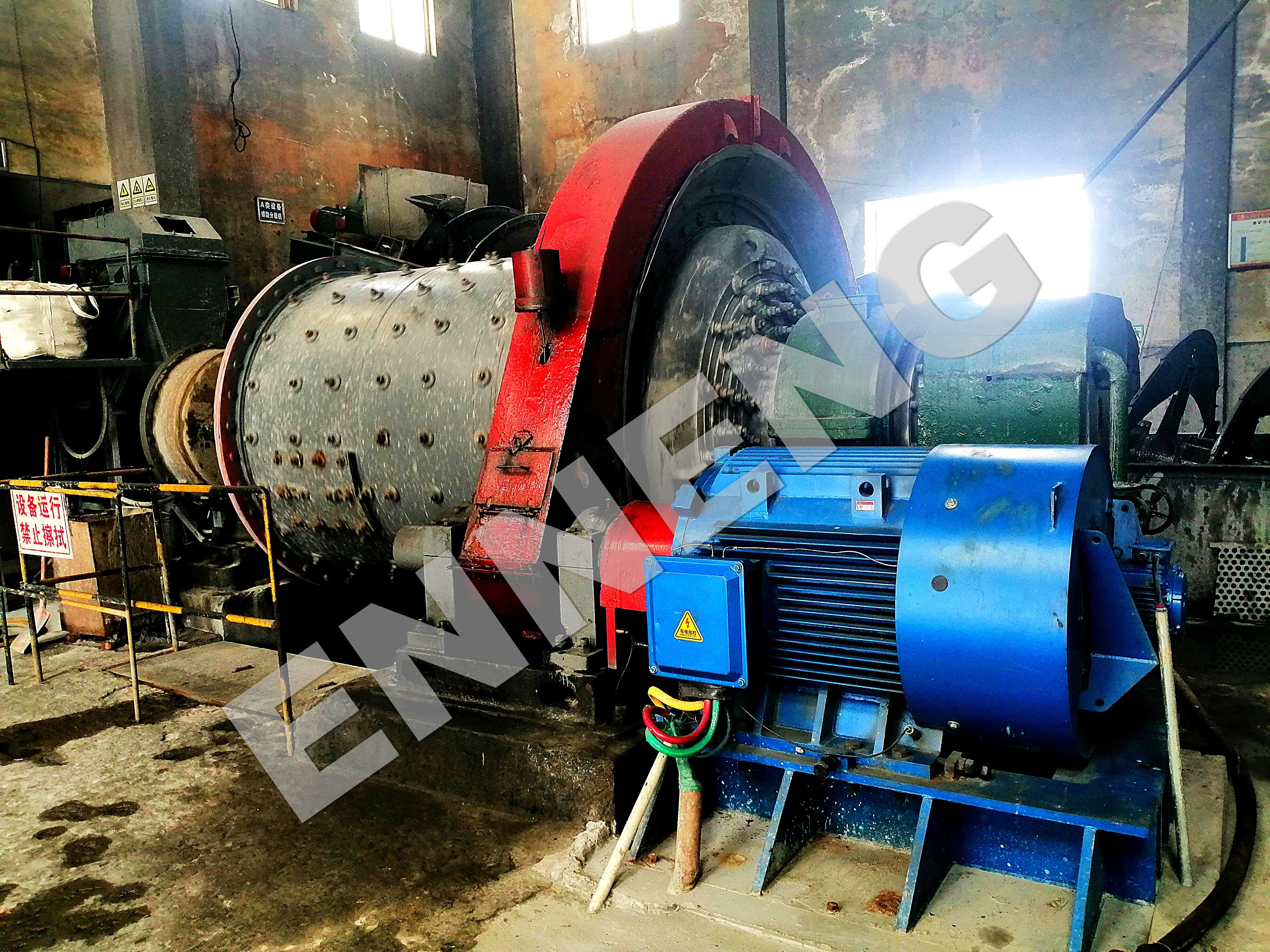
Every gear stage inside a mechanical speed reducer introduces measurable energy losses. A single-stage helical gearbox sacrifices 2 to 4 percent efficiency, while two-stage or planetary gearboxes routinely waste 6 to 12 percent of total shaft energy. In low-temperature operating environments, thick synthetic gear oil generates substantial viscous drag, elevating starting power demands. A Direct Drive Motor eliminates gear stages, shafts, and fluid couplings, enabling every kilowatt drawn from plant switchgear to transmit directly into productive mechanical work.
Heavy industrial environments subject gearboxes to severe vibration, thermal expansion, and abrasive airborne particulate contamination. High-speed input and output shaft lip seals deteriorate rapidly, allowing synthetic lubricants to leak onto factory floors and wash into process water drainage circuits. Lubricant leakage starves gear teeth of lubrication, causing catastrophic gear tooth stripping and bearing seizure. Implementing a Direct Drive Motor eliminates liquid gear oils entirely, creating a clean operating environment and eradicating environmental oil disposal liabilities.
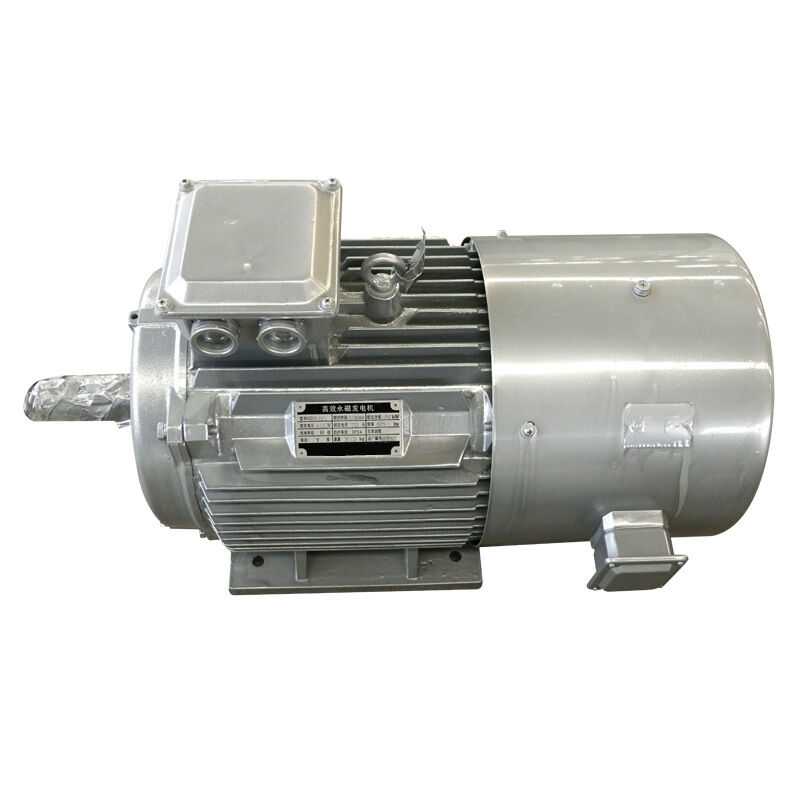
Mechanical gear trains inherently incorporate gear tooth clearances (backlash) to prevent binding under thermal expansion. In reversing, positioning, or dynamic-load machinery, backlash produces severe mechanical shock and tooth impact during speed reversals. Furthermore, long intermediate driveshafts introduce torsional compliance that degrades dynamic motion control. A Direct Drive Motor provides a rigid, direct electromechanical connection with zero mechanical backlash, delivering instantaneous dynamic response and precision speed synchronization.
Eliminating mechanical reducers requires specialized electrical machinery capable of producing massive continuous torque at low rotational velocities. ENNENG manufactures advanced low-speed, high-torque permanent magnet synchronous direct-drive systems developed specifically for heavy industrial applications. Installing an ENNENG Direct Drive Motor elevates system operating efficiency by 8 to 25 percent while dramatically reducing plant maintenance overhead.
|
Operational Characteristic |
Conventional Geared Induction |
ENNENG Direct Drive System |
|
System Operating Efficiency |
76% - 84% Total Drivetrain |
Up to 96.5% Direct-Drive System |
|
Unified Industrial Power Range |
Fragmented Custom Envelopes |
5kW to 5MW Full Platform Coverage |
|
Operational Voltage Adaptability |
380V - 440V Rigid Ratings |
110V to 690V Unified Versatility |
|
Acoustic Sound Pressure Level |
High Mechanical Whining (Gear Mesh) |
Ultra-Low Smooth Electromagnetic Hum |
ENNENG direct-drive technology covers broad industrial capacities from 5kW up to 5MW, with complete voltage versatility spanning 110V to 690V. Utilizing high-grade rare-earth neodymium iron boron magnets, ENNENG direct-drive motors achieve exceptional torque density, allowing compact motor carcasses to replace bulky motor-and-gearbox assemblies.
Standard industrial motors incorporate 2, 4, or 6 magnetic poles, requiring high rotational RPM to generate power. ENNENG direct-drive motors utilize multi-pole stator designs featuring 20 to 60 or more magnetic poles. This high-pole density enables the Direct Drive Motor to deliver immense continuous torque at low rotational speeds spanning 10 to 300 RPM without requiring mechanical gear reduction.
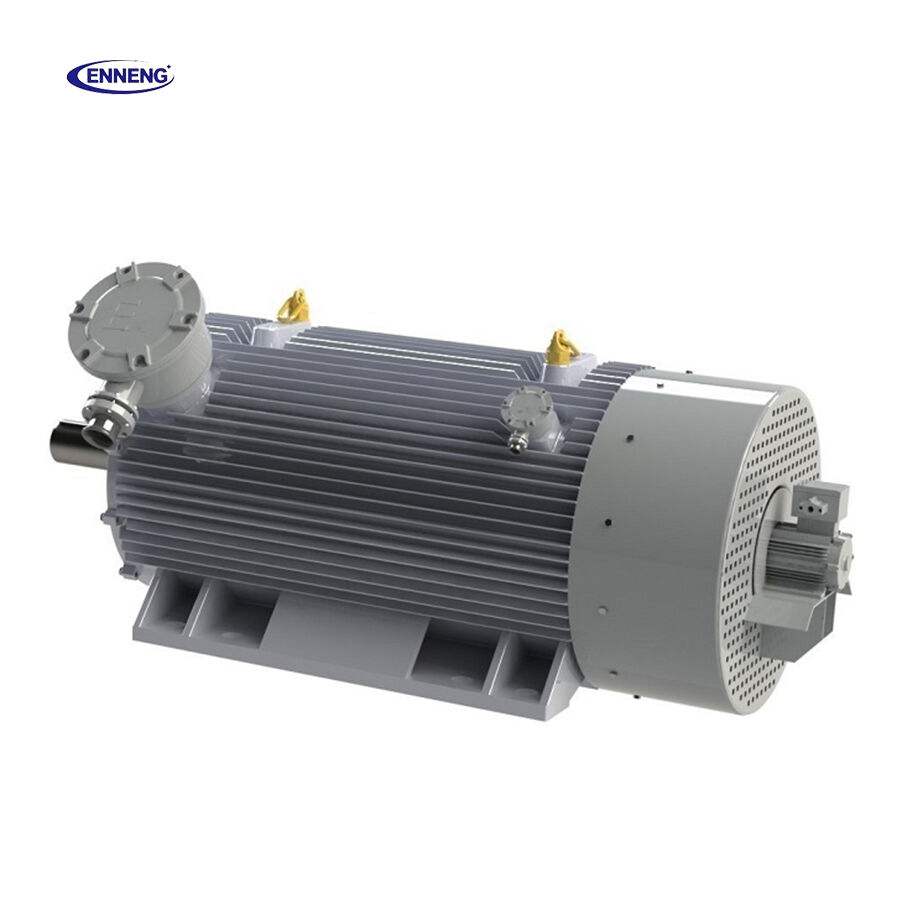
Operating directly in harsh industrial atmospheres requires robust mechanical construction. ENNENG direct-drive motors feature heavy-duty fabricated steel or cast iron casings with ingress protection ratings ranging from IP55 to IP68. Dual non-contact labyrinth bearing isolators protect heavy-duty spherical roller bearings from particulate contamination and moisture ingress, ensuring decades of reliable service in abrasive environments.
Industrial machinery modernization and gearless drive integration are governed by strict international engineering codes. Motor electrical ratings, temperature rise limits, and insulation endurance must conform to IEC 60034-1 specifications.
Drivetrain mechanical vibration severity thresholds are governed by ISO 10816-3 and ISO 20816-3. A direct-drive Direct Drive Motor easily complies with Zone A vibration criteria, maintaining vibration velocities well below 1.4 mm/s RMS across its operating speed range. Electrical installation safety, branch circuit conductor sizing, and disconnect switchgear must comply with NFPA 70 National Electrical Code rules. Furthermore, OSHA 1910 Subpart O standards governing mechanical power-transmission apparatus highlight the occupational safety benefits of eliminating high-speed rotating shafts, couplings, and pinch points, removing major mechanical entanglement hazards for maintenance personnel.
Transitioning industrial machinery from geared drivetrains to direct-drive permanent magnet motors requires methodical mechanical planning and disciplined execution.
Never size a direct-drive motor based solely on legacy induction motor horsepower ratings. Calculate the exact continuous running torque, breakaway starting torque, and peak overload torque required directly at the driven machine shaft. Direct-drive motors utilize custom-machined hollow-shaft shrink-disc connections or heavy-duty flanged shaft interfaces to lock directly onto the driven equipment shaft without keys or flexible couplings.
Because low-speed direct-drive motors produce immense torque, reaction forces transmitted into mounting foundations are substantial. Inspect existing structural steel baseplates to verify dynamic stiffness and confirm that structural deflection remains under 0.5 mm under peak torque conditions. Perform a structural resonance analysis to ensure foundation natural frequencies avoid coincidence with motor rotational and pole-pass frequencies.
Direct-drive permanent magnet motors must operate through dedicated variable frequency controllers featuring permanent magnet field-oriented vector control. Program the drive controller with motor electrical parameters and tune current loop gains to guarantee smooth, ripple-free torque delivery at low speeds. Establish routine maintenance schedules limited to quarterly vibration spectral analysis and periodic bearing grease replenishment, freeing maintenance personnel from messy oil changes and laser alignments.
To review direct-drive motor configurations and engineering drawings, explore the ENNENG Products Catalog and review systems via ENNENG Drive Solutions.
For technical inquiries regarding direct-drive conversions and gearless drivetrain engineering, contact ENNENG:
A: A Direct Drive Motor utilizes advanced rare-earth permanent magnets and a high-pole-count stator architecture. By distributing magnetic flux across 20 to 60 or more magnetic poles within an enlarged rotor diameter, the motor develops massive continuous electromagnetic torque, driving low-speed machinery directly without mechanical multiplication.
A: Yes. Mechanical gearboxes require recurring lubricating oil changes, seal replacements, gear tooth wear inspections, and precise shaft alignment. A Direct Drive Motor eliminates gear reducers, fluid couplings, and belts entirely, reducing drivetrain maintenance to simple periodic bearing lubrication checks and eliminating oil disposal costs.
A: Removing intermediate gearboxes dramatically improves dynamic speed control. Without mechanical backlash, gear tooth flexure, and driveshafts compliance, the Direct Drive Motor provides a rigid electromechanical connection that responds instantaneously to inverter speed commands, delivering precision velocity and torque stability.


 EN