
how-direct-drive-motor-helps-industrial-users-cut-down-gearbox-related-maintenance-work, how-direct-drive-motor-helps-industrial-users-cut-down-gearbox-related-maintenance-work, /blog
EN

2026/09/14
Plant teams spend a surprising share of their week on the gearbox rather than the machine it serves. Oil checks, alignment, and seal leaks are routine until they are not, and a Direct Drive Motor removes most of that work by deleting the gear stage entirely. One food plant tracked its line stops and found the geared conveyors accounted for nearly half the drive-related calls, most of them lubrication or coupling faults that a Direct Drive Motor design simply does not have.
The plant ran large ventilation fans on right-angle gearboxes that needed oil changes every quarter and alignment after each belt swap. One unit developed a seal leak that went unnoticed, and by the time the bearing failed the line lost a full weekend of production. After replacing the section with a Direct Drive Motor, the same fans needed no oil, no coupling, and no alignment, and the maintenance lead reported the call-outs dropped to near zero. The Direct Drive Motor turned a recurring emergency into a non-event, which is what the crew valued most.
A gearbox asks the plant to do work the motor never asked for: sample oil, read vibration, set backlash, and re-align after thermal movement. Each task is small, but across dozens of units the hours add up, and the Direct Drive Motor removes the tasks at the source. Seals age and leak, gears pit, and lubricants pick up water, so the inspection list grows with the machine count. By removing the stage, the Direct Drive Motor also removes the skilled labor those jobs require, which matters when the maintenance staff is already stretched across the site.
The saving is not only fewer hours; it is fewer kinds of failure to plan around. A Direct Drive Motor concentrates the rotating risk in one well-instrumented unit instead of spreading it through a gear train.
The gear stage carries the lubrication program, the alignment checks, and the wear parts that a Direct Drive Motor avoids by design. Without oil, there is no sample to take, no sump to watch, and no leak to clean before it reaches the product. Without a coupling, there is no alignment to set after a belt change or a thermal shift. The Direct Drive Motor therefore deletes whole rows from the planned maintenance schedule, and the crew spends that time on the assets that still need attention.
A geared drive can fail at the motor, the coupling, the bearings, the gears, or the seals, and each mode needs its own detection method. A Direct Drive Motor narrows that list to the motor and its mount, so condition monitoring gets simpler and cheaper. Fewer parts also means fewer hidden faults that surface only during a stop, which is when they cost the most. The Direct Drive Motor lets the plant watch one temperature and one vibration path instead of five, and that focus improves the odds of catching the real problem early.
Reliability codes point plants toward monitoring what matters and removing avoidable failure sources. A Direct Drive Motor fits that thinking because it cuts the items the standards ask teams to track.
ISO 10816 sets vibration limits for machines and tells teams how to measure and judge what they see. A Direct Drive Motor has fewer rotating parts, so the vibration path is short and the limit is easier to hold and read. With no gear mesh in the signal, the plant can spot a motor fault without filtering out gear noise first. The Direct Drive Motor thus makes the ISO 10816 check more useful, because the reading reflects the one machine that matters instead of a train of them.
IEC 60034 covers motor rating and duty, so a Direct Drive Motor specified to the real load runs inside its limits and stays reliable. Without a gear to overload the motor during a stall, the drive sees a cleaner torque profile, and the winding stays cooler. The plant that sizes the Direct Drive Motor to the duty, not to the gear ratio, gets a unit that meets IEC 60034 without margin eaten by a reduction stage. The standard and the simpler drive reinforce each other in daily operation.
The gain sticks only when the maintenance plan is rewritten for the simpler machine. A Direct Drive Motor changes the routine, and the plant should adopt the new checklist rather than keep the old one out of habit.
Drop the oil, seal, and alignment lines, and keep temperature, vibration, and mount checks for the Direct Drive Motor. Set the interval from the motor maker's data and the site duty, not from the old gearbox calendar. A thermal scan at each planned stop catches a bearing before it fails, and a monthly vibration read against ISO 10816 shows drift early. The Direct Drive Motor needs less, but the less it needs should be done on time, because a missed check on a simpler drive still ends in a stop.
Train the crew to swap the Direct Drive Motor as a unit instead of stripping a gearbox on the floor, which shortens the call and needs less special skill. Hold a small buffer of motors centrally rather than a wall of gear parts, and label the swap procedure clearly so any shift can do it. A Direct Drive Motor with good records lets the planner size the buffer from real field data, not from a catalog guess. The result is faster recovery and a lighter storeroom, which the Direct Drive Motor delivers by removing the parts that used to break.
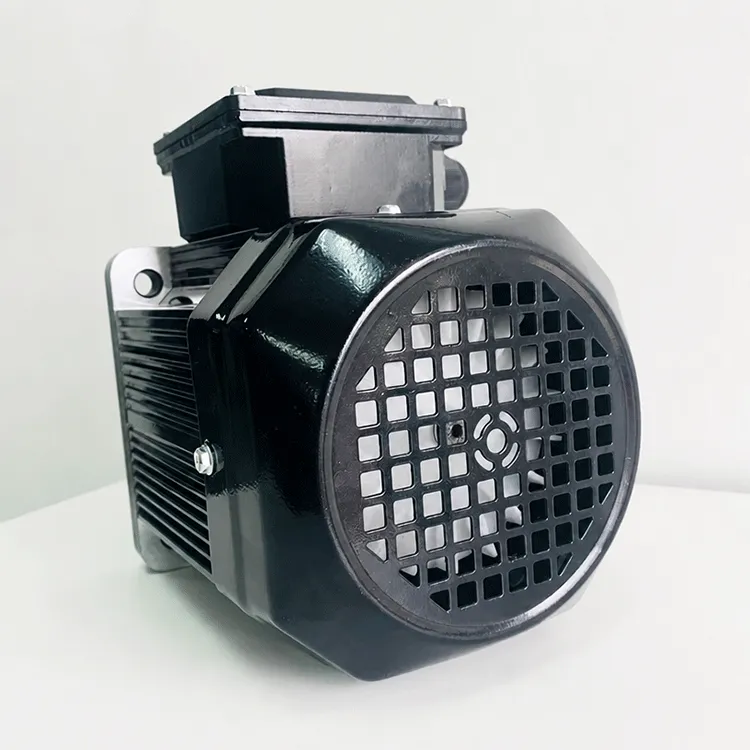
A Direct Drive Motor removes the gear stage, so the plant no longer samples oil, sets alignment, or watches gear wear and seals. Those tasks disappear from the schedule, and the crew spends the hours on assets that still need care. With no gear mesh, there are fewer failure modes to monitor, so condition checks get simpler and cheaper. The Direct Drive Motor deletes whole rows of planned work at the source instead of shifting them to a shorter interval.
A Direct Drive Motor has fewer wearing parts, so there is less to inspect, lubricate, and replace over the life of the drive. No oil program, no coupling alignment, and no gear teardown means the planned work shrinks to temperature, vibration, and mount checks. Skilled labor for gear work is no longer needed on that asset, which helps when the maintenance staff is thin.
ISO 10816 sets vibration limits and measurement methods for machines, giving teams a clear line between acceptable and alarming. A Direct Drive Motor has a short, clean vibration path with no gear noise to filter, so the reading reflects the motor itself. The plant can judge the unit against the limit without separating gear mesh from motor fault. That makes the ISO 10816 check more useful, and the Direct Drive Motor is what lets the reading stay simple.
Drop the oil, seal, and alignment lines and keep temperature, vibration, and mount checks for the Direct Drive Motor. Set the interval from the maker data and site duty, not the old gearbox calendar. A thermal scan at each stop and a monthly vibration read catch trouble early. The Direct Drive Motor needs less, but the less it needs must be done on time, because a missed check on a simpler drive still ends in an unplanned stop.
Without a gear to overload the motor during a stall, the Direct Drive Motor often sees a cleaner torque profile and runs cooler, which protects the winding. The risk shifts to sizing: the motor must match the real load, not a ratio chosen for the gear. Specified to IEC 60034 and cooled for the duty, the Direct Drive Motor is reliable, and the plant removes a whole class of gear failures while keeping one well-understood machine to watch.
Hold a small buffer of Direct Drive Motor units centrally rather than a wall of gear parts, and label a clear swap procedure so any shift can act. Keep the mount and sensor as the only extras, since the motor itself is exchanged as a unit. Good records let the planner size the buffer from field data instead of a catalog guess.


 EN