
how-direct-drive-motor-helps-original-equipment-manufacturers-simplify-product-assembly-workflow, how-direct-drive-motor-helps-original-equipment-manufacturers-simplify-product-assembly-workflow, /blog
EN

2026/10/16
On industrial machinery assembly floors building automated packaging lines, rotary indexing tables, and heavy-duty material mixers, mechanical fitters spend countless production hours shimming reduction gearboxes, aligning intermediate couplings, tensioning drive belts, and fabricating protective safety guards. Original equipment manufacturers (OEMs) frequently face shipment bottlenecks when multi-vendor transmission sub-assemblies arrive with conflicting shaft tolerances, requiring manual machining rework on the shop floor. Every extra mechanical component bolted between the prime mover and the driven load multiplies procurement part numbers, extends final machine assembly cycle times, and increases pre-shipment quality inspection failures.
Conventional machine design relies on high-speed motors paired with multi-stage speed reducers, plummer block bearings, and flexible couplings to achieve the low-speed torque required by industrial working shafts. Assembling and aligning these multi-link drivetrains demands skilled millwright labor and inflates the structural footprint of the finished OEM equipment. Integrating a purpose-engineered Direct Drive Motor from ENNENG eliminates intermediate mechanical transmission hardware entirely, allowing OEMs to couple the rotor straight to the payload shaft and radically streamline their product assembly workflow.
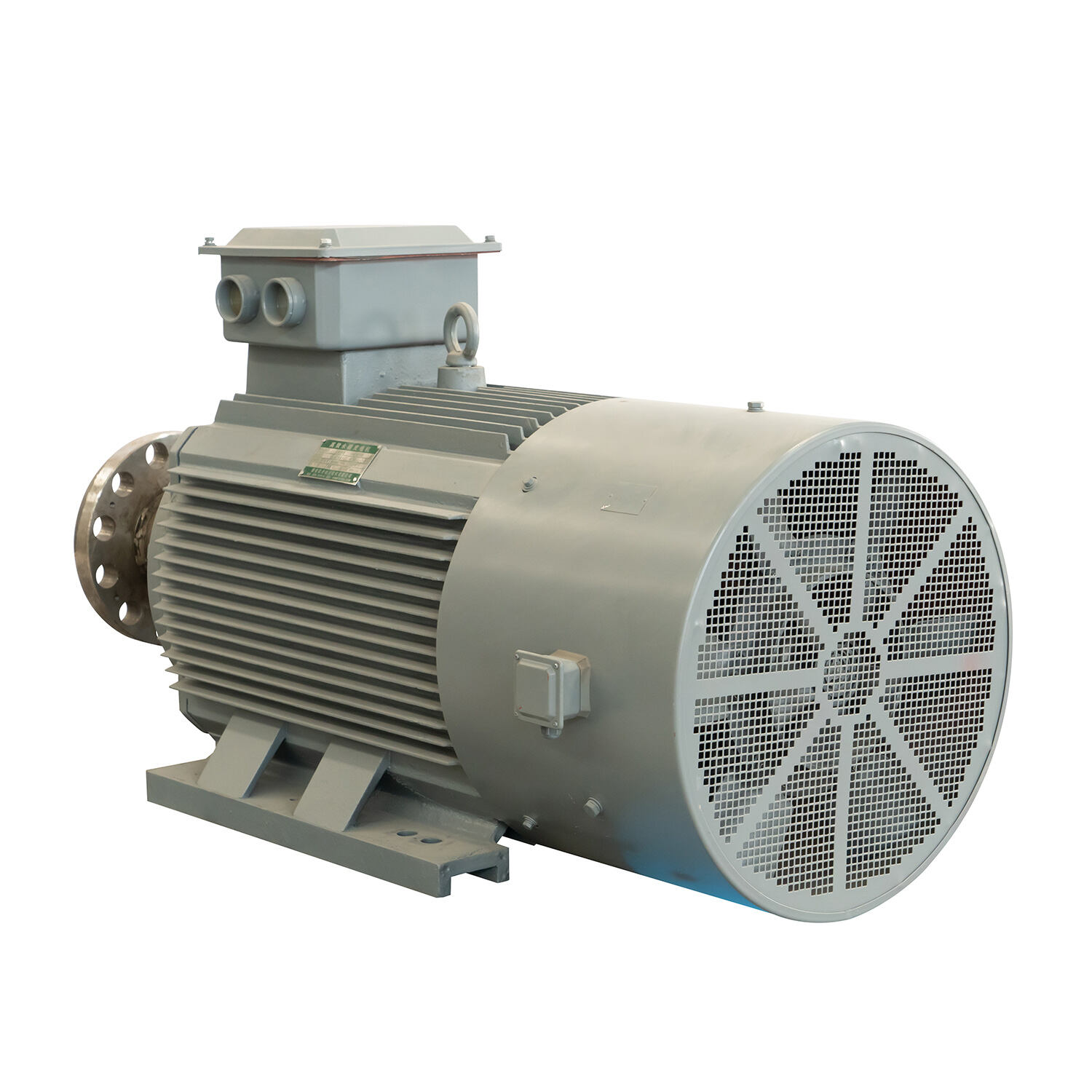
When an OEM machine builder designs a low-speed industrial drive using a conventional four-pole asynchronous motor, the mechanical Bill of Materials (BOM) rapidly expands to include a reduction gearbox, motor-to-reducer input coupling, reducer-to-load output coupling, torque arm or transition bracket, lubrication piping, and OSHA-compliant belt or shaft enclosures. During shop-floor assembly, technicians must perform precision dial-indicator or laser alignment across multiple rotating axes; even a 0.05 mm angular or parallel offset induces premature bearing load and vibration alarms during factory acceptance testing (FAT).
An ENNENG Direct Drive Motor compresses a multi-stage mechanical transmission into a single, pre-aligned electromagnetic unit that bolts directly onto the OEM machine frame:
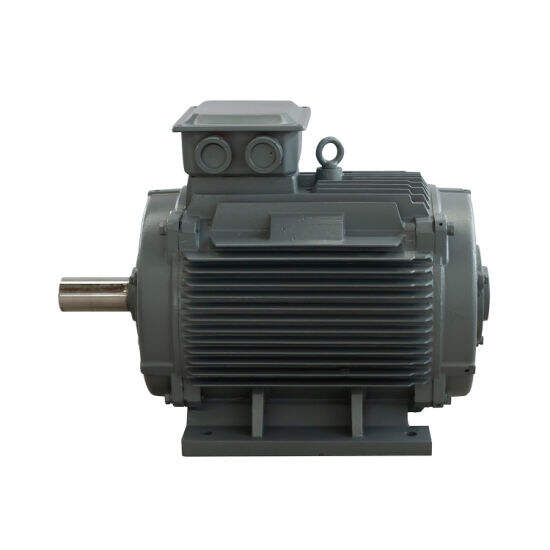
Export-oriented OEMs must build machinery capable of operating across diverse international factory power grids without redesigning the mechanical drivetrain for 50Hz or 60Hz line frequencies. Engineered across a unified voltage range of 110V–690V, an ENNENG Direct Drive Motor pairs with standard variable frequency drives to deliver identical speed-torque curves anywhere in the world. Furthermore, eliminating rotor copper losses keeps motor operating temperatures low and reduces current draw, allowing OEMs to install smaller electrical control cabinets. Alongside OEM industrial propulsion drives, ENNENG applies this direct-coupled permanent magnet engineering to industrial generators across a unified 5kW–5MW power range (110V–690V) and vertical axis wind turbines spanning 1kW–10kW, with a main focus on 3kW, 5kW, and 10kW models.
Standardizing OEM assembly workflows requires strict dimensional repeatability and vibration compliance. Every ENNENG Direct Drive Motor is machined in accordance with IEC 60072-1 mounting flange and shaft concentricity tolerances (N, M, and P register dimensions) and ISO 2768 precision machining standards, ensuring effortless drop-in interchangeability across serial production batches. Because zero-stage coaxial coupling eliminates gear-mesh frequencies and coupling unbalance, assembled OEM machines pass ISO 10816-3 factory acceptance vibration testing on the first run while automatically satisfying ISO 13857 machine guarding safety rules by removing exposed belts and rotating intermediate shafts.
In commercial tire building drums, twin-screw food extruders, and heavy palletizing turntables, OEMs previously spent days aligning right-angle bevel reducers and calibrating gear backlash. Switching to an ENNENG flange-mounted Direct Drive Motor cuts drivetrain sub-assembly time by over 60% while delivering zero-backlash angular positioning accuracy.
To maximize assembly efficiency and machine reliability when integrating a Direct Drive Motor into OEM equipment designs, implement these engineering protocols:
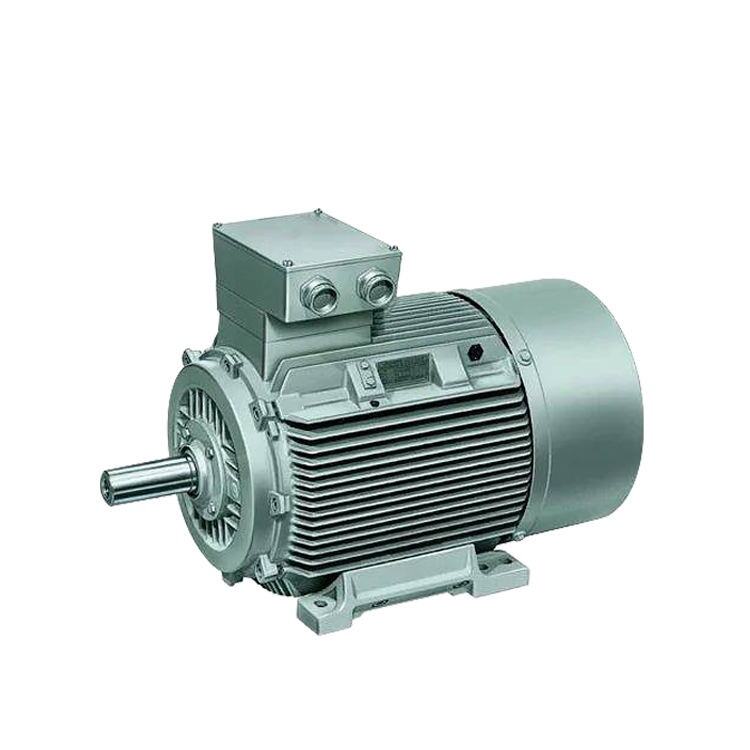
OEM machinery designers frequently require non-standard form factors to differentiate their equipment in competitive global markets. ENNENG collaborates directly with OEM R&D departments to custom-engineer each Direct Drive Motor—tailoring stator outer diameters, through-bore hollow shaft diameters, integrated rotary encoders, and voltage windings across the unified 110V–690V range for seamless mechanical integration.
Contact ENNENG Today.
Consult the ENNENG OEM engineering team to streamline your machine drivetrain architecture and receive a customised Direct Drive Motor prototype proposal.
A: Traditional drivetrains require millwrights to mount a motor, gearbox, two couplings, and safety guards, followed by hours of precision shaft alignment. An ENNENG Direct Drive Motor couples directly to the driven load shaft via a pilot flange or hollow-shaft shrink disc, eliminating intermediate transmission parts and cutting mechanical assembly time by more than half.
A: Yes, eliminating reduction gearboxes, V-belts, sheaves, and fluid couplings removes dozens of wear-prone SKU numbers from the OEM spare-parts catalog. Because an ENNENG Direct Drive Motor operates without gear oil sumps or rubbing transmission links, OEMs experience fewer field service claims and provide end-users with a virtually maintenance-free machine.
A: ENNENG manufactures its Direct Drive Motor series and rotating electrical equipment across a unified voltage range of 110V–690V so OEMs can ship standardized machines to 50Hz and 60Hz regions worldwide. For power generation OEMs, ENNENG supplies permanent magnet generators rated from 5kW–5MW and vertical axis wind turbines spanning 1kW–10kW


 EN