
how-direct-drive-motor-improves-running-stability-of-lowspeed-heavyduty-mechanical-equipment, how-direct-drive-motor-improves-running-stability-of-lowspeed-heavyduty-mechanical-equipment, /blog
EN

2026/09/09
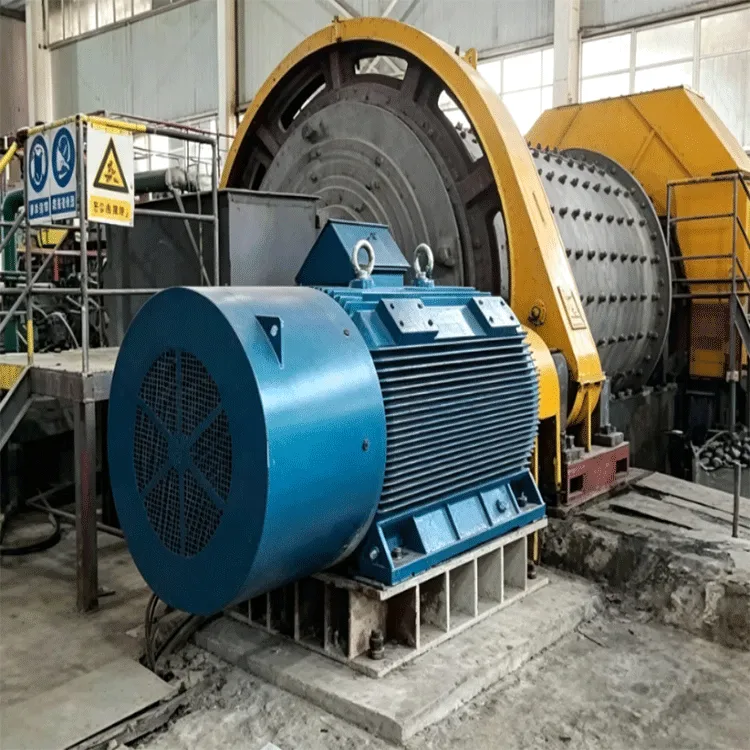
A cement plant in Henan ran a 4.8-meter kiln on a geared drive with a 60-ratio reduction. The gearbox bearings wore, the mesh hum rose, and the support rollers developed a visible wobble that the crew could feel through the floor. After a stoppage that cost a weekend of clinker, the plant fitted a direct drive motor on the kiln tyre, bolted straight to the shaft with no reduction. The hum dropped, the wobble settled, and the unplanned stop faded from the log. The case shows that at low speed and high torque, the gearbox is often the weakest link, not the motor that feeds it.
The failure started as a warm bearing that the weekly round noted but waved off. By the time the mesh threw a tooth, the kiln had already run a month with rising vibration that the product quality began to reflect. A direct drive motor removes that failure chain, because there is no mesh to throw and no bearing set sized for the speed step that breaks first on the line.
A geared drive carries the torque across a speed step, and every tooth contact adds a small shock the shaft feels as ripple. At low speed those shocks line up with the structure and build a resonance the floor absorbs. A direct drive motor puts torque straight into the shaft at rotation speed, so the shock train disappears and the heavy drum turns as one calm mass at the plant.
The stability comes from removing the parts that convert speed. No mesh means no shock, no oil means no film that thins under load, and no coupling means no slack that lets the load lead the motor. A direct drive motor is the short path from current to torque. The direct drive motor keeps that path short and calm, which is why the heavy shaft stays steady instead of wandering under the load.
The machine winds the low-speed, high-pole motor so its natural speed matches the drum, so no reduction sits between the field and the load. A direct drive motor delivers full torque at the rotation speed, not through a step that steals a point of efficiency and adds a fault. The load feels a single steady push instead of a train of gear impacts through the day.
Heavy drums must hold position during a feed pause without a brake that slips or a valve that leaks. A direct drive motor holds rated torque at zero speed because the field locks the rotor, so the kiln stays put without drift. That holding torque at zero is why the drum index is repeatable, which protects the lining and the product on the floor of the plant.
Low-speed heavy drives sit close to people and to structures that amplify a fault, so the codes matter more than on a small skid. Designing the mounting and the guard to the standards keeps the gain without a new hazard. A direct drive motor should be commissioned against the same vibration and lockout rules as any rotating equipment at the site.
ISO 10816 sets vibration zones for machines by size and speed, and a direct drive motor is judged on the same scale as the kiln it turns. Keeping the reading in zone A or B proves the mount is right and the load is balanced. The standard gives the plant a number to trend, so a creeping rise shows before the floor feels it again on the shift.
OSHA 1910.147 requires isolation and lockout before any work near the shaft, and ANSI B11 covers the machine guarding that keeps hands out of the pinch. A direct drive motor still spins a heavy mass, so the guard and the lockout plan travel with the install. Enneng Motor supplies the guard outline so the plant fits the fence before the first run of the unit.
The motor is simpler, but the shaft it drives is not, so the care moves to alignment, bearing, and cooling. A direct drive motor rewards a clean install with years of quiet service, and the direct drive motor pays back the care in steady output the geared train could not hold. It punishes a sloppy one with the same vibration it was meant to remove from the line.
Bolt the motor true to the shaft and re-check after the first thermal cycle, because a heavy drum grows as it warms and can pull the frame out. A direct drive motor has no coupling to hide a miss, so the alignment shows in the vibration trend at once. Spend the hour on the dial gauge; it buys the quiet year on the floor.
Watch the bearing temperature and the cooling flow, because the motor carries the full load with no gear to share it. A direct drive motor runs cool when the path is clear, so a rising bearing number is the early flag, not the failure. The direct drive motor spreads the load across the full frame, so no single tooth takes the hit a geared set would. Enneng Motor logs the test point so the plant trends against the original and catches drift before the shut on the line.
Answer: At low speed and high torque the gearbox is the weak link, with a mesh that throws a tooth and bearings that wear under the speed step. A direct drive motor removes the reduction, so torque goes straight to the shaft at rotation speed. The load turns as one calm mass, and the floor stops feeling the gear shock at the plant.
Answer: No, it raises it. The mesh and the oil film each take a point of loss, and a direct drive motor delivers torque without that step. The gain is small per hour but large over a year of continuous running, because the heavy drum turns the same revolutions with less heat in the train on the line.
Answer: The permanent field locks the rotor, so a direct drive motor holds rated torque at zero speed without a brake that can slip. That keeps the drum indexed during a feed pause and protects the lining. The holding torque at zero is why the repeat is tight, which the product quality on the floor reflects every shift.
Answer: ISO 10816 defines the vibration zones by machine size and speed, and the direct drive motor is judged on the same scale as the kiln. Keep the reading in zone A or B to prove the mount is true. Enneng Motor ships the guard outline so the plant fits the fence per OSHA 1910.147 and ANSI B11 before the run.
Answer: The gear oil and the mesh checks go away, and the care moves to alignment, bearing, and cooling. A direct drive motor shows a miss in the vibration trend at once, with no coupling to hide it. Watch the bearing temperature and the cooling flow, because the motor carries the full load with no gear to share it on the site.
Answer: Yes, because there is no flexible coupling to absorb a small error. A direct drive motor must be bolted true and re-checked after the first thermal cycle of the drum. Spend the hour on alignment; it decides whether the plant gets the quiet year the design promised, or a repeat of the old wobble on the floor.


 EN