
 EN

How Direct Drive Motor Optimizes Mechanical Transmission Chain Layout for New-Generation Industrial Machinery
For an equipment designer, a Direct Drive Motor is not simply a motor substitution. It is a layout decision. Instead of asking how to fit a motor, gearbox, coupling, belt, or chain stage into a machine frame, the team starts with the load and asks whether the motor can produce the required torque and motion directly at that interface. That change can shorten the mechanical transmission chain, but it also moves more responsibility into motor selection, mounting, and control design.
In practical machinery development, the most useful way to assess a Direct Drive Motor is to map what disappears, what stays, and what becomes more important. A direct-coupled design may remove a reduction stage, but it does not remove the need to manage inertia, radial loading, thermal conditions, or service access. Well, more precisely, it replaces familiar transmission checks with a different set of system-level checks.
Start with the transmission chain, not the motor catalog
A conventional motion path often looks like this: motor, coupling or pulley, speed-reduction stage, shaft, and load. Each interface occupies space and brings its own alignment, lubrication, tensioning, backlash, or wear considerations. A Direct Drive Motor places motor torque directly at the load-side shaft or rotary element, so the engineer can reconsider the sequence rather than merely shrink individual components.
This distinction matters because direct drive is an architecture, not one fixed motor construction. A permanent-magnet synchronous machine, torque motor, or other suitable motor design can be used in a direct-coupled system when its speed and torque envelope matches the duty. A Gearless Motor is therefore useful language when the reduction stage has genuinely been removed, but it should not be treated as proof that all mechanical problems have been solved.
The practical shift is from designing a chain of ratios to designing one motor-load interface. That usually makes the first layout review more productive: draw the load axis, identify the torque path, locate bearings and support members, then establish where the motor can be mounted without creating an awkward service or cable-routing problem.
Which components can a Direct Drive Motor remove?
Where the required output speed and torque allow it, a Direct Drive Motor can eliminate intermediate elements such as a gearbox, belt and pulley pair, chain and sprockets, or flexible coupling. The benefit is not an automatic promise of lower cost. The immediate gain is a simpler torque path with fewer interfaces to align and maintain.
- Gear stages: Removing a gearbox can reduce backlash, lubricant-related service work, and the volume needed for ratio reduction.
- Belt or chain stages: Removing these stages can eliminate tension adjustment, wrap-angle constraints, and periodic replacement for that stage.
- Couplings: Direct integration may eliminate a separate coupling, although the mechanical design still needs to accommodate assembly tolerances and thermal movement.
- Extra shafts and supports: Fewer transmission elements can reduce the number of housings, guards, and intermediate bearing locations.
There is a useful caution here. A Gearless Motor architecture does not mean every part becomes smaller. Low-speed, high-torque operation can require a motor with meaningful diameter, and the surrounding structure must carry the motor and load reactions. The correct comparison is the complete machine envelope, including guards, service clearance, and the control cabinet, rather than the length of the motor alone.
Rebuild the layout around the load axis
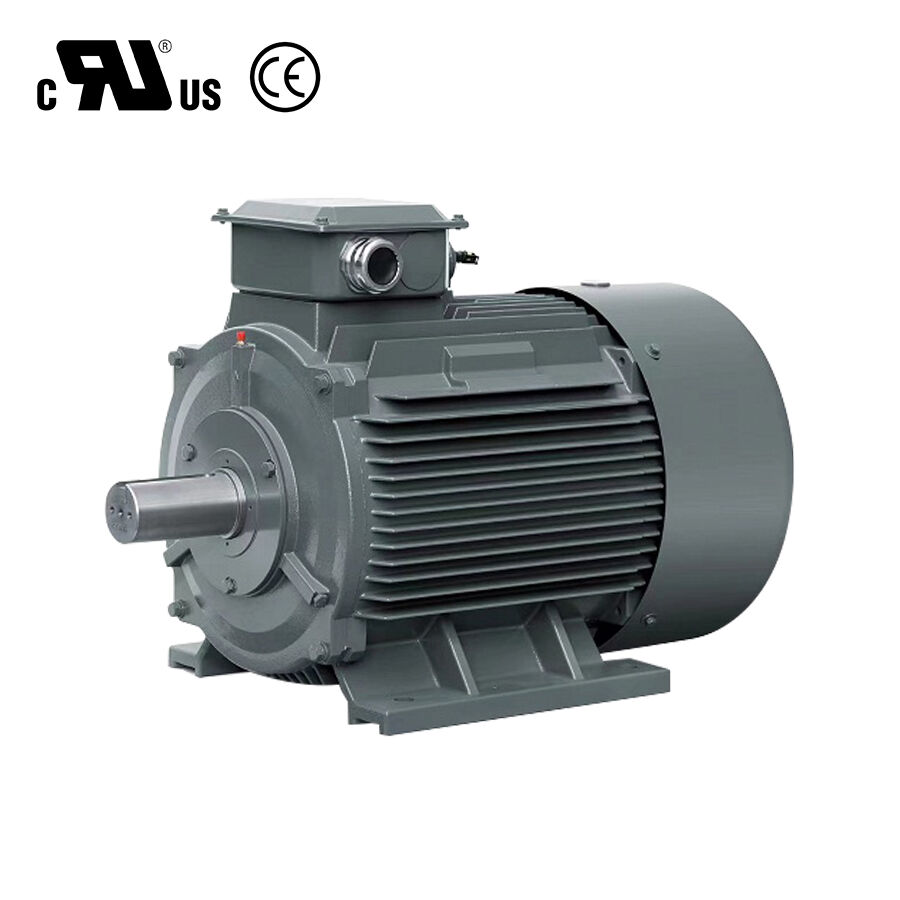
Once a Direct Drive Motor is under consideration, begin with load data before choosing frame dimensions. Define continuous torque, peak torque, maximum speed, acceleration time, load inertia, cycle frequency, and any external radial or axial force. These inputs determine whether direct coupling is realistic and where support bearings should sit.
1. Separate torque transmission from load support
A common layout mistake is to assume the motor bearings should absorb all process loads. In some designs they may be suitable; in others, the machine needs separate bearings close to the load to handle radial, axial, or overturning loads. Ask the motor supplier which loads are permitted at the shaft or rotor interface, then make the support arrangement explicit in the drawing.
2. Put stiffness near the motor-load connection
With a Direct Drive Motor, compliance that was once masked by belts or gear reduction can become visible in positioning behavior. Keep the mounting flange, bearing seats, and load hub stiff and concentric. Evaluate the entire loop: motor frame, adapter, machine base, bearings, and driven member. A very capable motor on a flexible bracket will not deliver the expected motion quality.
3. Design the assembly path early
Direct coupling can make the finished machine cleaner, yet it may make assembly harder if no axial or radial access is left for the rotor, hub, fasteners, or bearing preload. Decide whether the motor installs from the drive side or rear side, where lifting points are needed, and how technicians will reach connectors after guarding is fitted.
What changes when a chain or belt stage is removed?
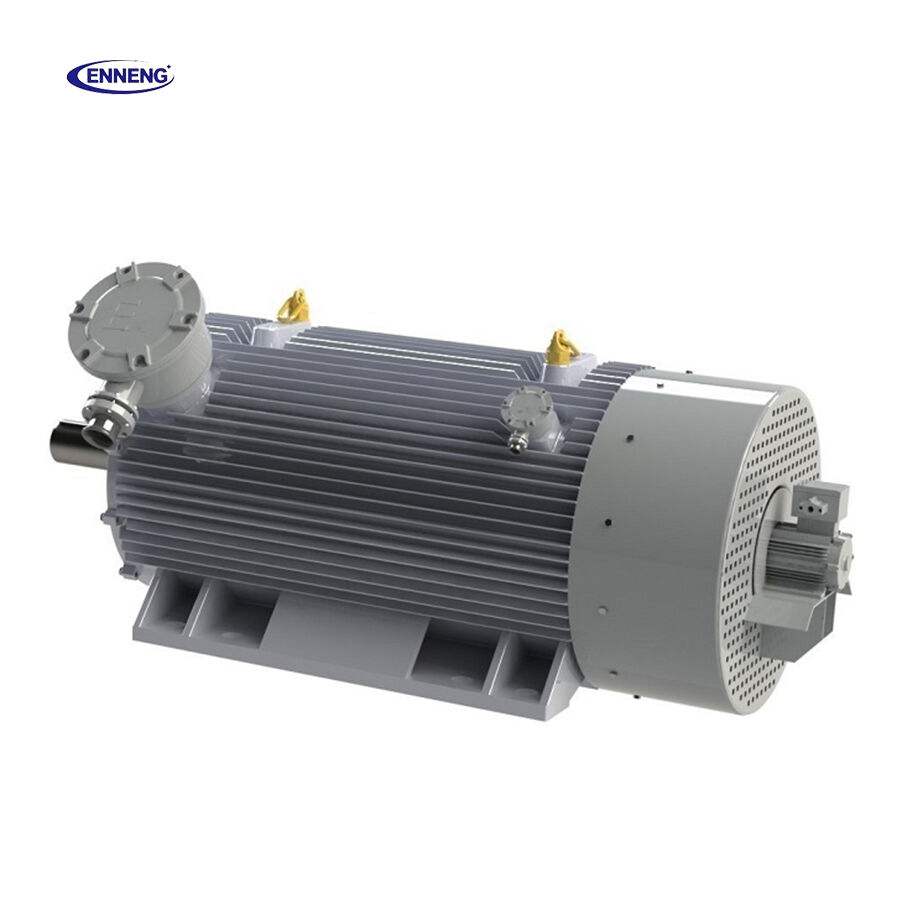
Traditional chain-drive layout is governed by shaft parallelism, center distance, sprocket wrap, lubrication, and tension. If a Direct Drive Motor replaces that stage, those specific checks no longer govern the removed drive. However, their design intent remains relevant: preserve alignment, control loads, and leave enough space for predictable operation.
In a Gearless Motor layout, replace chain-tension reviews with checks for flange runout, shaft concentricity, bearing load paths, and thermal expansion. Replace a ratio-selection discussion with a torque-speed duty-cycle discussion. Replace routine tensioning access with access for inspection of bearings, cabling, cooling surfaces, and fasteners. This is why the architecture should be reviewed by mechanical, electrical, and controls engineers together.
Use the torque-speed duty cycle to decide whether direct drive fits
A Direct Drive Motor is appropriate when its usable speed and torque range overlaps the real load profile. Peak efficiency at one nameplate point is not enough. If the machine spends much of its time creeping, indexing, accelerating, or holding torque, the thermal model and current demand at those conditions matter more than a single rated-speed figure.
Build a duty table that lists acceleration, steady running, dwell, reversal, and overload events. Include ambient temperature, enclosure conditions, and expected starts per hour. Once you start accounting for thermal derating, nameplate ratings can look different from what the machine should plan for in a warm, enclosed production cell. That is not a reason to reject direct drive; it is a reason to size the system from the duty cycle rather than from a nominal headline value.
For variable-speed machinery, a Gearless Motor approach can also change the controls conversation. The drive, feedback device, cable routing, grounding, and tuning strategy need to be planned as part of the architecture. Mechanical simplification and controls integration should be evaluated together.
A balanced decision framework for new machinery
Direct drive is not the universal answer. A geared solution may still be sensible where a compact high-speed motor, a large speed ratio, or a familiar service model fits the application better. The right question is whether the complete machine benefits from a shorter torque path.
- Map the current transmission chain and identify every component that provides ratio change, alignment tolerance, support, or service access.
- Model the actual load-side torque, speed, inertia, and external forces across the duty cycle.
- Compare complete envelopes, including motor diameter, structural supports, guarding, cooling, and electrical integration.
- Review installation and maintenance tasks, not only the bill of materials.
- Validate the motor-load interface with mechanical and controls teams before freezing the frame layout.
Evaluating a Direct Drive Motor in isolation without accounting for its integration with the load, controls, and frame can produce a technically plausible specification that performs poorly in the finished machine. The more useful approach is to let the load axis lead the layout, then select the motor and support arrangement that make that architecture serviceable.
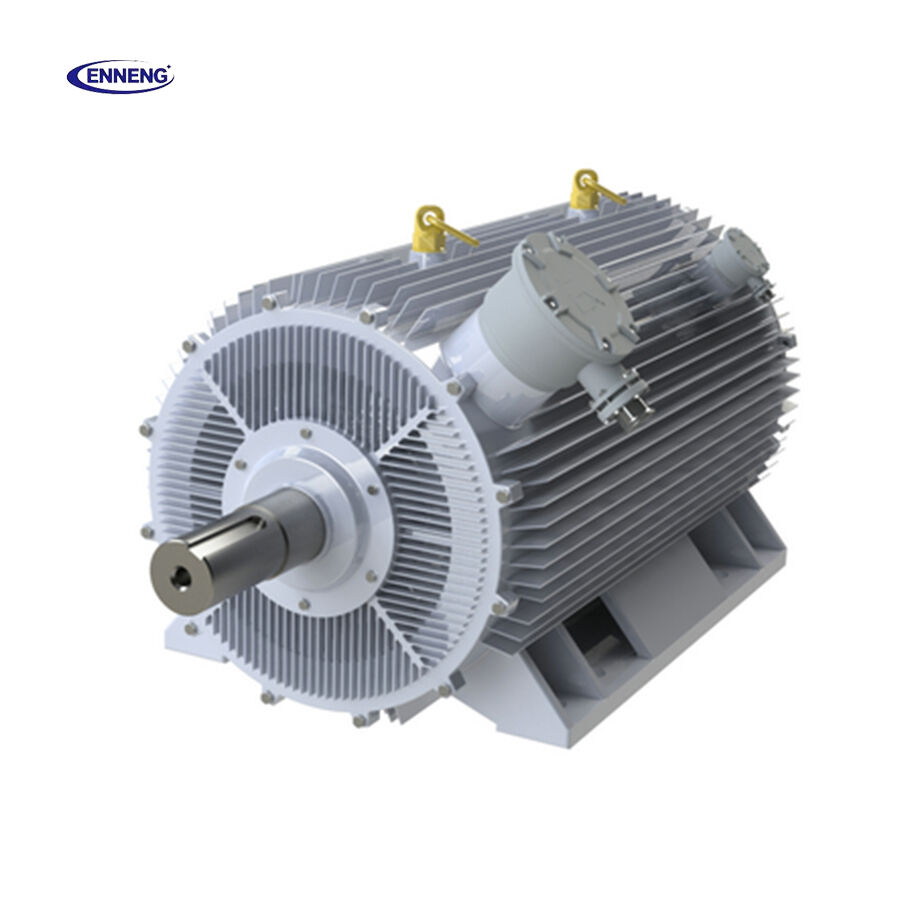
If you are evaluating commercial permanent magnet motors for sale and need an engineered drive solution that guarantees efficiency and longevity, ENNENG is your trusted partner.Contact ENNENG Today.Speak to our technical engineering team to receive a customised drive proposal.
- WhatsApp: +86 18562780228
- E-Mail: [email protected]
- Phone: +86 532 66000559
FAQ
When is a Direct Drive Motor a Gearless Motor?
A Direct Drive Motor system transmits torque directly to the load without the intermediate stage being considered. In many applications this makes it a Gearless Motor arrangement because the gearbox is removed, but the exact construction and remaining support components depend on the machine.
Does removing a gearbox eliminate all maintenance?
No. A Direct Drive Motor can reduce maintenance associated with the removed transmission elements, but bearings, fasteners, cables, cooling surfaces, feedback devices, and the driven process still need planned inspection.

