
how-direct-drive-motor-optimizes-production-continuity-for-nonstop-industrial-manufacturing-lines, how-direct-drive-motor-optimizes-production-continuity-for-nonstop-industrial-manufacturing-lines, /blog
EN

2026/09/16
A non-stop line bills by the hour, so every minute of downtime is lost output that no later shift can recover. The Direct Drive Motor earns its place here by removing the mechanical link most likely to fail first. When the transmission disappears, the list of things that can stop the line gets visibly shorter. Hourly billing is why the reliability gain shows up on the finance ledger as fast as on the floor.
One beverage filling hall lost a weekend to a single gearbox bearing that seized during a peak run. The line stopped, the product in the loop was scrapped, and the spare took a day to fit. After the plant rebuilt the section around a Direct Drive Motor, the gearbox and its oil system were gone, and the same station ran for a full season without a transmission-related stop. The saving was measured in recovered cases, not in a spec sheet.
A geared train adds bearings, a lubrication circuit, couplings, and alignment that must hold under load. Each of those is a wear item with its own failure clock. A Direct Drive Motor collapses that chain into one rotor and one bearing set, so the failure modes a maintenance team must watch shrink to a handful. Less to break means less to plan around on a line that cannot afford a plan.
Understanding the old failure modes shows why removing them helps. The Direct Drive Motor does not make a plant perfect, but it deletes a whole class of stops that used to be routine.
Gearboxes fail most often when oil runs low, heats, or contaminates, and when shaft alignment drifts under load. A Direct Drive Motor has no gear oil to lose and no secondary shaft to align, so those two classic faults simply do not exist in the train. The remaining bearings still need care, but the most common cause of a sudden stop is designed out of the machine. A Direct Drive Motor has no gear oil to lose and no secondary shaft to align, so those two leading causes of a sudden stop are designed out of the power path entirely.
A geared drive concentrates risk in the coupling and the gear set, where one cracked tooth can halt everything downstream. The Direct Drive Motor spreads torque through a larger air gap and a stiff rotor, so a single component is far less likely to take the whole line down. Redundancy then becomes a question of controls, not of mechanical fragility in the power path. A Direct Drive Motor collapses that chain into one rotor and one bearing set, which is why the failure modes a planner must watch shrink to a short, predictable list.
The advantage is structural, not just efficiency. By coupling the load straight to the rotor, the Direct Drive Motor turns a multi-part mechanism into a continuous, monitored system. The plant gains a simpler bill of materials and a shorter commissioning list, because there is no gear oil to certify and no coupling to align before the line goes live.
With the gearbox, oil pump, and coupling removed, the Direct Drive Motor has fewer seals to leak and fewer bearings to fail. Condition monitoring covers the rotor and the remaining bearings, so a warning arrives long before a stop. Plants that track mean time between stops usually see the transmission-related entries drop to zero after the change. A Direct Drive Motor rewards a simple condition plan, because the readings from the remaining bearings tell the whole reliability story without gear-oil samples to interpret.
A line stays in sync when each drive holds its setpoint, and the Direct Drive Motor does that without the slip a gear pair introduces. Stations stay locked to the conveyor timing, so product spacing and fill accuracy hold across the shift. Because there is no gear ratio to drift, recalibration after a stop is faster and the first good unit off the line comes sooner. A Direct Drive Motor keeps stations locked to conveyor timing, so product spacing and fill accuracy hold and the first good unit off the line comes sooner after any restart.
Specifying the unit means matching the duty to tested vibration and duty-class rules. The Direct Drive Motor should arrive with data a plant can verify before commissioning.
ISO 10816 sets vibration limits that reveal bearing and balance trouble early, which matters for a Direct Drive Motor running without a gear to mask faults. IEC 60034-1 defines duty types and ratings, so the unit is chosen for the actual load profile rather than a catalog average. Citing both lets a buyer confirm the motor fits a continuous, non-stop duty before it ships.
Before quoting, list the torque, load inertia, and speed range the station needs. A Direct Drive Motor should come with a torque-speed curve and the vibration class on the datasheet. In service, watch bearing temperature, vibration trend, and encoder signal each month; a rising vibration reading predicts a fault while the line is still running, so the stop can be planned instead of suffered.
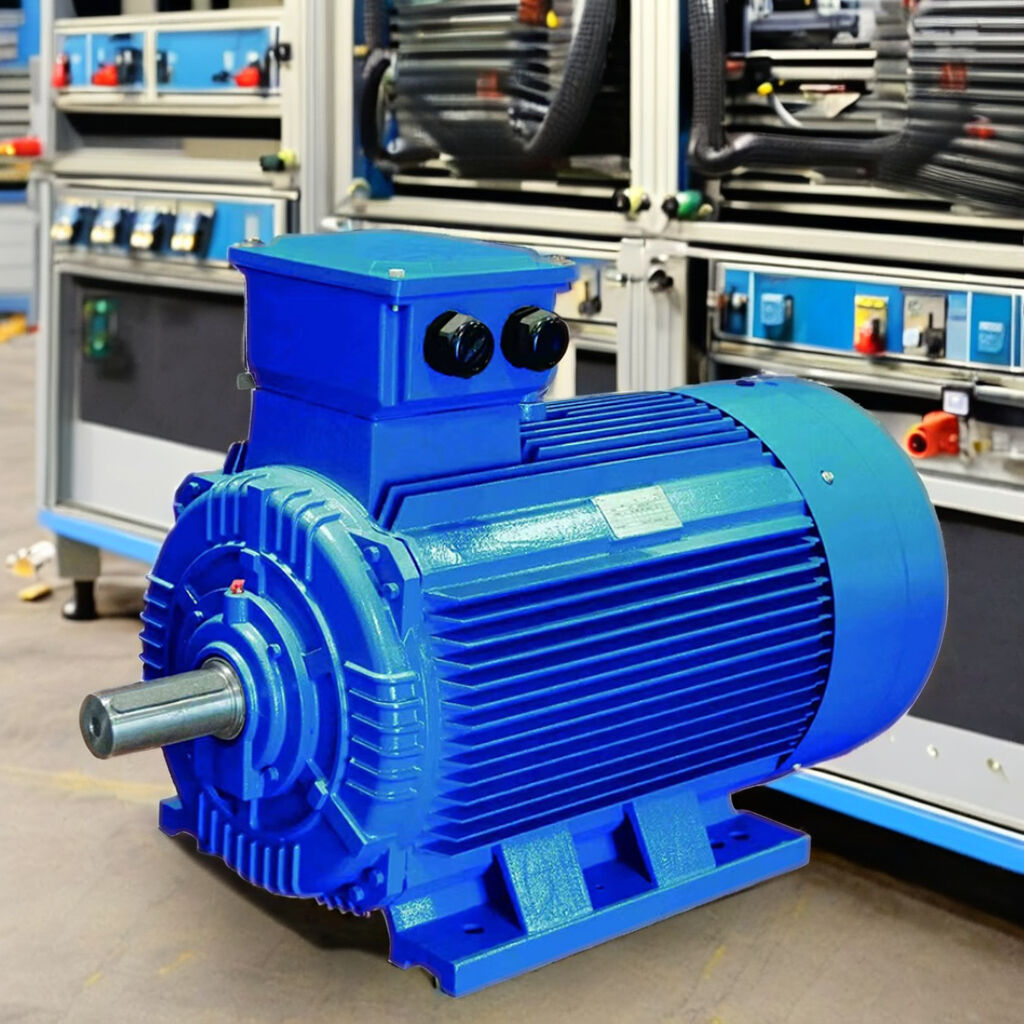
A gearbox adds bearings, oil, couplings, and alignment that each carry their own failure clock, and one seized bearing or cracked tooth can halt everything downstream. A Direct Drive Motor removes that train, so the classic transmission faults no longer exist in the power path. Fewer parts means fewer planned and unplanned stops on a line that bills by the hour.
Gearboxes most often fail when oil runs low, overheats, or contaminants enter, and when shaft alignment drifts under load. Couplings and gear sets concentrate risk so a single fault stops the line. The Direct Drive Motor has no gear oil to lose and no secondary shaft to align, so those two leading causes are designed out of the machine entirely.
Each drive must hold its setpoint for the line to stay timed, and the Direct Drive Motor does that without the slip a gear pair introduces. Stations stay locked to conveyor timing, so spacing and fill accuracy hold across the shift. With no gear ratio to drift, recalibration after a stop is quicker and the first good unit arrives sooner.
ISO 10816 sets vibration limits that reveal bearing and balance trouble early, which matters for a Direct Drive Motor running without a gear to hide faults. IEC 60034-1 defines duty types and ratings so the unit fits the real load profile. Citing both lets a buyer confirm the motor suits continuous duty before commissioning begins.
List the torque, load inertia, and speed range the station needs before quoting. A Direct Drive Motor should arrive with a torque-speed curve and the vibration class on the datasheet. Match the converter to the rotor and confirm the cooling covers the steady non-stop duty the line actually runs, not a short-cycle test point.
Monthly checks on bearing temperature, vibration trend, and encoder signal catch trouble while the line runs. A rising vibration reading predicts a fault before a stop, so the downtime can be planned into a low-demand window. Keep the converter parameters logged, because the Direct Drive Motor depends on correct tuning to stay in step as the product mix shifts.


 EN