
how-direct-drive-motor-reduces-spareparts-stocking-pressure-for-original-equipment-manufacturers, how-direct-drive-motor-reduces-spareparts-stocking-pressure-for-original-equipment-manufacturers, /blog
EN

2026/09/14
Every original equipment manufacturer carries the cost of parts it may never fit, and a geared drive multiplies that cost because each ratio needs its own kit. A Direct Drive Motor removes the gearbox from the bill of materials, so the shelf holds fewer unique items and the purchasing team spends less on slow-moving stock. One material-handling OEM found that switching a conveyor line to a Direct Drive Motor cut its spare rotation list by almost a third, freeing working capital that had been tied up in boxes.
The maker built a popular conveyor around a geared motor, and the service team stocked seals, bearings, oil, and coupling kits for every ratio shipped. Field data showed most failures came from the motor, not the gear, yet the gear parts sat on the shelf for years. After moving the design to a Direct Drive Motor, the redundant kits were dropped and the same conveyor shipped with one motor type across the range. The change paid back in inventory space before a single unit failed in the field, and the Direct Drive Motor made the simplification possible.
A gearbox is not one part but a system of bearings, seals, lubricant, and ratios, each needing its own stock line and forecast. A Direct Drive Motor collapses that list to a single rotating assembly, so the planner tracks one item instead of ten. Different ratios mean different gears for the same frame, which fragments stock and raises the chance of a wrong part at a midnight call-out. By removing the gear stage, the Direct Drive Motor also removes the mismatch risk, because there is no ratio to specify, stock, or confuse with another model.
Fewer parts is not only a storeroom win; it changes how the whole product is designed, sourced, and supported. A Direct Drive Motor lets an OEM standardize a platform instead of maintaining a library of gear variants.
The gear stage carries bearings that wear, seals that leak, and oil that ages, all of which the Direct Drive Motor design avoids. The stock list shrinks to the motor, its sensor, and a mounting kit, so the value tied up in spares falls with the part count. Less variety also means fewer supplier agreements to manage and fewer minimum-order quantities to clear. The Direct Drive Motor therefore lowers both the units on the shelf and the administrative load of keeping them correct, which compounds across every model the OEM sells.
When one Direct Drive Motor fits several machine sizes through tuning rather than gearing, the OEM buys one item in higher volume and stocks it centrally. The purchasing team gains leverage on price and lead time, and service vans carry a single spare that fits many units. A Direct Drive Motor built to a common mounting also speeds design reuse, because engineers specify a known item instead of re-quoting a gearbox each time. The range becomes easier to support, and the spare-parts pressure eases at every site that runs the equipment.
Standards push OEMs toward traceable, documented parts, and a simpler bill of materials is easier to prove. A Direct Drive Motor supports that discipline because there is less to certify and track through the supply chain.
IEC 60034-30-1 defines the IE efficiency classes and the test behind the nameplate, so the Direct Drive Motor ships with a verified rating the OEM can state without qualification. A single motor class across the range also simplifies declarations to different markets, because the same test backs every unit. Specifying to the standard lets the OEM defend the efficiency claim in a tender, and the Direct Drive Motor carries that proof consistently whether the machine is small or large.
ISO 9001 requires controlled documents and traceable parts, which a shorter bill of materials satisfies more easily. A Direct Drive Motor with batch records links each unit to its test result, so a field question gets a factual answer fast. Fewer purchased items means fewer suppliers to audit and fewer deviations to control, which lightens the quality system. The OEM that runs a Direct Drive Motor platform can show auditors a cleaner trail from raw lot to finished machine, and that traceability is itself a selling point in regulated industries.
The saving is real only when sourcing and service plans are rebuilt around the simpler drive. A Direct Drive Motor changes the inventory math, and the OEM should rewrite the spare list to match the new reality.
Start by removing every gearbox-related line the Direct Drive Motor made obsolete, then set stock levels from real failure rates rather than from the old catalog. Keep the motor, sensor, and mount as the active spares, and agree on a swap horizon with the supplier up front. A Direct Drive Motor program also benefits from a shared failure code so the planner sees demand clearly and avoids over-stocking a part the design no longer uses. The list stays short because the drive itself is short.
Service plans should name the Direct Drive Motor as the unit swapped, not a gearbox to strip on site, which shortens the call and lowers the skill needed. Spare stock shifts from oil and seals to a small motor buffer held centrally, so a failed unit is exchanged, not repaired in a hallway. A Direct Drive Motor with good records lets the OEM predict buffer size from field data instead of guesswork. The result is faster restoration for the customer and lower carrying cost for the maker, which the Direct Drive Motor delivers by removing the parts that used to break.
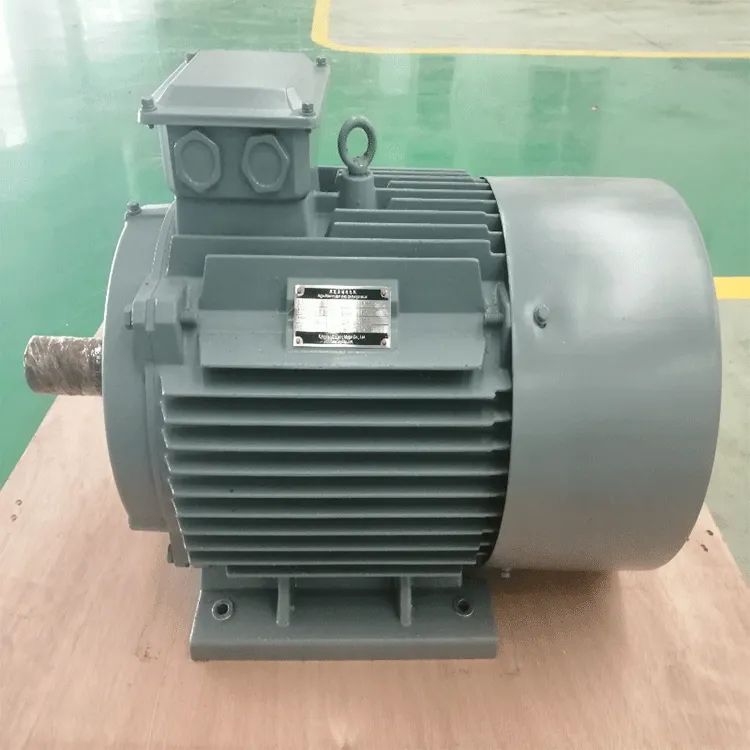
A Direct Drive Motor removes the gearbox, so the OEM no longer stocks bearings, seals, oil, and multiple gear ratios for each machine. The spare list collapses to the motor, a sensor, and a mount, which cuts both the units on the shelf and the admin of tracking them. One motor type can fit several models through tuning, so purchasing buys in volume and service vans carry a single spare that lowers the stocking pressure directly.
A gearless Direct Drive Motor has fewer wearing parts, so there are fewer modes that can fail in the field. No oil to age, no seals to leak, and no gears to pit means the maintenance burden shifts from the drive to the motor alone. Reliability depends on the motor quality and cooling, but removing the gear stage removes a major source of breakdowns.
IEC 60034-30-1 defines the IE efficiency classes and the test behind the rating, so the Direct Drive Motor ships with a verified claim the OEM can state in a tender. ISO 9001 requires traceable, controlled parts, which a shorter bill of materials satisfies more easily because there is less to certify and audit. Specifying to both lets the OEM defend efficiency and quality to customers and inspectors with one consistent record across the range.
Drop every gearbox line the Direct Drive Motor made obsolete, then set stock from real failure rates rather than the old catalog. Keep the motor, sensor, and mount as active spares and agree a swap horizon with the supplier. A shared failure code helps the planner see demand and avoid over-stocking a part the design no longer uses.
In most constant or tuned-speed duties the Direct Drive Motor matches the geared output while removing the losses and slack of the gear stage. Low-speed, high-torque loads benefit most, because the motor delivers torque directly without a reduction that steals efficiency. The machine behaves more smoothly with less vibration, and the OEM gains design freedom in layout. Performance holds or improves where the duty suits direct drive, which is why the swap rarely costs output.
Customers gain from a simpler machine with fewer failure points and faster service, so most accept the Direct Drive Motor once the savings are shown. The OEM should present the shorter spare list and the swap-not-repair field plan as benefits, and cite the efficiency class from IEC 60034-30-1. Regulated buyers value the traceability the simpler bill of materials supports. Acceptance grows when the Direct Drive Motor is framed as a reliability upgrade, not just a parts cut.


 EN