
 EN

For many factories, a carbon-reduction plan starts with targets and reporting, then stalls at the production floor. Electricity bills remain high, equipment teams are already busy, and replacing every motor at once is neither practical nor necessary. An Energy Saving Motor Solution turns that broad ambition into a sequence of operating decisions: identify where electricity is actually used, prioritize the duty cycles with the biggest loss exposure, specify the right motor-and-control combination, and verify the outcome after commissioning.
That sequence matters because motor systems are a large energy lever. The IEA 4E Electric Motor Systems Annex reports that electric motor systems accounted for 53% of global electricity consumption in 2023. This is not a factory-specific benchmark, but it explains why an Energy Saving Motor Solution deserves the same management attention as compressed air, steam, and process heat.
Start with the carbon problem behind the motor replacement list
A list of aging motors is not yet a decarbonization plan. The more useful question is: which motor-driven loads run long enough, hard enough, or inefficiently enough to make an upgrade meaningful? Pumps, fans, compressors, conveyors, mixers, and cooling equipment often have very different load profiles. A lightly loaded motor running two shifts may create a better opportunity than a larger motor used only occasionally.
An Energy Saving Motor Solution begins with a baseline. Record motor rating, operating hours, actual load, starts per hour, speed-control method, maintenance history, and measured electricity use where practical. Pair those records with the site’s grid-emission factor or internal carbon-accounting method. This gives the operations, sustainability, and finance teams one shared way to rank projects rather than debating nameplate ratings alone.
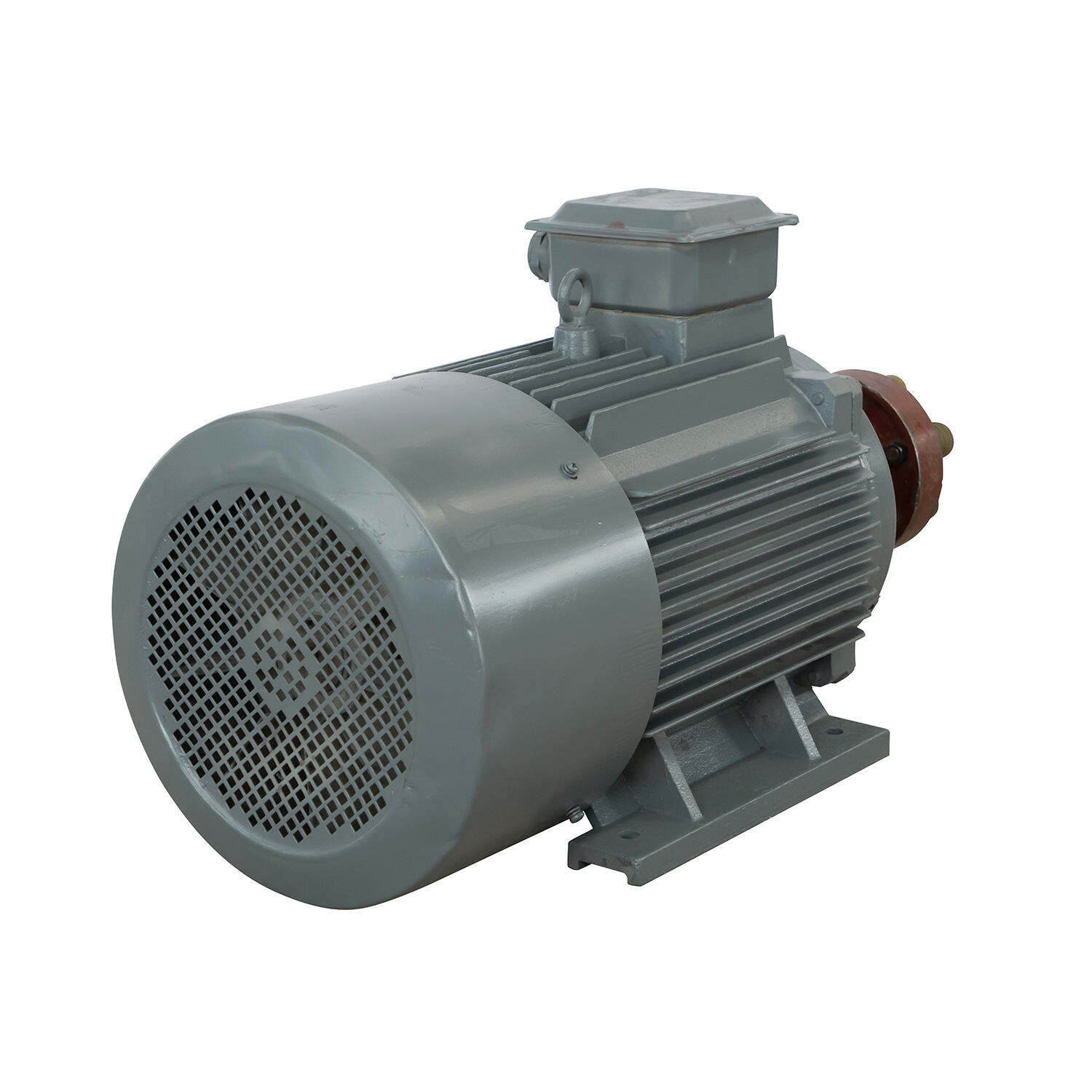
There is a useful correction to make here: high efficiency at rated load is important, but it is not the whole answer. If the load varies substantially, throttling, bypassing, or frequent idle running can waste more energy than a motor-class change can recover. An effective Energy Saving Motor Solution therefore looks at the driven system and controls as well as the motor.
Where an IE4/IE5 Efficiency Motor fits
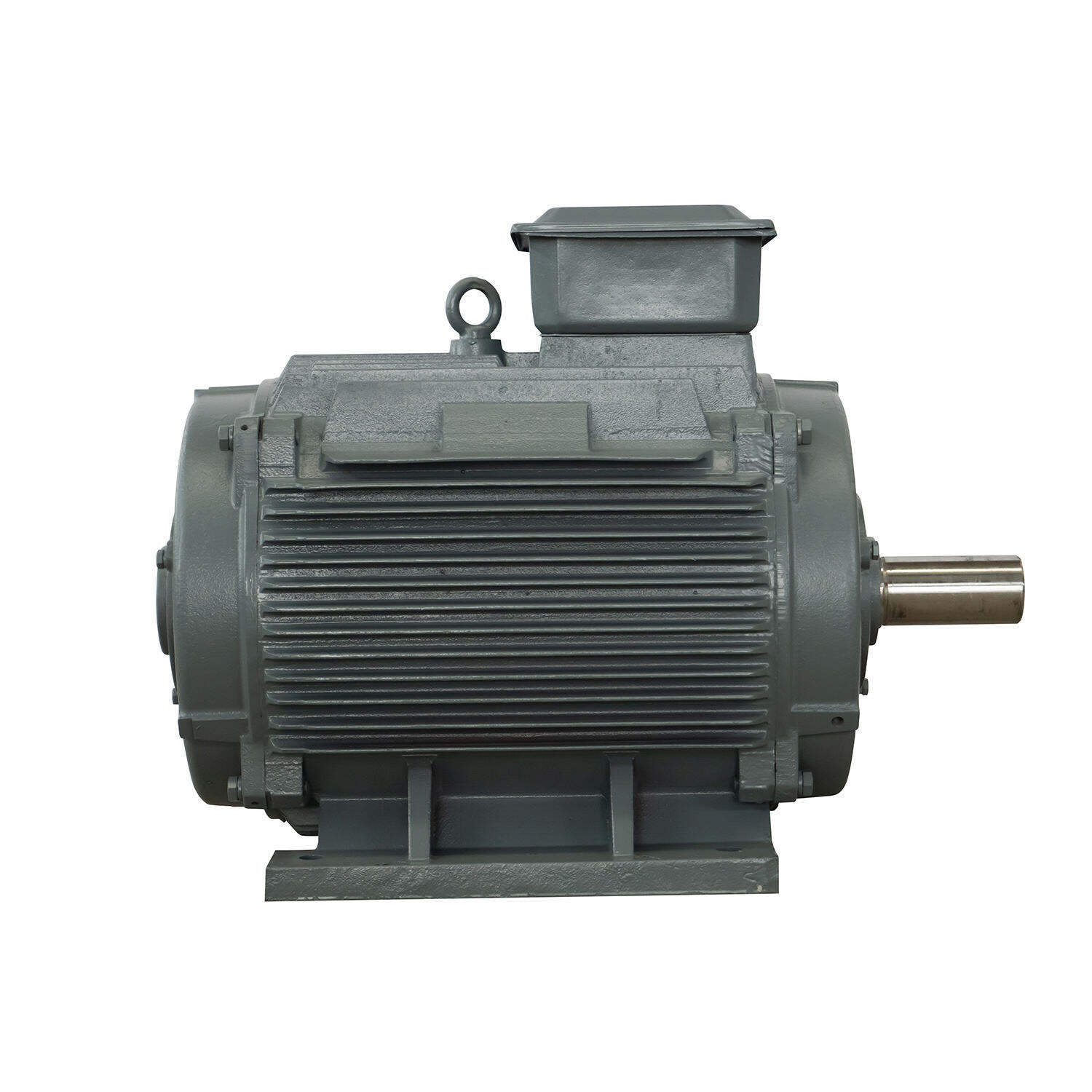
An IE4/IE5 Efficiency Motor can be an important component of the upgrade path, especially where a motor operates for long hours or faces repeated partial-load conditions. The Clean Energy Ministerial notes that IE4 standard losses are about 15% lower than IE3 motor losses, while IE5 represents an ultra-premium efficiency level. That comparison describes motor losses under the relevant class conditions; it should not be turned into a blanket promise of site-wide electricity savings.
For a factory, the right choice depends on the application. An Energy Saving Motor Solution should check torque requirements, speed range, starting method, supply quality, ambient temperature, enclosure needs, mounting, and compatibility with variable-frequency drives. If the ambient temperature stays within the motor’s specified range, an efficiency class can be a reliable planning input. If the site is hotter, dusty, humid, or subject to voltage quality issues, thermal margin and derating need to be resolved before a purchase order is issued.
This is why specifying an IE4/IE5 Efficiency Motor only by its efficiency label can be incomplete. A fan or pump with a variable-frequency drive may benefit strongly from matching motor, drive, control logic, and process setpoint. A constant-load conveyor may justify a different business case. The appropriate Energy Saving Motor Solution matches the duty cycle instead of assuming that the premium specification is automatically the lowest-energy choice.
Build the transformation in practical stages
1. Find and rank the opportunity set
Group motors by function and operating profile. Start with equipment that runs many hours, has high repair frequency, is oversized, uses mechanical throttling, or is near planned replacement. An Energy Saving Motor Solution can then rank projects by expected electricity impact, carbon impact, production criticality, installation window, and total cost of ownership. The point is not to create an exhaustive model; it is to make the next upgrade decision transparent.
2. Define the technical package, not just the motor
For each priority asset, confirm the driven-load curve and field conditions. Determine whether an IE4/IE5 Efficiency Motor, a variable-frequency drive, a revised transmission, sensor feedback, or a process-control change is needed. In many plants, the largest result comes from removing unnecessary flow or pressure rather than from a component change in isolation. That is where an Energy Saving Motor Solution becomes a system improvement rather than a catalog substitution.
3. Calculate a conservative business case
Estimate annual energy use from measured or defensible operating data, then compare the proposed configuration with the baseline. Include procurement, installation, commissioning, expected maintenance, downtime exposure, and electricity price assumptions. Do not treat every avoided kilowatt-hour as certain. A U.S. Department of Energy market-opportunity document found that mature technologies and practices could reduce manufacturing-sector industrial motor energy use by 11% to 18% on average; that is a sector benchmark, not an outcome promised for an individual line.
A sound Energy Saving Motor Solution makes the assumptions visible. Finance can then test energy-price scenarios, while sustainability teams can translate verified electricity reductions into carbon reductions using the organization’s approved methodology.
4. Commission, measure, and improve
The project is not complete when the new equipment is energized. Before-and-after measurements should cover run time, power, speed, process output, and any quality or reliability indicators that matter to the application. Check drive parameters and control setpoints after the process stabilizes. Small commissioning details can decide whether an Energy Saving Motor Solution delivers its modeled value or simply moves an old operating problem into new equipment.
Make carbon reduction repeatable across the factory
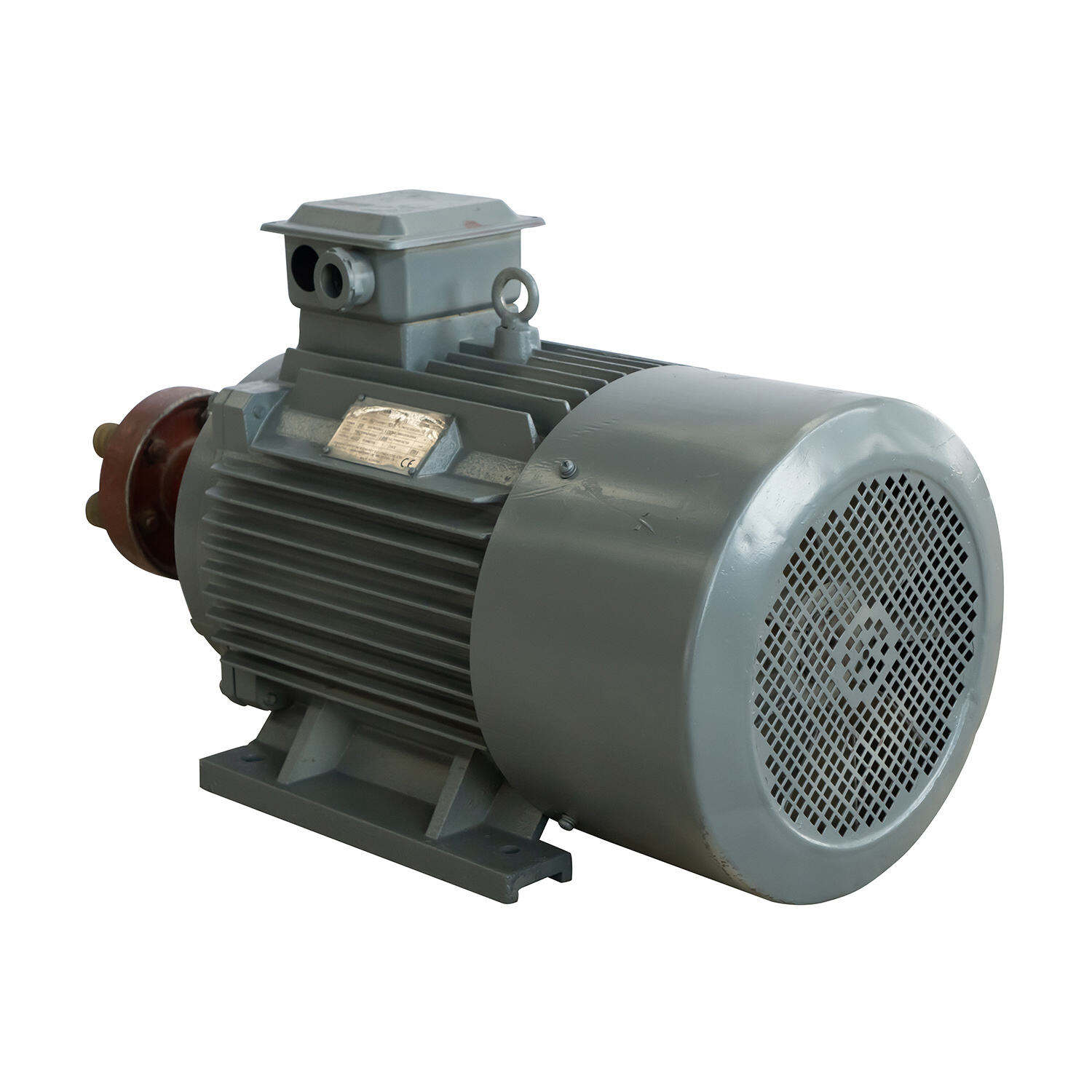
Once a first group of upgrades has been verified, standardize the lesson. Add efficiency class, duty-cycle review, control strategy, and measurement requirements to replacement specifications. Train maintenance and production teams to flag motors that are oversized, repeatedly rewound, throttled, or running without a clear process need. This turns an Energy Saving Motor Solution into a repeatable capital-planning rule rather than a one-time sustainability project.
Procurement also has a role. Ask suppliers for application-relevant documentation, operating limits, test information, configuration options, and commissioning support rather than relying on a single headline figure. A careful supplier conversation helps the team compare lifecycle implications, not simply unit price. The practical objective is reliable production with fewer avoidable electrical losses.
The ENNENG Customisation Advantage
No two industrial facilities share the same spatial or mechanical constraints. ENNENG stands out because we do not just supply off-the-shelf catalogue products; we specialise in delivering a tailor-made permanent magnet motor tailored to your specific application .
Supported by our elite R&D team consisting of engineers from the National Rare Earth Permanent Magnet Engineering Centre, and backed by dozens of patents, we customise high-voltage (6kV/10kV) and low-voltage (380V/660V/1140V) solutions to match your existing footprint. From water treatment facilities and oil wells to explosion-proof mining environments, we deliver optimal performance where general-purpose motors fail.
If you are evaluating commercial permanent magnet motors for sale and need an engineered drive solution that guarantees efficiency and longevity, ENNENG is your trusted partner.Contact ENNENG Today.Speak to our technical engineering team to receive a customised drive proposal.
- WhatsApp: +86 18562780228
- E-Mail: [email protected]
- Phone: +86 532 66000559

