
how-energy-saving-motor-solution-calculates-practical-energysaving-benefit-for-different-industrial-plants, how-energy-saving-motor-solution-calculates-practical-energysaving-benefit-for-different-industrial-plants, /blog
EN

2026/09/09
A textile mill in Zhejiang swapped its older motors for high-efficiency units on a hunch that the power bill would fall, but the mill never measured the load, so the saving stayed a story at the monthly meeting. A proper energy saving motor solution starts from the meter, not the catalogue, logging the actual kilowatt-hours the machines draw before any unit is ordered. After the mill logged a month of real data, the true saving showed where the load ran long and light, not where the sales sheet promised it. The case shows that a saving not measured is a saving not banked.
The mill fitted IE4 units across the board, yet the compressed-air set ran only four hours a day, so the premium sat idle most of the clock. An energy saving motor solution would have ranked that set low and spent the budget on the continuous dye pumps instead. The mis-spend is common: plants pay for class they do not use, then wonder why the bill barely moved at the end of the quarter with no proof.
The logging showed the dye pumps ran twenty hours a day at seventy percent load, the steadiest draw in the plant. An energy saving motor solution targets exactly that profile, because hours times load is the kWh that counts. The mill had treated every motor as equal, but the meter proved the pumps were the only place a class jump would pay back inside the budget the finance team would accept on the floor.
The method is load times hours times the efficiency gap, and each plant has a different answer because each has a different duty. An energy saving motor solution builds the case from three numbers the auditor can check, not from a brochure claim that fades under review. The energy saving motor solution turns that data into a payback the board will fund, because the math is simple once the logging feeds it.
Log current and voltage at the terminal for a full duty cycle, then derive the real power the motor draws at each speed and load step. An energy saving motor solution uses that profile to place the IE class where the hours sit, because a unit that runs ten hours a day earns the premium, while one that runs one does not. The profile is the spine of the case, so the logging must cover the worst week, not the quiet one at the plant.
IEC 60034-30-1 gives the loss at each IE class, so the gap between the old unit and the new one is a known watt number. An energy saving motor solution multiplies that gap by the logged hours to get the yearly kWh saved, which turns a rating into a bill reduction the finance team can read. Enneng Motor supplies the tested loss at the working points, not the nameplate average that hides the real duty on the line.
A saving only counts when the auditor accepts the method, and the codes are what make the method stick. An energy saving motor solution that cites the right standards survives the energy review and the tax claim that follows it, and the energy saving motor solution keeps the file long after the motors are fitted.
IEC 60034-30-1 sets the IE classes, and IEEE 112 sets the efficiency test that proves the loss at the working points. An energy saving motor solution built on both gives the plant a number the inspector trusts, because the gap is measured, not estimated from a rated plate. Enneng Motor runs IEEE 112 on the actual duty and stamps the result, so the payback the plant shows the board is the payback the motor delivers in the field.
ISO 50001 asks the plant to track energy use and prove cuts year over year, and an energy saving motor solution feeds that system directly. The logged saving becomes a target on the management review, which keeps the project alive after the first quarter instead of fading from the log. The standard turns a one-time buy into a measured, repeatable result the next audit will confirm at the site without a fight.
The final step is payback, and an energy saving motor solution states it in months, not in vague promise. A clear payback is what moves the project from the meeting to the purchase order, and the plant should rank every motor by that number before the budget is set. The method is the same for a mill, a mine, or a bottling line, because hours and load are what decide the return.
List every motor with its logged hours, its load, and its IE gap, then sort by the saving each will return per year. An energy saving motor solution spends first where the payback is shortest, which protects the budget when the quarter tightens. The continuous, high-load sets win; the short-run, light sets wait, and the plant avoids the mis-spend that the textile mill made on the air compressors at the start.
Re-log the load after the new units run a month and compare to the baseline, because an energy saving motor solution proves itself at the meter, not on the slide. If the number drifts, check the duty or the control before blaming the motor, and keep the log against the serial for the next review. Enneng Motor supplies the test point so the plant trends the real saving and shows the board the bill that fell on the floor.
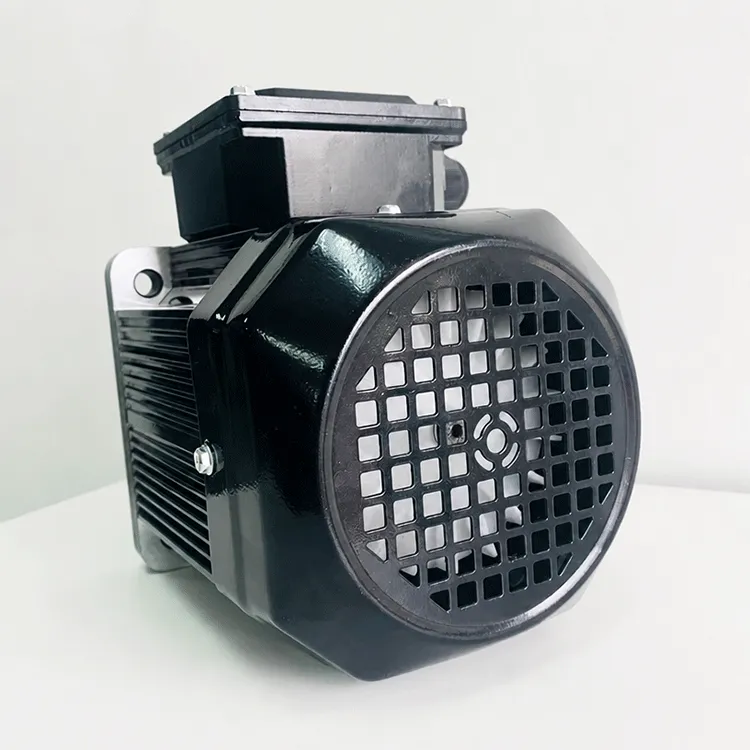
Answer: It logs the actual load profile for a full duty cycle, then multiplies the IE class loss gap by the real running hours to get yearly kWh saved. A plant that buys on a hunch misses the load that runs long and light, so the saving stays a story. The logging is the spine of the case, and the meter is the only proof the finance team will accept at the review.
Answer: IEC 60034-30-1 defines the IE efficiency classes, and IEEE 112 sets the test that proves the loss at the working points. An energy saving motor solution built on both gives the plant a measured gap, not a nameplate average that hides the real duty. Enneng Motor runs IEEE 112 on the actual load and stamps the result, so the payback shown to the board is the payback delivered in the field.
Answer: Hours times load is the kWh that counts, so a continuous high-load set earns the IE premium while a short-run light set does not. An energy saving motor solution spends first where payback is shortest, which protects the budget when the quarter tightens. The method avoids the mis-spend of fitting IE4 across every motor regardless of how long each one actually runs on the line.
Answer: ISO 50001 asks the plant to track energy use and prove cuts year over year, and an energy saving motor solution feeds that system directly. The logged saving becomes a management-review target, which keeps the project alive after the first quarter. The standard turns a one-time buy into a measured, repeatable result the next audit will confirm, instead of a claim that fades from the log at the site.
Answer: Re-log the load after a month and compare to the baseline, because an energy saving motor solution proves itself at the meter, not on the slide. If the number slips, check the duty or the control before blaming the motor, and keep the log against the serial for the next review. Enneng Motor supplies the test point so the plant trends the real saving and shows the board the bill that fell.
Answer: Yes, the steps are the same for a mill, a mine, or a bottling line, because hours and load are what decide the return. An energy saving motor solution logs the profile, applies the IE gap, and states payback in months, not vague promise. The plant ranks every motor by that number, so the budget follows the load, not the brochure, and the saving is banked at the meter.


 EN