
how-energy-saving-motor-solution-calculates-realworld-roi-for-different-types-of-industrial-workshops, how-energy-saving-motor-solution-calculates-realworld-roi-for-different-types-of-industrial-workshops, /blog
EN

2026/09/10
A textile mill in Jiangsu wanted to cut its power bill and swapped a block of motors to premium efficient units without measuring the load, expecting a quick payback. The actual saving fell short because most of the machines ran only part of each shift, so the hours of benefit were fewer than the quote assumed. After the plant ran a proper study with an Energy Saving Motor Solution, it re-ranked the upgrades by real duty and recovered the cost on the few lines that ran long and hard, where the saving was actually large on the meter.
A nameplate efficiency looks like a saving, but the real return depends on how many hours the motor spends at which load. An Energy Saving Motor Solution starts from the duty profile, not the catalogue, because a unit that idles most of the day returns little to the bill. The plant that skips the measurement credits a saving the meter never delivers at the end of the month.
A continuous compressor hall, an intermittent stamping shop, and a seasonal HVAC plant each load the motor differently, so one ROI rule cannot fit all. An Energy Saving Motor Solution scores each workshop type on its own profile, then ranks the upgrades where the hours and the load factor are highest. The difference between workshops is the difference between a win and a miss on the budget.
The math is simple, but the inputs must be real, because a wrong load estimate poisons the result. An Energy Saving Motor Solution builds the case from measured data, not from a vendor's optimism about the plant.
Record power against time for a representative week, then find the load factor and the annual run hours for each motor. An Energy Saving Motor Solution uses that profile to estimate the energy saved, not a flat rated-point guess from the catalogue. The measurement turns a hope into a number the finance team can trust before any purchase order is raised.
IEC 60034-30-1 gives the efficiency class gap between the old and the new motor, and IEEE 112 defines how efficiency is tested, so the saving per running hour is known. An Energy Saving Motor Solution multiplies that gap by the real hours and the tariff to get annual energy saving. The class and the test standard keep the estimate honest across suppliers bidding the job.
Return on investment is the annual saving divided by the added investment, and payback is the inverse expressed in years. An Energy Saving Motor Solution ranks candidates by payback, not by class, because a small premium on a high-hour line beats a big premium on an idle one. The plant funds the short paybacks first and watches the rest of the list.
An Energy Saving Motor Solution must rest on the same efficiency and test codes so the ROI survives an audit by the energy team. The rating sheet and the measurement method are the proof the file keeps for the next review.
IEC 60034-30-1 sets the IE classes by measured loss, and IEEE 112 is the method for testing motor efficiency, so the gap between motors is reproducible. An Energy Saving Motor Solution cites both so the saving is defensible to the auditor. The standards stop a supplier from claiming a class the unit does not earn at the load the plant actually runs each day.
ISO 50001 asks the plant to measure and improve energy use, and an Energy Saving Motor Solution feeds it the before-and-after data. The standard turns a one-time saving into a tracked target that survives the next budget review. The plant keeps the gain visible instead of letting it fade from the log after the first quarter closes.
The same method adjusts to the duty, because the profile decides the rank of each candidate. An Energy Saving Motor Solution treats each workshop as its own case with its own hours and load factor on the floor.
Score every motor on run hours and load factor, then fund the Energy Saving Motor Solution upgrades with the shortest payback first. Continuous processes with high load factor win, while intermittent shops need VFD control more than a premium motor. The plant avoids spreading the budget across lines that return little to the meter each month.
Re-measure the power after commissioning and compare with the baseline, because an Energy Saving Motor Solution is only proven when the meter agrees with the estimate. Adjust the control or the duty if the saving lags, and feed the result into the next round of planning. Enneng Motor supplies the loss data and test point so the plant confirms the ROI it was promised at sign-off.
An Energy Saving Motor Solution should also account for the control side, because a premium motor on a poorly tuned drive leaves saving on the table. Adding a VFD where the load swings often beats a higher class on a fixed-speed line, so the study must weigh both before the order. An Energy Saving Motor Solution that pairs the right motor with the right control ranks the combined upgrade by system payback, not by motor class alone. The plant avoids over-spending on a premium frame where a drive would return more, and the budget lands on the changes that actually cut the bill each month at the meter.
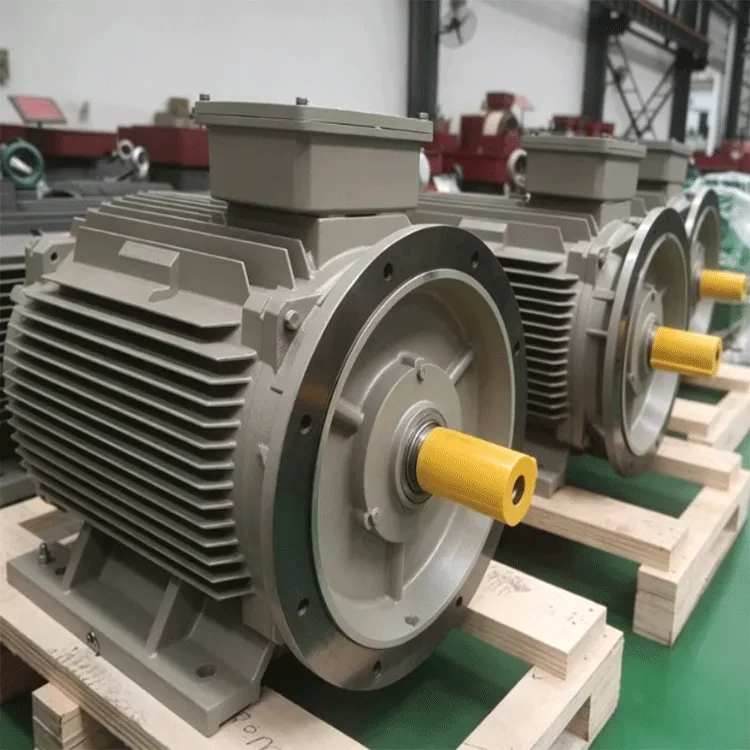
It needs the load profile, annual run hours, the efficiency gap from IEC 60034-30-1, and the electricity tariff. An Energy Saving Motor Solution multiplies the real hours by the per-hour saving to get annual energy reduction. Skipping the measurement and using the nameplate alone produces a return the meter will not confirm after commissioning.
ROI is the annual saving divided by the added investment, shown as a ratio or percentage, while payback is that result inverted into years. An Energy Saving Motor Solution reports both, but ranks projects by payback so the plant funds the fastest returns first. The two views answer different questions for the same upgrade on the line.
The nameplate shows efficiency at the rated point, but most motors rarely sit there, so the real saving depends on the duty profile. An Energy Saving Motor Solution measures power against time to find the true load factor and hours. A flat rated guess overstates the return on part-load and intermittent lines that idle most shifts.
Yes. A VFD changes the duty by matching speed to demand, which can raise the effective saving of an Energy Saving Motor Solution on variable loads. The ROI should include the drive cost and its system efficiency per IEC 61800. On swinging loads the drive often matters more than the motor class alone in the budget.
Continuous, high-load-factor plants such as compressors, pumps, and blowers benefit most, because the hours of saving are large. An Energy Saving Motor Solution ranks these first, while intermittent shops gain more from control than from a premium motor. The profile, not the catalogue, decides the winner for the plant.
Re-measure power at the duty points and compare with the baseline recorded before fitting. An Energy Saving Motor Solution is proven only when the meter matches the estimate, so the plant trends energy after commissioning. Enneng Motor provides loss data and the test point so the ROI is confirmed, not assumed at sign-off.


 EN