
how-energy-saving-motor-solution-evaluates-project-feasibility-for-smallandmediumsize-manufacturing-workshops, how-energy-saving-motor-solution-evaluates-project-feasibility-for-smallandmediumsize-manufacturing-workshops, /blog
EN

2026/10/16
In small-and-medium-sized enterprise (SME) metal stamping shops, plastic injection molding workshops, hardware machining plants, and food processing facilities, electricity bills routinely represent the second or third largest monthly operating expense after raw materials and labor. Unlike multinational industrial conglomerates that employ dedicated corporate energy managers and have access to multi-year green bond financing, SME workshop owners operate with tight working capital, lean maintenance crews, and strict payback expectations—typically demanding full capital recovery within 12 to 24 months. Furthermore, SME workshops cannot afford prolonged production line shutdowns or complex civil foundation rebuilds during equipment upgrades.
When an SME workshop considers replacing aging, power-hungry IE1/IE2 asynchronous motors on air compressors, hydraulic presses, cooling pumps, and exhaust fans, a generic theoretical estimate is insufficient. Evaluating project feasibility for a practical Energy Saving Motor Solution requires a targeted, low-disruption engineering methodology that audits actual machine duty cycles, existing electrical panel capacity, and mechanical drop-in compatibility. Partnering with ENNENG enables SME manufacturing workshops to execute a data-driven Energy Saving Motor Solution feasibility study that pinpoints high-return bottlenecks and guarantees rapid, cash-flow-positive payback.
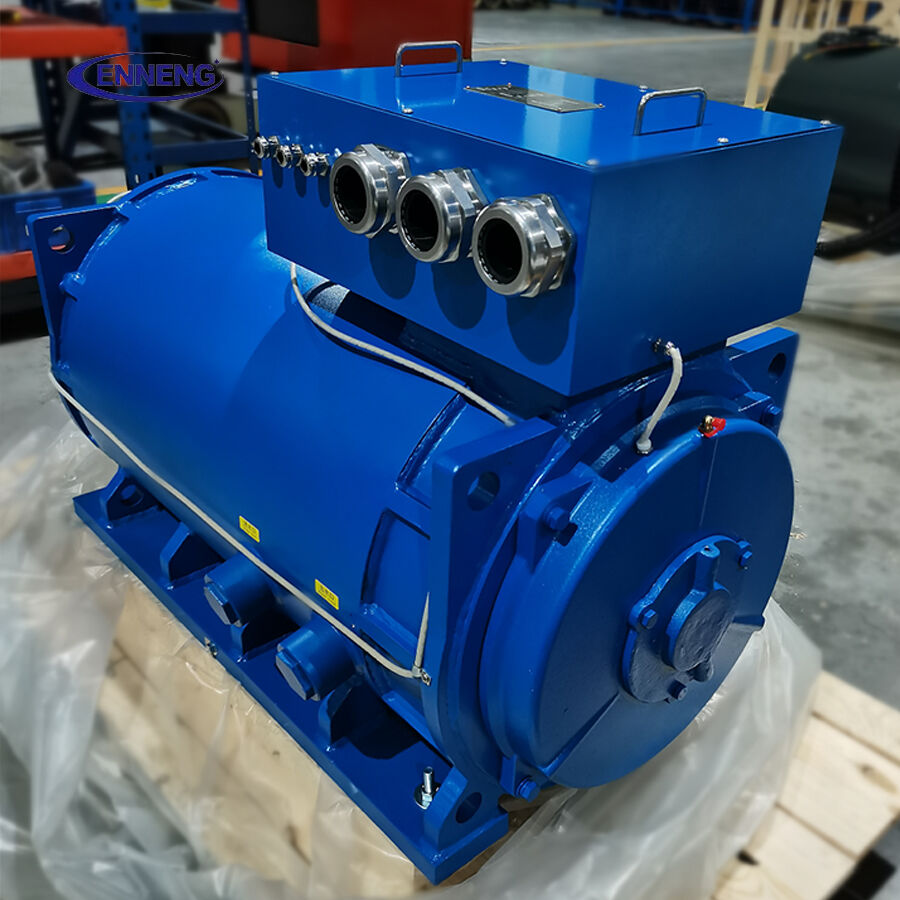
In a typical SME manufacturing workshop, 20% of the motorized equipment accounts for 80% of the monthly utility bill. A rigorous Energy Saving Motor Solution feasibility evaluation begins by separating workshop machinery into three distinct load categories: continuous variable-load utility equipment (such as rotary screw air compressors and central chilled-water pumps), cyclic high-standby-time production machines (such as hydraulic injection molding machines, die-casting presses, and hydraulic brake presses), and intermittent short-run tools. In cyclic hydraulic presses and throttling air compressors, standard asynchronous induction motors spin continuously during idle clamping, cooling, or unloading phases—drawing 30% to 45% no-load reactive magnetizing current and generating massive wasted heat.
An ENNENG Energy Saving Motor Solution maximizes technical and financial feasibility for SME workshops by addressing three practical shop-floor constraints:
|
SME Feasibility Evaluation Metric |
Unplanned Motor-by-Motor Swap |
ENNENG Energy Saving Motor Solution |
|
Target Asset Prioritization |
Indiscriminate (Includes Low-Hour Machines) |
Focused on Top 20% High-kWh Shop Assets |
|
Partial-Load & Standby Savings |
Low (Asynchronous Magnetizing Loss Remains) |
High (Zero Rotor Loss + VFD Sleep/Modulation) |
|
Mechanical Installation Downtime |
2 to 4 Days (Requires Baseplate Rework) |
2 to 6 Hours (1:1 Drop-In IEC Frame Match) |
|
Workshop Transformer Current Draw |
High Reactive Current (Power Factor ~0.78) |
>10% Lower Current (Power Factor 0.95–1.00) |
|
Unified Voltage Range |
Restricted to Single Local Voltage |
110V–690V Unified Voltage Range |
|
Typical SME Capital Payback Period |
3 to 5+ Years (Uncertain ROI) |
8 to 18 Months (Verified by Clamp-Meter Audit) |
SME manufacturing workshops frequently operate in industrial parks where grid voltage fluctuates during peak daytime hours, or export specialized machinery to overseas branch workshops. Engineered across a unified voltage range of 110V–690V, every ENNENG Energy Saving Motor Solution package pairs high-efficiency IE5 permanent magnet motors with pre-parameterized variable frequency drives for true plug-and-play installation. Furthermore, for SME workshops seeking to offset high daytime peak electricity tariffs with rooftop or yard renewable energy, ENNENG manufactures permanent magnet generators across a unified 5kW–5MW power range (110V–690V) and compact vertical axis wind turbines spanning 1kW–10kW (with a primary focus on 3kW, 5kW, and 10kW models) that operate quietly in low-wind industrial park environments.
Even for small and medium-sized workshops, a bankable feasibility study must follow internationally recognized energy audit and lifecycle cost standards. ENNENG structures its workshop feasibility assessments in alignment with ISO 50002 (Energy audits – Requirements with guidance for use), utilizing non-invasive clamp-on power loggers to establish accurate baseline kWh consumption. Motor efficiency upgrades are benchmarked against IEC TS 60034-30-2 IE5 ultra-premium efficiency curves and IEC 60300-3-3 simplified life-cycle cost equations—enabling SME owners to qualify for local government green-manufacturing subsidies and utility cash rebates.
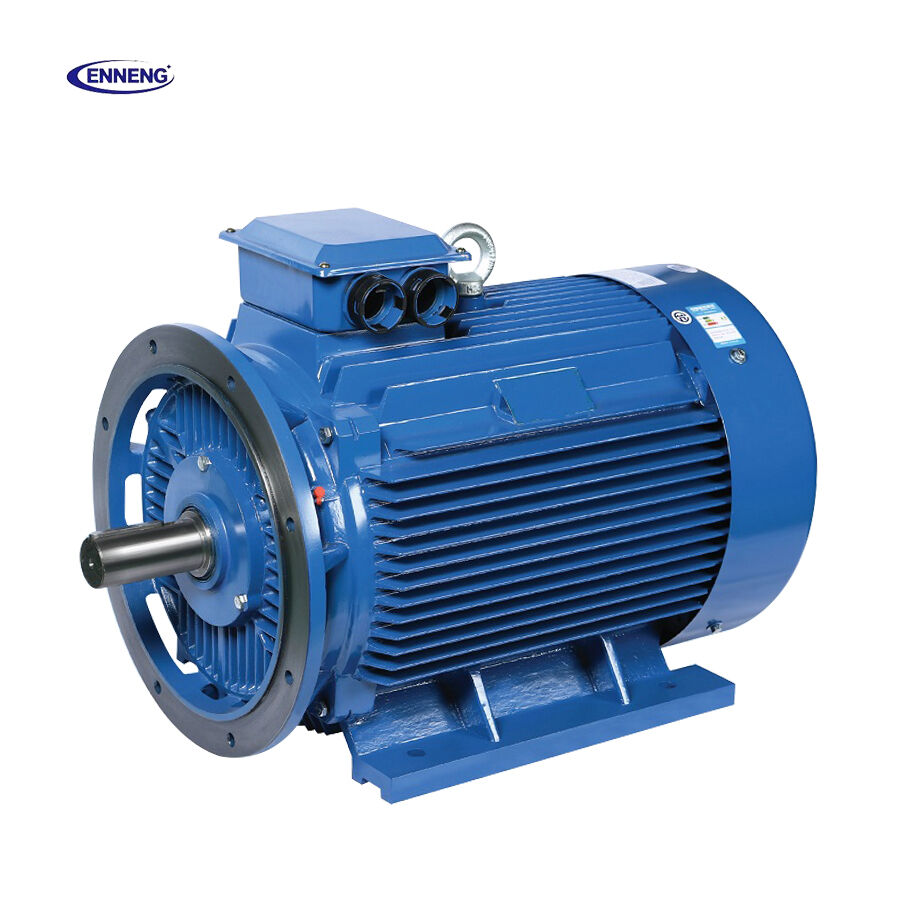
In a plastic injection molding or metal die-casting workshop running 15 to 40 hydraulic presses alongside a 75kW central screw air compressor, retrofitting the compressor and hydraulic pump drives with an ENNENG Energy Saving Motor Solution cuts total workshop electricity bills by 25% to 40% while lowering shop-floor ambient heat and noise.
SME workshop managers and plant electricians can evaluate and execute a high-ROI Energy Saving Motor Solution by following this four-step feasibility workflow:
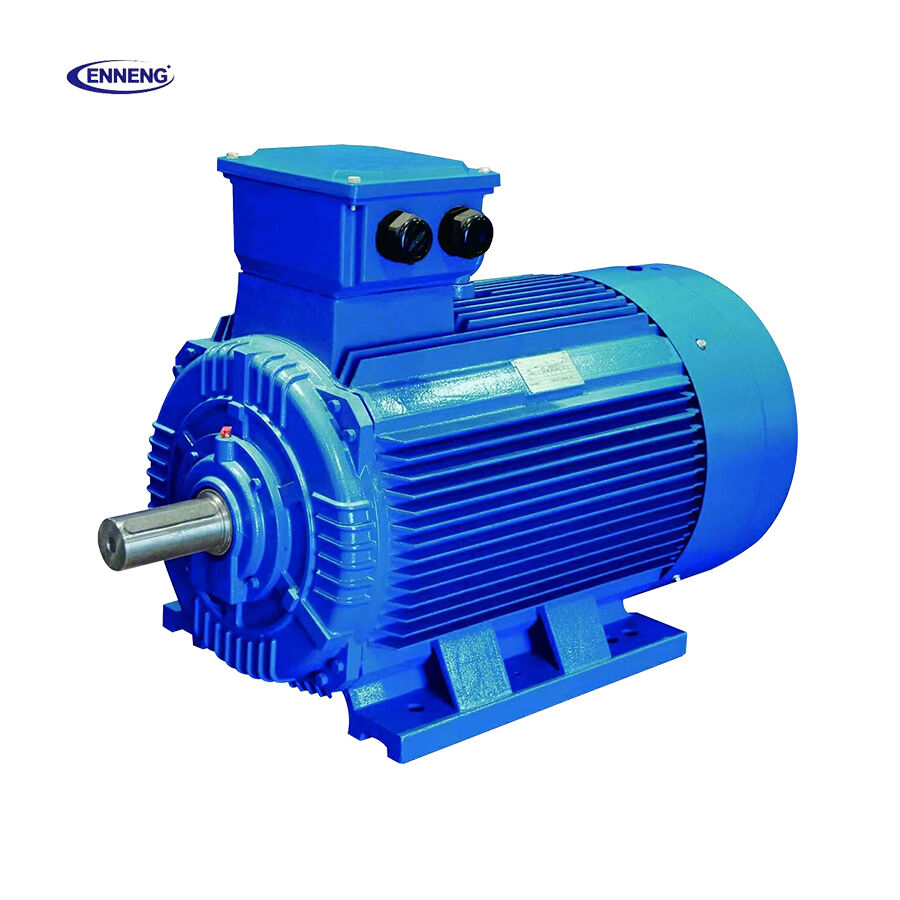
SME workshops rarely have the engineering bandwidth to coordinate separate motor suppliers, VFD programmers, and mechanical fabricators. ENNENG simplifies workshop modernization by delivering pre-matched, custom-engineered Energy Saving Motor Solution kits across the unified 110V–690V range—complete with splined shaft ends for hydraulic gear/plunger pumps, drop-in compressor flanges, and pre-tuned VFD controllers that install in hours.
Contact ENNENG Today.
Consult the ENNENG SME energy solutions team to receive a free workshop feasibility evaluation worksheet and a customised Energy Saving Motor Solution quote.
A: The fastest capital payback (often 8 to 14 months) comes from machines that run long hours with variable or cyclic loads—specifically workshop rotary screw air compressors, hydraulic injection molding or stamping presses, cooling water circulation pumps, and baghouse dust collector fans. Upgrading these units to an ENNENG Energy Saving Motor Solution eliminates idle magnetizing waste immediately.
A: ENNENG manufactures its Energy Saving Motor Solution motors in standard IEC 60072-1 drop-in frames with identical shaft heights, bolt holes, and keyways as legacy induction motors. Workshop electricians can unbolt the old motor and bolt in the ENNENG permanent magnet motor during a routine weekend shift with zero baseplate welding.


 EN