
how-energy-saving-motor-solution-identifies-priorityrenovation-equipment-for-mixedfunction-industrial-plants, how-energy-saving-motor-solution-identifies-priorityrenovation-equipment-for-mixedfunction-industrial-plants, /blog
EN

2026/09/20
A mixed-function plant runs compressors, conveyors, pumps, and process drives under one roof, and each draws power on its own rhythm. ENNENG builds the Energy Saving Motor Solution around the ENNENG Permanent Magnet Motor (PMSM), treating that mix as one system. Renovation budget is never unlimited, so ENNENG's first job is deciding which drive deserves the spend before any copper is ordered.
One mid-size food plant ran more than two hundred motors, most installed a decade apart with no common efficiency class. A quick nameplate scan suggested replacing the largest units first, but that plan ignored how long each actually ran. ENNENG logged the real duty and the Energy Saving Motor Solution redirected the budget toward a handful of oversized fans and a refrigeration compressor that ran around the clock, then supplied ENNENG Permanent Magnet Motor (PMSM) units matched to that load. The saving appeared within the first billing quarter, while the big-but-idle units stayed exactly where they were.
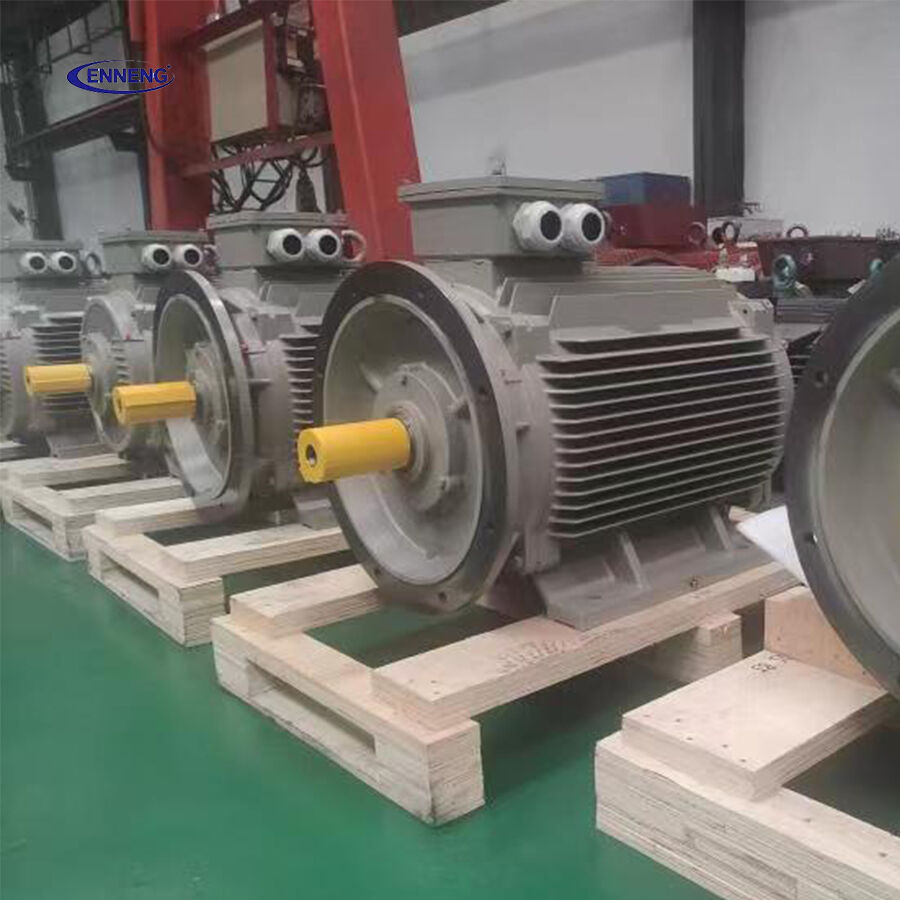
A premium IE5 unit on a drive that runs ten minutes a day returns little, while a standard unit on continuous duty can dominate the bill. The Energy Saving Motor Solution weighs run time, load shape, and duty cycle together, because the meter charges for energy delivered, not for the label.
Skipping the measurement step turns a saving project into a disruption project. The Energy Saving Motor Solution prevents the common failures that follow a guess-based tear-out.
Motors rarely run at the rated point printed on the plate. A pump coerced through a throttled valve spends its life at partial flow, and a conveyor with uneven product spacing sees spikes the nameplate never shows. The Energy Saving Motor Solution logs current and speed for a full production week before quoting, because the real load profile decides the right IE class and control method. The Energy Saving Motor Solution treats that recorded profile as the only honest basis for any replacement decision.
Compressed-air and water systems hide the heaviest, least visible loads in most plants. A single badly matched compressor can outweigh dozens of small drives. The Energy Saving Motor Solution flags these clusters early, since a variable-speed ENNENG Permanent Magnet Motor (PMSM) on the air supply often beats replacing twenty smaller motors scattered across the floor. ENNENG therefore opens the audit with the air and water systems before touching individual machines, because treating the cluster as one problem usually beats treating symptoms one unit at a time.
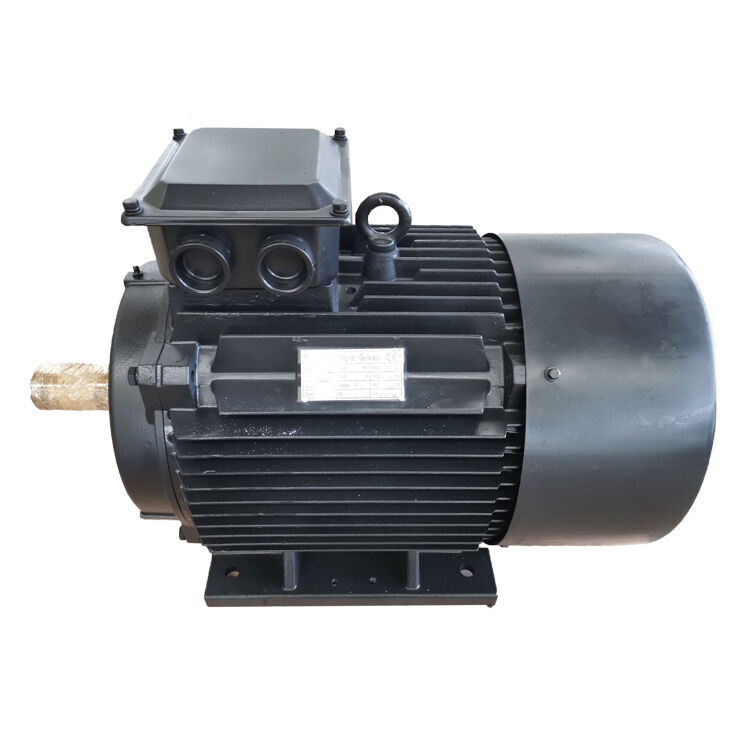
Ranking is the core of the method: spend follows evidence, not instinct. The Energy Saving Motor Solution turns audit data into a short, defensible list of upgrades approved on evidence rather than guesswork.
Before a single motor is pulled, the Energy Saving Motor Solution records run hours, load percentage, and part-load efficiency for each candidate. Drives that sit idle or run light drop to the bottom of the list; continuous, heavily loaded machines rise to the top. This ordering keeps the retrofit budget focused on verified consumption rather than floor space.
Every upgrade carries a production risk if the replacement stops a line. The Energy Saving Motor Solution scores each candidate on energy saved per year against the cost and risk of the change. A high-saving, low-risk fan motor jumps the queue; a critical, hard-to-spare compressor gets a staged plan with a verified spare. The result is a ranked roadmap where the first project is always the one hardest to argue against, which protects both the budget and the schedule.
A credible renovation rests on recognized rules, not vendor claims. The Energy Saving Motor Solution anchors its rankings to international energy and motor standards so the plan survives internal audit.
ISO 50001 sets the energy-management framework that makes a motor audit repeatable and auditable across the site. IEC 60034-30-1 defines the IE efficiency classes, so the claimed saving is tested rather than asserted. The Energy Saving Motor Solution cites both when presenting a plan, which lets a plant manager compare proposals on documented duty and measured consumption, giving procurement a fixed reference point for acceptance.
The loss split below shows why an ENNENG Permanent Magnet Motor (PMSM) pays back on duty, not on the nameplate. Under IEC 60034-30-1 both machines are rated the same way, so the comparison is honest:
|
Loss item (IEC 60034-30-1) |
Induction Motor |
ENNENG PMSM (IE5) |
|
Rotor copper loss |
Continuous at all loads |
Zero across the speed range |
|
Magnetizing current |
Drawn from the grid |
None (magnets supply the field) |
|
50% load efficiency |
Drops well below rated |
Stays close to rated |
|
Energy over duty |
Higher on continuous runs |
Lower where run hours are high |
Start with a one-week power log on the top twenty energy users, then map each to its duty cycle and IE class. The Energy Saving Motor Solution recommends replacing only the top-ranked continuous-duty units first, verifying the new motor against IEC 60034-30-1 before sign-off. Where a site also runs on-site generation, apply the same ranking to rotating machines in the 5kW to 5MW range with 110V to 690V windings.
A renovation budget should follow a logged duty profile, not the nameplate. ENNENG supplies ENNENG Permanent Magnet Motor (PMSM) units built to ISO 9001 and CE for mixed-function plants in more than 20 countries.
Send ENNENG the one-week power log from the top energy users for a ranked payback roadmap before purchase.
A: The Energy Saving Motor Solution ranks candidates by measured energy use, not size. It logs run hours and load for the heaviest drives, then scores each on annual saving against replacement risk. Continuous, heavily loaded machines reach the top, while idle or lightly used units stay in place. The first upgrade is always the one with the clearest, verified payback.
A: A premium IE5 motor on a drive that runs ten minutes a day returns almost nothing, while the purchase cost is real. The Energy Saving Motor Solution matches the IE class to the duty cycle, because payback depends on run time as much as on efficiency. Spending the budget where hours are high delivers the saving; overspecifying idle units wastes capital that could cut a larger load.
A: Compressor and pump clusters usually hide the biggest, least visible consumption, so they belong at the top of any audit list. The Energy Saving Motor Solution also targets continuously running fans and refrigeration drives before small, intermittent machines. Measuring the twenty largest energy users for one production week reveals most of the available saving without logging every single motor on site.
A: ISO 50001 provides the energy-management framework that makes the audit repeatable, and IEC 60034-30-1 defines the IE efficiency classes so claims are tested. The Energy Saving Motor Solution references both when presenting a roadmap, letting managers compare proposals on documented duty rather than vendor language. Citing standards also simplifies internal approval and later verification of the result.
A: The Energy Saving Motor Solution re-measures the upgraded drive thirty days after commissioning and compares the new consumption against the pre-retrofit log. Where the predicted saving does not appear, the control settings or duty assumption is reviewed. Keeping the old unit as a spare on critical lines protects production while the measured result confirms the business case and closes the audit loop.
A: Yes. Where a mixed plant recovers waste heat or runs on-site generation, the same ranking logic applies to rotating machines in the 5kW to 5MW range with 110V to 690V windings. The Energy Saving Motor Solution scores a generator by its duty and recovered energy, using the same measured-duty principle that governs the motor side of the renovation program.


 EN