
 EN

How High Efficiency Motor Supplier Assists Overseas Clients to Sort Out Complete Motor Technical Requirement Documents
A motor request can look simple until the buyer has to approve a drawing, compare quotations, and accept a finished unit across borders. A High Efficiency Motor Supplier adds value by turning scattered emails, drawings, and nameplate preferences into one controlled technical requirement document. That document gives the buyer, the project engineer, and the factory one working version of the specification.
For an overseas purchaser, the practical question is not only “Can this High Efficiency Motor Supplier make an efficient motor?” It is “Can the supplier help us define the motor that will work in our voltage system, load profile, installation space, and compliance process?” A clear answer starts before a quotation is issued.
Why a complete requirement document matters
It is tempting to send only power, speed, and a target efficiency class. That is enough for a rough discussion, but not for a dependable design release. A High Efficiency Motor Supplier should identify the missing conditions that can change winding design, thermal margin, shaft arrangement, enclosure, and test method.
IEC 60034-1 is commonly used as a reference for rotating-machine rating and performance information. IEC 60034-30-1 also frames familiar IE efficiency classes: IE2 is generally called high efficiency, IE3 premium efficiency, and IE4 super-premium efficiency. Yet an IE class alone is not a complete motor definition. Rated output, pole count, frequency, duty, and load pattern affect what the requirement actually means.
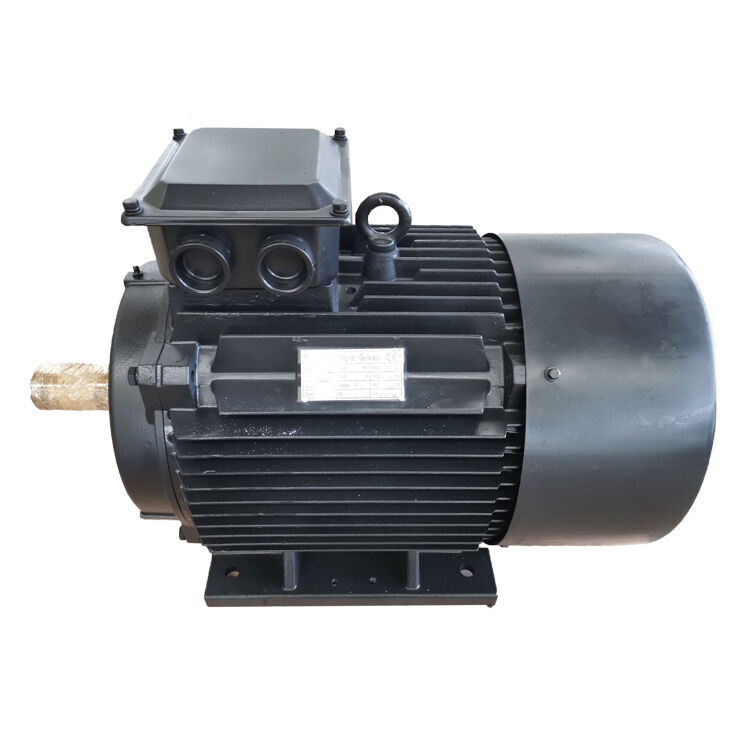
For example, treating a motor’s power rating as a fixed number is fine for rough planning; once ambient temperature, altitude, ventilation, or a variable-speed duty is considered, the usable continuous output can shift considerably. A capable High Efficiency Motor Supplier records those conditions instead of silently assuming them.
Step 1: Start with the application and load profile
The first working sheet should explain what the motor drives: a pump, fan, compressor, conveyor, mixer, or another machine. A High Efficiency Motor Supplier will ask for starting frequency, operating hours, load-versus-speed curve, overload events, direction of rotation, and whether a VFD controls the motor.
- Describe the driven equipment and its required torque behavior.
- State continuous, intermittent, or cyclic duty and expected starts per hour.
- Confirm whether operation is fixed speed or variable speed.
- Identify consequences of downtime, because reliability requirements often change the appropriate design choice.
Custom PM Motor Design is especially useful to discuss at this stage when a standard frame or winding may not match the real duty. The goal is not to make a bespoke motor by default; it is to decide whether the application justifies a custom arrangement before a production drawing is frozen.
Step 2: Lock down the electrical requirement
A High Efficiency Motor Supplier should turn the electrical discussion into unambiguous fields: rated power, voltage, frequency, phase, rated speed or pole count, connection method, efficiency target, service factor if applicable, and permitted supply variation. Overseas projects often fail at this point because a plant voltage, control voltage, or frequency was assumed rather than confirmed.
Ask the supplier to list both the requested performance values and the conditions under which they will be verified. That makes it easier to compare proposals fairly. For high-efficiency projects, a High Efficiency Motor Supplier should also clarify whether the stated efficiency is at a defined rated condition and which test or standard reference will govern the acceptance record.
Step 3: Define mechanical interfaces before production
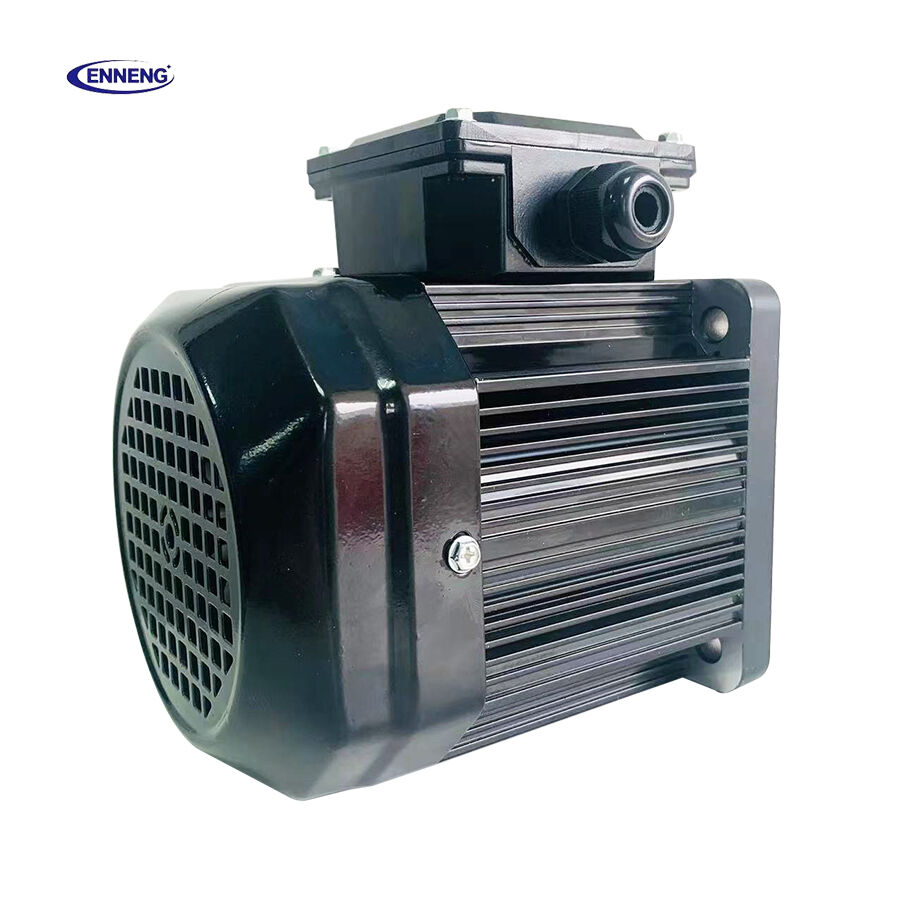
A quotation should not be treated as a dimensional drawing. The requirement document needs frame or mounting arrangement, shaft diameter and extension, keyway details, flange dimensions, terminal-box orientation, cable entry, weight limits, and any coupling constraints. A High Efficiency Motor Supplier can issue a preliminary general-arrangement drawing so that the customer’s mechanical team can mark changes early.
This review has a practical payoff. A small mismatch in shaft, flange, or terminal-box access can delay installation far more than it costs to resolve on a drawing. Anyway, the point is not to collect every possible dimension. It is to identify the interfaces that cannot be changed after the motor reaches the site.
Step 4: Record the environment and protection expectations
Temperature range, altitude, humidity, dust, salt exposure, ventilation, and installation location all belong in the document. A High Efficiency Motor Supplier should ask whether the motor is indoors, outdoors, in a washdown area, near corrosive media, or installed at elevation. These details inform enclosure protection, insulation system, coatings, bearings, and derating discussions.
Once you start accounting for ambient-temperature and altitude derating, nameplate ratings can look quite different from the output that should be planned for on site. This is why a High Efficiency Motor Supplier should flag incomplete environmental inputs rather than fill them with generic assumptions.
Step 5: Agree on documents, tests, and acceptance points
The requirement file should include a deliverables table. A High Efficiency Motor Supplier may prepare a data sheet, outline drawing, wiring diagram, nameplate artwork, material or component list where agreed, inspection-and-test plan, routine test record, and packing details. The exact package should match the project rather than copy a generic export folder.
For an overseas buyer, document control is also a trust tool. ENNENG’s approved business profile describes direct design and manufacturing of permanent-magnet motors with in-house winding capability, plus support for configurations and documentation across Asian, European, and North American markets. In practice, a High Efficiency Motor Supplier can use that technical dialogue to align voltage, certification expectations, and English-language drawing review without claiming approvals that have not been confirmed for the specific order.
Step 6: Use a revision-controlled approval loop
- The buyer supplies application data and any existing drawings or standards.
- The High Efficiency Motor Supplier issues a clarification list and a preliminary data sheet.
- Both sides resolve deviations, alternatives, and missing values in writing.
- The supplier releases controlled drawings and the final specification for approval.
- Production starts only after the approved revision, test scope, and acceptance criteria are recorded.
A High Efficiency Motor Supplier should label revisions and list what changed. This reduces the common cross-border problem in which procurement approves one file while engineering comments on another. It also gives the final test report a clear specification baseline.
A practical checklist for the buyer’s first inquiry
| Requirement group | Information to provide or confirm |
|---|---|
| Application | Driven machine, load profile, duty, starts, VFD use, operating hours |
| Electrical | kW, voltage, frequency, phase, speed, efficiency class, connection |
| Mechanical | Mounting, shaft, flange, dimensions, terminal-box orientation, coupling |
| Environment | Ambient range, altitude, humidity, dust, corrosion, indoor/outdoor location |
| Verification | Drawings, nameplate, inspection plan, routine tests, acceptance criteria |
Use this checklist as a starting point, then let the High Efficiency Motor Supplier turn it into a project-specific template. It is true that a more detailed first inquiry takes time. But it usually shortens the approval cycle and lowers the chance of redesign, rework, or a site mismatch later.
Contact US
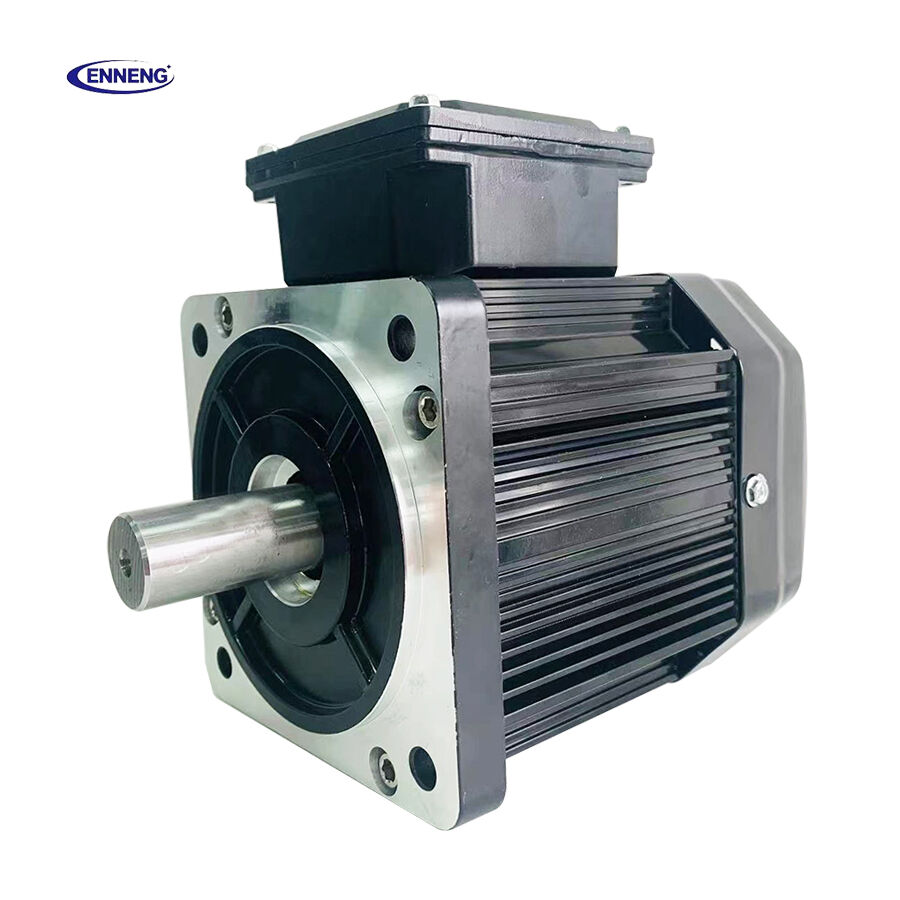
If you are evaluating commercial permanent magnet motors for sale and need an engineered drive solution that guarantees efficiency and longevity, ENNENG is your trusted partner.Contact ENNENG Today.Speak to our technical engineering team to receive a customised drive proposal.
- WhatsApp: +86 18562780228
- E-Mail: [email protected]
- Phone: +86 532 66000559
Choose a supplier that clarifies, not one that merely quotes
The most helpful High Efficiency Motor Supplier does more than repeat catalogue values. It identifies the decisions behind the numbers, records the assumptions, and helps the overseas team close them before production. When technical requirements are complete, Custom PM Motor Design discussions become more disciplined, efficiency claims become comparable, and acceptance becomes easier to manage.
Before requesting a final quotation, send the available application, electrical, mechanical, environmental, and test information in one file. Then ask the High Efficiency Motor Supplier to return a clarification matrix and controlled data sheet. That simple exchange creates a better foundation for an efficient motor and a more predictable international project.

