
 EN

A High Efficiency Motor Supplier is often asked to quote a motor before every requirement is fully visible. That is manageable for a standard replacement, but it is a poor basis for a special industrial motor. A non-standard duty cycle, unusual mounting arrangement, harsh ambient condition, speed range, or VFD control requirement can change what “high efficiency” means in service. Prototype verification is the practical bridge between an early specification and a production-ready motor.
For buyers developing pumps, fans, compressors, conveyors, or other OEM equipment, the objective is not simply to receive a prototype that turns. It is to confirm that the motor meets the agreed operating envelope and that the evidence can be used to decide whether design changes are needed before series production. A capable High Efficiency Motor Supplier should make that process traceable, not mysterious.
Start with a verification brief, not a generic motor request
The most useful prototype program begins with a requirement-to-test matrix. The buyer supplies the application facts that affect the design: required torque and speed range, load profile, supply voltage, intended drive, ambient temperature, altitude, enclosure constraints, mounting interface, shaft and coupling details, duty cycle, and target market. The supplier then turns those inputs into acceptance criteria and a proposed test plan.
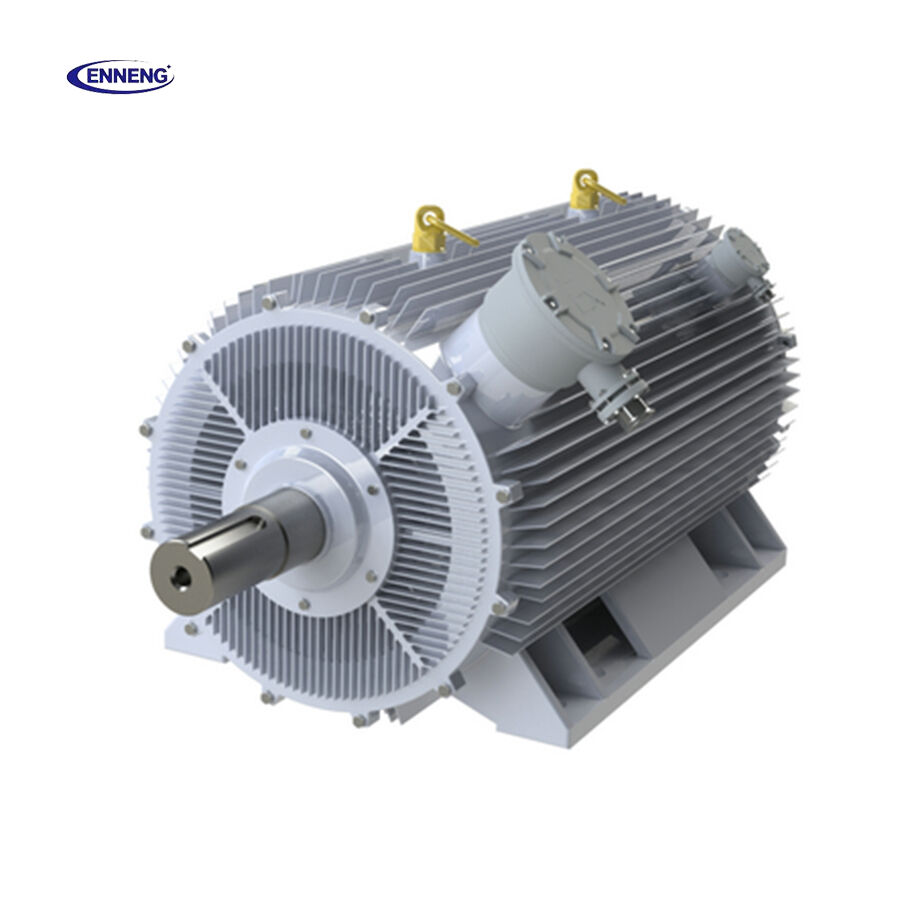
This is especially important for Custom PM Motor Design. Permanent-magnet motors can offer strong partial-load performance in suitable applications, but the design must be matched to the actual load and control method. Before looking at a headline efficiency figure, ask: at what speed and torque points will the machine operate most of the time? The answer determines which measurements are meaningful.
What a High Efficiency Motor Supplier should verify on a prototype
Prototype verification normally combines electrical, mechanical, thermal, and control-system checks. The exact sequence varies by application, so no generic checklist replaces an agreed test plan. Still, the following categories help buyers evaluate whether a High Efficiency Motor Supplier is validating the right risks.
- Electrical consistency: winding resistance, insulation condition, phase balance, and other measurements appropriate to the machine design can help confirm that the built unit matches its intended electrical configuration.
- Torque and speed behavior: test points should reflect the real duty cycle rather than only a single nameplate condition. This is where a custom design either supports the application or reveals a mismatch early.
- Thermal performance: temperature rise must be evaluated against the agreed load, ambient condition, cooling arrangement, and runtime. A motor that appears stable during a short bench run may behave differently during sustained operation.
- Mechanical integration: shaft dimensions, mounting, runout, vibration, noise, and coupling behavior should be considered with the driven equipment in mind.
- Drive compatibility: where a VFD is part of the system, the prototype should be reviewed with the intended control mode, speed range, and protection settings. A motor and drive can each look correct on paper while still needing parameter work as a pair.
Connect efficiency targets to the applicable operating and market conditions
Efficiency classes are useful reference points, not a substitute for application validation. IEC 60034-30-1 is commonly used to frame IE efficiency classes for applicable low-voltage AC motors; for example, IE3 is generally described as Premium Efficiency and IE4 as Super Premium Efficiency. Whether a particular motor, rating, frame, speed, or market falls within a relevant requirement must be confirmed for the actual project.
That boundary matters. If a motor operates with elevated ambient temperature, altitude derating, frequent starts, or a load curve that rarely approaches rated torque, a nameplate comparison alone cannot confirm the energy outcome. A High Efficiency Motor Supplier should state the test conditions alongside any measured result and identify the conditions that remain to be verified on the buyer’s equipment.
Use the prototype to close integration risks before release
Special industrial motor requirements are frequently integration requirements in disguise. A vibration concern may come from mounting rigidity or baseplate resonance rather than the motor alone. Likewise, an efficiency concern may be tied to a load profile, drive tuning, or cooling condition that was not included in the first RFQ.
For that reason, the prototype review should end with a structured decision: pass as designed, revise the design, revise the acceptance conditions, or request additional application data. This is more valuable than a simple “sample approved” note because it identifies what the production configuration must preserve.
A practical evidence package for Custom PM Motor Design
When reviewing a prototype from a High Efficiency Motor Supplier, ask for an evidence package that connects the original brief to the result. It can include the approved specification, drawings for critical interfaces, a requirements-to-test matrix, test conditions, measured observations, deviations, and the recommended next action. The supplier should also clarify which items were evaluated on the prototype and which must be validated after the motor is installed in the final machine.
- Confirm the application inputs and priority constraints before prototype release.
- Agree the test points, measurement methods, and pass/fail criteria in writing.
- Review results against the operating envelope rather than a single headline rating.
- Record any design or process change needed for production.
- Define the final acceptance checks for the first production units.
How ENNENG supports a more accountable supplier review
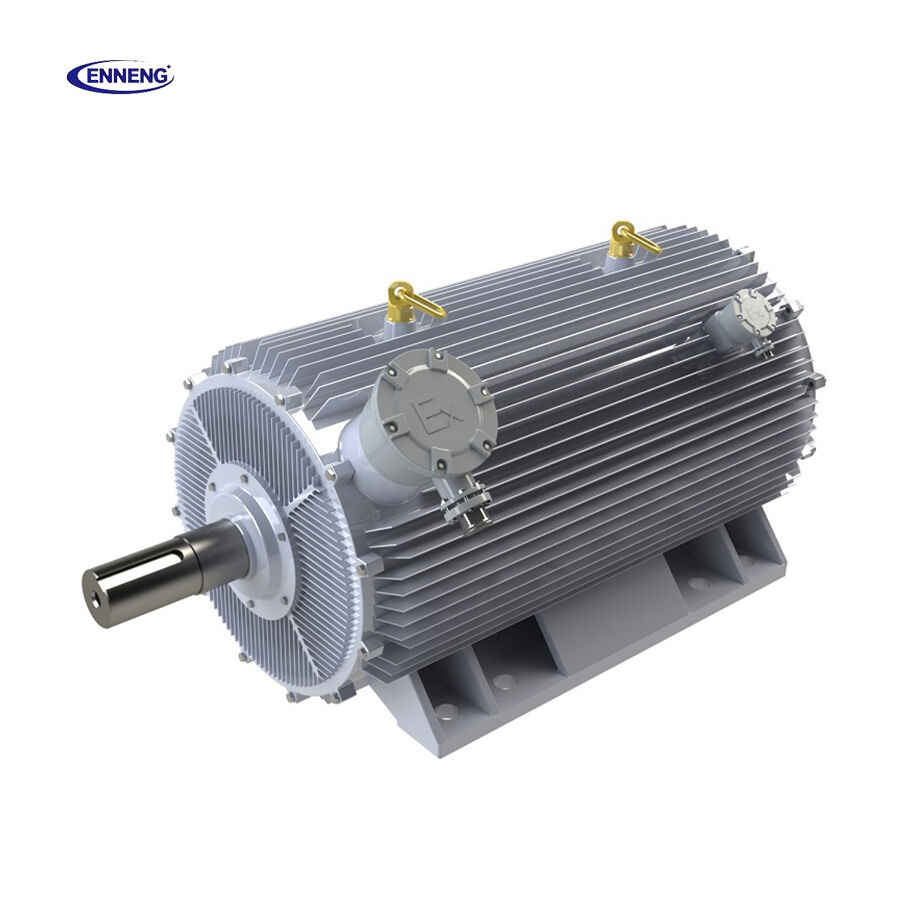
ENNENG focuses on permanent-magnet motors and related energy equipment, with direct design and manufacturing capability that can support application-specific winding, shaft, mounting, voltage, and protection-class discussions. For special industrial motor projects, its value is not a universal performance promise. It is a structured pre-sales conversation that helps buyers provide the load profile, environment, and installation details needed to evaluate a practical configuration.
- WhatsApp: +86 18562780228
- E-Mail: [email protected]
- Phone: +86 532 66000559

