
 EN

For an overseas buyer, a custom-motor inquiry can look simple: a required power, voltage, speed, and delivery destination. In practice, it is a systems question. A responsible High Efficiency Motor Supplier should not treat a short specification sheet as proof that a project is ready for quotation. The purpose of feasibility review is to uncover the inputs that determine whether a motor can be designed, built, tested, shipped, installed, and operated as intended.
From a procurement standpoint, the important question is not “Can you make this motor?” It is “Can this motor meet our duty, interface, regulatory, and acceptance requirements with evidence?” That is the distinction a High Efficiency Motor Supplier should make before committing to a custom configuration.
Start with the application, not the nameplate
The first gate for a High Efficiency Motor Supplier is the driven load. A stated kW rating is necessary, but it is rarely sufficient. The review should ask what equipment the motor drives, whether the load is constant or variable, how often it starts, the required speed range, peak torque, duty cycle, and expected annual operating hours. For pumps, fans, compressors, conveyors, and OEM equipment, the actual load curve often matters more than one rated operating point.
This is especially relevant when the request involves Custom PM Motor Design. Permanent-magnet machine selection can be sensitive to the relationship among speed, torque, thermal loading, and the drive strategy. A High Efficiency Motor Supplier should request a load profile or the most useful available operating data instead of assuming that a standard rated point represents the whole application.
Efficiency claims also need context. IEC 60034-30-1 provides the familiar IE efficiency-class framework, but a requested class does not by itself validate a particular installation. A High Efficiency Motor Supplier should clarify the requested rating, pole count, operating mode, and target-market requirement before presenting an efficiency statement as project evidence.
Check the mechanical envelope early
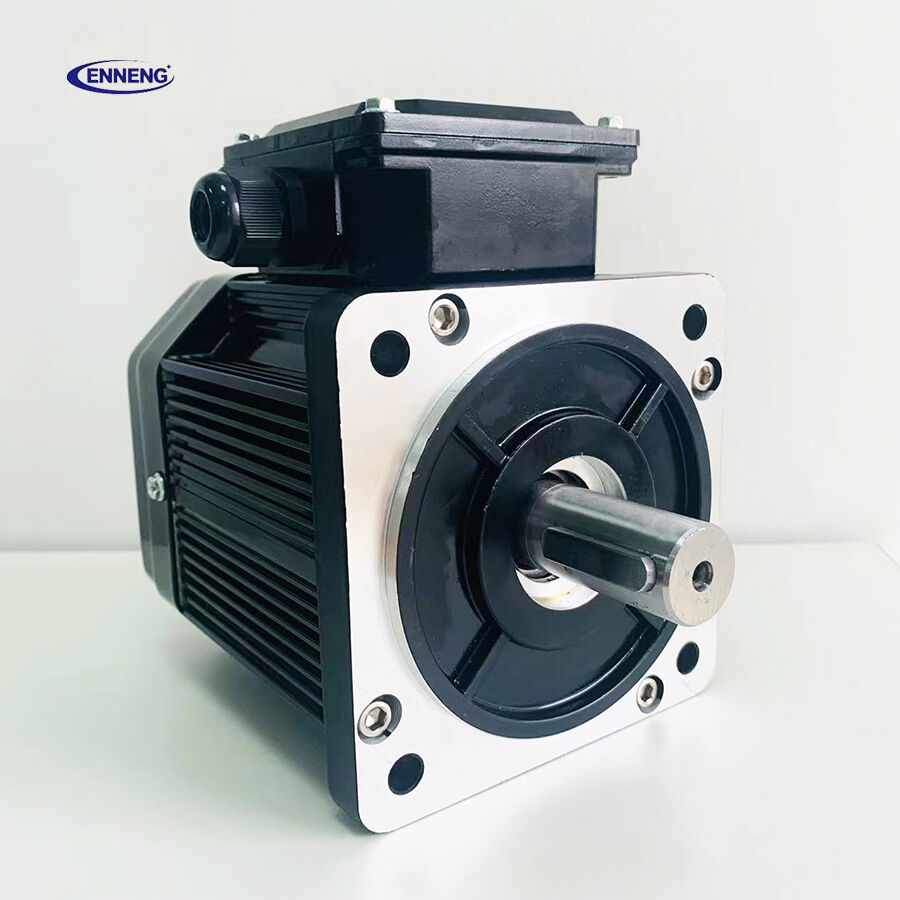
Many overseas custom projects become difficult for mechanical, rather than electromagnetic, reasons. A High Efficiency Motor Supplier should compare the requested frame, mounting arrangement, shaft dimensions, coupling or pulley loads, flange details, rotation direction, overall envelope, and service-access constraints with the proposed design. For retrofit work, a motor that meets electrical targets can still fail the project if its shaft height, flange, or coupling position does not match the existing machine.
That review should include vibration exposure, radial and axial loading, and whether the equipment will be direct-coupled, belt-driven, or integrated into an OEM assembly. A High Efficiency Motor Supplier can then identify which dimensions are fixed, which can be configured, and which require a redesigned interface before production planning begins.
Screen the real operating environment
Environmental conditions are not an afterthought in feasibility. A High Efficiency Motor Supplier should ask for ambient temperature, altitude, humidity, dust, salt exposure, ventilation, installation orientation, and expected vibration. Standard motor ratings commonly assume ambient temperatures no higher than 40 °C and elevations no higher than 1,000 m; higher temperature or altitude can change cooling conditions and may require a design review or derating.
This is one area where a disciplined High Efficiency Motor Supplier avoids an overconfident answer. If a buyer supplies only a city and a rated power, the supplier still needs the enclosure environment, peak ambient temperature, and installation details. For a Custom PM Motor Design, those details can affect thermal margins, insulation choices, protection expectations, and the evidence required at acceptance.
Confirm the motor-drive relationship
A motor is not feasible in isolation when a VFD, controller, inverter, or existing control cabinet is part of the project. A High Efficiency Motor Supplier should identify the drive model or at least its control method, supply voltage and frequency, switching conditions where relevant, feedback needs, cable length, braking demand, and operating speed range. The question is not whether a drive is present; it is whether the motor and drive will be evaluated as a compatible system.
For Custom PM Motor Design, this conversation is central because the winding, back-EMF characteristics, current limits, control algorithm, and speed envelope must be considered together. A High Efficiency Motor Supplier should flag missing drive information as a feasibility risk, not fill the gap with an unsupported compatibility promise.
Translate overseas requirements into a compliance plan
Export projects introduce another gate: the destination-market requirements must be separated from generic quality language. A High Efficiency Motor Supplier should ask where the motor will be installed, which standards or customer specifications apply, whether a named certification or marking is required, what language is needed for documentation, and who will approve the technical file. Requirements can differ by market and application, so no supplier should imply that one document automatically satisfies every import or installation rule.
A useful output from this stage is a compliance matrix: customer requirement, proposed evidence, responsible party, and unresolved item. This helps the High Efficiency Motor Supplier decide whether the project is feasible now, feasible with additional engineering, or pending information from the buyer.
Agree on proof before the order is released
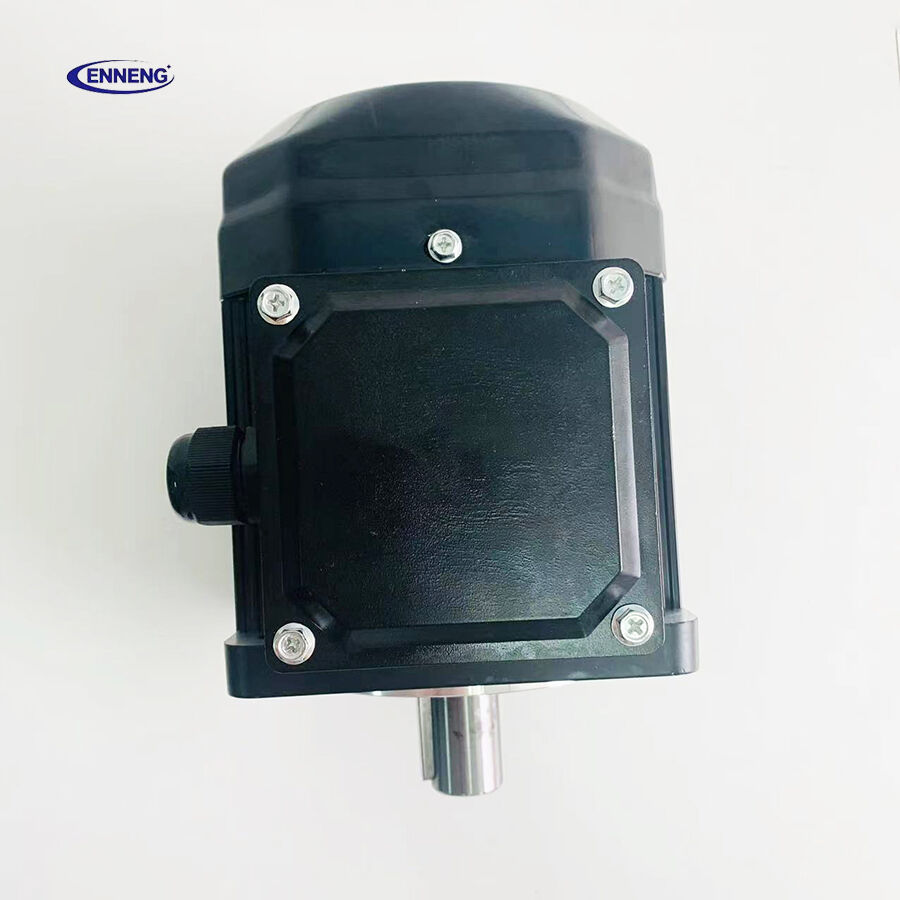
Feasibility becomes more credible when acceptance is defined before production. A High Efficiency Motor Supplier should ask what the buyer needs to verify: dimensions, no-load behavior, rated operating point, insulation or protection-related checks, vibration limits, documentation, packaging, or witness arrangements. IEC 60034-2-1 establishes methods for determining losses and efficiency from tests, which is a useful reminder that efficiency evidence should be discussed as a test-and-documentation question rather than as a marketing phrase.
The High Efficiency Motor Supplier should also identify the difference between a design target and a contractual acceptance condition. If a requested metric cannot be measured under the agreed conditions, the project team should resolve that before an order is released. This protects both parties from a late disagreement about what “high efficiency” meant in the original inquiry.
The ENNENG Customisation Advantage
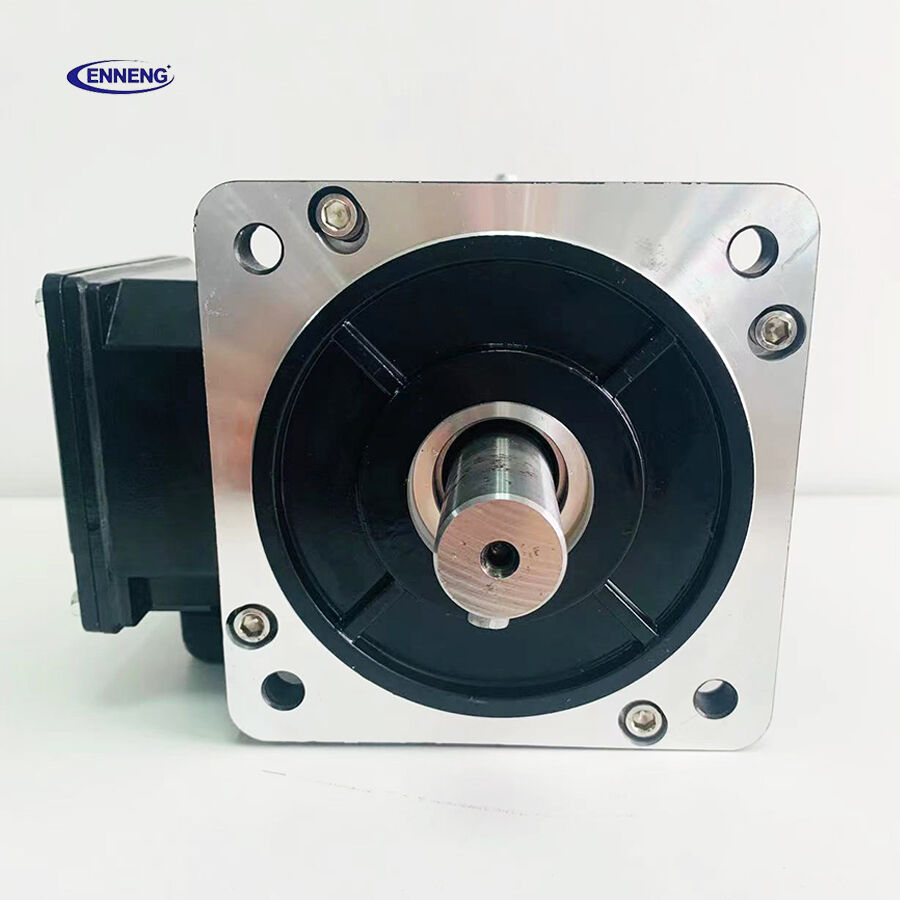
No two industrial facilities share the same spatial or mechanical constraints. ENNENG stands out because we do not just supply off-the-shelf catalogue products; we specialise in delivering a tailor-made permanent magnet motor tailored to your specific application .
Supported by our elite R&D team consisting of engineers from the National Rare Earth Permanent Magnet Engineering Centre, and backed by dozens of patents, we customise high-voltage (6kV/10kV) and low-voltage (380V/660V/1140V) solutions to match your existing footprint. From water treatment facilities and oil wells to explosion-proof mining environments, we deliver optimal performance where general-purpose motors fail .
If you are evaluating commercial permanent magnet motors for sale and need an engineered drive solution that guarantees efficiency and longevity, ENNENG is your trusted partner.Contact ENNENG Today.Speak to our technical engineering team to receive a customised drive proposal.
- WhatsApp: +86 18562780228
- E-Mail: [email protected]
- Phone: +86 532 66000559

