
how-high-efficiency-motor-supplier-provides-reasonable-suggestions-for-industrial-motor-model-selection-work, how-high-efficiency-motor-supplier-provides-reasonable-suggestions-for-industrial-motor-model-selection-work, /blog
EN

2026/10/26
Industrial motor selection is rarely solved by choosing the highest efficiency number on a catalog page. A capable High Efficiency Motor Supplier starts with the machine, the load profile, and the operating environment, then turns those facts into a motor specification that can be checked before an order is released. That approach reduces the chance of paying for capacity that does not serve the application, undersizing a drive that must start under load, or specifying a motor that is difficult to integrate.
In a technical sales conversation, the work is practical: establish what the driven equipment needs; identify the electrical, thermal, and mechanical constraints; compare viable motor configurations; and document the assumptions. The result is not merely a motor quotation. It is an Energy Saving Motor Solution aligned with the duty the equipment will actually perform.
Rated power is necessary, but it is not the complete operating story. A pump, conveyor, fan, mixer, or generator-driven system may run steadily, cycle frequently, start against inertia, or spend most of its time at partial load. The shift that improves selection decisions is moving from peak efficiency to duty-cycle fit: a strong nameplate figure matters only when the actual load and operating hours allow the motor to deliver it.
This distinction matters because motor systems have a large energy footprint. The International Energy Agency’s 4E programme reported that electric motor systems accounted for 53% of global electricity consumption in 2023. That is context, not a promise of a particular saving. The achievable outcome still depends on the application, control method, maintenance condition, and how closely the selected motor matches the load.
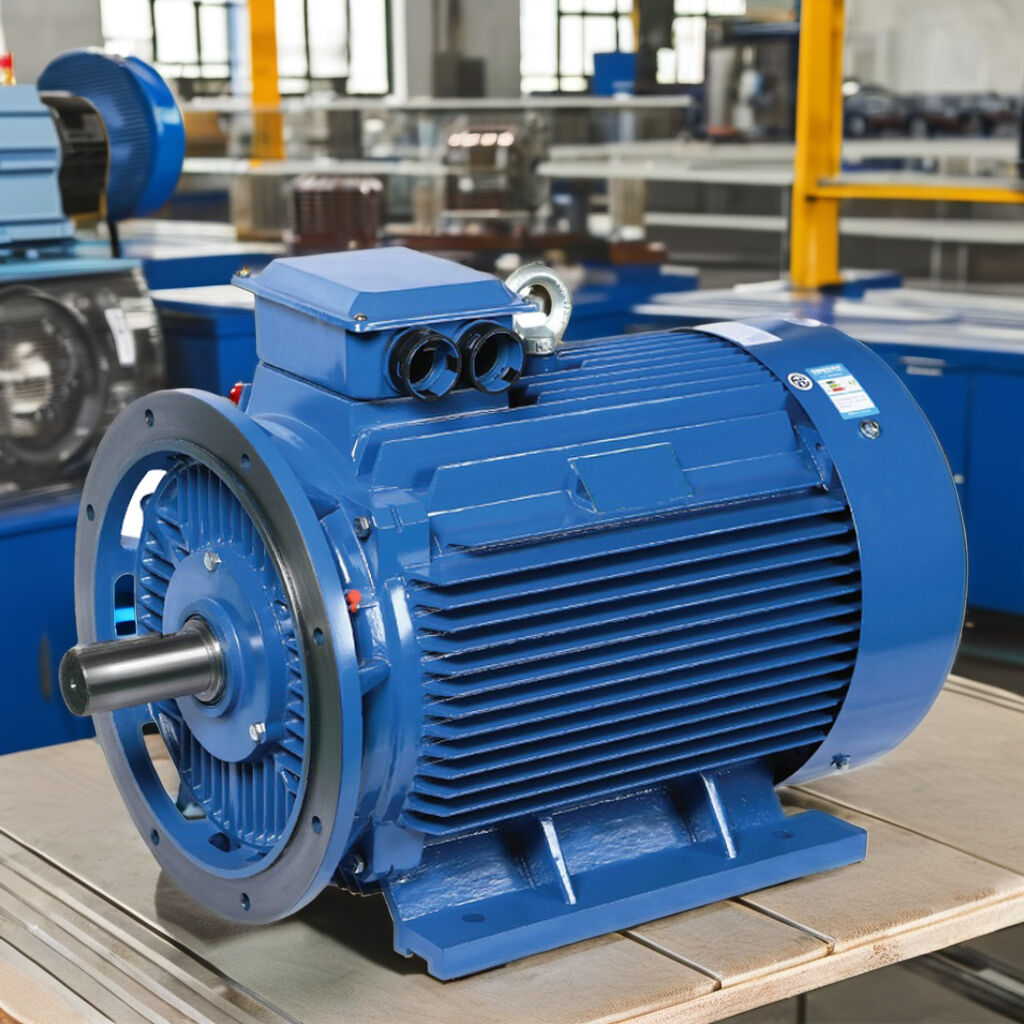
IEC 60034-30-1 provides a useful efficiency-class framework for many single-speed motors, including classes from IE1 through IE4 across defined power, pole, and frequency ranges. A High Efficiency Motor Supplier should therefore ask which market rules and test conditions apply before treating an IE class as a universal answer.
Reasonable recommendations begin with a short but disciplined application questionnaire. Before looking at a preferred frame size, it is worth asking: what does the driven machine actually demand during starting, normal running, overload, and shutdown?
A supplier can use this information to clarify the difference between a minimum acceptable motor and the option that fits the system most appropriately. If the site is hotter than the nominal condition, for example, thermal derating may change the recommended power margin. That is why a motor should not be selected from output rating alone.
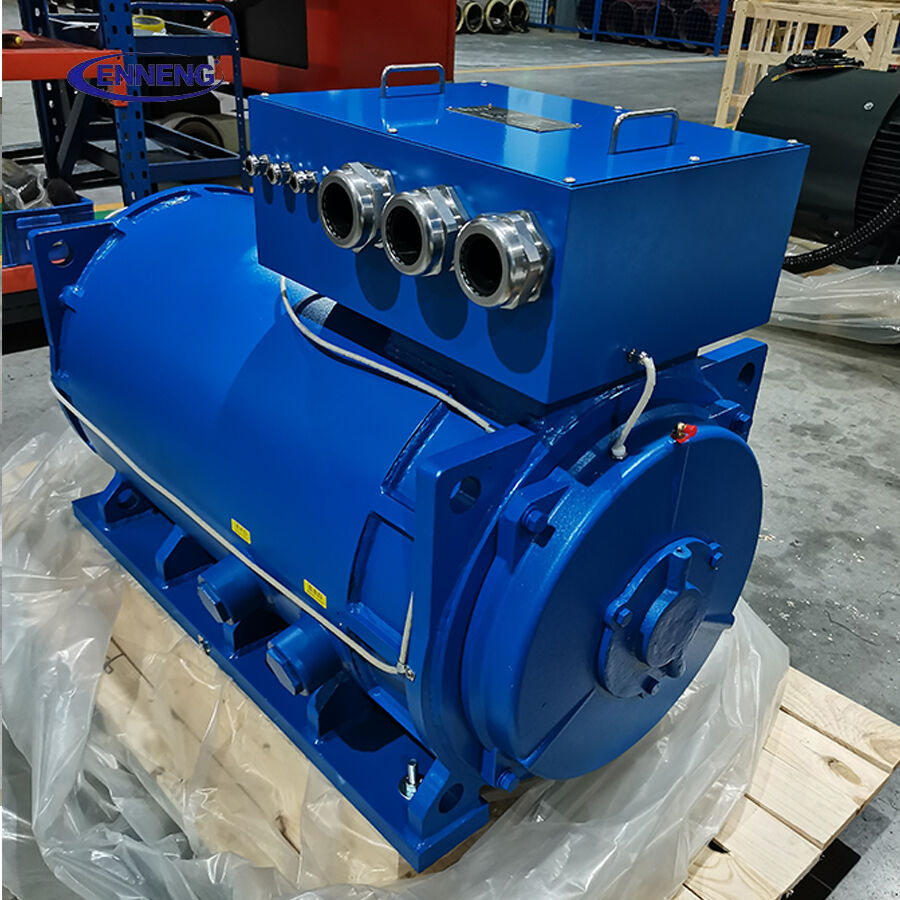
The supplier first maps the load rather than simply rounding up the customer’s stated kilowatt requirement. A sensible margin accounts for starts, transient load, site temperature, and reasonable future variation without driving the motor so far below its typical operating range that the expected efficiency advantage becomes less meaningful. In variable-load work, the control strategy and operating curve deserve as much attention as nominal power.
The next step is to compare suitable technologies against the actual duty. For some applications, an induction motor is the practical choice. For others, a permanent-magnet configuration or a motor paired with a suitable variable-frequency drive may offer a better Energy Saving Motor Solution. The recommendation should lay out the trade-off plainly: initial cost, speed control, starting behavior, partial-load performance, service expectations, and integration requirements all matter.
You might be thinking that selecting the highest efficiency class automatically settles the question. It does not. A premium specification can become irrelevant under a constant duty where another configuration meets the requirement reliably at lower total installed cost. Conversely, a model that performs well across the real speed and load range can justify closer evaluation when energy use and uptime dominate lifecycle cost.
Environmental and mechanical checks prevent many avoidable mismatches. Enclosure protection, cooling method, insulation approach, bearings, terminal arrangement, mounting, and corrosion exposure should be confirmed against the installation—not assumed from a generic motor category. For coastal, dusty, high-altitude, or high-temperature locations, a High Efficiency Motor Supplier should explain what changes in the recommendation and what information remains to be verified during final engineering.
Motor efficiency is only one part of system performance. Couplings, gearboxes, belts, driven equipment, cables, controls, and commissioning settings can all influence losses and reliability. The U.S. Department of Energy notes that motor-system energy and cost savings can come from energy-management practices alongside efficient equipment. In practice, that means the supplier should consider the motor in its installed system rather than present a component-only answer.
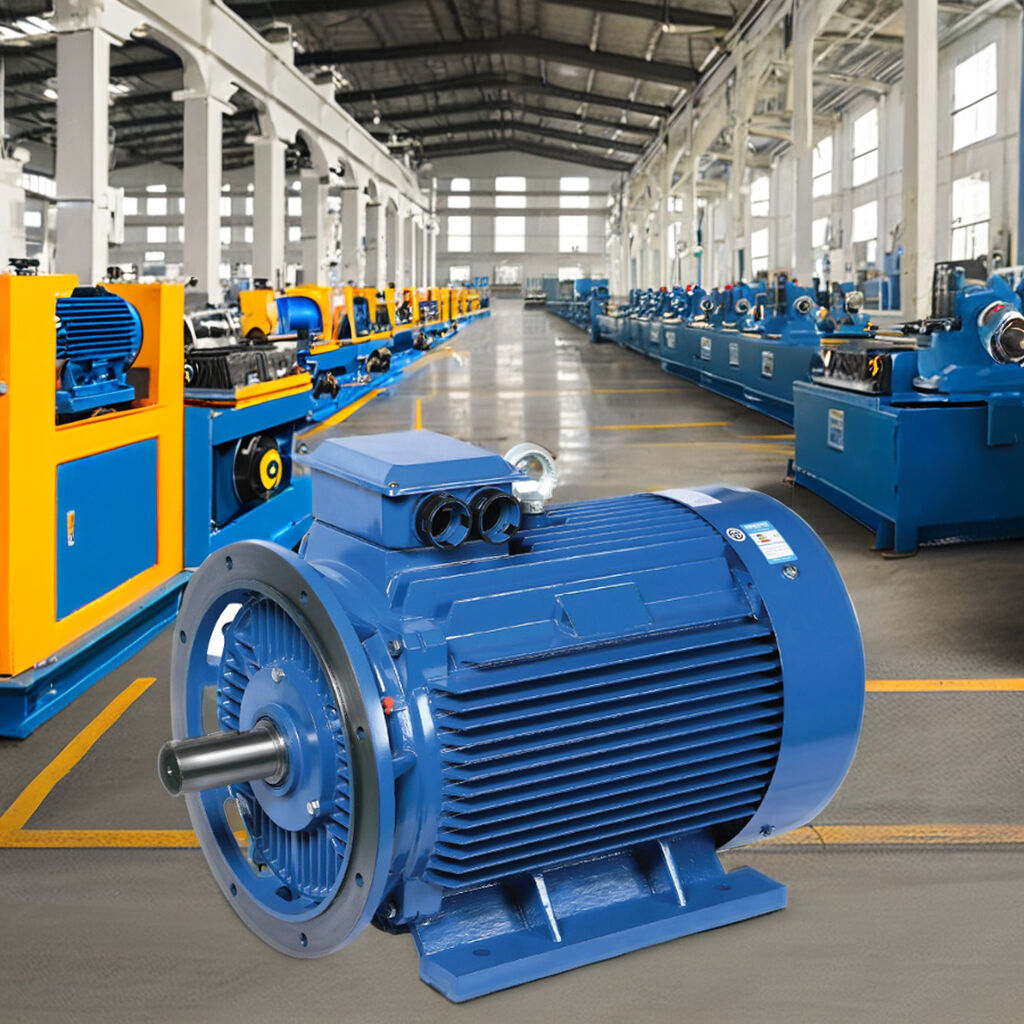
A credible proposal should make its reasoning reviewable. Instead of a bare model number, ask for a selection summary that includes the proposed motor configuration, rated power and speed, voltage and frequency, efficiency-class applicability, mounting and enclosure assumptions, cooling and insulation assumptions, control compatibility, and the application inputs used to make the choice.
It should also separate confirmed facts from items requiring customer confirmation. This is an important sign of technical discipline. A supplier that says “confirm cable length and inverter parameters before finalizing” is not avoiding responsibility; it is protecting the project from a recommendation based on incomplete conditions.
|
Selection question |
Why it changes the model |
Evidence to request |
|
What torque is needed at start and at normal operation? |
It affects power sizing, starting method, and overload capability. |
Load curve, start frequency, inertia, and driven-equipment data. |
|
How much time is spent at partial load or variable speed? |
It influences technology and control choices in an Energy Saving Motor Solution. |
Operating profile, production schedule, and speed range. |
|
What are the site conditions? |
Temperature, dust, moisture, altitude, and corrosion affect derating and protection choices. |
Installation drawings, ambient range, and environmental notes. |
|
How will the motor connect to the system? |
Voltage, drive, cable, coupling, and mounting constraints determine compatibility. |
Electrical single-line diagram and mechanical interface dimensions. |
No two industrial facilities share the same spatial or mechanical constraints. ENNENG stands out because we do not just supply off-the-shelf catalogue products; we specialise in delivering a tailor-made permanent magnet motor tailored to your specific application .
Supported by our elite R&D team consisting of engineers from the National Rare Earth Permanent Magnet Engineering Centre, and backed by dozens of patents, we customise high-voltage (6kV/10kV) and low-voltage (380V/660V/1140V) solutions to match your existing footprint. From water treatment facilities and oil wells to explosion-proof mining environments, we deliver optimal performance where general-purpose motors fail .
If you are evaluating commercial permanent magnet motors for sale and need an engineered drive solution that guarantees efficiency and longevity, ENNENG is your trusted partner.Contact ENNENG Today.Speak to our technical engineering team to receive a customised drive proposal.
A productive High Efficiency Motor Supplier relationship is consultative but specific. It should include pre-sales collection of operating data, a transparent model-selection rationale, configuration review before production, and documentation that supports incoming inspection and commissioning. Suppliers with pre-sales application consulting and the ability to provide pre-shipment testing records can help reduce mismatch risk, provided the requested scope is agreed for the actual order.
In the end, reasonable model-selection advice comes from a sequence of verified decisions. Start with the driven equipment and duty cycle, validate the electrical and environmental constraints, compare technology and lifecycle implications, and record the remaining assumptions. That process gives an industrial buyer a more dependable basis for selecting an Energy Saving Motor Solution that serves the machine—not just the catalog.


 EN