Underground extraction operations subject electrical machinery to some of the most punishing operating environments found anywhere in heavy industry. Coal shearers, continuous miners, hard-rock jaw crushers, and armored face conveyors (AFCs) operate deep underground in confined spaces characterized by explosive coal dust, methane gas hazards, heavy humidity, and intense vibration. Most critically, mining machinery continuously experiences extreme, unpredictable mechanical impact loading. When a crusher jaw bites into uncrushable tramp metal or a conveyor chain catches on fractured rock, the drive motor encounters sudden torque shocks exceeding several times its rated capacity. Under these brutal conditions, standard industrial drives experience rotor slip, thermal overheating, shaft shearing, or electrical breakdown. Deploying a specialized Mining Industrial Motor is essential to maintain steady torque output and protect production uptime.
Underground Mining Operating Realities and Mechanical Shock Hazards
Dynamic Shock Loading and Rotor Stall Vulnerabilities: Armored face conveyors and continuous haulage shuttle cars do not operate under smooth steady-state torque profiles. When blasted ore dumps onto a conveyor or an extraction drum cuts into hard rock strata, mechanical resistance surges from nominal levels to 200% or 300% of nameplate rating within milliseconds. In traditional induction motor drivetrains, sudden impact loads push the motor past its breakdown torque limit. When this threshold is breached, the motor stalls, drawing massive locked-rotor currents that heat stator windings and trigger protective circuit breaker trips. Frequent stall events interrupt continuous extraction faces, leaving tons of rock stranded in transfer chutes.
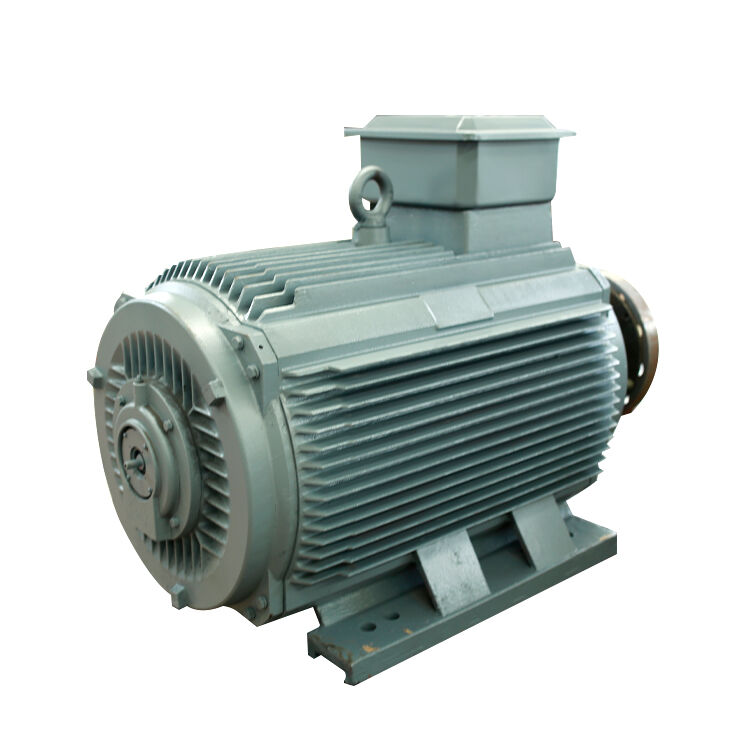
Thermal Breakdown and Harsh Ingress Degradation: Confined underground mine drifts restrict ventilation, causing ambient temperatures around motor housings to climb. Dust suppression water sprays and underground seepage saturate equipment in mineral-laden, corrosive slurry. When standard induction motors operate under continuous heavy cycling, high internal rotor slip currents dissipate massive heat directly into the rotor core and shaft journals. Overheated motor bearings fail prematurely under combined radial impact loads. Furthermore, abrasive airborne rock particulates penetrate inadequate seals, abrading windings and causing catastrophic phase-to-phase short circuits. To eliminate these chronic mine hazards, ENNENG engineers severe-duty Mining Industrial Motor solutions across the 5kW to 5MW power spectrum and 110V to 690V operating ranges, built specifically for harsh underground mining extraction.
5.2.2 Heavy-Duty Electromagnetic and Structural Hardening for Shock Absorption
High-Overload Permanent Magnet Torque Response: To absorb sudden mechanical shock loads without stalling, an ENNENG Mining Industrial Motor utilizes high-coercivity rare-earth permanent magnets arranged in Interior Permanent Magnet (IPM) configurations. Embedding magnets deep within heavy electrical steel laminations protects them from physical centrifugal stress and provides high reluctance torque alongside permanent magnet torque. Controlled by high-speed digital signal processors running Field-Oriented Control (FOC), the drive system detects instantaneous load steps within microseconds, instantly modulating stator current vectors to generate up to 250% to 300% peak breakaway torque. The motor powers through transient impact spikes smoothly without losing magnetic synchronism or drawing destructive locked-rotor current surges.
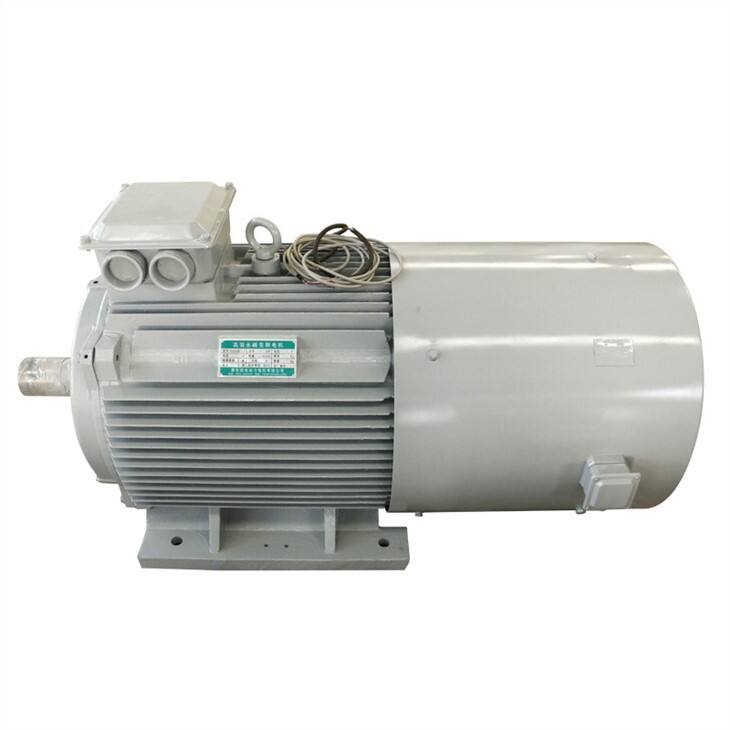
Cold Rotor Architecture and Heavy Mechanical Reinforcement: Unlike induction machinery where the rotor acts as a continuous heat source, an ENNENG permanent magnet Mining Industrial Motor operates with a cold rotor architecture. Rotor copper losses are zero, keeping shaft journals and internal bearings significantly cooler. Motor shafts are forged from high-tensile alloy steels engineered to withstand severe torsional shock loads without plastic deformation or fatigue cracking. Heavy cast-iron or fabricated steel enclosures feature thick structural ribs designed to absorb direct rock impacts, while dual-chamber terminal boxes isolate high-voltage power connections from underground moisture and particulate contamination.
Mine Safety Certifications and Underground Preventative Maintenance
Compliance With MSHA, IECEx, ATEX, and ISO 10816-3 Standards: Underground mining equipment must satisfy the most stringent global safety and explosion-proof mandates. ENNENG mining motors are engineered to comply with international IECEx and European ATEX explosion-proof directives, as well as MSHA safety regulations for operation in hazardous methane and coal dust atmospheres (Ex d I Mb). Enclosures satisfy IP66 or IP67 ingress protection standards, sealing internal active components against pressurized water jets and fine particulate ingress. Winding insulation systems utilize Class H vacuum pressure impregnation (VPI) rated to withstand continuous electrical surges and elevated thermal ambient temperatures up to 180°C. Structural vibration resistance is validated in accordance with ISO 10816-3 severe-duty industrial machinery limits.
Four-Step Underground Commissioning and Inspection Checklist:
- Inverter Current Limiter and Ramp Setup: Configure drive software with rapid torque response curves while clamping maximum instantaneous phase currents to prevent demagnetizing fields during physical mechanical jams.
- Thermal Interlock Verification: Wire integrated dual-element PT100 sensors embedded in stator teeth and bearing housings directly into the mine emergency control PLC to execute controlled load shedding if temperatures exceed safe limits.
- Shaft Alignment and Heavy Coupling Check: Verify laser alignment between motor shaft and heavy scraper gearbox inputs, ensuring elastomeric shock-absorbing couplings remain free of rock wedge damage.
- Periodic Insulation Megohmmeter Testing: Conduct monthly 1000V DC stator insulation resistance measurements during scheduled maintenance shifts to detect moisture ingress before electrical flashover occurs.
Contact Us
Surviving the brutal impact loads and hazardous atmospheres of underground mining demands heavy-duty electric motors engineered without compromise. The mining application team at ENNENG collaborates directly with mining equipment OEMs and mine operators to configure rugged, explosion-proof permanent magnet drive systems that maximize extraction productivity. Contact our heavy industrial engineering specialists to review equipment specifications:
-
WhatsApp: +86 18562780228
-
E-Mail: [email protected]
-
Phone: +86 532 66000559
-
Address: Haichuang New Energy & New Materials Industrial Park, No. 1 Guiding Road, Licang District, Qingdao, Shandong, China
-
Website: www.ennengmotor.com
FAQ
Q: How does a permanent magnet Mining Industrial Motor survive severe impact shocks without stalling?
A: An interior permanent magnet mining motor utilizes high-speed vector control that detects sudden speed deceleration in microseconds. The variable frequency drive injects immediate torque-producing current, utilizing both permanent magnet and reluctance torque components to produce up to 300% peak overload torque, powering through transient rock jams without losing synchronism.
Q: Why is cold rotor architecture advantageous in confined underground mine drifts?
A: Because permanent magnet rotors draw zero excitation current, no internal slip heat is generated inside the rotor core. Bearings operate at substantially lower temperatures, extending lubricant life and preventing grease oxidation. Lower overall thermal emission also reduces cooling ventilation requirements in confined, poorly ventilated underground headings.
Q: What explosion-proof protections are incorporated into mining permanent magnet motors?
A: Motors feature heavy flameproof cast enclosures (Ex d I Mb) capable of containing internal electrical explosions without igniting surrounding methane or coal dust atmospheres. Enclosures incorporate flame paths along shaft seals and bearing caps, backed by IP66/IP67 ingress sealing and Class H VPI insulation systems.

 EN


