
how-permanent-magnet-generator-pmg-adapts-itself-to-coastal-saltfog-corrosive-industrial-operating-environments, how-permanent-magnet-generator-pmg-adapts-itself-to-coastal-saltfog-corrosive-industrial-operating-environments, /blog
EN

2026/10/16
Along coastal petrochemical terminals, offshore desalination plants, port crane microgrids, and seaside renewable energy stations, airborne marine aerosols saturated with sodium chloride (NaCl) and high relative humidity continuously attack rotating electrical machinery. Facility maintenance engineers operating standard air-cooled generators in coastal zones frequently encounter pitted cast-iron housings, seized bearing seals, delaminated rotor magnet coatings, and catastrophic stator ground faults caused by conductive salt crystals bridging exposed copper windings. In high-salinity marine atmospheres, an unsealed generator can suffer irreversible electrochemical corrosion and insulation breakdown within a single monsoon season.
Conventional wound-rotor synchronous generators are acutely vulnerable to coastal salt fog because their brush gear, slip rings, and open ventilation louvers draw chloride-laden moisture directly across live electrical contacts and hygroscopic winding varnishes. Adapting power generation equipment to survive decades of marine exposure requires both a brushless electromagnetic topology and multi-layer anti-corrosion metallurgy. Deploying a marine-fortified Permanent Magnet Generator PMG from ENNENG eliminates vulnerable slip-ring exciters and seals the electromagnetic core inside an ISO 12944 C5-M corrosion-resistant enclosure, guaranteeing stable electricity generation across 5kW–5MW and 110V–690V coastal systems.
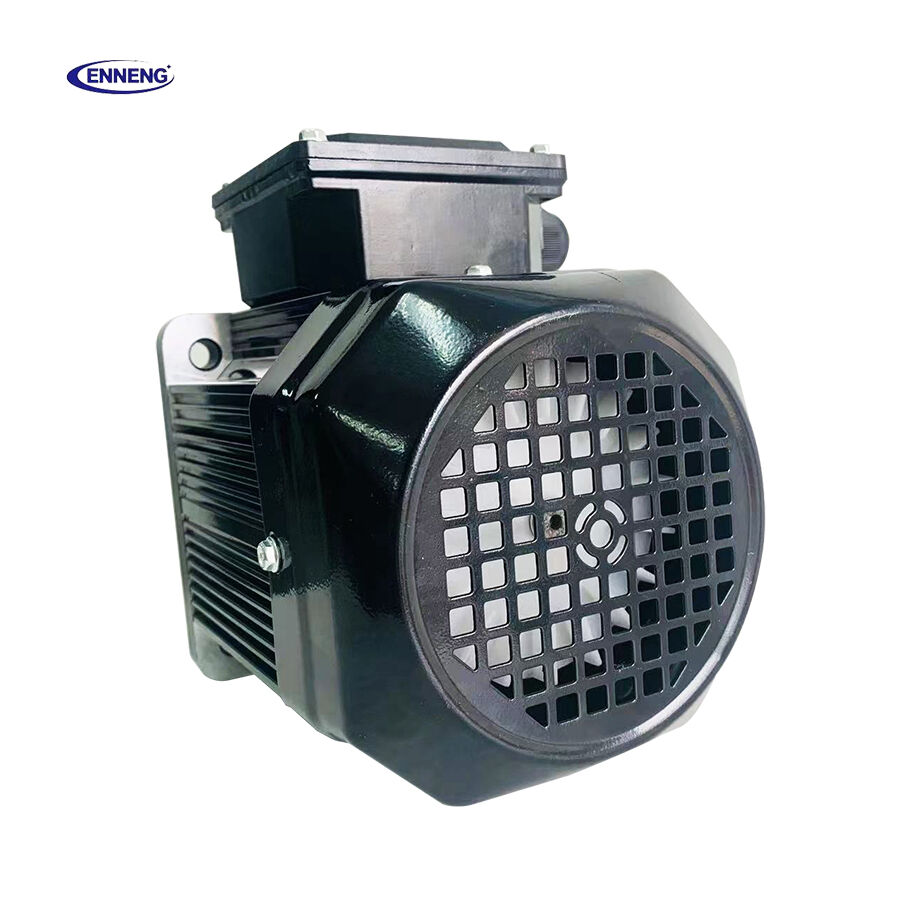
Coastal air carries microscopic salt droplets that settle onto generator frames, terminal boxes, and internal stator laminations. Because sodium chloride is highly hygroscopic, deposited salt crystals absorb ambient moisture whenever relative humidity exceeds 60%–70%, forming a highly conductive electrolyte film. On standard generators, this chloride electrolyte accelerates galvanic pitting across dissimilar metal joints, corrodes untreated silicon-steel stator teeth, and infiltrates microscopic pinholes in conventional dip-varnished windings—tracking high-voltage leakage currents straight to the grounded frame. Furthermore, rare-earth Neodymium Iron Boron (NdFeB) rotor magnets rapidly oxidize and flake if chloride moisture breaches standard single-layer nickel plating.
An ENNENG Permanent Magnet Generator PMG neutralizes coastal salt-fog degradation through four integrated metallurgical, chemical, and structural defenses:
Coastal industrial facilities utilize power generation across a wide capacity spectrum—ranging from port waste-heat expanders and tidal/hydro turbines to seaside wind-solar microgrids. ENNENG engineers its Permanent Magnet Generator PMG portfolio across a unified generator power range of 5kW–5MW and a unified voltage range of 110V–690V. For coastal distributed wind harvesting, ENNENG specifically pairs this salt-fog-resistant Permanent Magnet Generator PMG technology with vertical axis wind turbine systems spanning 1kW–10kW (with a main focus on 3kW, 5kW, and 10kW models), enabling low-speed, gearless power generation that withstands typhoon gusts and heavy sea spray.
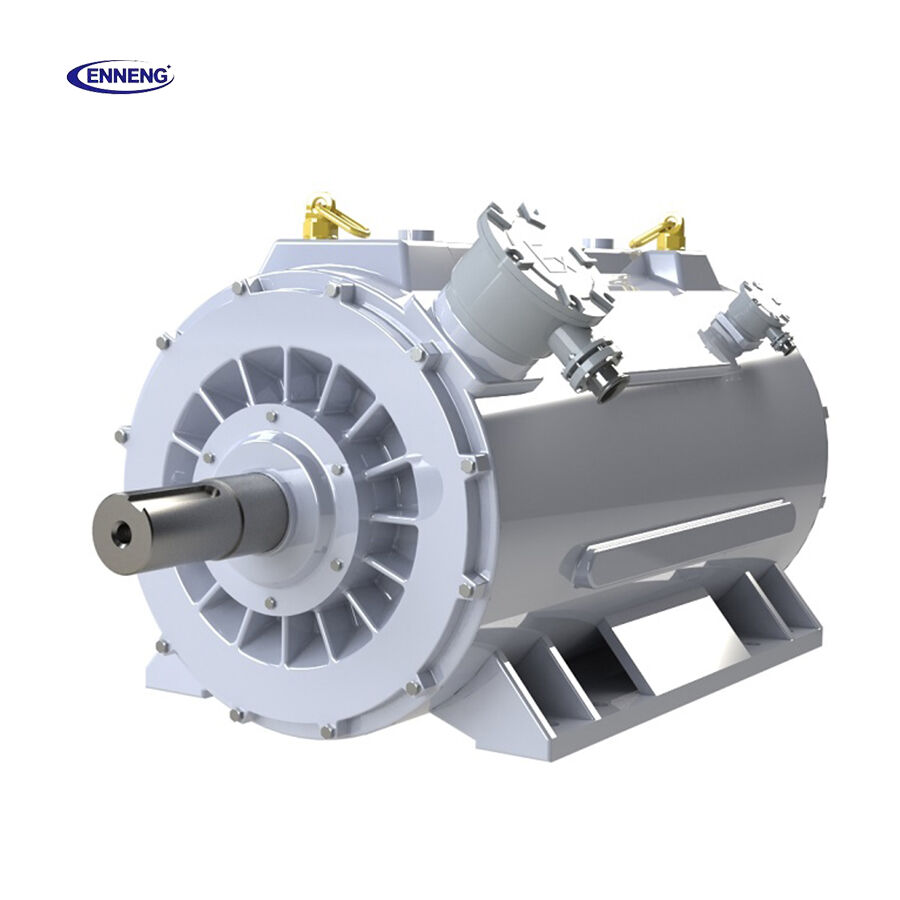
Qualifying rotating electrical machinery for coastal and offshore service requires rigorous adherence to international corrosion and environmental testing standards. ENNENG Permanent Magnet Generator PMG exterior coatings are engineered in strict accordance with ISO 12944-6 and ISO 12944-9 (C5-High and CX Marine/Offshore corrosivity categories), utilizing zinc-rich epoxy primers, high-build micaceous iron oxide (MIO) intermediate layers, and UV-resistant polyurethane topcoats. Furthermore, components are validated under IEC 60068-2-52 (Test Kb: Cyclic salt mist with alternating NaCl spray, high-humidity storage, and drying phases) and ISO 9227 neutral salt spray testing, while shaft labyrinth seals satisfy IEC 60034-5 IP65/IP66 ingress protection.
In reverse-osmosis seawater desalination energy-recovery turbines and coastal port lighting microgrids, ambient air is permanently saturated with saline mist. Installing an ENNENG C5-M coated Permanent Magnet Generator PMG prevents terminal lug sulfation and rotor rust lockups across continuous year-round marine operation.
To ensure multi-decade corrosion immunity when specifying and operating a Permanent Magnet Generator PMG in coastal environments, implement these engineering protocols:
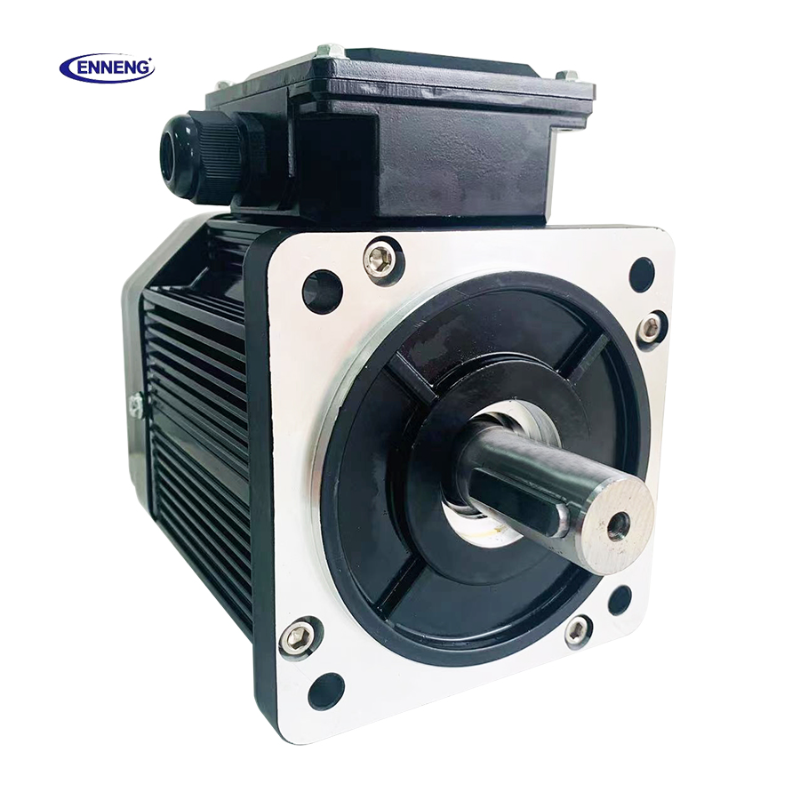
Coastal and marine installations present unique mounting, cooling, and environmental challenges. ENNENG custom-engineers each Permanent Magnet Generator PMG across the unified 5kW–5MW power range and 110V–690V voltage spectrum—tailoring double-sealed marine shaft bearings, Class H Vacuum Pressure Impregnated (VPI) tropicalized windings, and custom turbine flange adapters for offshore, port, and coastal wind applications.
Contact ENNENG Today.
Consult the ENNENG marine & coastal generator team to specify an anti-corrosion Permanent Magnet Generator PMG tailored to your seaside industrial project.
A: Rare-earth permanent magnets can oxidize rapidly if exposed to marine chloride ions. ENNENG protects every Permanent Magnet Generator PMG by enclosing the rotor inside a totally sealed IP65/IP66 housing and applying multi-layer Ni-Cu-Ni passivation, vacuum epoxy impregnation, and corrosion-resistant rotor sleeves tested under IEC 60068-2-52 cyclic salt mist standards.
A: Conventional synchronous generators use carbon brushes and slip rings or wound exciters that corrode, pit, and arc when exposed to conductive sea-salt humidity. Because an ENNENG Permanent Magnet Generator PMG is 100% brushless and self-excited, it eliminates sliding electrical contacts entirely, delivering maintenance-free power generation across coastal facilities.
A: ENNENG manufactures anti-corrosion Permanent Magnet Generator PMG units across a unified power range of 5kW–5MW and a unified voltage range of 110V–690V for coastal waste-heat, hydro, and marine microgrids. Additionally, ENNENG supplies salt-fog-resistant vertical axis wind turbines spanning 1kW–10kW


 EN