
how-permanent-magnet-generator-pmg-adapts-to-unstable-load-of-distributed-industrial-power-generation, how-permanent-magnet-generator-pmg-adapts-to-unstable-load-of-distributed-industrial-power-generation, /blog
EN

2026/09/09
A food-processing site in Shandong built an islanded microgrid: a diesel genset plus a Permanent Magnet Generator PMG driven by recovered steam, feeding the chiller and the packaging line. On paper the mix looked solid, but every time the filler started, the bus voltage dipped and the protection relay tripped the diesel, dropping the whole line. The PMG was sized right for average load, yet the step load exposed a control gap. After the converter was re-tuned to take the leading role in voltage support, the same step no longer tripped the system. The case proves that in distributed generation the generator must chase the load, not just the nameplate.
The site ran without utility feed for most of the day, so there was no stiff grid behind the bus to hold voltage up. A few percent low and the variable-speed drives faulted; a few percent high and the clocks drifted. The Permanent Magnet Generator PMG had to act as the anchor, not a passenger, once the diesel dropped out under the swing on the floor.
A sudden load step pulls current faster than a slow governor adds torque, so terminal voltage sags. Sensitive relays see under-voltage and open the breaker. In an islanded network the dip is deeper than on utility power, and a Permanent Magnet Generator PMG must cover the gap electronically before the relay latches a trip that costs the restart sequence at the plant.
The permanent rotor gives the converter a fixed reference to regulate against, so the machine responds to load swings in milliseconds instead of waiting for a mechanical governor. A Permanent Magnet Generator PMG earns this behavior from the magnet itself, not from a control trick, so it stays stable even when the converter firmware is left at default. That predictability is what lets a small steam-driven PMG hold a whole packaging line through the morning rush at the plant. That speed is the reason a Permanent Magnet Generator PMG suits unstable distributed duty better than a directly paralleled alternator on the same bus.
The PMG rotor carries a permanent field, so its internal voltage stays fixed with speed. That gives a stable reference the converter regulates against, instead of a field that wanders with excitation current. The result is predictable behavior under swing, and the unit reacts the same way at half load and full load on the line. A Permanent Magnet Generator PMG built this way needs no separate power-factor correction, because the converter already shapes the current to the bus. The plant saves the cost and the cabinet space that an induction set would have demanded for the same duty on site.
The machine feeds a controlled converter that shapes voltage and frequency regardless of the mechanical input. When load steps, the converter injects or absorbs current within milliseconds, holding the bus while the prime mover catches up. This is the core reason the PMG suits unstable distributed duty better than a slower exciter set provides at the site. A Permanent Magnet Generator PMG paired with a listed converter also rides through the voltage dips that would trip a bare alternator, which keeps the protection relay quiet. The saving is measured in avoided restarts, not just in cleaner waveforms on the scope at the plant.
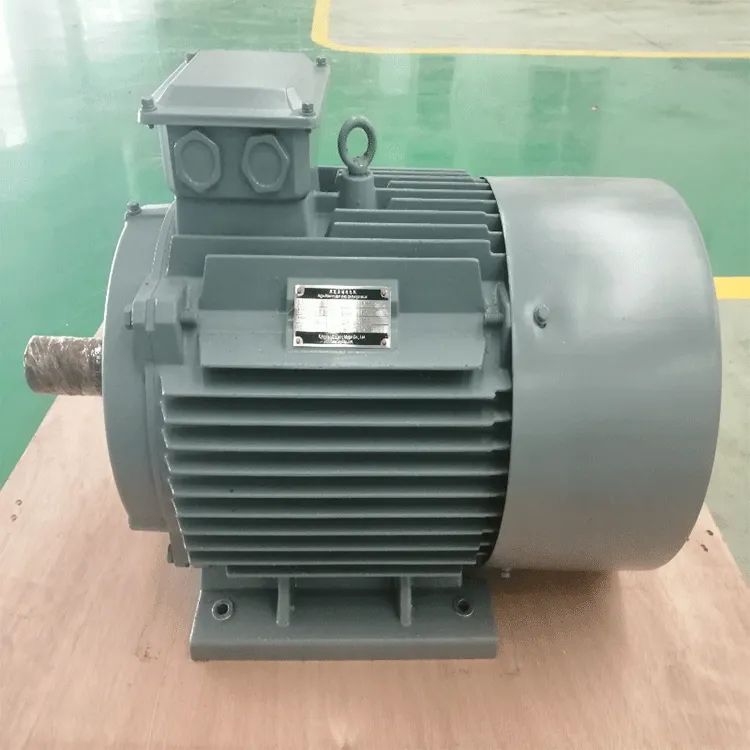
Distributed generation is governed by interconnect and emission rules that the inspector will check. Designing the PMG to these codes turns a vague it stays stable claim into a tested specification. A Permanent Magnet Generator PMG built to the listed standards passes audit without a fight at the site.
IEEE 1547 defines how distributed resources connect and ride through disturbances. A PMG system built to IEEE 1547 tolerates specified voltage and frequency events without tripping, which is what an unstable industrial load demands. The conformance file should travel with the unit to commissioning so the result is documented from day one.
IEC 61400 sets generator behavior for variable-speed prime movers, and UL 1741 lists the converter requirements for North America. Pairing the PMG with a UL 1741 listed converter removes a compliance question before the inspector arrives. Enneng Motor supplies the matched bill of materials so the Permanent Magnet Generator PMG arrives as a complete, listed package for the job.
The saving is uptime, and uptime is proven by a staged test, not a promise. Running the worst real load step on the bench exposes any weakness before the line depends on it. The PMG that passes the step test on the bench will pass it on the floor with the actual profile of the plant.
Before handover, run a staged load step equal to the worst real event and watch the bus on a scope. The voltage should stay inside the relay window and recover within the set time. A Permanent Magnet Generator PMG that passes this test on the bench will pass it on the floor with the actual load profile of the plant under swing.
Islanded networks need a solid earthing strategy so faults clear and the relay sees a real reference. Follow the site study and the OSHA 1910.147 lockout plan for service. The Permanent Magnet Generator PMG and its converter must be isolated before any terminal work, with the stored DC bus discharged first to keep the crew safe.
Answer: The permanent rotor gives a fixed internal voltage the converter regulates against, and the converter reacts in milliseconds to load steps. An ordinary alternator relies on slower excitation and a stiff grid behind it. For choppy islanded duty a Permanent Magnet Generator PMG holds the bus inside the relay window where the alternator would trip the line.
Answer: No. In islanded mode the converter sets voltage and frequency from the fixed rotor flux, with no grid anchor required. That is the point for distributed industrial generation. The Permanent Magnet Generator PMG can run the bus alone, then parallel smoothly when the utility returns to the site without a bump.
Answer: Size for the worst load step current, not the average power. The converter does the fast work while the PMG sits at part output, so the margin matters more than the nameplate kilowatt figure alone on site for the plant. The margin should be confirmed on the bench, not assumed from the catalogue, because a Permanent Magnet Generator PMG lives or dies by the converter headroom under the worst step it will ever see.
Answer: IEEE 1547 covers ride-through and interconnect behavior, and UL 1741 covers the converter for North America. IEC 61400 sets the generator dynamic rules. Ask for the conformance files at order; Enneng Motor ships the matched bill of materials so the inspector sees a complete, listed package at the site. Both standards are accepted by most auditors, which avoids a second review of the PMG before the unit is cleared for the plant.
Answer: Follow the site earthing study and fit a solid reference so faults clear and relays see truth. The Permanent Magnet Generator PMG and converter must be locked out per OSHA 1910.147 and the DC bus discharged before any terminal work. Poor earthing, not the machine, causes most phantom trips on the network at the plant.
Answer: Yes, with the converter taking voltage support and the diesel handling the slower torque balance. The two ride through steps together instead of fighting. A Permanent Magnet Generator PMG tuned this way let one plant start a filler without dropping the diesel, which was impossible before the retune on the bus.


 EN