
how-permanent-magnet-generator-pmg-cooperates-with-energystorage-units-for-offgrid-industrial-microgrid, how-permanent-magnet-generator-pmg-cooperates-with-energystorage-units-for-offgrid-industrial-microgrid, /blog
EN

2026/09/21
A remote processing site sat far from the utility grid and ran on a set of engine-driven generator sets that consumed fuel deliveries across a long haul road. The operator added a wind and solar input behind a battery bank, with a Permanent Magnet Generator PMG on the wind side feeding the direct-current bus through a rectifier.with a Permanent Magnet Generator PMG on the wind side feeding the direct-current bus through a rectifier. The Permanent Magnet Generator PMG replaced a fuel-hungry engine-driven generator set as the primary source, so the battery and the wind now carry the base load. The hybrid cut fuel use sharply during the windy season, and the battery absorbed the gusts so the legacy sets no longer swung on every squall. The Permanent Magnet Generator PMG earned its place by making variable wind usable instead of disruptive.
The same Permanent Magnet Generator PMG logic applies to any site where the grid is weak or absent, from islanded farms to construction camps, because the storage buffer is what turns a variable source into a dependable one.
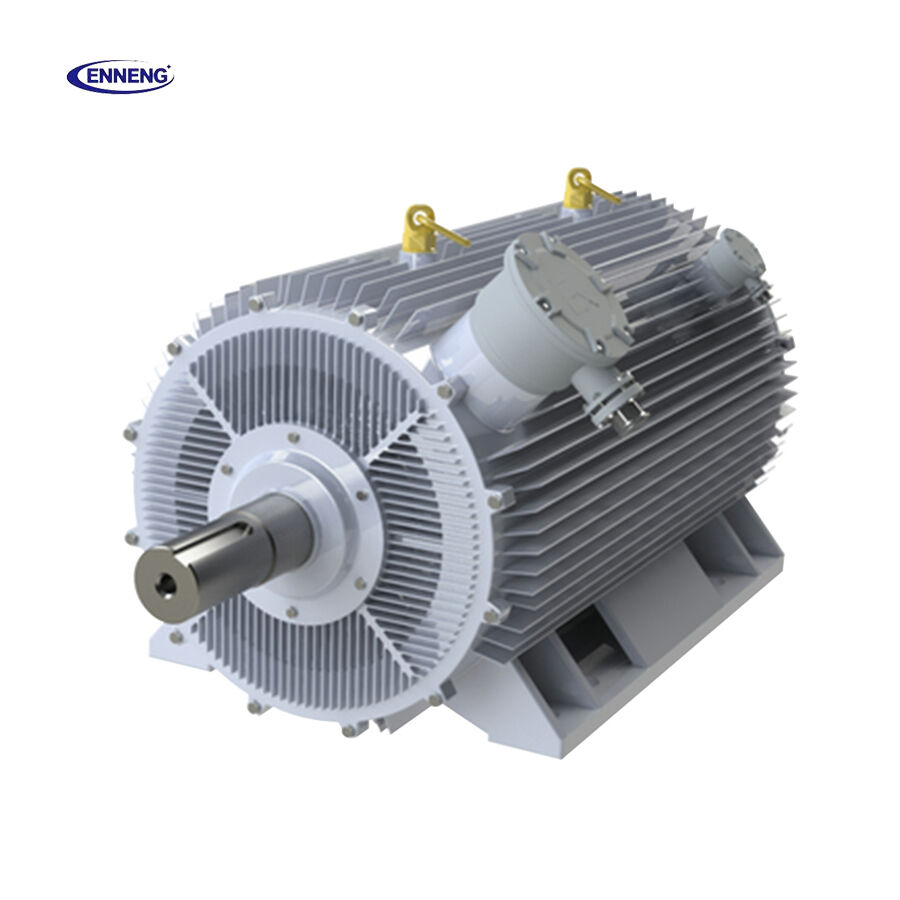
The hidden danger off-grid is that a generator built for steady utility export behaves badly when the load and the sun both move every minute. An induction generator needs excitation from the bus and drags reactive current that stresses a small island, while a poorly matched source can push the battery to its limits and trip the whole microgrid. A Permanent Magnet Generator PMG avoids the excitation problem because its field is permanent, but the unit still needs tuning to the storage so it does not overcharge or starve the bank. ENNENG closes that gap by matching the generator to the battery through a tested control scheme rather than a generic inverter setting.
A Permanent Magnet Generator PMG also avoids the magnet overheating that worries first-time designers, since the rectifier controls the current and keeps the machine off its demagnetisation limit. ENNENG models that limit under the worst gust before build, so the island stays safe when the wind peaks. A Permanent Magnet Generator PMG that is tuned to the storage avoids that cliff, because the rectifier clamps the voltage before the bank complains.
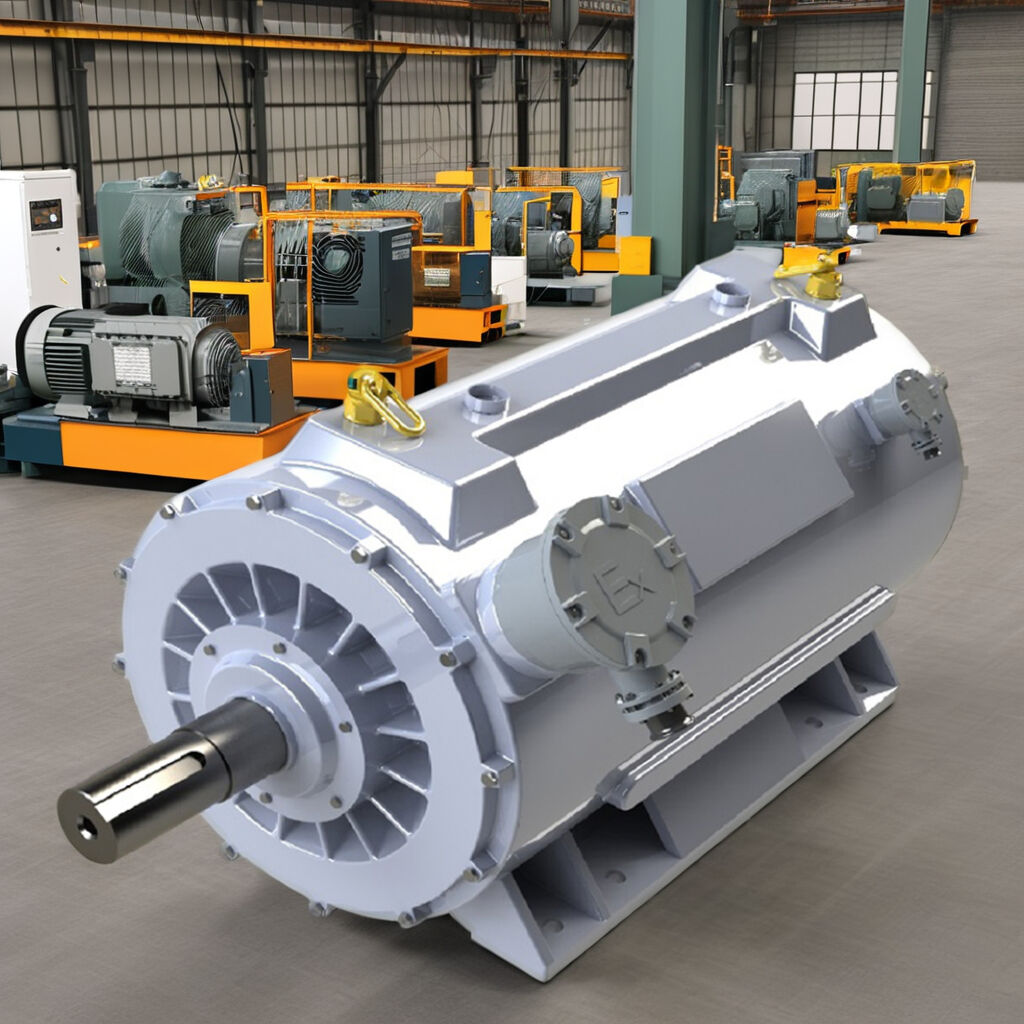
The ENNENG PMG range spans 5 kW to 5 MW at 110V to 690V, which covers a rooftop unit up to a plant-scale machine, and the smaller vertical-axis wind-turbine models sit in the 1 kW to 10 kW band with 3 kW, 5 kW, and 10 kW as the main promoted sizes. The table contrasts an induction generator with a Permanent Magnet Generator PMG on the points that decide microgrid stability.
|
Dimension |
Induction generator |
Permanent Magnet Generator PMG |
|
Excitation |
Needs bus reactive power |
Self-excited, no VAR draw |
|
Part-load efficiency |
Falls with slip |
Holds high efficiency |
|
Response to gusts |
Slow, lagging |
Fast, rectifier-controlled |
|
Island operation |
Needs grid reference |
Stable on isolated bus |
A well-matched Permanent Magnet Generator PMG feeds the battery through a rectifier that clamps voltage and diverts surplus to dump or load, so a strong gust charges rather than overloads. Because the rotor carries no winding, the machine stays efficient at the low, variable speeds that dominate real wind, and the microgrid keeps its reserve for the still hours. At the mine site, the same Permanent Magnet Generator PMG ran through a full season with no excitation fault, which is the failure mode that normally haunts induction units on an island.
The Permanent Magnet Generator PMG fits the 5 kW to 5 MW, 110V to 690V envelope, so the same control philosophy scales from a single rooftop unit to a plant-scale machine without re-engineering the bus.
An off-grid microgrid is judged against references for both the machine and the storage. IEC 60034-3 covers generator performance and the turbine-type variants, while IEC 61400 addresses wind turbines and their safety limits for small and medium units. IEEE 1547, although written for grid interconnection, gives the trip and ride-through logic that an islanded system borrows to avoid cascading trips. IEC 62933 defines energy-storage-system behaviour, so the battery and the Permanent Magnet Generator PMG are specified on one comparable basis. ISO 50001 frames the whole site as a managed energy system rather than a pile of components.
Choosing a Permanent Magnet Generator PMG against these references lets the operator defend the microgrid to an insurer or a regulator, because the machine and the storage are specified on one comparable basis rather than on hope.
Sizing a Permanent Magnet Generator PMG for a microgrid starts with the load profile and the battery capacity, not the wind map alone. Match the generator's 5 kW to 5 MW, 110V to 690V envelope to the bus, set the rectifier to the battery's charge limits, and keep the vertical-axis 1 kW to 10 kW models in mind for small or mixed roofs. During commissioning, log bus voltage and battery state of charge through a windy day and a calm day, and use those as the baseline. Maintenance stays light: inspect the rectifier cooling, check the rotor bearings on a schedule, and trend the no-load voltage so a failing magnet or connection shows before it trips the island.
A Permanent Magnet Generator PMG rewards light discipline, because the rectifier and the bearings are the only moving and switching parts that age, and both are easy to watch.
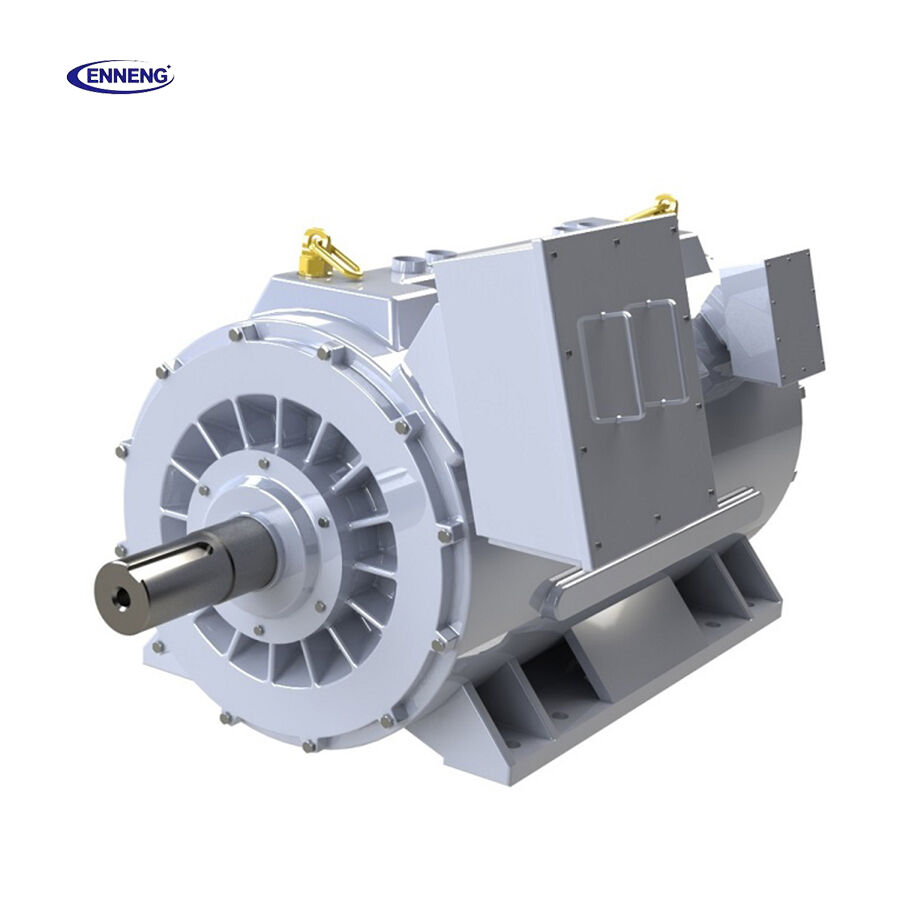
ENNENG builds permanent-magnet generators and prototypes under ISO 9001 and CE for sites from remote industry to distributed renewable projects. Share the load profile, the battery size, and the target voltage with the engineering team to receive a Permanent Magnet Generator PMG matched to the storage, not a catalogue guess.
Get in touch with ENNENG through these links:
A: An induction generator must draw reactive power from the bus to excite its rotor, which strains a small island and needs a grid reference it may not have. A Permanent Magnet Generator PMG is self-excited, so it feeds the battery without borrowing VAR, and it stays efficient at the low, variable speeds that real wind produces. That makes the microgrid stable during gusts instead of tripping the legacy sets on every squall.
A: The ENNENG generator envelope spans 5 kW to 5 MW at 110V to 690V, covering a single rooftop unit up to a plant-scale machine. For small or mixed roofs, the vertical-axis wind-turbine models sit in the 1 kW to 10 kW band, with 3 kW, 5 kW, and 10 kW as the main sizes offered. The right choice follows the load and battery first, then the wind resource, so the unit fits the bus rather than the brochure.
A: The PMG feeds the battery through a rectifier that clamps bus voltage and diverts surplus to a dump load or a useful heat sink when the bank is full. That control is tuned to the battery's charge limits during commissioning, so a strong gust charges rather than overloads. Without that match, even a good Permanent Magnet Generator PMG can push the storage past its safe window and trip the island.
A: IEC 60034-3 covers generator performance and IEC 61400 addresses wind-turbine safety, while IEC 62933 defines energy-storage behaviour so the battery and generator speak one language. IEEE 1547 supplies the trip and ride-through logic that an islanded system borrows to stop cascading faults. Together these let a buyer specify the Permanent Magnet Generator PMG on a comparable, auditable basis.


 EN