
how-permanent-magnet-generator-pmg-realizes-highefficiency-power-generation-in-industrial-wasteheat-projects, how-permanent-magnet-generator-pmg-realizes-highefficiency-power-generation-in-industrial-wasteheat-projects, /blog
EN

2026/09/11
A cement plant burned through kiln fuel and watched roughly fifteen percent of that energy leave as hot flue gas. The team modeled an organic Rankine cycle to recover part of it, but the turbine spun at a low, shifting speed that ordinary generators handled poorly. A permanent magnet generator PMG was selected because its speed range and efficiency fit the source. The recovered power now offsets a slice of the plant's grid draw, and the project paid back faster than the original estimate predicted.
Many processes shed usable heat: kilns, furnaces, exhaust from engines, even warm wastewater. A permanent magnet generator PMG paired with a turbine or expander converts that thermal energy to electricity close to where it appears. Capturing heat on site avoids the losses of transporting it, and the carbon math improves with every recovered kilowatt-hour. The resource is free; only the recovery equipment carries a cost.
The expander's speed varies as the heat source breathes with the process. A permanent magnet generator PMG keeps high efficiency across that band, unlike a fixed-pole machine that sags off its design point. Its brushless build also suits a hot, dusty machine hall better than a slip-ring unit needing constant care. The matching of source to generator decided the project's return, because a poorly matched machine would waste the very heat it was meant to capture.
The efficiency comes from the machine and the way it is controlled, not from a single trick, and both have to hold across the whole duty range.
IEC 60034-30-1 sets the efficiency classes a permanent magnet generator PMG can meet at the shaft. Because there is no rotor winding loss, the unit stays near its best efficiency as the turbine speed drifts. A source that never holds a steady RPM rewards exactly that flat curve, which is why the cement plant chose it over a conventional wound design that peaked only at one speed.
With no slip rings or brushes, a permanent magnet generator PMG avoids the wear and spark risk those parts bring. In a hot, gritty hall that means fewer shutdowns for commutator service and no carbon dust near the windings. Lower maintenance also means the recovery plant runs more hours per year, lifting the annual energy total. Fewer stops translate directly into more recovered kilowatt-hours on the meter.
Waste heat rises and falls with production, so the generator rarely sits at full output. A permanent magnet generator PMG holds respectable efficiency well below rated power, where the plant actually spends its time. That part-load behavior is what separates a project that pays back from one that merely spins. A machine that collapses at half load would erase the margins the rest of the system worked to create.
Recovering heat sounds simple; the field has ways to disappoint an under-prepared design, and most of them involve the word "variable" appearing where the plan assumed "steady."
The heat stream can swing with the host process, stressing the machine and the grid link. A permanent magnet generator PMG feeding the network must meet IEEE 1547 and IEC 61000 for power quality and ride-through. Skipping those checks risks tripping the interconnect and losing the recovered energy at the worst moment. Hot inlets and turbulent flow also impose temperature and shake the frame, so a permanent magnet generator PMG specified to ISO 10816 vibration limits and a sound thermal class stays reliable through those cycles.
A sound concept still needs the right unit and the right care to deliver for years, because the recovery train is only as strong as its weakest monitored link.
Match the PMG to the turbine's speed range, the expected thermal input, and the target voltage. A permanent magnet generator PMG should be sized so its efficient band covers the normal heat flow, not just the peak day. Confirm the grid code early, because compliance shapes the converter, not just the machine. A unit sized only for the best hour will underperform through the long, messier middle of the operating range.
Track winding temperature, vibration, and output trend to catch drift before failure. A permanent magnet generator PMG on a monitored route reveals a cooling fault or a bearing trend early. Periodic checks on the converter and the thermal loop protect the whole recovery train. The data also supports the project's energy-reporting claims, which matter when the saving is being defended to finance or auditors.
A permanent magnet generator PMG also pairs well with thermal storage or a buffer tank, because smoothing the heat input steadies the turbine and lets the machine sit in its best band more often. A recovery train that controls the source controls its own efficiency. That systems view is what separates a pilot that impresses from a plant that pays.
A permanent magnet generator PMG should be specified with the worst-case heat dip in mind, not only the design point, because real processes sag and surge. A unit sized only for the happy hour limps through the rest. Building in margin at the low end protects the annual total more than shaving cost at the peak, and it keeps the recovery stable when the host process misbehaves.
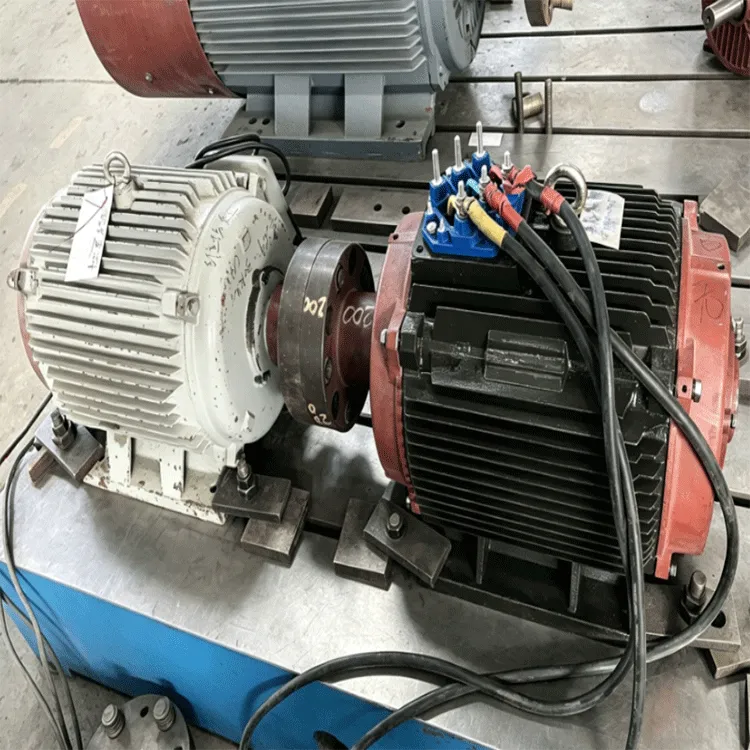
It converts mechanical rotation from a turbine or expander into electricity using a magnet rotor instead of a wound one. A permanent magnet generator PMG suits waste-heat recovery because it stays efficient across variable speed. Common pairings include organic Rankine cycles and engine exhaust expanders. The machine is chosen where the source speed is not steady, which describes most industrial heat streams.
Waste heat is free energy already leaving the process, so recovering it offsets grid power with little extra fuel. A permanent magnet generator PMG turns that heat into electricity close to the source, avoiding transport losses. The carbon and cost math improve with every recovered kilowatt-hour. Projects pay back faster when the heat is otherwise wasted up the stack or out the vent.
Yes. Because there is no rotor winding loss, a permanent magnet generator PMG keeps high efficiency as turbine speed drifts with the heat source. That flat curve matches a source that breathes with production. Fixed-pole machines sag off their design point, losing the recovery margin. Speed tolerance is the core reason plants pick it for heat that never holds a steady revolution count.
IEEE 1547 and IEC 61000 cover interconnection, power quality, and ride-through for a permanent magnet generator PMG feeding the network. Meeting them prevents trips that dump recovered energy at the worst time. Confirm the local code early, because compliance shapes the converter design. Skipping the checks risks a failed commissioning and a project that spins but cannot export.
Track winding temperature, vibration, and output trend to catch drift before failure. A permanent magnet generator PMG on a monitored route reveals cooling or bearing issues early. The brushless build also cuts routine service versus a slip-ring machine. Periodic checks on the converter and thermal loop protect the whole train. Data supports energy reporting too, which keeps the saving visible to management.
Where a steady waste-heat stream exists, the recovered energy can offset a meaningful slice of grid draw. A permanent magnet generator PMG earns its cost through years of running hours and high part-load efficiency. The payback depends on heat availability and electricity price. A simple model from process data shows whether the project clears the hurdle, and most cement and steel sites clear it comfortably.


 EN