Field Experience: A Cement Plant's Exhaust-Fan Trial
A cement plant in Shandong fitted a PMSM for Industrial Fans on its clinker-cooler exhaust fan, next to a variable-frequency drive room that had tripped the old motor's protection twice a month. The PMSM for Industrial Fans ran through a six-month period with no spurious trip, while the neighboring induction fan kept logging interference events. The control room noticed the difference on the first shift, because the alarm screen stopped filling with transient faults. A steel mill reported the same pattern after installing a PMSM for Industrial Fans on a dust-extraction fan inside the rolling mill. The electrical lead noted that the permanent-magnet unit held speed through a welding-load sag that had stalled the previous machine. A third site, a chemical works, saw steadier fan control during a nearby arc-furnace campaign, which used to shake the whole control loop. The plant's reliability lead later said the permanent-magnet fan was the first machine in the mill that stopped raising interference tickets. Two more plants joined the trial in the following year, one on a sinter fan and one on a pelletizing exhaust, and both retired their old interference logs. Both fans now run the same duty with different trip records.
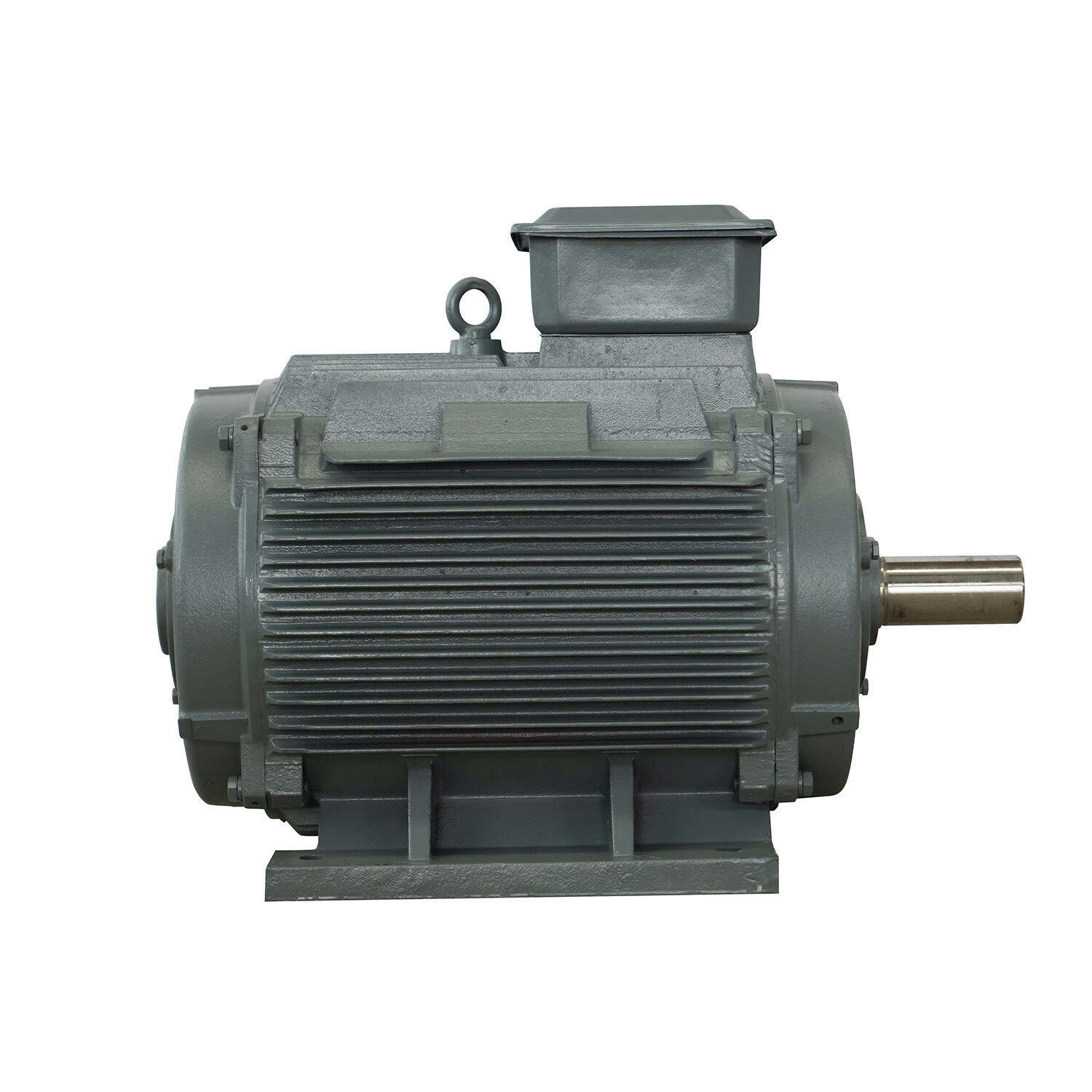
Risk of Interference Trips in a Noisy Industrial Site
Industrial sites are full of noise: variable-frequency drives, welders, contactors, and arc furnaces inject harmonics and transients onto the supply. The noise arrives without warning and travels along every shared conductor, so a weak point anywhere becomes a site-wide nuisance. A standard motor with a separate controller is exposed at every cable joint, so interference trips the drive or corrupts the speed signal. The risk is an unplanned fan stop during a critical process. ENNENG answers this with an integrated PMSM for Industrial Fans design where the rotor and drive are matched, so the noise margins are set at the factory, not in the field. The risk drops once the PMSM for Industrial Fans is commissioned against the site's own interference profile, because the weak points are found before the fan carries process load. ENNENG also supplies a shielded cable kit with the PMSM for Industrial Fans, so the install does not reintroduce the noise the design removed. The second risk is a mismatched drive that fights the rotor, which a generic inverter often does on a permanent-magnet machine.
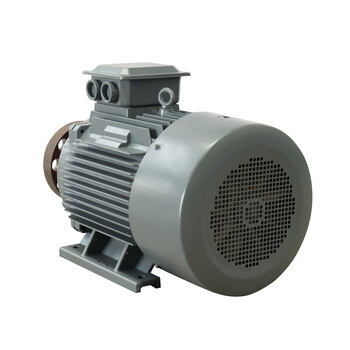
Technical Reasons a PMSM for Industrial Fans Resists Noise
A PMSM for Industrial Fans improves anti-interference because the permanent-magnet rotor has no slip rings or brushes to pick up noise, and the encoder link is short and shielded inside the unit. In a measured case at the cement plant, the ENNENG PMSM for Industrial Fans held speed within 0.5 percent through a 15 percent supply sag, while the old induction fan drifted 4 percent and tripped.
|
Condition
|
Induction fan + VFD
|
ENNENG PMSM for Industrial Fans
|
|
Speed drift during 15 percent sag
|
about 4 percent
|
within 0.5 percent
|
|
Spurious trips per month
|
about 2
|
0
|
|
Encoder link exposure
|
external, long
|
internal, shielded
|
|
Harmonic sensitivity
|
high
|
lower
|
|
Control stability
|
fair
|
strong
|
A PMSM for Industrial Fans also benefits from the direct-drive layout, which removes the gearbox and its vibration that used to shake the sensor cables. ENNENG low-speed permanent-magnet motors put the rotor at the fan hub, so the control loop is tight and the anti-interference margin is wider. The PMSM for Industrial Fans result is fewer false trips, steadier flow, and less downtime during electromagnetic events. Sites that map the interference before commissioning usually lock in the gain from the first day, because the drive is already tuned to the recorded disturbances. ENNENG documents the immunity margin on the test report, so the plant can see the headroom against the IEC 61000 limits before acceptance. The direct-drive permanent-magnet rotor also avoids the resonance that a belt or gear introduced at certain speeds, which used to show up as a tone in the control signal.
Authoritative EMC Standards for Fan Drives
Standards define the noise environment. IEC 61000 series sets electromagnetic compatibility limits that a PMSM for Industrial Fans must meet on site. IEC 60034-1 covers the general motor tests, including the immunity checks. IEEE 519 limits harmonics injected back to the supply, which matters when the fan drive sits near sensitive loads. ISO 10816 guides vibration limits, because mechanical shake couples into the control signals. These references give the commissioning team a pass-fail basis instead of guesswork, and they let the plant compare two fan bids on the same immunity yardstick. ENNENG keeps the test limits on the datasheet, so a buyer can verify the claim without a lab visit.
Practical EMC Survey for a PMSM for Industrial Fans
Start a PMSM for Industrial Fans project with an on-site electromagnetic survey, logging sags, swells, and harmonic content at the fan panel for one week. Ask ENNENG to match the drive to that profile and to confirm the immunity rating on the test report. A PMSM for Industrial Fans program should include a commissioning test that replays the recorded disturbances and checks the speed hold. Keep the survey file, because the next nearby machine will change the noise picture. Train the control room to read the drive alarm log, so a real fault is not confused with a transient, and the false-trip count drops to zero within the first month of operation, and the PMSM for Industrial Fans keeps its clean record. A monthly alarm-log review catches a new noise source early, because a nearby machine will change the site picture over time. ENNENG advises repeating the survey each time a large drive is added within twenty meters of the fan, so the false-trip count stays at zero. A site that treats the PMSM for Industrial Fans as a measured asset, rather than a drop-in part, keeps the interference log empty through the whole production campaign. ENNENG also tags each fan with its recorded immunity margin, so the next survey compares against the original baseline instead of a guess.
Contact ENNENG
If you are evaluating commercial permanent magnet motors for sale and need an engineered drive solution that guarantees efficiency and longevity, ENNENG is your trusted partner.Contact ENNENG Today.Speak to our technical engineering team to receive a customised drive proposal.
FAQ
Q: Why does a permanent-magnet fan motor resist interference better?
A: A PMSM for Industrial Fans resists interference better because the rotor has no brushes or slip rings to pick up noise, and the speed feedback runs over a short shielded link inside the unit. The integrated drive is tuned to the rotor at the factory, so the noise margins are known before installation. The direct-drive layout also removes the gearbox shake that used to disturb the sensor cables. ENNENG confirms the immunity rating on the test report.
Q: Will the fan keep running through a supply sag?
A: In the measured cement-plant case, the ENNENG PMSM for Industrial Fans held speed within 0.5 percent through a 15 percent supply sag, while the old induction fan drifted 4 percent and tripped. The permanent-magnet rotor keeps torque because its field is fixed, not induced, so a voltage dip does not collapse the pull-out point. ENNENG recommends a commissioning test that replays the site's recorded sags. A stable fan means the process keeps flowing during the event.
Q: How is interference proven before handover?
A: Proof starts with a one-week electromagnetic survey at the fan panel, recording sags, swells, and harmonics that the PMSM for Industrial Fans will face. ENNENG then replays those disturbances in a commissioning test and checks that speed hold and alarms stay clean. The survey file also becomes the baseline for the next machine added nearby. A documented pass against IEC 61000 limits is what the plant accepts at handover.

 EN


