
how-rare-earth-motor-manufacturer-optimizes-electromagnetic-design-for-highpower-custom-motor-orders, how-rare-earth-motor-manufacturer-optimizes-electromagnetic-design-for-highpower-custom-motor-orders, /blog
EN

2026/09/21
A steel processing line needed a high-power motor with a torque curve no catalogue unit offered, because the roller had to hold tension through a speed range that standard frames could not.because the roller had to hold tension through a speed range that standard frames could not. The Rare Earth Motor Manufacturer treated the tension curve as the spec, not the frame size, and the result hit the target without growing the footprint. The buyer approached a Rare Earth Motor Manufacturer with the duty rather than a part number, and the resulting bespoke permanent-magnet machine hit the torque density target without growing the footprint. The Rare Earth Motor Manufacturer earned the order by modelling the field before cutting metal, which is the step off-the-shelf suppliers cannot offer.
The same Rare Earth Motor Manufacturer advantage shows on any high-power duty with an unusual speed or torque shape, because a stock frame will not bend to the process without giving up efficiency or space.
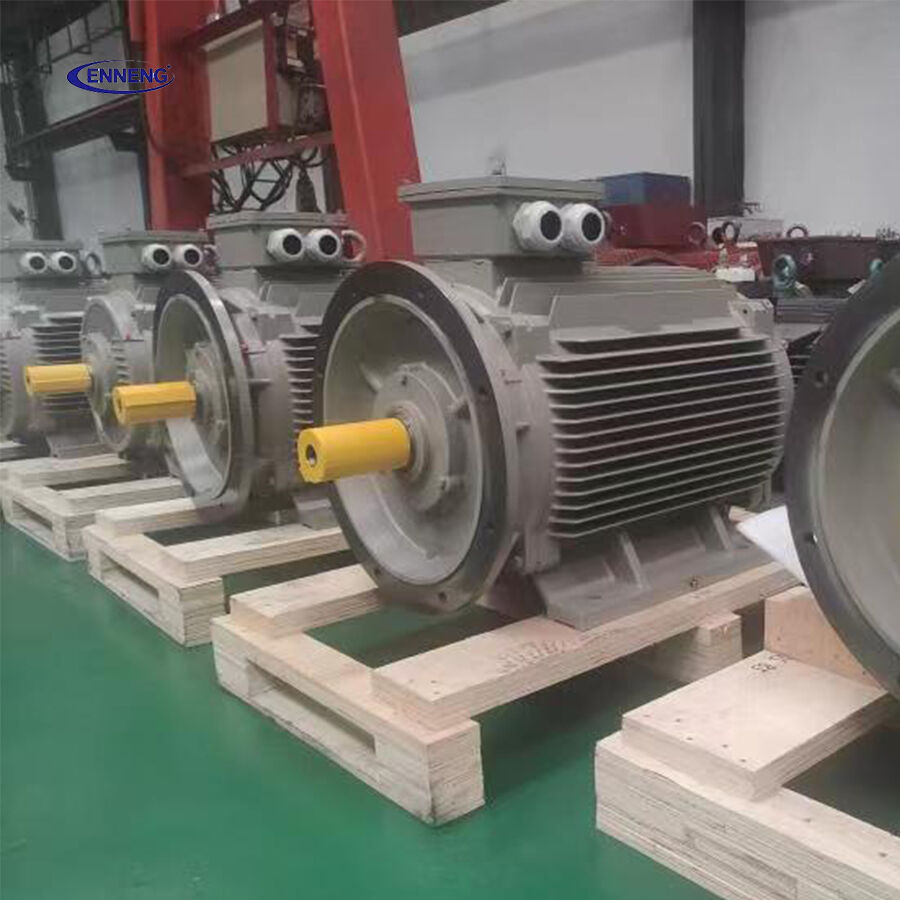
The hidden danger in a high-power custom order is specifying a standard frame and hoping it copes, because the duty then bends to the hardware instead of the other way round.because the duty then bends to the hardware instead of the other way round. A Rare Earth Motor Manufacturer answers this by designing to the duty first, but the discipline only pays when the order brief carries a real load profile. A mismatched magnetic design runs hot, loses efficiency, and eats the torque margin the process needed, yet many buyers lead with price and accept the compromise. A Rare Earth Motor Manufacturer answers this by designing to the duty first, but the discipline only pays when the order brief carries a real load profile instead of a guess. ENNENG breaks the pattern by demanding the measured duty up front, then optimising the electromagnetic design around it rather than around a stock lamination.
A Rare Earth Motor Manufacturer also controls cost, because the rare-earth magnet is the expensive part and the geometry decides how much of it reaches the shaft. ENNENG tunes pole count and air gap to the duty, so the order does not pay for magnet it cannot use, and the machine stays inside its thermal envelope.
The ENNENG design flow starts with a finite-element model of the magnetic circuit, then iterates pole count, magnet grade, and air gap to hit the torque and efficiency targets without oversizing the frame. A Rare Earth Motor Manufacturer lives or dies on this step, because the rare-earth magnet sets the field and the geometry decides how much of it reaches the shaft. The table contrasts a stock high-power motor with a bespoke rare-earth design on the points a demanding duty cares about.
|
Dimension |
Stock high-power motor |
Bespoke rare-earth design |
|
Torque density |
Fixed by frame |
Optimised to duty |
|
Efficiency at operating point |
Catalogue point only |
Tuned across range |
|
Thermal margin |
Often thin |
Modeled before build |
|
Footprint |
Standard, sometimes large |
Matched to space |
A Rare Earth Motor Manufacturer also protects the magnet, because rare-earth material is the cost and the risk in the machine. ENNENG models the demagnetisation limit under the worst fault and keeps the operating point clear of it, then verifies the result on a loaded rig before volume build. The bespoke rare-earth design therefore holds its torque density through the real speed range, and the high-power order ships with a field map the buyer can trust instead of a hope.
The Rare Earth Motor Manufacturer delivers the field map and the test curve with the machine, so the buyer can verify the optimisation rather than trust a brochure figure. That documentation is what separates a true bespoke order from a relabelled stock unit.
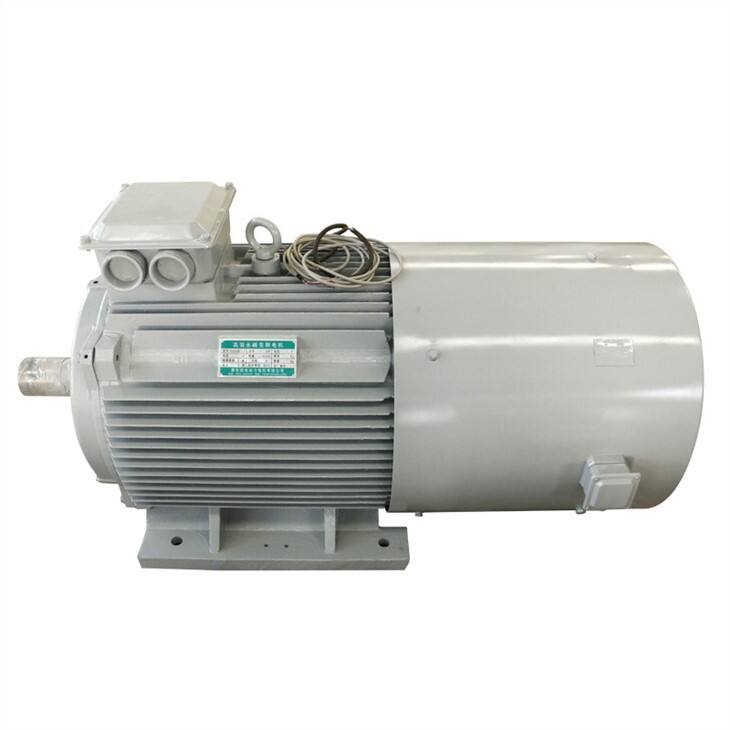
A custom high-power motor is judged against the same references as a production unit, plus the design-integrity ones. IEC 60034-1 covers general performance and the construction rules, while IEC 60034-30-1 sets the efficiency class the bespoke machine must prove on the test bed. ISO 9001 governs the design and build records so the optimisation is repeatable and auditable, and ISO 12100 frames the machinery risk assessment that a novel duty demands. IEEE guidance informs the dynamometer procedure, so a Rare Earth Motor Manufacturer delivers evidence, not assertion, that the design meets the brief.
A Rare Earth Motor Manufacturer that designs to these references protects the buyer when the duty is unusual, because the efficiency and the risk assessment are both measured the same way a standards body would expect.
Ordering from a Rare Earth Motor Manufacturer starts with the duty profile, not a part number: speed range, torque, duty cycle, and the ambient the machine must survive. Agree the efficiency and torque-density targets, then require the finite-element model and the demagnetisation check before any metal is cut. During validation, run the prototype on a loaded rig through the recorded cycle and store the measured curve as the acceptance baseline. Maintenance stays normal for a permanent-magnet machine: clean cooling paths, trend winding temperature, and re-torque terminations, because the bespoke rare-earth design only delivers its edge while it runs inside the envelope it was modelled for.
A Rare Earth Motor Manufacturer expects the buyer to hold the baseline, because the bespoke edge only lasts while the machine runs where it was modelled, not where the process drifts it.
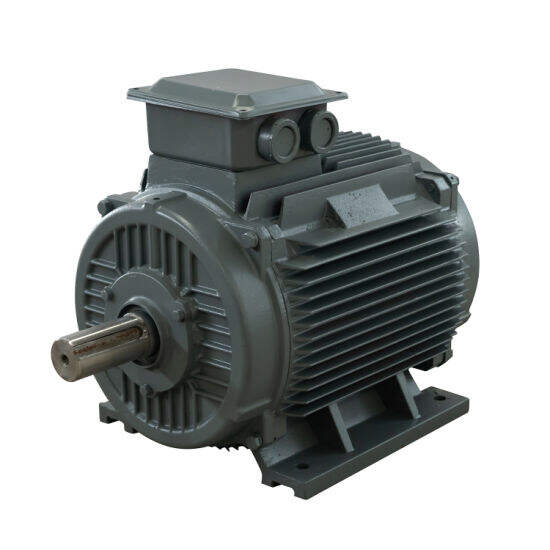
ENNENG designs and builds high-power permanent-magnet motors under ISO 9001 and CE, with electromagnetic optimisation and loaded validation for each custom order across the 110V to 690V range. Share the duty profile and the space limit with the engineering team to receive a rare-earth design matched to the real load.
Talk to ENNENG through the following routes:
A: A stock frame bends the duty to the hardware, so a non-standard torque or speed range forces a compromise on efficiency or footprint. A Rare Earth Motor Manufacturer models the magnetic circuit first and tunes pole count, magnet grade, and gap to the real load. For high-power custom orders where the standard frame runs hot or oversized, the bespoke rare-earth design hits the target without growing the machine.
A: The demagnetisation limit is modelled under the worst credible fault before any build, and the operating point is kept clear of it by margin. ENNENG then verifies that limit on a loaded rig through the recorded duty cycle, so the rare-earth magnets are proven, not assumed. The result is a high-power machine that holds its torque density through faults the process might actually see.
A: IEC 60034-1 covers general performance and IEC 60034-30-1 sets the efficiency class the prototype must prove on the test bed. ISO 9001 governs the design and build records so the optimisation is auditable, and ISO 12100 frames the risk assessment a novel duty needs. Together these let a buyer accept a Rare Earth Motor Manufacturer's design on evidence rather than on a claim.
A: The modelling phase adds front time, but it removes the redesign loops that a wrong stock guess would cause later. A Rare Earth Motor Manufacturer that demands the duty profile and runs a loaded validation ships a machine that fits on the first attempt, so the total lead time often beats a stock compromise that fails commissioning and has to be reworked in the field.


 EN