
how-to-calculate-investment-payback-period-for-cooling-tower-direct-drive-motor-energysaving-renovation-project, how-to-calculate-investment-payback-period-for-cooling-tower-direct-drive-motor-energysaving-renovation-project, /blog
EN

2026/10/08
Cooling towers represent indispensable heat rejection equipment in petroleum refineries, data centers, and power generation facilities. In a petrochemical complex operating twelve induced-draft cooling cells, persistent gearbox seal failures and high oil consumption led to severe operational downtime and elevated maintenance expenditure. Transitioning the mechanical layout toward a Cooling Tower Direct Drive architecture eliminated mechanical gearboxes and intermediate driveshafts entirely. Calculating the investment payback period for this direct-drive modernization reveals substantial financial returns driven by both energy conservation and maintenance avoidance.
|
Mechanical Architecture |
System Efficiency (%) |
Maintenance Burden |
|
Motor + Driveshaft + Gearbox |
72% - 78% |
High (Oil changes, seal leaks, alignment) |
|
Motor + Belt & Pulley |
75% - 82% |
High (Belt replacement, retensioning) |
|
Cooling Tower Direct Drive PM Motor |
94% - 96% |
Negligible (Sealed bearings only) |
Traditional cooling tower drive trains present continuous mechanical challenges due to saturated, humid operating atmospheres. Conventional arrangements use high-speed induction motors coupled with extended driveshafts, pillow-block bearings, and right-angle gearboxes located inside wet airflow paths. Mechanical friction and gear-mesh losses consume substantial electrical power before shaft torque ever reaches the fan blades. By contrast, a Cooling Tower Direct Drive motor mounts directly beneath the cooling fan, providing immediate energy savings.
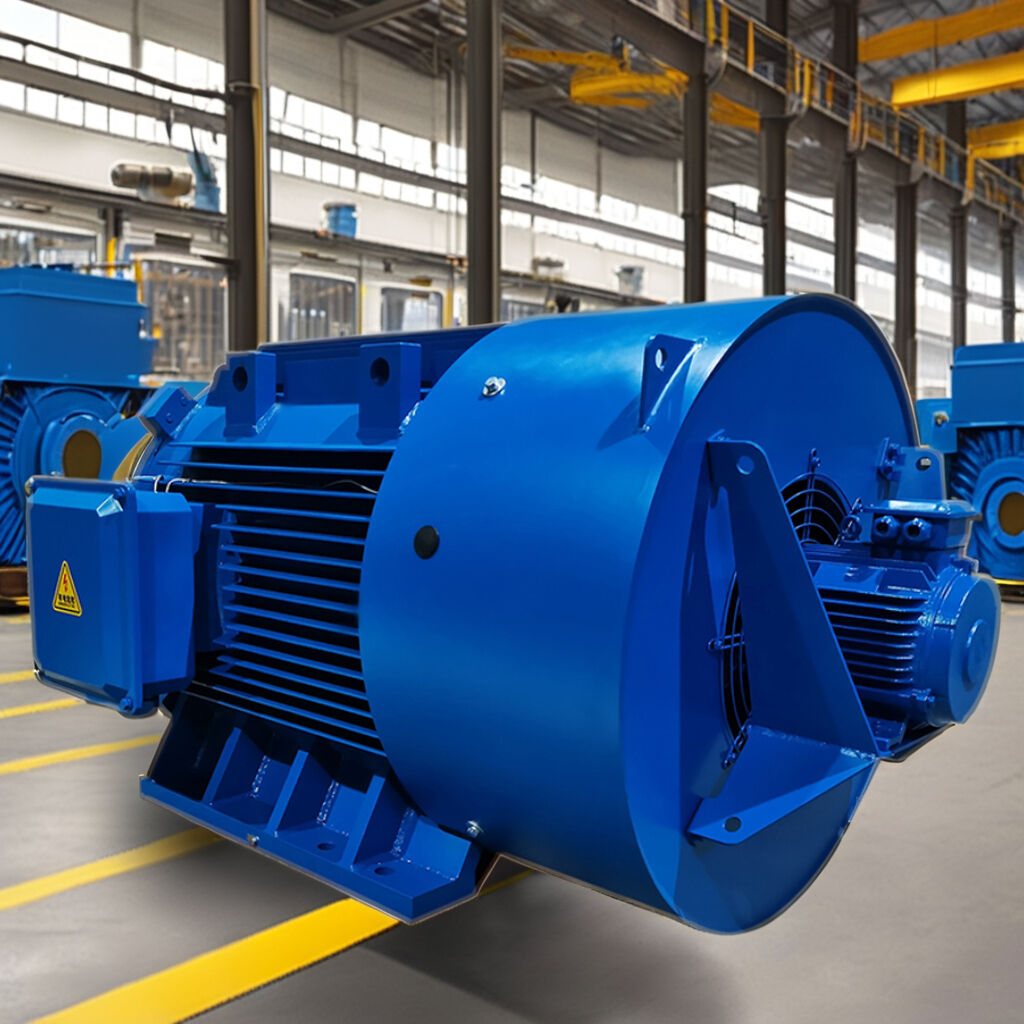
Right-angle gearboxes incur measurable parasitic drag through internal gear tooth friction, oil viscosity churning, and bearing friction. Over operating lifespans, gear tooth wear decreases mechanical transfer efficiency from initial values of 92 percent down to 80 percent or lower. A Cooling Tower Direct Drive eliminates transmission linkages, allowing every kilowatt drawn from electrical switchgear to convert directly into aerodynamic fan thrust.
Cooling tower fan plenums operate under constant relative humidity exceeding 95 percent, alongside chemical treatment aerosols. Moisture routinely penetrates gearbox breathers and lip seals, emulsifying synthetic lubrication oil and causing catastrophic bearing spalling. In contrast, a specialized Cooling Tower Direct Drive features totally enclosed IP66 or IP68 encapsulation, effectively isolating electrical windings and bearings from moisture intrusion.
Gear tooth engagement generates high-frequency mechanical whining that radiates across plant boundaries and adjacent municipal districts. Direct-drive synchronous machines operate at low rotational speeds without gear mesh dynamics, producing smooth torque that dramatically reduces airborne noise. Implementing a Cooling Tower Direct Drive routinely lowers sound pressure levels by 8 to 12 dBA compared with aging geared fan installations.
Modernizing commercial and industrial cooling infrastructure requires equipment capable of withstanding corrosive environments while delivering sustained energy savings. ENNENG provides advanced low-speed, high-torque permanent magnet direct-drive systems engineered specifically for cooling tower applications. Adopting an ENNENG Cooling Tower Direct Drive eliminates intermediate gear reducers and boosts operating system efficiency up to 96 percent.
|
Operational Factor |
Geared Induction System |
ENNENG Cooling Tower Direct Drive |
|
Gear Lubricant Volume |
20 - 60 Liters |
Zero Liters (Oil-Free) |
|
Annual Lubrication Changes |
2 to 4 Turnarounds |
Zero Lubrication Maintenance |
|
Voltage Rating Adaptability |
380V - 460V Rigid |
110V - 690V Unified Range |
|
Drivetrain Transmission Losses |
15% - 25% Total Loss |
0% (Direct Shaft Drive) |
ENNENG direct-drive platforms span versatile voltage configurations from 110V to 690V, operating seamlessly with intelligent variable frequency controllers. Eliminating mechanical couplings and jack shafts removes alignment labor, while advanced rare-earth permanent magnets ensure synchronous operation under demanding aerodynamic loads.
Cooling tower basins hold thousands of gallons of recirculating process water that pass through sensitive chillers and heat exchangers. Gearbox seal failures routinely dump hydrocarbon lubricants into the basin water, fouling downstream condenser tubes and violating local water discharge codes. Installing a Cooling Tower Direct Drive removes liquid lubricants from the airstream entirely, ensuring pristine water chemistry and safeguarding environmental compliance.
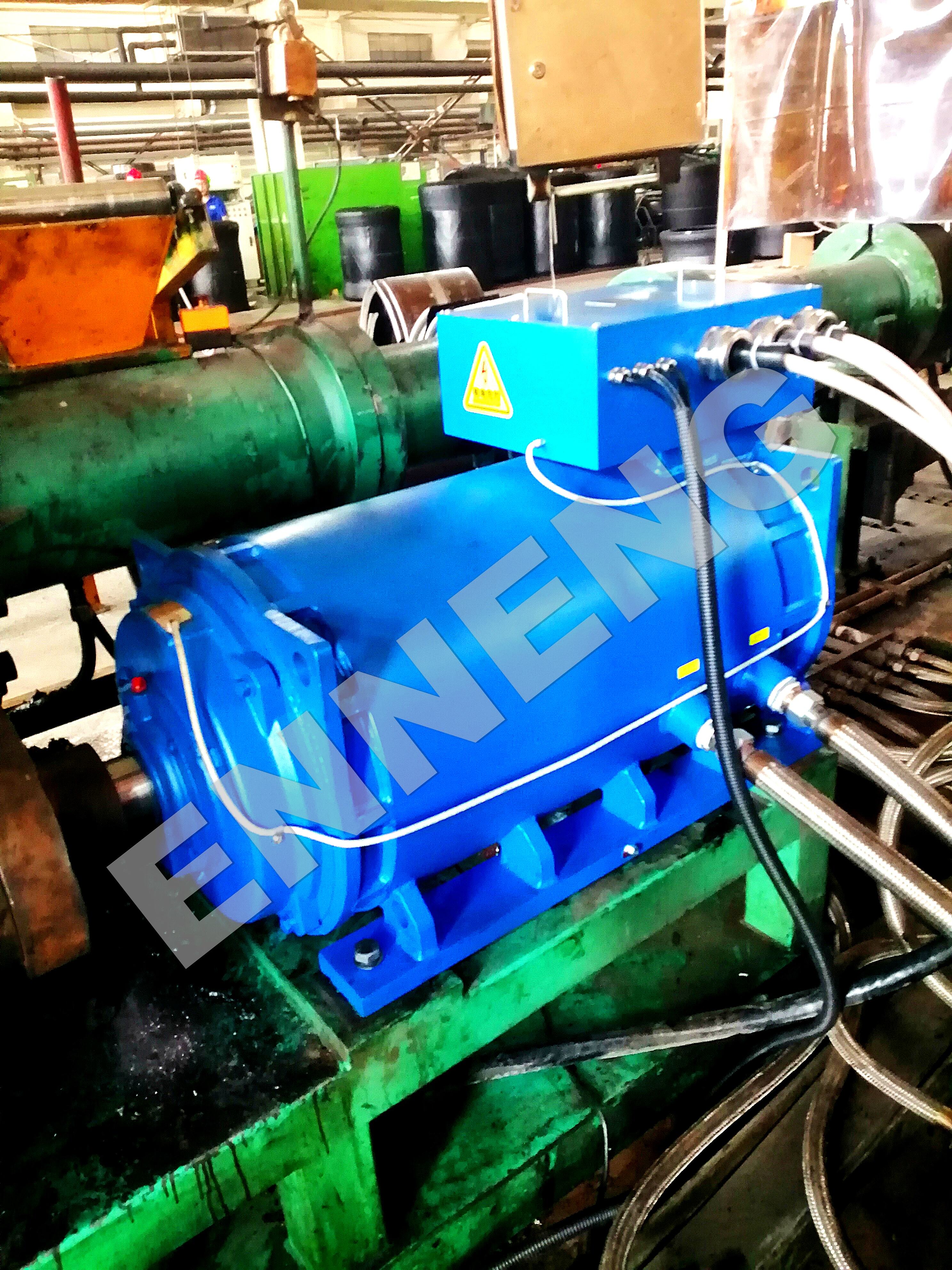
Fan power consumption follows the Affinity Laws, where required power varies with the cube of rotational speed. When cooling demand decreases during nighttime or cooler weather, operating an induction motor at fixed speeds wastes tremendous electrical energy. A Cooling Tower Direct Drive coupled with a vector drive allows seamless speed modulation from full RPM down to zero, capturing exponential energy savings across seasonal weather shifts.
Energy calculations must align with ISO 50001 energy baseline standards and Cooling Technology Institute (CTI) STD-201 thermal verification guidelines. Consider a typical 55 kW cooling tower fan cell operating 8,000 hours annually at an industrial electricity tariff of $0.10 per kWh. A traditional geared arrangement consumes approximately 53.5 kW average load. Upgrading to a Cooling Tower Direct Drive lowers average consumption to 42.8 kW, delivering a net reduction of 10.7 kW.
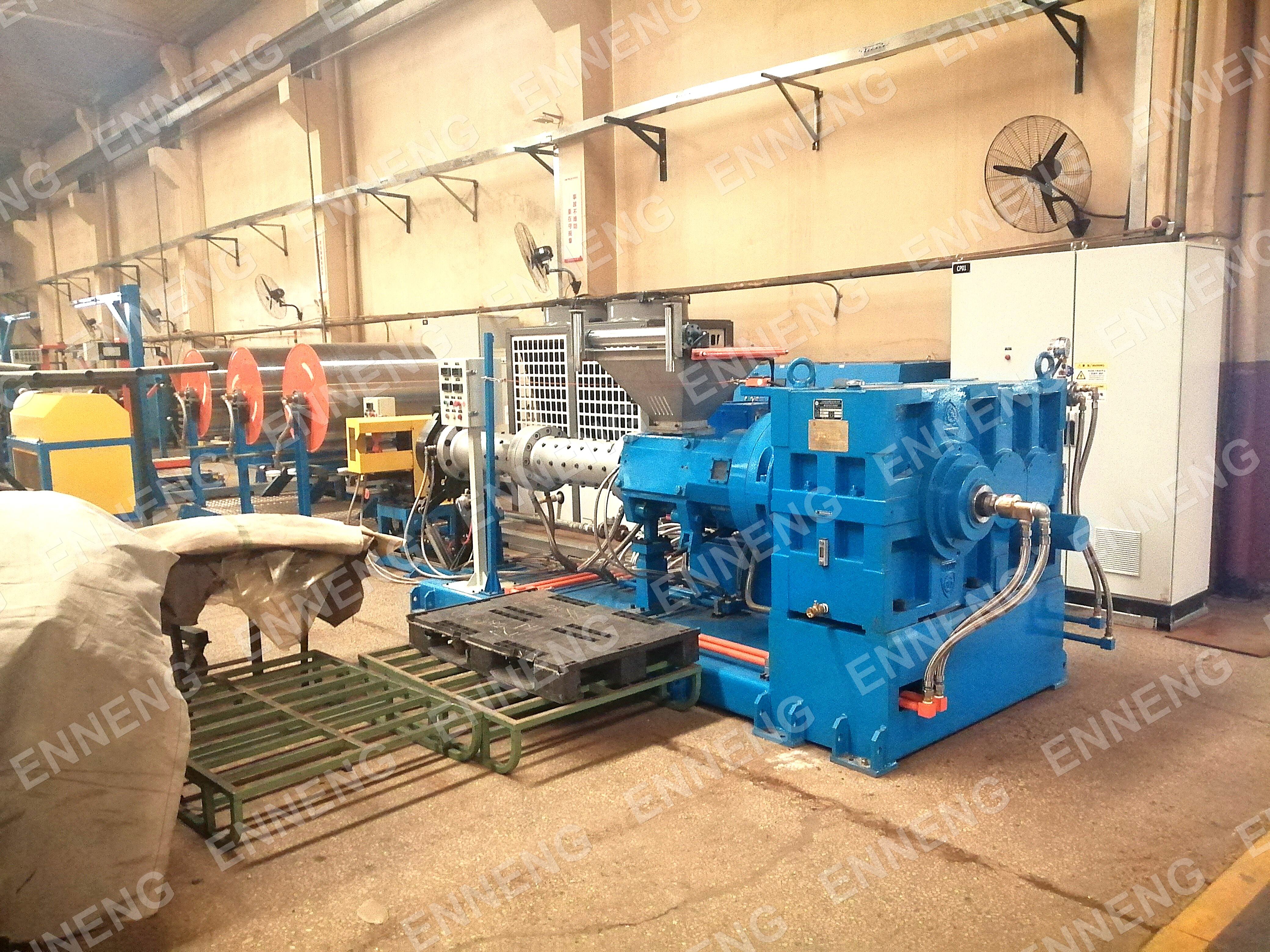
The simple payback period is slightly over two years, well within corporate capital investment hurdle rates. Furthermore, OSHA standard 1910 Subpart O guidelines for mechanical power-transmission apparatus highlight the occupational safety benefit of eliminating high-speed rotating driveshafts from wet confined cell interiors.
Review the structural steel grillages of existing tower cells to confirm dynamic stiffness and load ratings. High-torque direct-drive motors concentrate total drive weight directly onto the central fan support beam. Verify that structural deflection remains under 1.0 mm to preserve fan blade tip clearances against the fan cylinder shroud.
Because a Cooling Tower Direct Drive operates via variable frequency modulation, motor feeder cables must utilize symmetrical shielded inverter-duty wiring to prevent common-mode voltage damage. Install drive controllers within clean, climate-controlled electrical distribution rooms, ensuring braking resistors or line reactors are properly sized.
Direct-drive equipment simplifies field service dramatically. Technicians only need to verify electrical terminal torque annually and conduct infrared thermal scanning on external stator housings. Bearing seals require visual checks during routine seasonal turnaround shutdowns, completely freeing plant personnel from greasy oil changes and messy shaft alignments.
To examine direct-drive cooling configurations and frame envelopes, explore the ENNENG Products Catalog and review solutions via ENNENG Drive Technology.
Plant energy managers and facility project engineers are invited to provide specific cooling cell mechanical data to receive customized payback modeling and engineering layouts.
A: In most retrofit installations, existing fan hubs mount directly onto the direct-drive motor shaft extension via custom-machined taper bushing adaptors. Fan blade pitch angles and aerodynamic profiles remain unchanged. Eliminating the gearbox simply replaces the mechanical mounting interface, allowing facilities to reuse expensive composite fan assemblies without performance degradation.
A: Natural airflow through idle cooling tower cells can cause fan blades to freewheel in reverse, presenting severe electrical and mechanical shock during starting. Modern variable frequency drives paired with a Cooling Tower Direct Drive incorporate active DC-injection braking or soft-catch algorithms. The drive softly arrests reverse rotation before ramping the fan smoothly up to target forward operational speeds.
A: Heavy-duty direct-drive permanent magnet motors are engineered for operational lifespans exceeding twenty years. Eliminating intermediate mechanical wear components like gear teeth, drive couplings, and high-speed input shafts removes the primary root causes of cooling tower failures. High-grade winding insulation systems and sealed bearing isolators maintain dependable operation inside hot, humid atmospheres.


 EN