
 EN

How to judge the comprehensive strength of high efficiency motor supplier from sample-making and delivery capacity
For an OEM buyer, a motor quotation is only the beginning. The harder question is whether a High Efficiency Motor Supplier can translate an application brief into a stable sample, prove what was built, and repeat that result when the purchase order grows. This matters especially when an IE4/IE5 Efficiency Motor, a Permanent Magnet Motor PMSM, or a non-standard mounting arrangement is involved. A polished catalogue may show a broad range; sample discipline and delivery control reveal how the supplier actually works.
The short answer is that a capable supplier makes uncertainty visible early. More precisely, it turns unknowns about load, duty cycle, cooling, voltage, controls, and mechanical interfaces into a documented sample plan before they become a late production problem.
Start with the sample-making process, not the promised lead time
When evaluating a High Efficiency Motor Supplier, ask what happens between your initial drawing and a shippable prototype. A credible answer should describe a sequence: requirement review, design confirmation, material and winding decisions, prototype build, test, corrective action if needed, and release of a controlled version. “We can make a sample” is not enough. Ask who closes technical questions, what document records the agreed configuration, and what changes require your approval.
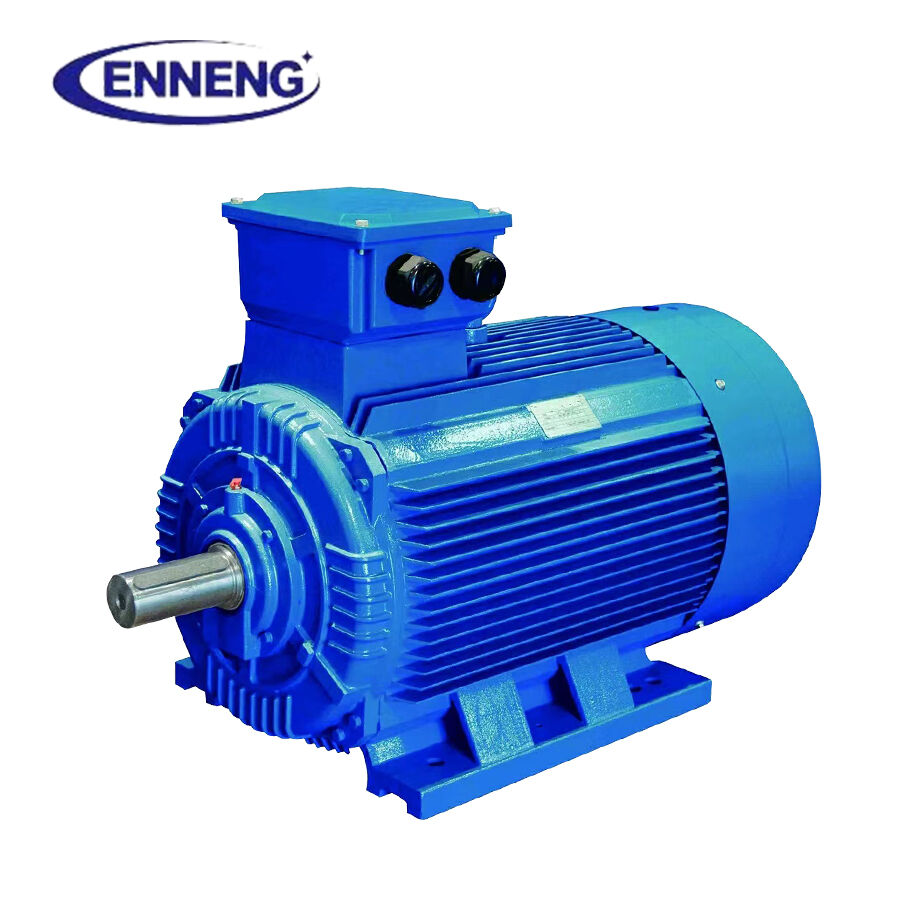
This is particularly important for Custom PM Motor Design. Rotor topology, magnet grade, winding parameters, encoder or feedback requirements, enclosure, shaft geometry, and thermal limits interact. You might be thinking that a dimensional drawing is sufficient for a first sample. The problem is that a drawing alone rarely states the real operating conditions that determine whether a PMSM performs as expected after installation.
- Provide the actual duty cycle, load profile, ambient temperature, supply conditions, and space limits.
- Ask the supplier to list open engineering assumptions before sample production begins.
- Confirm the revision identifier for drawings, bill-of-material changes, and test requirements.
- Agree on what constitutes sample approval and what will be locked for the production version.
A High Efficiency Motor Supplier with practical engineering control will welcome these questions because they prevent costly rework. A supplier that avoids them may still make a physical sample, but the sample may be a one-off rather than evidence of a repeatable process.
Request evidence that connects efficiency claims to the actual sample
Efficiency labels need context. IEC 60034-30-1 is widely used to frame IE efficiency classes for applicable single-speed electric motors; IE4 is commonly described as Super Premium efficiency. For an IE4/IE5 Efficiency Motor, do not treat the label as a substitute for application review. Ask which rating point, operating conditions, and test basis are relevant to your model. An Energy Saving Motor Solution should be evaluated at the system duty point, not only by a headline class.
Useful sample evidence can include the approved specification, nameplate data, winding and insulation checks, no-load observations, and—where agreed—load, temperature-rise, vibration, or efficiency test records. The appropriate test scope depends on the motor and project, so the buyer should define it with the supplier rather than demand a generic document package. The practical test is simple: can the High Efficiency Motor Supplier explain what each record proves and which revision it belongs to?
| What to review | Why it matters | Buyer follow-up |
|---|---|---|
| Requirement and drawing revision | Links the sample to the approved application | Check dates, dimensions, interfaces, and change control |
| Sample test plan | Shows which performance risks are being tested | Confirm duty point, tolerances, and acceptance criteria |
| Test record and traceability | Distinguishes measured evidence from a generic claim | Ask for the sample serial or build reference |
| Corrective-action record | Shows how the supplier handles a miss or design change | Verify the production release reflects the correction |
Use engineering response quality as a capability signal
Sample speed matters, but the quality of technical communication often matters more. Most buyers expect a motor sample to move directly into approval; experienced teams plan a distinct validation phase for fit, controls, thermal behavior, and installation conditions. A High Efficiency Motor Supplier should state the inputs it needs, identify risks in plain language, and avoid quietly substituting a material or process without confirmation.
Pay attention to how the supplier handles trade-offs. For example, an IE4/IE5 Efficiency Motor target may affect motor size, cooling, control compatibility, or cost. A strong team does not promise every target at once. It explains alternatives, marks assumptions, and gives you a decision point. That approach is more valuable than an optimistic answer that must later be withdrawn.
Test delivery capacity beyond a single prototype
A prototype can be built with exceptional attention; delivery capability is the ability to preserve that attention across purchasing, production, inspection, packing, and shipment. Evaluate the High Efficiency Motor Supplier on whether it can describe its capacity in operational terms: material lead-time risks, production sequencing, bottleneck processes, inspection hold points, packaging method, and the person responsible for schedule updates.
Ask for a proposed timeline broken into design confirmation, sample build, testing, approval, material preparation, pilot run, and mass production. Then ask what can change that timeline. A reliable answer identifies dependencies rather than offering a fixed date with no conditions. For a Permanent Magnet Motor PMSM, long-lead components or custom machining may matter as much as assembly time. For an Energy Saving Motor Solution, system integration or controller matching may need its own validation window.
- Compare the quotation lead time with a milestone plan, not merely a shipment date.
- Ask how sample lessons are transferred to the production line and inspection team.
- Clarify the supplier’s escalation method if a critical component or test result changes the schedule.
- Start with a pilot quantity when the design, demand pattern, or acceptance method is new.
Engineering Consultation and System Integration
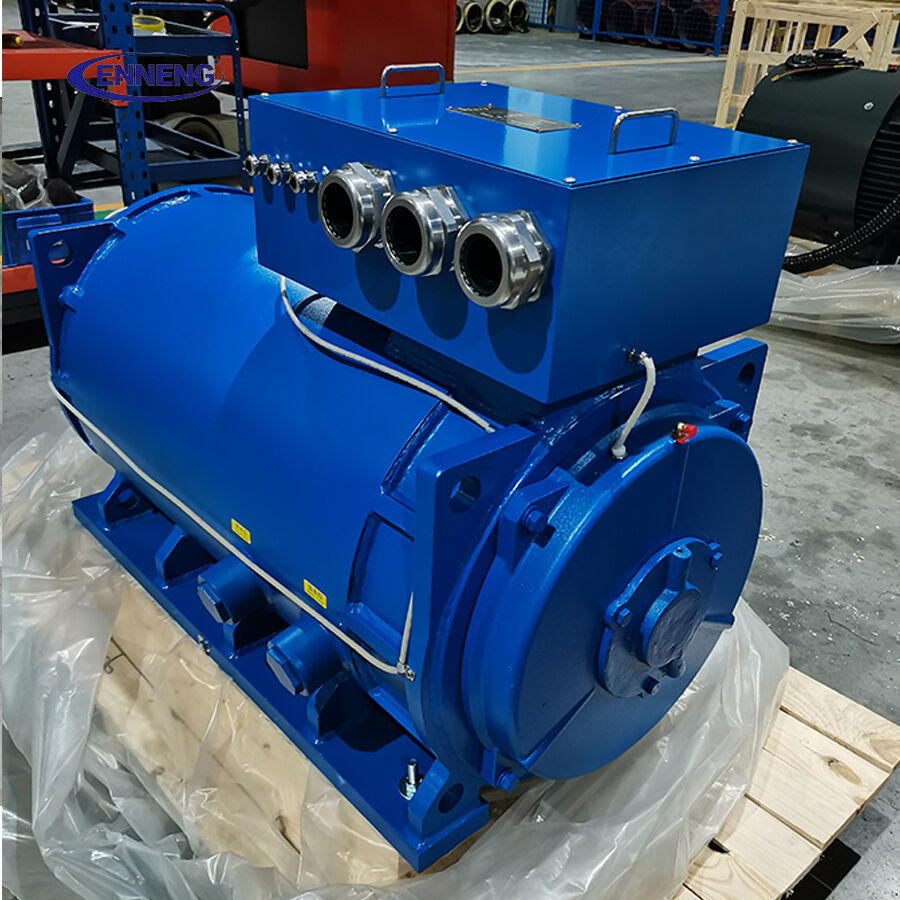
Upgrading high-vibration machinery with an advanced direct drive motor lowers plant acoustic noise, eliminates gearbox maintenance costs, and maximizes continuous operational reliability. Collaborating with an established high efficiency motor supplier guarantees proper low-speed torque sizing, verified torsional vibration modeling, and complete electrical drive package integration. Technical specialists perform detailed structural resonance analyses, acoustic surveys, and custom mechanical flange adaptations to modernize challenging industrial drivetrains. Inquire today to evaluate industrial equipment parameters and specify customized direct drive solutions.
- WhatsApp: +86 18562780228
- E-Mail: [email protected]
- Phone: +86 532 66000559
Turn the evaluation into a repeatable supplier scorecard
Do not score suppliers only on unit price or catalogue range. Weight their ability to clarify requirements, control revisions, document sample evidence, explain test results, disclose delivery dependencies, and communicate exceptions early. This is where Custom PM Motor Design capability becomes visible: not as a broad claim, but as a disciplined way of managing your particular application.
The real cost question is not simply what the first motor costs. It is what delayed validation, inconsistent production, field rework, and unplanned downtime may cost over the program. Before selecting a High Efficiency Motor Supplier, ask one final question: if the approved sample must be reproduced six months from now, what controlled records, materials, tests, and release checks ensure the delivered motor is the same decision you approved?
A supplier able to answer that question with evidence is better positioned to support a durable, efficient motor program than one that relies on broad promises alone.

