
what-adaptability-features-should-textile-machinery-pm-motor-have-for-cyclicload-textile-production, what-adaptability-features-should-textile-machinery-pm-motor-have-for-cyclicload-textile-production, /blog
EN

2026/09/15
Textile production moves in cycles that a steady factory load never shows. A Textile Machinery PM Motor on a ring frame, loom, or winder meets doffing stops, speed ramps, and the sharp beat of a loom, all tied to yarn count and shift pattern. The drive must hold tension through that motion, and the duty is a constant negotiation rather than a fixed speed. Fixed-speed machines struggle here, because the profile changes with every product change on the same line.
One spinning hall ran a ring frame whose doffing cycle swung the load dozens of times per hour as packages filled and changed. The old drive lagged on acceleration and let yarn tension drift, producing off-grade cops the winder rejected. After fitting a Textile Machinery PM Motor with fast torque response, the frame held tension through the ramps and the rejection rate dropped. The gain came not from more power but from adaptability, because the same line then ran more yarn types without rework.
Each ramp stores and releases energy in the mechanism, and the motor must absorb the mismatch without heating. A Textile Machinery PM Motor sees current swings that stress insulation and bearings more than a steady load of equal average power. Looms add a hard torque pulse at every beat, while winders demand a precise low-speed hold. Without adaptability the drive runs hot and drifts, so the drive must be chosen for the cycle, not for a single rated point on the curve. The cost of that drift is rejected product and lost time, which a steady-rated machine cannot avoid on a changing line.
Adaptability means the motor delivers useful torque across the whole speed band and stays cool while doing it. A Textile Machinery PM Motor earns that through magnet design, control, and thermal margin working together.
Permanent magnet construction gives strong torque at low speed, so a Textile Machinery PM Motor accelerates a heavy package without the inrush that strains the supply. The flat torque curve lets the same unit hold tension at creep speed and still deliver on a fast ramp, which is the textile cycle. Because the magnet field is fixed, the response stays consistent shift after shift, and the Textile Machinery PM Motor does not lose authority as the line changes product.
The drive must shed heat from the cyclic losses and accept commands from the machine controller without hunting. A Textile Machinery PM Motor with good thermal margin and encoder feedback tracks the setpoint through ramps and holds at low speed without drift. Closed-loop control turns the motor into a follower of the process, so a change in yarn count is a parameter, not a rebuild. The Textile Machinery PM Motor thus adapts by design, keeping the line stable across the daily mix of orders.
Efficiency and drive rules turn the adaptability story into measurable requirements. A Textile Machinery PM Motor that meets them saves energy across the cycle and passes audit.
IEC 60034-30-1 classifies motor efficiency and places permanent magnet machines on the IE5 path, where textile cycles sit at partial load for much of the time. A Textile Machinery PM Motor rated to this standard keeps its efficiency through the ramps instead of collapsing at off-rated points. Specifying to the class lets a site prove the saving across the real duty, and the Textile Machinery PM Motor earns its place through tested numbers rather than marketing claims.
IEC 61800-9 sets efficiency for power drive systems, covering the motor and its controller as one unit. A Textile Machinery PM Motor paired with a matched drive meets a system target that single-component ratings miss, which matters because the cycle is a system event. The standard gives a fair basis to compare options, so the motor is chosen for total loss across the day, not for a nameplate figure measured at one speed.
Choosing and keeping the unit follows the cycle, not the catalog average. A Textile Machinery PM Motor performs to its rating only when selection and care match the actual duty on the floor.
List the speed range, ramp rate, beat torque, and daily product mix before requesting quotes. A Textile Machinery PM Motor should arrive with a torque-speed curve covering the low-speed hold and the fast ramp, plus encoder feedback for the controller. Confirm the thermal class and the drive match, and ask for the partial-load efficiency data. When the Textile Machinery PM Motor is specified this way, the line gains adaptability from day one instead of after a costly retrofit.
Plan checks around the cyclic stresses: bearing temperature trend, encoder signal, and cooling path cleanliness. A Textile Machinery PM Motor should get a thermal scan during a representative ramp cycle, not only at idle, because the heat builds under load. Log current and temperature each month; a rising trend predicts bearing or insulation trouble. Keep the drive parameters documented, because the Textile Machinery PM Motor depends on correct tuning to stay adaptable as the product mix shifts.
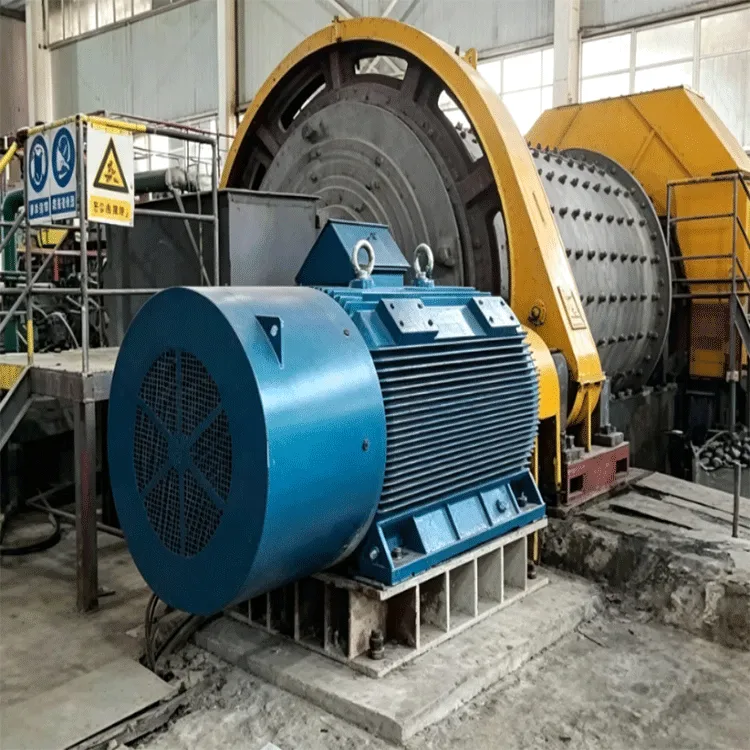
Textile lines run doffing stops, speed ramps, and loom beats tied to yarn and fabric changes, not a single steady speed. A Textile Machinery PM Motor must follow those changes without overheating or losing tension, or the line makes off-grade product. Adaptability turns a product change into a parameter instead of a rebuild, and it keeps the same machine useful across a daily mix of orders without constant rework.
Bearings and insulation feel the repeated current and speed swings more than a steady load would. A Textile Machinery PM Motor under harsh cycles heats and cools often, which ages seals and windings faster. Loom beat pulses add sharp torque spikes that stress the shaft and coupling. The first signs are a rising bearing temperature and current trend, so logging those catches trouble before a stop on the line.
IEC 60034-30-1 classifies efficiency and places permanent magnet machines on the IE5 path, which matters because textile cycles sit at partial load much of the time. A Textile Machinery PM Motor rated to it keeps efficiency through ramps. IEC 61800-9 adds the drive system view, so the motor and controller are judged together as the real textile duty demands across the whole day.
Permanent magnet construction gives strong torque at low speed without a large inrush, so a Textile Machinery PM Motor holds tension during creep-speed winding and still accelerates hard on a ramp. The fixed magnet field keeps response consistent shift after shift. That flat torque across the band is what lets the same unit serve both delicate and fast sections of the textile cycle without losing authority.
Yes, when it is specified for the full cycle rather than one rated point. A Textile Machinery PM Motor with encoder feedback and a matched drive follows setpoint changes from the controller, so a yarn-count change is a parameter entry. The adaptability comes from design and tuning together, and the Textile Machinery PM Motor keeps the line stable as orders change through the day.
Check them against the duty, not only the calendar. A Textile Machinery PM Motor deserves a thermal scan during a real ramp cycle and a monthly log of current and temperature. Watch bearing heat, encoder signal, and cooling cleanliness, because cyclic stress ages these first. A rising trend predicts failure, and the floor mix shifts often enough that documented tuning protects the adaptability the motor was bought for.


 EN