Modern ring spinning frames, shuttleless rapier looms, and continuous circular knitting machines operate at speeds exceeding 1,200 picks per minute in high-throughput textile mills. Under these intense manufacturing conditions, drives experience rapid acceleration, sudden braking cycles, and continuous yarn tension oscillations occurring thousands of times each hour. Maintaining precision synchronization across multiple spindle drives requires drive equipment that endures intense cyclic mechanical fatigue without structural failure.
Operating in high-speed textile manufacturing presents serious mechanical challenges. Cyclic torque reversals and continuous stop-and-go duty cycles induce cyclic shear stress across motor rotor shafts, bearing races, and magnet retainment sleeves. When motors utilize conventional commercial-grade structural steels, cyclic metal fatigue leads to micro-cracking, shaft deflection, bearing fretting, and magnet detachment. Airborne lint and high ambient temperatures exacerbate these vulnerabilities, causing premature stator insulation failure. To ensure uninterrupted production, textile machinery builders require specialized Textile Machinery PM Motor solutions from ENNENG, manufactured with advanced fatigue-resistant alloys and premium composite materials.
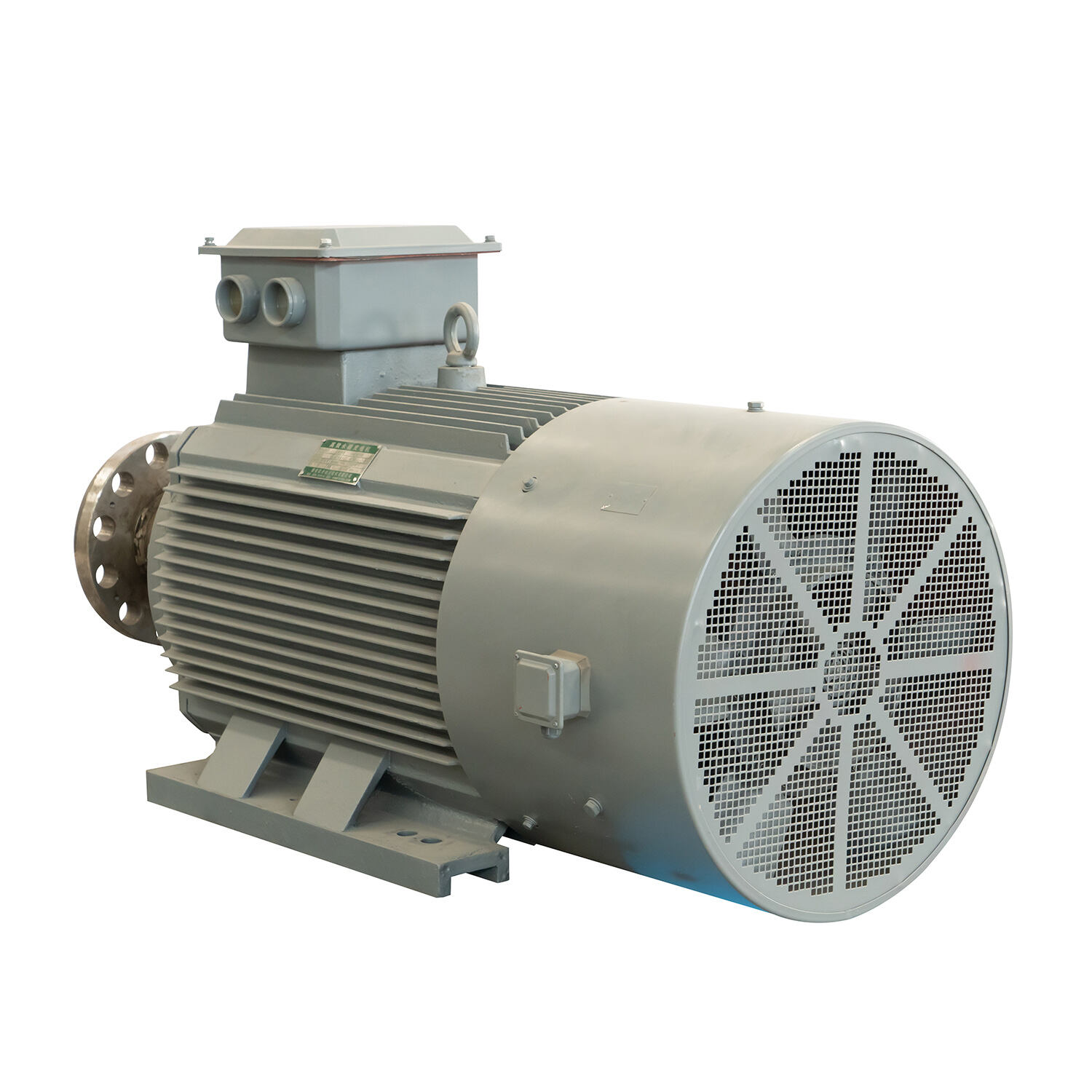
Mechanical Dynamics of Cyclic Loading in Modern Textile Mills
High-Frequency Acceleration, Deceleration, and Tension Pulses
Textile machines operate through severe dynamic motion profiles. A high-speed rapier or air-jet loom constantly accelerates and decelerates its main drive shaft during each weft insertion cycle. Spindle drives in texturing machines subject motors to dynamic torque pulses that reverse several times per second.
These severe cyclic duty cycles generate alternating shear and torsional stresses across the rotor shaft and coupling interfaces. Under continuous multi-shift production schedules totaling over 8,000 operating hours annually, mechanical fatigue accumulates rapidly. Standard carbon steel components subjected to millions of stress cycles develop micro-voids at keyways and diameter transition steps, ultimately leading to catastrophic torsional fatigue fractures.
Thermal Cycling and Ambient Fiber Contamination
Textile mills maintain ambient working temperatures frequently exceeding 35°C, with high relative humidity required to prevent yarn snapping. At the same time, high-speed start-stop cycles generate sharp electrical current spikes that induce thermal cycling inside motor stator windings and rotor assemblies.
Fine cotton fiber, synthetic lint, and yarn lubricants drift through production areas, settling inside motor ventilation passages. When cooling airflow becomes restricted, internal motor temperatures rise significantly. If rotor components and winding resins cannot withstand combined mechanical cyclic fatigue and high thermal gradients, thermal degradation accelerates mechanical breakdown, culminating in costly production line stoppages.
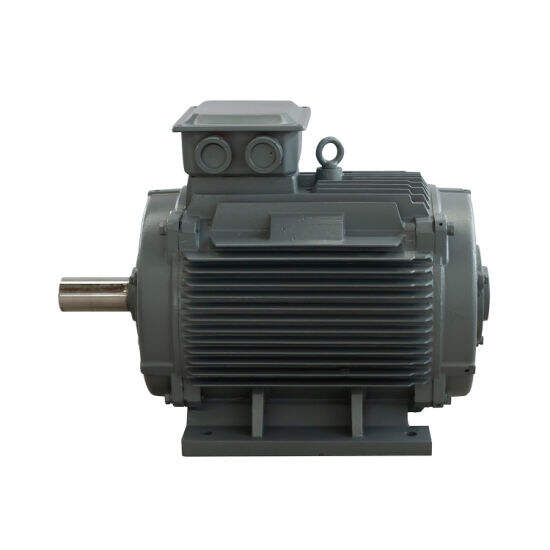
Advanced Metallurgy and Insulation Materials for PM Motors
High-Strength Shaft Alloys and Structural Fatigue Endurance
Selecting appropriate shaft metallurgy is critical for a Textile Machinery PM Motor enduring continuous cyclic loads. Standard mild steels (such as AISI 1045) exhibit relatively low endurance limits under alternating torsional loads. Premium textile drive shafts utilize vacuum-degassed chrome-molybdenum or nickel-chromium alloy steels, such as 42CrMo4 (AISI 4140) or 34CrNiMo6, heat-treated through quenching and tempering to achieve high tensile strength and superior fatigue resistance.
Shaft transition radii must be precision-machined with generous fillet radii and polished surfaces to eliminate notch sensitivity stress concentrations. Keyless hydraulic shrink-fit connections or taper-lock polygon profiles replace traditional keyed shafts, distributing cyclic torque evenly around the shaft perimeter and preventing the stress risers that commonly initiate fatigue fractures.
|
Material Property
|
Standard Carbon Steel (AISI 1045)
|
Vacuum-Degassed 42CrMo4 (Quenched & Tempered)
|
|
Tensile Strength (Rm)
|
570 - 650 MPa
|
980 - 1100 MPa
|
|
Yield Strength (Re)
|
305 - 340 MPa
|
750 - 850 MPa
|
|
Torsional Fatigue Limit (10^7 Cycles)
|
~180 MPa
|
~380 MPa (Over 110% higher)
|
|
Impact Toughness (Charpy-V)
|
25 - 30 J
|
> 45 J (Enhanced resistance)
|
|
Cyclic Notch Sensitivity
|
High (Prone to cracking)
|
Low (Engineered resilience)
|
High-Grade Silicon Steel Laminations and Magnet Retention Sleeves
Under dynamic cyclic loads, stator and rotor core laminations experience high-frequency electromagnetic forces that induce physical vibration. A Textile Machinery PM Motor utilizes ultra-thin (0.20 mm to 0.35 mm), high-permeability, non-grain-oriented electrical silicon steel laminations coated with organic C-5 insulating varnish. Stacking laminations using automated interlock and bonding processes prevents lamination separation and fretting corrosion during cyclic torque pulses.
To secure rare-earth NdFeB or SmCo permanent magnets against centrifugal shear forces during rapid acceleration, rotors utilize high-strength carbon-fiber composite retainment sleeves or precision non-magnetic stainless steel (AISI 316) jackets. High-temperature epoxy bonding systems with thermal endurance ratings up to 180°C guarantee that permanent magnets remain securely anchored under continuous shock loading.
ENNENG Textile Machinery PM Motor Engineering Standards
ENNENG designs specialized Textile Machinery PM Motor drives tailored for continuous, cyclic-load machinery. Spanning power outputs from 5kW to 5MW with flexible voltage configurations between 110V and 690V, these permanent magnet motors deliver exceptional dynamic torque-to-inertia ratios.
ENNENG integrates Class H insulation systems utilizing vacuum pressure impregnation (VPI) with solventless epoxy resin, ensuring void-free stator winding encapsulation. This provides exceptional resistance to moisture, airborne lint, and cyclic electrical stress. Dual-sealed deep groove ball bearings packed with high-temperature synthetic polyurea grease prevent fiber contamination and sustain continuous cyclic operation.
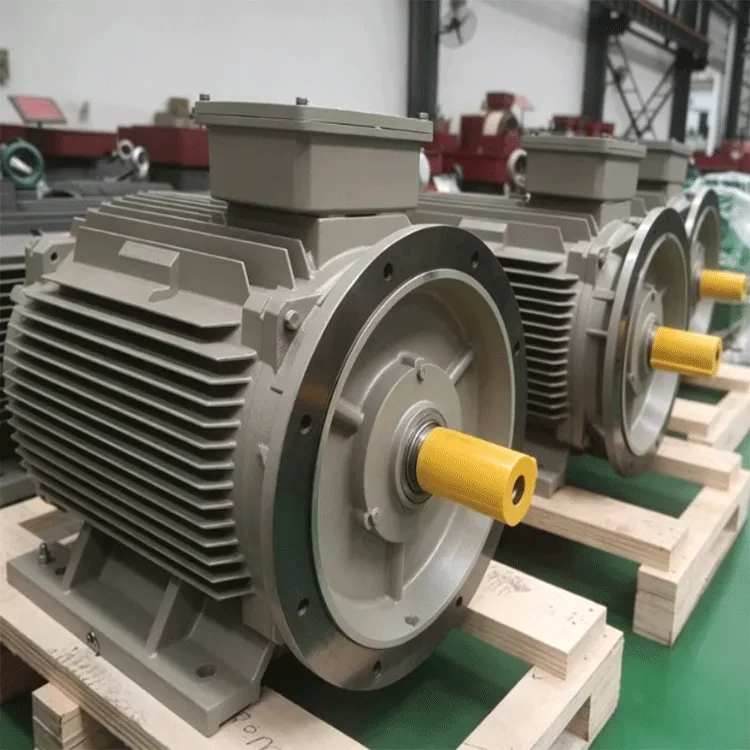
International Standards Governing Material Fatigue and Safety
ISO 6336 and AGMA Shaft and Driveline Fatigue Standards
Designing motor drive components for cyclic-load textile environments requires compliance with international mechanical fatigue criteria. ISO 6336-5 defines material quality, heat treatment depth, and fatigue endurance limits for mechanical power-transmission elements, while AGMA 6001 provides standards for design and selection of components subjected to fluctuating torque.
Under these standards, motor shafts undergo finite element analysis (FEA) to confirm that localized stress concentrations under worst-case cyclic peak torque remain below the material’s endurance limit. This rigorous engineering methodology ensures that a Textile Machinery PM Motor achieves infinite fatigue life (N > 10^7 cycles), preventing fatigue failures in continuous production plants.
IEC 60034-18 Thermal and Electrical Stress Evaluation
IEC 60034-18 outlines functional evaluation procedures for insulation systems under combined thermal, electrical, and mechanical stresses (TEAM factors). In cyclic textile machinery, fast switching inverters generate repetitive dV/dt voltage pulses that create partial-discharge stress across stator phase turn-to-turn insulation.
ENNENG motors comply with IEC 60034-18 by utilizing corona-resistant grade enameled magnet wire (Class 200) paired with aramid paper slot liners. This insulation system prevents dielectric breakdown from inverter voltage spikes, ensuring long operational service life in challenging textile plant environments.
Selection Criteria, Operating Practices, and Preventative Maintenance
Sizing and Rotor Inertia Matching for Rapid Acceleration
Selecting the ideal Textile Machinery PM Motor requires careful dynamic calculations rather than simple steady-state thermal sizing:
- Rotor-to-Load Inertia Ratio: For rapid start-stop duty cycles, maintain a load-to-motor inertia ratio below 5:1 (ideally close to 1:1) to prevent dynamic hunting and minimize acceleration energy losses.
- Peak Torque Margin: Ensure the motor’s transient peak torque capability provides at least 200% to 250% of nominal rated torque to handle instant acceleration without slip or magnetic saturation.
- Thermal Dissipation Factor: In enclosed lint-heavy spinning rooms, select totally enclosed fan-cooled (TEFC) or liquid-cooled frames that prevent fiber clogging on cooling surfaces.
Preventive Inspection and Maintenance Guidelines
|
Service Interval
|
Maintenance Inspection
|
Acceptance Criteria
|
|
Shift Handover
|
Clean motor external frame and fan cover of textile lint
|
Unobstructed airflow; clean cooling surfaces
|
|
Monthly
|
Check shaft coupling alignment and clamp collar torque
|
Alignment < 0.03 mm; clamp bolts at full torque
|
|
Quarterly
|
Spectrum vibration analysis on motor bearing caps
|
Vibration < 1.5 mm/s RMS per ISO 10816-3
|
|
Annually
|
Dielectric surge comparison and insulation test
|
Megohmmeter test > 100 MΩ; zero surge waveform shifts
|
Textile plant operators and machinery manufacturers seeking to enhance line throughput and eliminate mechanical fatigue failures can explore advanced motor designs. Learn more about reliable drive technologies by visiting the ENNENG Contact Page to consult with textile drive specialists.
FAQ
Q: Why do cyclic loads require specialized anti-fatigue materials in a Textile Machinery PM Motor?
A: Textile machinery subjects drive shafts and rotors to intense acceleration, rapid braking, and cyclic torque reversals occurring thousands of times each day. Conventional mild steels develop micro-cracks at stress concentration points, eventually causing catastrophic torsional fatigue fractures. Utilizing vacuum-degassed alloy steels (such as 42CrMo4) and carbon-fiber rotor retention sleeves ensures motors withstand millions of stress cycles without structural failure.
Q: How does thermal stability protect permanent magnets against cyclic demagnetization?
A: Repeated acceleration cycles draw dynamic current pulses, producing localized thermal spikes within the stator and rotor assemblies. Standard low-coercivity magnets risk irreversible partial demagnetization if operating temperatures cross critical thresholds. Utilizing high-temperature rare-earth NdFeB or SmCo magnets with high intrinsic coercivity ensures that permanent magnets retain full magnetic strength despite rapid thermal cycling in continuous textile manufacturing.

 EN


