
what-benefits-can-gearless-motor-deliver-for-24hour-continuous-industrial-production-scenarios, what-benefits-can-gearless-motor-deliver-for-24hour-continuous-industrial-production-scenarios, /blog
EN

2026/09/09
A bulk terminal in Shandong moves iron ore from ship to stockyard on a 1.4-kilometer belt running twenty-four hours a day. The original geared drive needed a quarterly oil change and a bearing set every eighteen months. After the terminal fitted a gearless motor on the head pulley, the oil changes, the bearing swaps, and the planned stops all ended, and the line held its rated tonnage through every watch. The gearless motor now delivers the same tonnage the geared set once did, without the clock-driven stops that idled the quay.
The belt carries 2,800 tonnes per hour, and a missed shift means demurrage costlier than the drive itself. A gearless motor lets the terminal skip the planned stops that the old gearbox forced, because there is no oil to change and no tooth set to inspect on a clock. Over a year the belt ran 320 more hours than the geared record, and the head pulley turned by a gearless motor for every one of those hours without a scheduled stop.
The geared unit failed when a bearing cage cracked and the mesh ate a tooth during a peak pull. The belt stopped for a day while ore backed up at the quay. A gearless motor has no cage and no mesh, so that failure mode simply does not exist in the new train, which is why the 24-hour belt now runs on a chosen stop rather than a forced one.
A 24-hour line is judged by hours lost, not by rated speed, and a gearless motor shifts the weak point from a clutch of wearing parts to a single monitored bearing. No oil window, no tooth set, and no coupling slack mean the only stop is the one the plant chooses, not the gearbox. The gearless motor keeps the line moving because the clock-driven failure parts are gone from the load path.
A geared set heats in bursts as teeth mesh and the film thins under load spikes, swinging its temperature through the day. A gearless motor carries a steadier thermal load because torque passes through the field, with no mesh to spike the heat. That flat thermal curve lets the gearless motor run the full week without the hot spells that aged the old oil and shortened the geared bearing.
The only wearing part left on a gearless motor is the bearing, and a steady load is kinder to it than the shock a gearset delivers. A gearless motor lets the plant apply the L10 life formula to one bearing instead of three, so the replacement date becomes a calculation rather than a gamble. The bearing on a gearless motor sees a clean radial load with no mesh ripple, which is why its rated hours stretch well past the geared set it replaced.
A gearless motor must still clear the same efficiency and safety codes as any drive, and the proof sheets are what the auditor reads at commissioning. A unit that ships with the right class and test enters the plant file like any standard drive.
IEC 60034-30-1 sets the IE efficiency classes for motors, and a gearless motor that removes the gear loss lands in the IE4 or IE5 band at the working points. The standard gives the plant a comparable number against the old geared unit, so the saving shows on the audit. Enneng Motor tests a gearless motor to the class and records the loss at the low-speed duty the belt actually runs, then stamps the sheet the inspector keeps.
ISO 50001 asks the plant to measure and cut its energy use, and a continuous line is the first place the auditor looks. A gearless motor cuts a steady slice of the drive loss every hour it runs, so the meter reading drops and stays dropped across the quarter. The standard turns that drop into a tracked target, which is how the gearless motor saving survives the next budget review instead of fading from the log.
Picking a gearless motor for a 24-hour line means sizing to the all-day load and trusting the simpler train to need less care. Rate the gearless motor on the steady duty the belt holds, not the rare surge, because the unit runs at that level for thousands of hours and the bearing is sized for the long stretch. Add the ambient margin for a hot quay summer, and confirm the frame fits the head pulley space the plant already has. Sized this way, a gearless motor passes the first shift and the thousandth without a revisit to the drawing.
A geared drive is often oversized to survive its own shock loads, which wastes energy at the duty point. A gearless motor can be sized to the real continuous torque, because there is no mesh to punish with a surge, so the unit runs nearer its best efficiency band all day. The plant gains back the margin the old gearbox consumed, and the gearless motor pays it back as lower heat and a longer bearing life on the line.
Because the belt rarely stops, the plant cannot open the drive for a look, so monitoring moves to sensors. A gearless motor ships with temperature and vibration taps that feed the control room, so the crew spots a warm bearing from the desk instead of waiting for a forced stop to expose it. That online view is the new oil check, and it keeps the gearless motor honest through the long night without a planned halt to find a fault the trend already named.
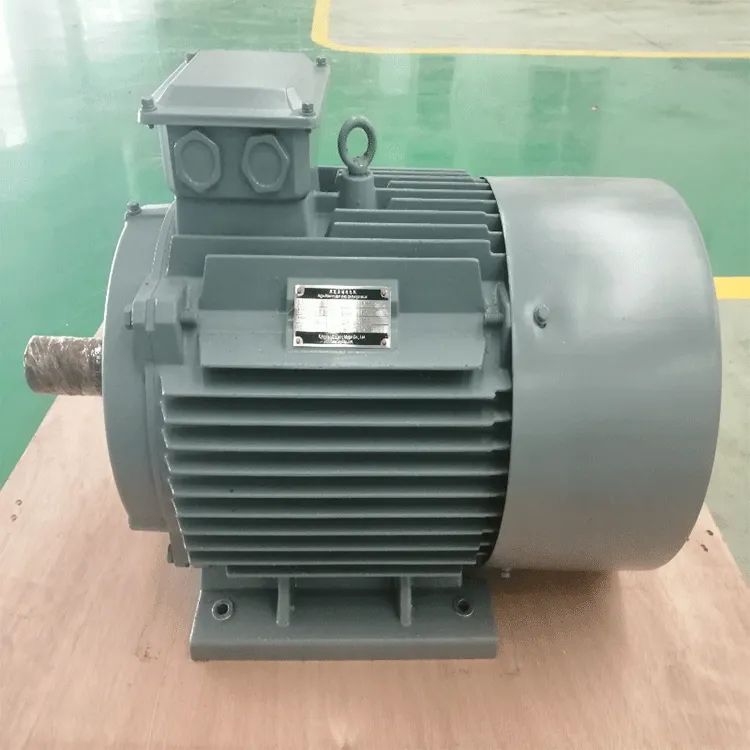
A 24-hour line is judged by hours lost, and a gearless motor removes the parts that used to fail on a clock, from the oil window to the tooth set. The only wearing part left is one bearing the plant can monitor online. That shift turns forced stops into chosen ones, so the belt keeps its tonnage through every watch instead of halting for a gearbox the line no longer has.
There is no oil to change and no mesh to inspect on a schedule, so the planned stops the old gearbox forced simply disappear. A gearless motor runs the full week on a steady thermal load, which moves maintenance from the calendar to the trend. The terminal gained 320 belt hours in a year just by deleting the clock-driven swaps the geared set once demanded.
The bearing is the only wearing part left, and a steady radial load is kinder to it than gear-mesh shock. A gearless motor lets the plant apply the L10 formula to one bearing instead of three, so the swap date is a calculation. With no mesh ripple to fatigue the race, the bearing on a gearless motor outlasts the geared set it replaced by a wide margin.
IEC 60034-30-1 sets the IE efficiency classes, and a gearless motor that drops the gear loss lands in IE4 or IE5 at the working points. The standard gives the plant a comparable number against the old geared drive, so the saving shows on the audit. Enneng Motor tests to the class and stamps the loss sheet at the low-speed duty the belt actually runs, which the inspector keeps on file.
The belt rarely halts, so the plant cannot open the drive for a look, and monitoring moves to sensors. A gearless motor ships with temperature and vibration taps that feed the control room, so a warm bearing shows on the desk before it shows on the floor. That online view is the new oil check, and it keeps the unit honest through the night without a planned shutdown to find a fault.
Both, but the difference matters more than the total. The oil changes and mesh checks go away, and the only wearing part left is the bearing, watched online rather than opened. A gearless motor trades a calendar of stops for a trend line, so the plant spends less time with the belt down and more time moving ore across the quay every shift.


 EN