
 EN

A Retrofit Induction to PMSM project is rarely a simple motor swap. In an old workshop, the motor, driven machine, starter circuit, cables, guards, process timing, and maintenance habits often evolved together. A Permanent Magnet Motor PMSM can be a strong fit where variable speed, part-load efficiency, and control are important, but the benefit depends on whether the surrounding system can accept the new motor-drive package.
The first practical distinction matters: replacing an induction motor with a factory-built PMSM and matched drive is different from trying to rebuild the old induction motor into a PMSM. The second route changes the electromagnetic design, rotor, winding, insulation system, balancing, and test responsibility. For most operating workshops, a validated replacement package is the more controllable path.
1. The load profile is often unknown
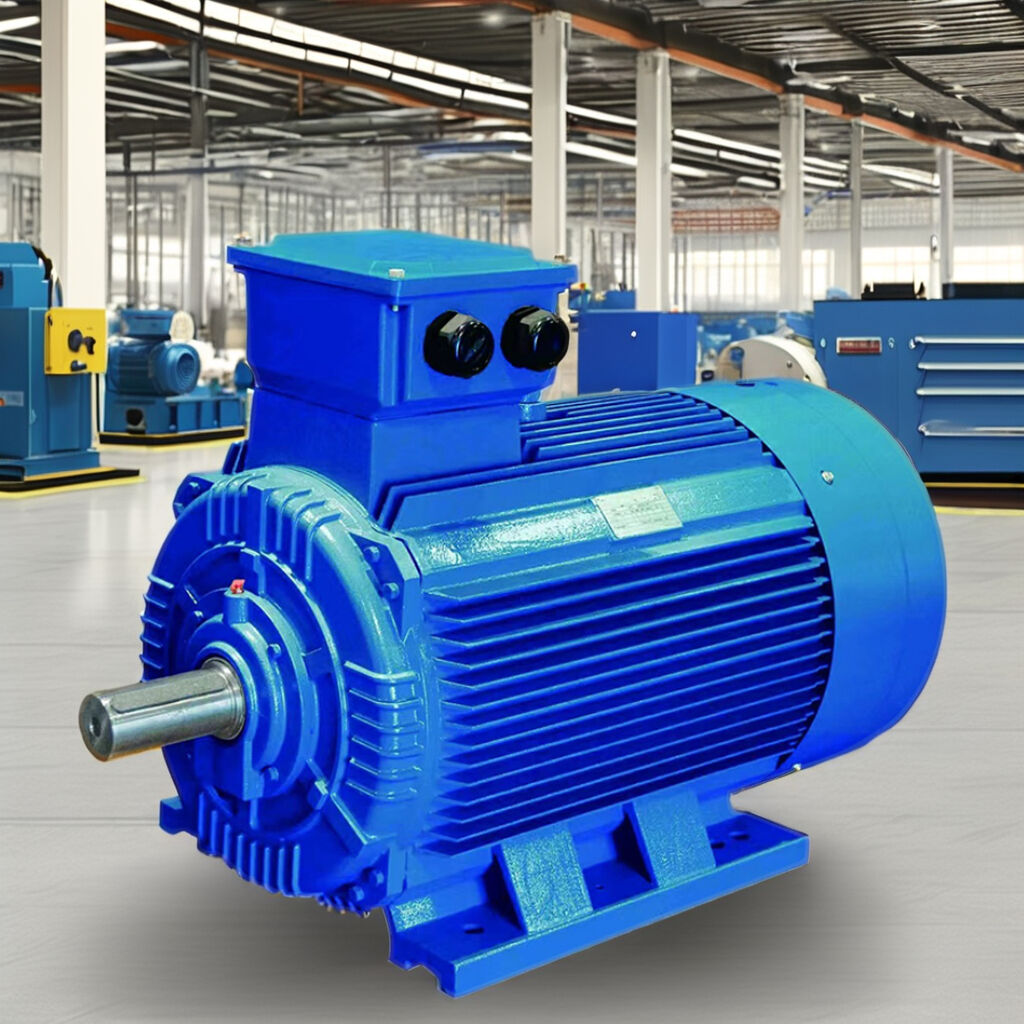
Old nameplates tell only part of the story. A 15 kW motor may have been selected years ago with a large service margin, or it may be overloaded during a short but critical production phase. Before a Retrofit Induction to PMSM decision, record current, voltage, speed, starts per hour, duty cycle, ambient temperature, and the torque pattern at the driven shaft. Pumps and fans behave differently from crushers, presses, conveyors, mixers, and machines with high breakaway torque.
A PMSM and its drive should be selected against the required torque-speed envelope, not just the old motor's kW label. Include acceleration time, reflected inertia, load shocks, reverse operation, braking demand, and the consequences of a trip. If the process needs constant torque at low speed, confirm the proposed motor's continuous thermal capability there. If it is a fan or pump, verify that the control strategy actually reduces system demand rather than merely slowing a motor.
2. Mechanical fit can stop a technically sound retrofit
Legacy workshops commonly discover the issue after delivery: shaft diameter and keyway differ, the frame mounting holes do not line up, the flange depth changes, or the new motor shifts the coupling position. A Retrofit Induction to PMSM survey should capture the shaft height, foot and flange dimensions, shaft extension, coupling type, guard clearance, baseplate stiffness, and available space for the drive and cable bends.
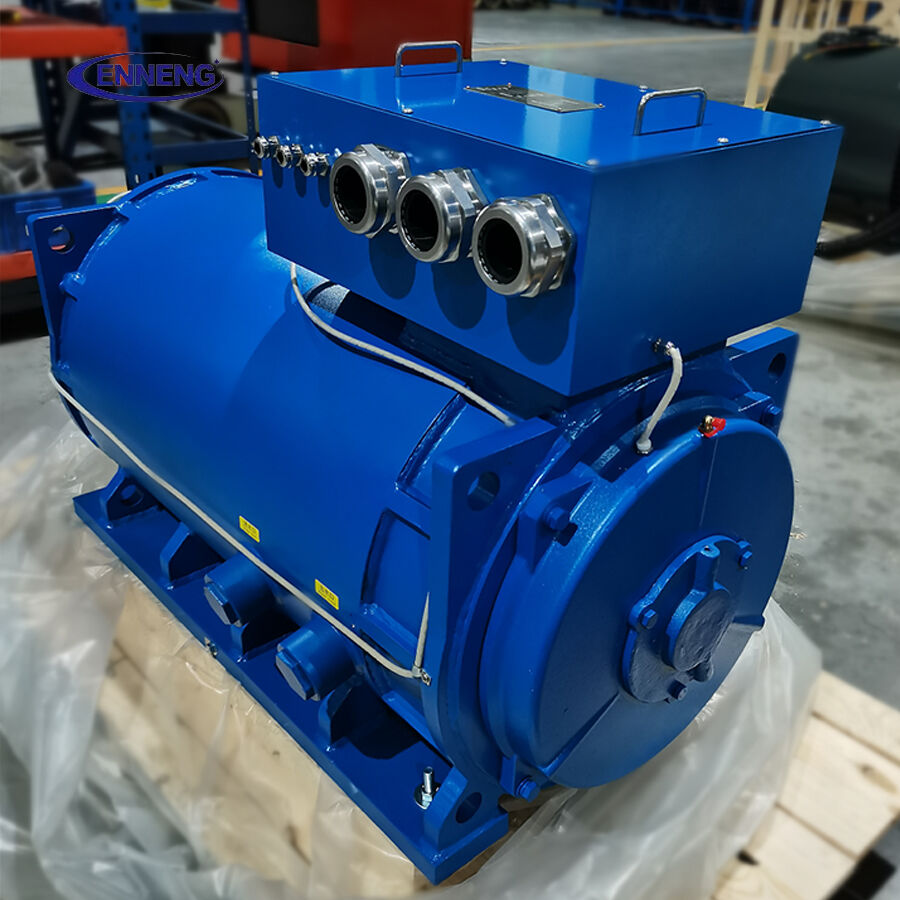
Alignment deserves special attention. A more compact replacement motor may seem easier to install, yet a rushed shim or coupling modification can introduce vibration and bearing loads. Check soft foot, coupling alignment, belt tension where applicable, and the condition of the driven machine before blaming any later problem on the new motor. Plan whether an adapter plate, new coupling hub, or base modification needs machining and who owns the dimensional approval.
3. The old starter is not the new control system
An induction motor may have run direct-on-line, star-delta, or through an older soft starter. A Permanent Magnet Motor PMSM normally needs a compatible variable-frequency drive with the correct motor data and control mode. That changes more than the starter panel: the workshop must review supply capacity, protective devices, contactor logic, emergency stops, local/remote commands, interlocks, and fault feedback to the machine or PLC.
Do not assume that an existing VFD will operate a PMSM satisfactorily. Confirm the drive supports the proposed motor type, voltage, current, encoder or sensorless control method, and overload duty. Where precise low-speed torque or positioning is needed, feedback-device placement, cable routing, and commissioning parameters become part of the scope. The question is not simply “can it spin?” but “can it start, stop, protect itself, and recover safely in the actual production sequence?”
4. Cables, grounding, and EMC are easy to underestimate
Adding a drive changes the electrical environment. Long motor leads, aging insulation, poor grounding, and control cables sharing a tray with motor output cables can create nuisance trips, bearing-current concerns, or interference with sensors and communications. IEC 61800-3 addresses EMC requirements for adjustable-speed power drive systems, which is a useful reminder that the drive, motor cable, grounding arrangement, and machine form one system.
During a Retrofit Induction to PMSM assessment, inspect cable condition and route, earth continuity, cabinet space, ventilation, shielding practice, and separation from low-level signal wiring. Ask whether line reactors, output filters, shielded cable, insulated bearings, or a revised grounding plan are warranted for the site and cable length. The final design and compliance decision belongs with qualified electrical engineers familiar with local rules and the equipment maker's instructions.
5. Nameplate comparisons can create false expectations
Efficiency labels are useful, but they are not a promise of identical savings in every workshop. IEC 60034-30-1 defines IE efficiency classes; IEC identifies IE3 as Premium Efficiency and IE4 as Super-Premium Efficiency. Compare like with like: rated power, pole count, frequency, load point, and motor-plus-drive losses all affect the business case.
Measure the current baseline where possible. A lightly loaded old induction motor may have a different opportunity than a continuously loaded machine with a throttled pump or a fixed-speed fan. Treat projected savings as an engineering calculation using real operating hours and measured demand, then include downtime, panel work, mechanical adaptation, commissioning, and spares in the decision.
6. Thermal limits and workshop conditions may be hidden constraints
Dust, washdown, heat, poor airflow, altitude, frequent cycling, and vibration all influence the replacement specification. A PMSM running slowly under high torque may need a cooling arrangement different from that of the old fan-cooled induction motor. Conversely, a drive installed in a hot, contaminated cabinet may derate before the motor does.
Document enclosure requirements, ambient range, cooling path, duty class, and cleaning methods. Verify the condition of the driven equipment's bearings, seals, and lubrication too. A retrofit exposes weak mechanical components because speed and acceleration may become adjustable for the first time.
7. Commissioning needs a controlled plan, not a production shortcut
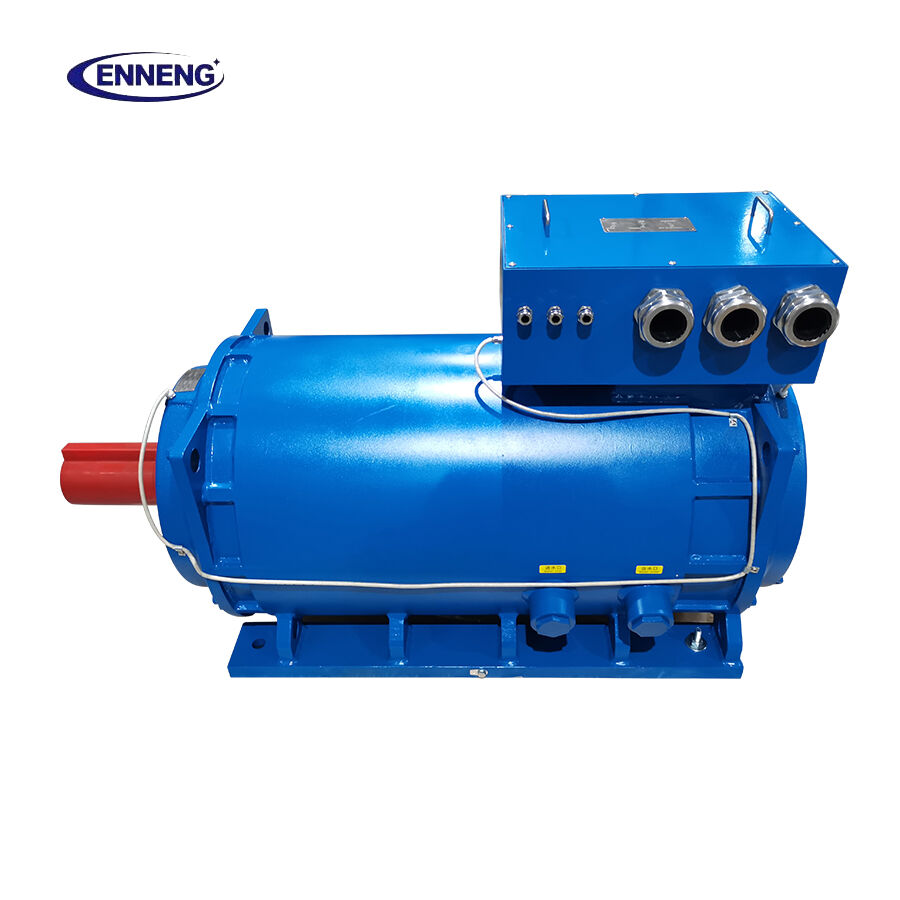
The most avoidable obstacle is commissioning during a busy shift with no baseline data and no rollback plan. Stage the work: isolate and inspect, verify dimensions and wiring, enter motor data, test rotation uncoupled where safe, prove interlocks, then introduce the real load at controlled speed. Capture current, vibration, temperature, speed stability, and fault history at each stage.
Keep the old motor and starter documentation until acceptance is complete. Train operators on new alarms, speed references, safe reset practice, and what changes are allowed. Maintenance staff should receive the final parameter backup, wiring drawings, spare-part list, and acceptance readings. These simple records make later troubleshooting far faster.
If you are evaluating commercial permanent magnet motors for sale and need an engineered drive solution that guarantees efficiency and longevity, ENNENG is your trusted partner.Contact ENNENG Today.Speak to our technical engineering team to receive a customised drive proposal.
- WhatsApp: +86 18562780228
- E-Mail: [email protected]
- Phone: +86 532 66000559

