
what-common-pitfalls-appear-during-retrofit-induction-to-pmsm-renovation-of-legacy-production-equipment, what-common-pitfalls-appear-during-retrofit-induction-to-pmsm-renovation-of-legacy-production-equipment, /blog
EN

2026/09/21
A beverage bottling line planned to replace twelve ageing induction conveyors with permanent-magnet drives during a single weekend shutdown. The team sized the new units from the old nameplates and skipped the inertia check, only to find the larger rotors could not stop within the guard's permitted coast-down time. The Retrofit Induction to PMSM had been scoped from paper, not from the floor, and the floor always wins. The Retrofit Induction to PMSM scope slipped by two weeks while ENNENG re-specified the braking and delivered a rotor set matched to the actual load, turning a near-miss into a clean commissioning.
The same Retrofit Induction to PMSM lesson shows up on conveyor, pump, and compressor lines alike, because every legacy machine carries a duty the nameplate forgot. Starting from the measurement rather than the plate is what separates a clean swap from a repeated failure.
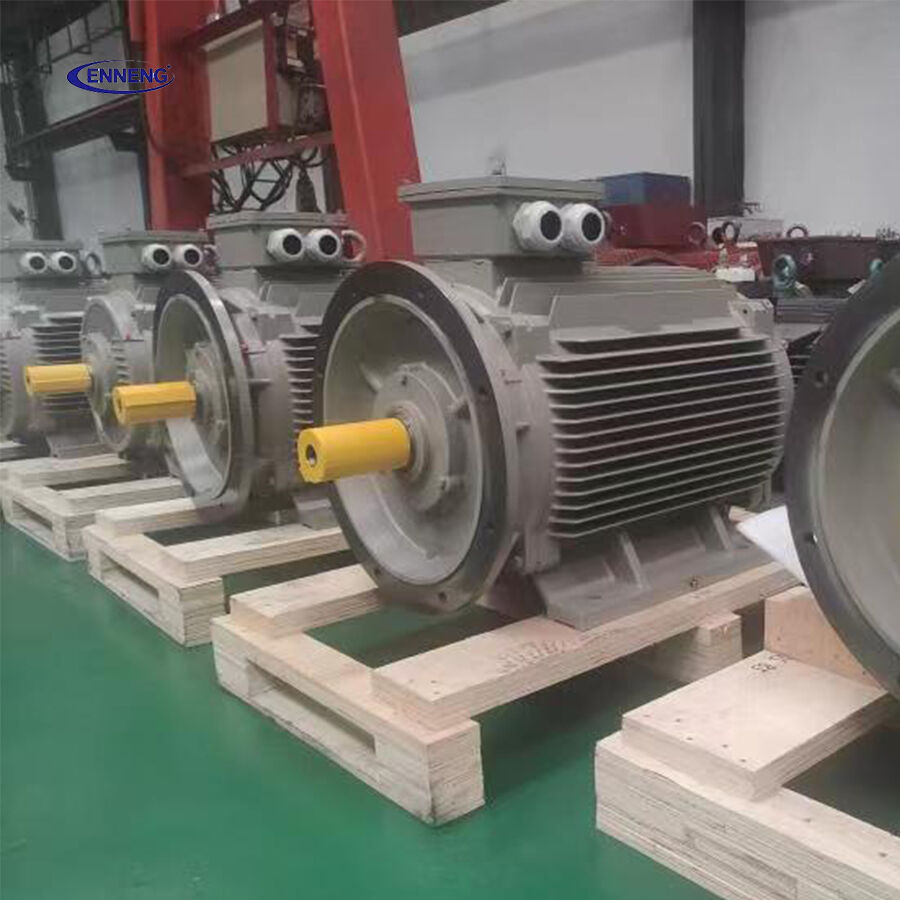
The hidden danger is that a retrofit inherits every quirk of the machine it replaces, and most failures come from ignoring those quirks. Oversized frames fought the available space, mismatched inertia broke the stopping rules, and a converter set to default parameters fought the new rotor instead of feeding it. A Retrofit Induction to PMSM that starts from the nameplate alone almost always discovers these gaps on the floor, where downtime is expensive.where downtime is expensive. A Retrofit Induction to PMSM that starts from the nameplate alone almost always discovers these gaps on the floor, which is the expensive place to find them. ENNENG avoids the pattern by logging the real duty first and treating the legacy machine as a measurement, not a specification, so the new drive fits the process rather than the drawing.
A Retrofit Induction to PMSM also fails when the cooling is assumed equal to the original, since the new rotor may sit in a hotter pit or cabinet and drift past its class. ENNENG models the thermal path against the worst local ambient before build, so the replacement stays inside its envelope where the legacy unit actually lived.
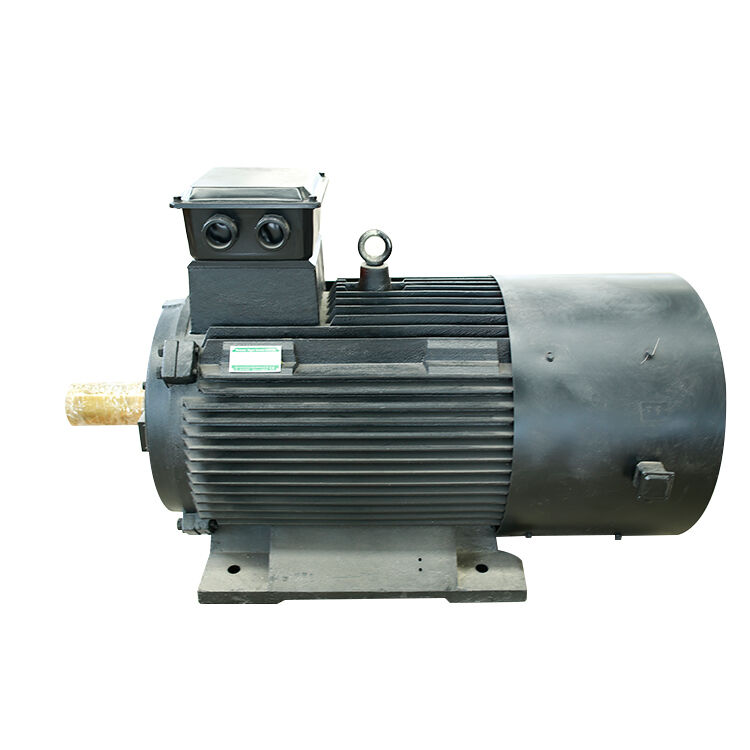
The ENNENG approach begins with a one-week power and speed log on each driven load, then models the replacement against that record instead of the catalogue. The table below lists the failure modes that sink a Retrofit Induction to PMSM and the countermeasure that keeps it on schedule.
|
Pitfall |
What goes wrong |
ENNENG countermeasure |
|
Inertia mismatch |
Coast-down breaks guards |
Rotor sized to load inertia |
|
Cooling assumed |
Overheats in enclosed pit |
Thermal model before build |
|
Converter default |
Drives fight the rotor |
Parameter set to PMSM |
|
Oversized frame |
Will not fit the footprint |
Frame kept within envelope |
A Retrofit Induction to PMSM also lives or dies on the converter. The permanent-magnet rotor needs the drive tuned to its saliency and back-EMF, not left at the induction default that most panels ship with. ENNENG sets the controller to the machine it ships, and it confirms the cooling path against the worst local ambient, because a retrofit often lands in a pit or cabinet hotter than the test cell. The result is a swap that reaches its IE5 band on day one instead of after a month of fault trips.
The Retrofit Induction to PMSM keeps paying after commissioning because the smoother rotor vibrates less into the base, which is the wear mode that normally shortens a retrofit. Logging the new baseline at one month catches the few settings that still need a tweak, and the saving then compounds across the year.
A Retrofit Induction to PMSM is judged against the same references that govern new builds, plus the retrofit-specific ones. IEC 60034-30-1 classifies the efficiency the new machine must hit, so the saving is measured on a common scale. IEC 61800 covers adjustable-speed drive systems and the converter settings that make or break the project. ISO 10816 sets vibration limits that confirm the coupling and base still suit the faster, smoother rotor, and ISO 12100 guides the machinery risk assessment that the stopping-time problem on the bottling line should have triggered. Citing these keeps the retrofit auditable rather than improvised.
Specifying a Retrofit Induction to PMSM against these references also protects the buyer, because the efficiency claim is measured the same way a competitor's would be, and the risk assessment shows the stopping-time problem was addressed rather than ignored.
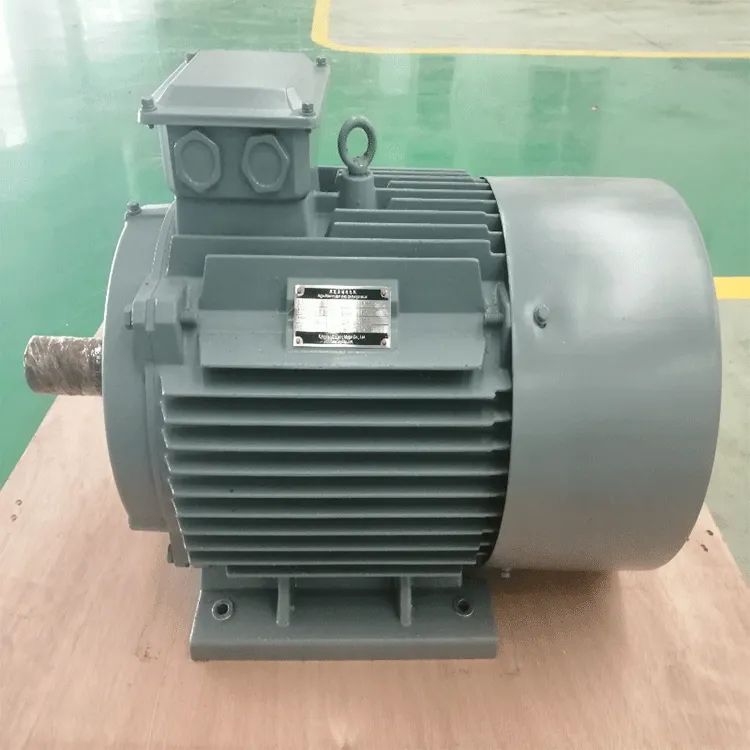
Start a Retrofit Induction to PMSM with a duty log and a dimension check of the existing footprint, because space and inertia decide more than the nameplate. Match the frame to the available envelope, set the converter to the permanent-magnet parameters, and model the thermal path against the real ambient before the build. After commissioning, record speed, temperature, and current at the actual operating point as the new baseline, and schedule the first inspection at one month rather than one year. The retrofit earns its keep when the legacy machine's bad habits are designed out, not carried across.
A Retrofit Induction to PMSM that follows this path avoids the second shutdown most sites suffer, when a hasty swap fails and the line stops again to fix what the first attempt skipped. The retrofit proves its worth at the one-month check, when the logged duty confirms the saving the business case promised.
ENNENG engineers field-simulate the replacement against the logged duty and build the permanent-magnet machine under ISO 9001 and CE for the target voltage inside the 110V to 690V range. Share the legacy nameplate, the real duty profile, and the available footprint to receive a Retrofit Induction to PMSM package that fits on the first attempt.
Speak with ENNENG via the following options:
A: The most common mistake is sizing from the old nameplate instead of the real duty. The legacy motor was often oversized, so copying it carries the waste forward, and the larger permanent-magnet rotor can then break stopping-time or space limits. Logging the actual load for a week exposes the true inertia and duty, which lets the Retrofit Induction to PMSM land on the correct frame and braking the first time.
A: Yes, the converter must be tuned to the permanent-magnet rotor, not left at the induction default most panels ship with. The drive needs the correct saliency and back-EMF parameters, or it will fault and fight the machine instead of feeding it. ENNENG sets and verifies those parameters before delivery, so the Retrofit Induction to PMSM reaches its efficiency band on commissioning day rather than after weeks of trial.
A: The saving is verified by comparing the logged pre-retrofit duty with the post-retrofit measurement against IEC 60034-30-1 efficiency classes. Record speed, current, and temperature at the real operating point as the new baseline, then trend them. A proper Retrofit Induction to PMSM shows the gain where the load spends its life, at part load, not only at the marketing-rated full speed.
A: Often yes, and keeping the existing mounting envelope is one of the fastest ways to cut retrofit risk. ENNENG designs the replacement to fit the legacy footprint and shaft height, which avoids civil work and re-piping. The key is confirming the frame truly fits the new rotor and cooling path, because forcing a larger machine into a tight pit is what turns a simple swap into a rebuild.


 EN