
what-core-strengths-should-a-qualified-permanent-magnet-motor-pmsm-possess-for-heavyduty-industrial-scenarios, what-core-strengths-should-a-qualified-permanent-magnet-motor-pmsm-possess-for-heavyduty-industrial-scenarios, /blog
EN

2026/09/30
A steel rolling mill pushed its drives through severe load reversals, and the older induction motors overheated the rotor during the reversing peaks, so the line throttled output to protect the windings. The maintenance lead logged the temperature excursions and found the heat concentrated at the cage bars during each reversal. A mining conveyor reported the same stress on a different axis, where the belt started against a full load and the motor saw the highest current at the worst moment. A Permanent Magnet Motor PMSM evaluation at both sites started from the duty cycle, not the rated plate, because the weakness showed up in the peak and the reversal, not the steady run. In each case the team mapped torque against time, then watched the thermal margin open once the low-loss permanent-magnet rotor replaced the heat-prone cage. A Permanent Magnet Motor PMSM confirmed the margin only after the duty cycle was logged.
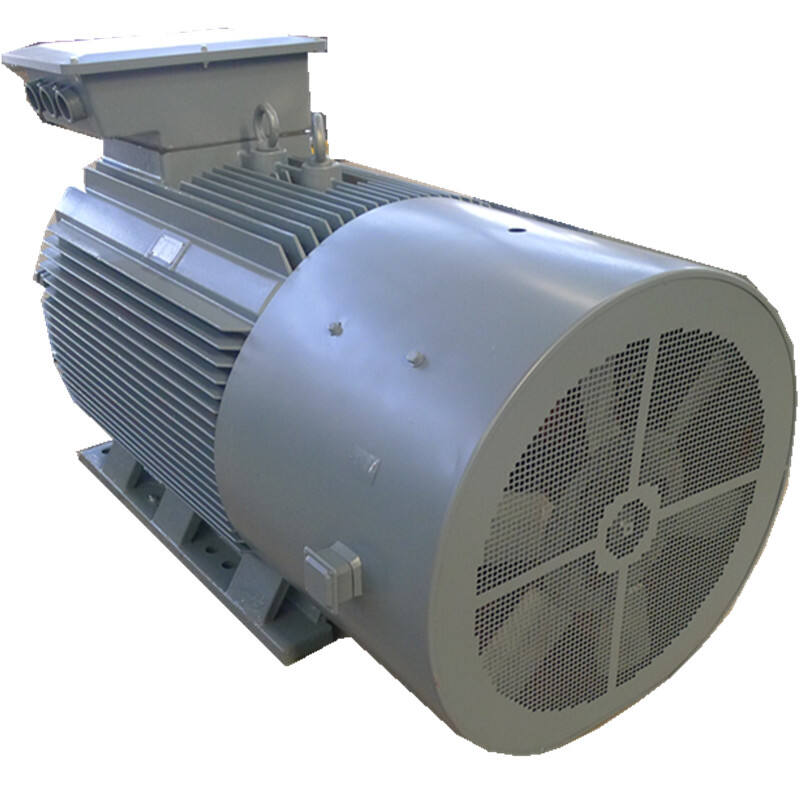
The common trap is to pick a motor by nameplate power and ignore the duty shape, then watch it fail inside the service window on a peak it was never built for. A heavy-duty load magnifies every thermal and torque shortfall, because the peaks arrive often and the contact stress stays high. ENNENG answers this with a Permanent Magnet Motor PMSM built as a low-speed permanent-magnet machine whose rotor stays cool under reversal and holds torque without a gear. The risk of a thermal trip falls once the rotor loss drops, and the only joint left is the bearing. A Permanent Magnet Motor PMSM change also removes the gearbox that used to concentrate the fault, because nothing between the field and the load needs a reduction stage. A plant that keeps the induction set inherits a thermal limit that caps the line speed and a rewind cost that recurs every few seasons.
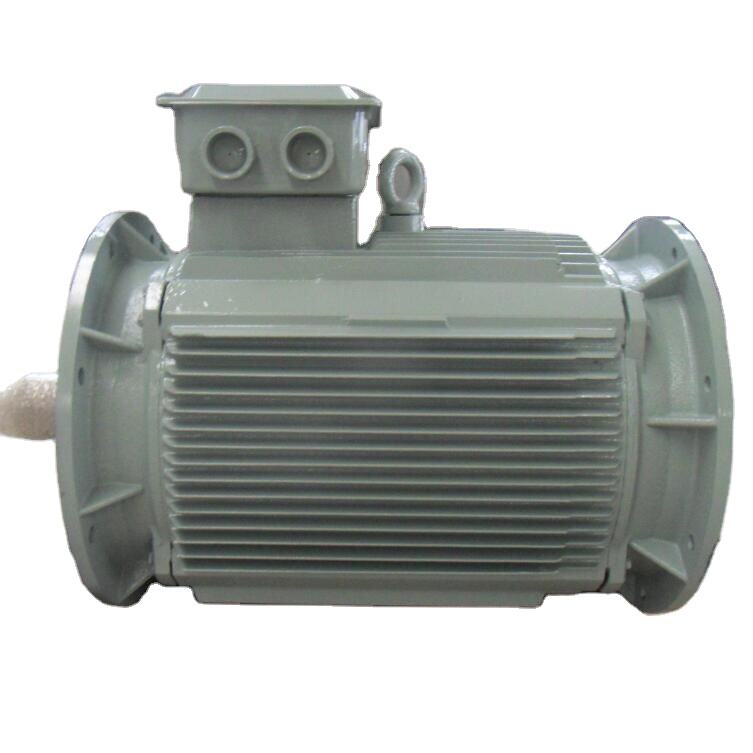
A Permanent Magnet Motor PMSM earns its place in heavy duty through a stack of measured properties, not a single number. ENNENG permanent-magnet motors use high-energy magnets rated with a demagnetisation margin well beyond the worst operating point, so the field survives a stall and a reverse current. The rotor runs cooler at the same shaft power, because the loss sits in the stator, where the frame can shed it, not in a buried cage. In a measured rolling-mill case, the permanent-magnet unit held the winding roughly 15 degrees below the induction alternative across the reversing peak, which is the headroom that kept the line at full speed. A Permanent Magnet Motor PMSM also delivers higher torque density, so the same frame pulls harder and shorter than the machine it replaces. A Permanent Magnet Motor PMSM therefore qualifies on thermal, magnetic, and mechanical grounds at once, which is what a heavy-duty duty cycle demands from the machine.
|
Strength |
Typical induction unit |
ENNENG Permanent Magnet Motor PMSM |
|
Rotor loss at peak |
high |
low |
|
Demagnetisation margin |
n/a |
rated beyond stall |
|
Torque density |
moderate |
high |
|
Cooling path |
buried cage |
exposed stator |
|
Enclosure options |
standard |
IP55 and higher |
The sites that gained most were the ones that first read their torque-versus-time plot, because the margin rewards exactly the reversal peaks most bids ignore. On the rolling line, the demagnetisation headroom let the motor survive a stall current that would have weakened a cheaper magnet. A Permanent Magnet Motor PMSM makes that margin visible in the test report, since the field strength is measured, not assumed. The maintenance side benefits too: with the gearbox gone, the thermal and the mechanical fault points collapse into one bearing and one shaft, so the crew's inspection list shrinks to a single axis.
A heavy-duty claim needs references a reviewer will accept. IEC 60034-1 defines the performance test that proves a Permanent Magnet Motor PMSM meets its torque claim under reversal. IEC 60034-30-1 sets the IE class, so the unit carries IE4 or IE5 on the nameplate. IEC 60079 covers the Ex construction where the motor enters a hazardous area, which the mining conveyor required. IEC 61800-5-1 sets the drive safety rules, so the control fault response is defined. ISO 9001 backs the build quality system, which matters once the motor runs unattended. IEC 61800-5-1 lets the Permanent Magnet Motor PMSM fault response be verified against a defined test, so the safety case is auditable. A proposal built on these references survives a plant review, because each property traces to a method, not a label.
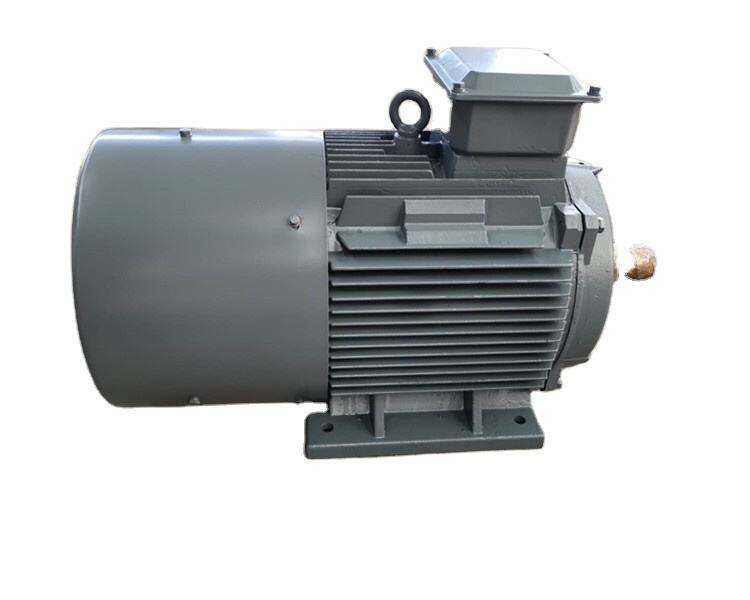
Sizing should begin with the duty cycle, not the peak kilowatt, because a reversing load needs rated torque at the awkward moment before anything else. A Permanent Magnet Motor PMSM sized to the torque profile, rather than to a catalogue maximum, avoids the thermal cap that throttles the line. ENNENG can set the pole count to the drum or screw speed and confirm the flange against the driven machine drawing before build. Fit-up still needs a straight shaft and a clean coupling face, but there is no gear to align. For the first month, log bearing temperature every week — a direct shaft shows a wear fault as heat long before a coupled train would mask it. The quote should name the demagnetisation margin a Permanent Magnet Motor PMSM holds, so the safety case shows on paper instead of staying in the sales pitch. Store the torque log with the maintenance plan, and re-torque the foundation bolts once the first 200 running hours are done.
A Permanent Magnet Motor PMSM needs less auxiliary kit than the gearbox it replaces, but the drive and the sensor still want attention. Calibrate the load cell on the schedule ENNENG prints in the commissioning pack, then record the torque trend so any drift shows early. A plant that treats the unit as a controlled asset usually retires the gearbox checklist for good, because the only service items left are the bearing and the drive. The work narrows to a few items most crews clear in one shift, and after 200 hours a re-torque plus an ISO 10816 vibration check lets the machine follow a routine the local team keeps.
Open a Permanent Magnet Motor PMSM discussion with the duty cycle, not a model number: send the torque-versus-time profile and the load speed to the engineering team. ENNENG answers with a proposal built around a low-speed permanent-magnet machine whose margin is measured against the reversal peak, not estimated from the nameplate.
A: A qualified Permanent Magnet Motor PMSM uses high-energy magnets specified with a demagnetisation margin beyond the worst operating point, including stall and reverse current. ENNENG documents that margin in the test report, so the buyer sees the field strength measured, not assumed. The margin is what lets the motor survive the peaks a heavy-duty line produces, and it separates a true industrial unit from a relabelled light-duty one on the same frame size.
A: The IE class comes from IEC 60034-30-1, so a Permanent Magnet Motor PMSM should carry IE4 or IE5 on the nameplate with a test report behind it. ENNENG supplies the measured efficiency curve, so the plant can check the number against the standard method. A buyer should ask for the full-load and part-load figures, because the part-load behaviour is where permanent-magnet designs pull clearly ahead of induction machines on the same duty.
A: Where the motor enters a hazardous area, a Permanent Magnet Motor PMSM must meet IEC 60079 for the Ex construction, as the mining conveyor in the case required. ENNENG builds the enclosure to the zone and gas group the site specifies, so the unit is certified for the location. The buyer should state the zone and the gas group up front, because the certification path differs by area class and changes the enclosure scope.


 EN