
what-cumulative-damage-will-frequent-startstop-cycles-bring-to-permanent-magnet-motor-pmsm-components, what-cumulative-damage-will-frequent-startstop-cycles-bring-to-permanent-magnet-motor-pmsm-components, /blog
EN

2026/09/15
Many plants run equipment that rarely sits at a steady speed. A PMSM on a compressor, pump, or hoist may start and stop hundreds of times a day, and each event dumps heat and mechanical shock into parts that a continuous-duty rating never stresses. The damage does not show on the first start; it accumulates until a component that looked healthy fails on a normal cycle. Planning for that reality beats reacting to an unexpected stoppage.
One compressed-air station used a Permanent Magnet Motor PMSM on a load-unload compressor that cycled more than 300 times per day to follow plant demand. The unit ran cool at steady load but took a thermal hit on every start, and the bearing saw a shock each time the rotor spun up. After eighteen months the drive tripped on an insulation fault that traced back to start-cycle heating. The failure surprised the team because the average load was light, but the PMSM had been collecting damage since the first week.
A start pulls high current and heats the winding before cooling airflow builds, then the rotor accelerates through a resonance band that shakes the assembly. A Permanent Magnet Motor PMSM repeats that stress on every cycle, and the magnet and bearing see the same pulse each time. Unlike steady running, cycling never lets the parts fully relax, so the damage adds instead of recovering. The Permanent Magnet Motor PMSM therefore ages by event count as much as by running hours, which a simple runtime meter hides.
Cumulative damage follows known patterns: thermal cycling cracks insulation, repeated shock loosens bearings, and magnet retention faces fatigue. A Permanent Magnet Motor PMSM survives cycling only when each of these paths is designed for the event count, not the average power.
Each start heats the winding and each coast lets it cool, and that thermal swing works the insulation like a slow bend. A PMSM with thin or poorly braced insulation develops tracking and turn-to-turn faults after enough cycles, even at modest average temperature. The fix is a thermal class and bracing rated for the cycling, plus starting current controlled by the drive. The Permanent Magnet Motor PMSM then endures the daily count because the winding was built for the swing, not just the steady heat.
Bearings take the spin-up shock and the resonance pass on every start, and the raceway fatigues from the repeated load reversal. A Permanent Magnet Motor PMSM with light bearing seats or poor lubrication walks into failure far sooner under cycling than under continuous duty. The magnet retention also faces the same acceleration pulse, so a secure rotor assembly matters. The Permanent Magnet Motor PMSM must hold its balance and its magnets through thousands of starts, which is a different test from a single rated run.
Life and duty rules turn event counting into engineering numbers. A Permanent Magnet Motor PMSM specified against them lasts because the rating matches the real profile, not a steady-state figure.
IEC 60034-1 defines duty types, including the short-time and intermittent cycles that describe start-stop service, and it sets how a motor is rated for those profiles. A Permanent Magnet Motor PMSM chosen against the correct duty type carries the right thermal and mechanical margin for the event count. Specifying to the standard prevents fitting a continuous-rated unit into a cycling job, which is the classic cause of early insulation and bearing failure on these drives.
ISO 10816 sets vibration limits and measurement for machines, giving a way to watch a Permanent Magnet Motor PMSM drift as cycling fatigue builds. A rising trend at a bearing or foot predicts trouble before a trip, and the standard makes that trend comparable across sites. Because cycling damage is gradual, the Permanent Magnet Motor PMSM benefits most from routine vibration logging, turning silent accumulation into an early, actionable warning signal.
Choosing and keeping the unit means designing for the event count. A Permanent Magnet Motor PMSM performs to its rating only when selection and care match the actual start-stop profile on the floor.
Count the starts per day, the load at start, and the coast time before requesting quotes. A Permanent Magnet Motor PMSM should arrive with a duty-type rating for the cycle, controlled starting current, and bearings and insulation chosen for the event count. Confirm magnet retention method and thermal class, and ask for the cycling test data. When the Permanent Magnet Motor PMSM is specified this way, the drive is built for the real job instead of a steady-speed assumption that the floor never honors.
Plan checks around the cycling stresses: insulation resistance trend, bearing temperature, and vibration at the foot and bearing. A Permanent Magnet Motor PMSM should get a log entry per maintenance round that captures these, because the damage is gradual. Watch for rising heat or vibration after a period of heavier cycling, and shorten the interval if the start count climbs. Keep starting current tuned, because the Permanent Magnet Motor PMSM depends on controlled spin-up to limit the daily damage it collects.
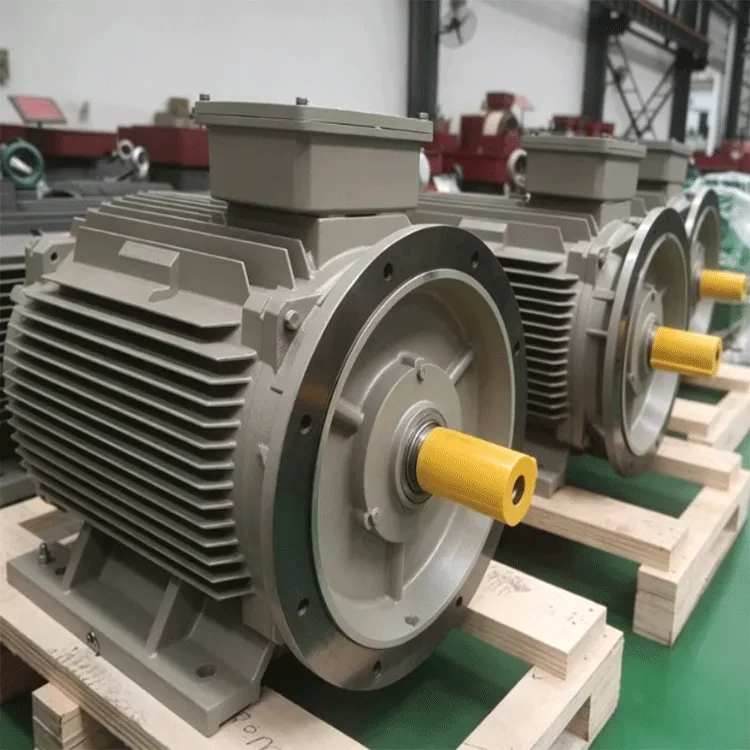
Each start pulls high current and heats the winding before cooling builds, then the rotor passes a resonance band that shakes the assembly. A Permanent Magnet Motor PMSM repeats that stress on every cycle, and the parts never fully relax between events. The damage accumulates by start count as much as by run hours, so a light average load still hides real wear that a simple runtime meter cannot show at all.
Insulation and bearings usually lead. A Permanent Magnet Motor PMSM heats its winding on every start and cools on every coast, and that swing fatigues the insulation toward tracking faults. Bearings take the spin-up shock and resonance pass each time, so the raceway ages fast. Magnet retention also faces the acceleration pulse, and the first failure tends to be whichever path the rating undercounted versus the real cycle.
IEC 60034-1 defines duty types including the intermittent and short-time cycles that describe start-stop service, and it sets how a motor is rated for them. A Permanent Magnet Motor PMSM chosen against the correct duty type carries the right margin for the event count. Specifying to the standard stops a continuous-rated unit being fitted into a cycling job, which causes early insulation and bearing failure.
Control the starting current with the drive, choose insulation and bearings rated for the event count, and keep the magnet retention secure. A Permanent Magnet Motor PMSM benefits from tuned spin-up that limits daily thermal and mechanical shock. Logging insulation, temperature, and vibration catches drift early, and shortening the service interval when start counts climb protects the Permanent Magnet Motor PMSM from silent accumulation turning into a sudden stop.
Not by design; the difference is in how each is rated and controlled. A Permanent Magnet Motor PMSM can cycle well when specified for the duty type and started with controlled current, because its magnets give efficient low-speed hold. The risk appears when a steady-rated unit is dropped into a cycling job. With the right duty rating and maintenance, the Permanent Magnet Motor PMSM matches or beats induction under start-stop service.
Inspect against the event count, not only the calendar. A Permanent Magnet Motor PMSM deserves a logged reading of insulation, bearing temperature, and vibration each round, with the interval shortened if daily starts climb. Watch for rising heat or vibration after heavier cycling periods. Because the damage builds gradually, routine logging turns silent accumulation into an early warning that prevents an unexpected trip on a normal cycle.


 EN