
 EN

Continuous chemical processing plants operating centrifugal circulating pumps 8,400 hours annually often discover that projected utility savings fail to materialize when post-commissioning tracking remains unmanaged. Operations directors modernizing facility drives must verify that theoretical efficiency gains translate directly into audited kilowatt-hour reductions on factory utility sub-meters. Establishing a structured data monitoring framework ensures that an energy saving motor solution delivers sustainable financial returns across continuous manufacturing operations.
Failing to verify post-installation performance leaves production facilities exposed to unmonitored load imbalances, harmonic distortion, and unrecognized operational drift. Inadequate thermal and electrical monitoring obscures developing mechanical problems, accelerating bearing degradation and risking catastrophic process shutdowns. ENNENG supplies advanced drive systems and engineering consultation to eliminate performance uncertainties, ensuring that every energy saving motor solution maintains audited efficiency over decades of severe service.
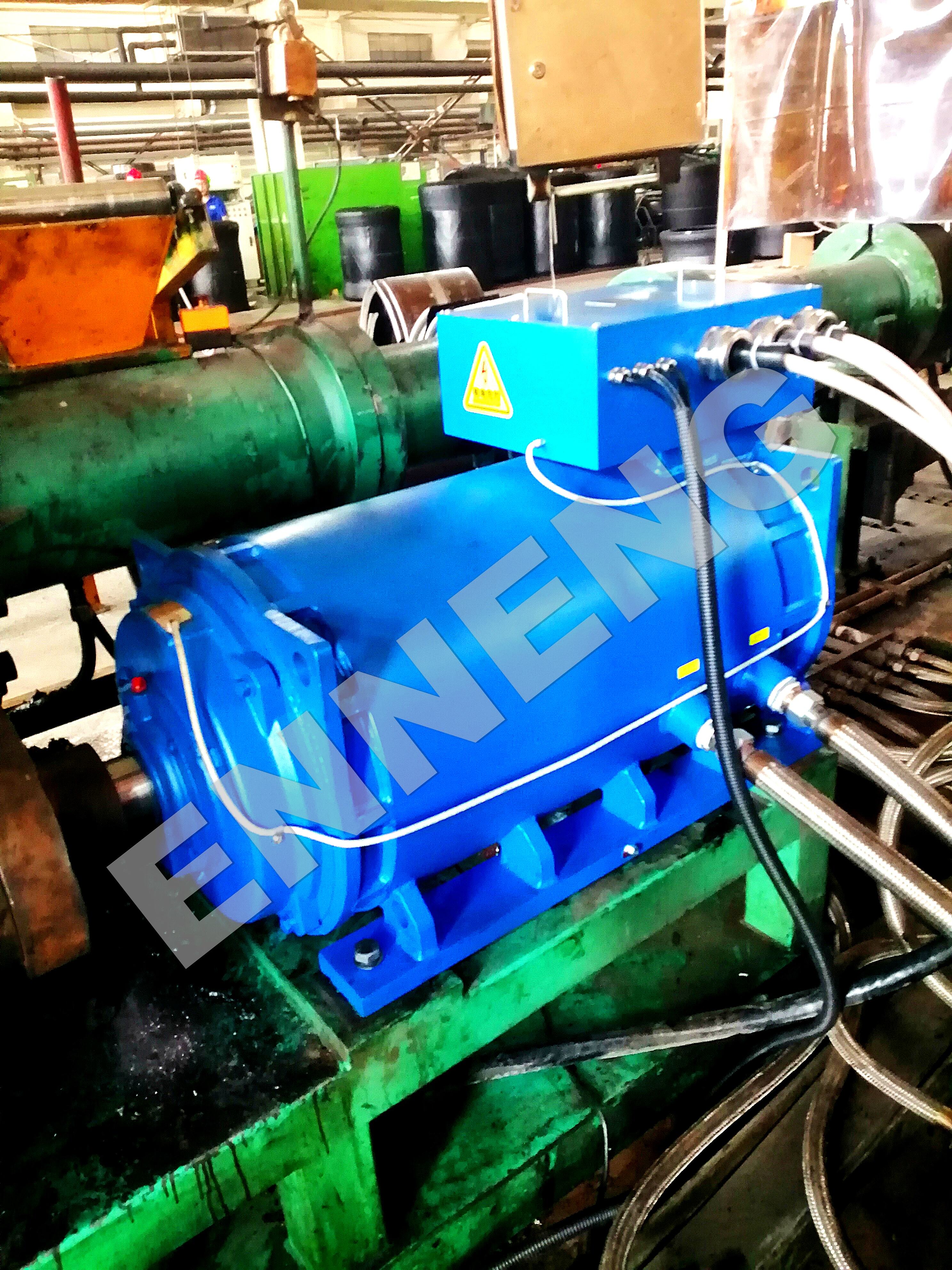
Operational Energy Tracking and Baseline Verification
Evaluating the operational success of an energy saving motor solution requires isolating motor electrical consumption from broader facility production variables. Simply reviewing monthly utility bills introduces significant errors because aggregate utility charges fluctuate with seasonal tariffs, ambient weather loads, and fluctuating factory output volumes. A comprehensive energy saving motor solution relies on normalized engineering metrics that benchmark electrical input against verified mechanical work.
Production Unit Energy Intensity and Specific Consumption
The core metric for validating an energy saving motor solution is specific energy consumption, expressed as kilowatt-hours consumed per production unit. Whether measuring kilowatt-hours per ton of crushed aggregate, cubic meter of pumped wastewater, or thousand yards of processed textile, this ratio isolates machine efficiency from production swings. Prior to commissioning an energy saving motor solution, facility engineers must log baseline energy intensity over identical seasonal manufacturing runs to establish an unassailable performance benchmark.
Following the commissioning of an energy saving motor solution, plant energy management dashboards should track specific consumption continuously. Deploying an IE4/IE5 efficiency motor typically yields a 15% to 25% drop in specific energy consumption across variable-torque pumping and ventilation networks. When an energy saving motor solution fails to hit projected specific energy reductions, engineers can immediately investigate secondary mechanical throttles, restricted intake ducts, or altered process viscosities before financial returns suffer.
Operating Load Efficiency Versus Nameplate Ratings
Relying exclusively on nameplate efficiency ratings produces misleading operational projections because catalog data reflects performance at 100% rated capacity. In industrial settings, driven machinery frequently operates between 50% and 80% of nameplate rating during continuous shifts. Standard induction machines experience a steep drop in efficiency when running under partial load, compromising anticipated savings. Tracking real-time operating efficiency confirms whether an energy saving motor solution sustains high efficiency across actual load bands.
Industrial facilities deploying a permanent magnet motor PMSM benefit from exceptionally flat partial-load efficiency curves. A synchronous energy saving motor solution retains peak efficiency across broad operational windows, maintaining over 95% efficiency from 25% to 120% load. Modern variable frequency drive controllers calculate instantaneous shaft torque and electrical input power, enabling plants to log running efficiency without requiring costly shaft torque telemetry.
|
Operational Tracking Index |
Measurement Method |
Benchmark Target for Energy Saving Motor Solution |
|
Specific Energy Intensity |
Metered kWh divided by manufactured units |
15% to 25% reduction against pre-retrofit baseline |
|
Partial-Load Efficiency |
Input power vs calculated shaft torque |
>95% efficiency sustained across 40% to 100% load |
|
Operating Power Factor |
Inverter and motor terminal power analyzers |
>0.96 continuous displacement power factor |
|
Stator Winding Temperature |
Embedded PT100 resistance temperature detectors |
Class B rise (<80K) inside Class H insulation limits |
|
Unified Operating Voltage Scope |
Power quality analyzer verification |
Unified 110V to 690V industrial range |
|
Unified Drive Output Scope |
Calibrated dynamometer and drive telemetry |
Unified 5kW to 5MW industrial capacity |
|
Mechanical Vibration Severity |
Triaxial accelerometer spectral analysis |
ISO 10816-3 Grade A/B (<1.8 mm/s RMS) |
Electrical Grid Quality and Thermal Asset Monitoring
An advanced energy saving motor solution delivers substantial secondary benefits across plant electrical infrastructure by optimizing power quality and reducing thermal stress. Tracking electrical characteristics at distribution switchboards verifies that modern drive technology actively alleviates plant power constraints.
Power Factor Correction and Reactive Penalty Tracking
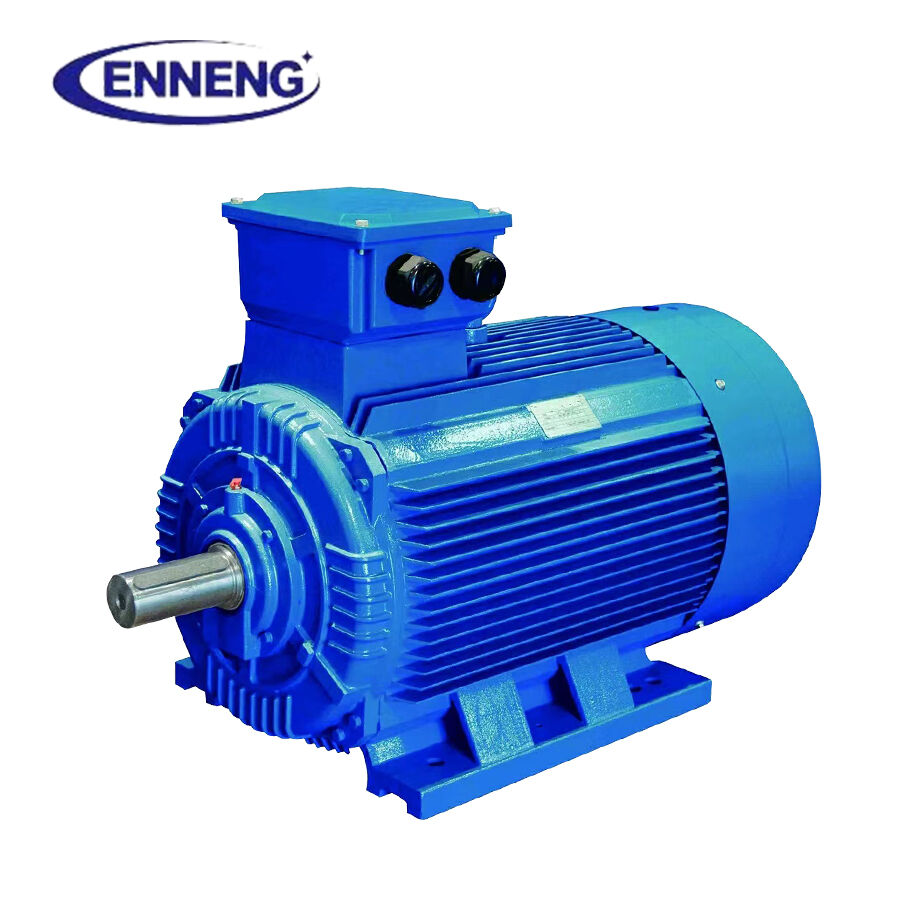
Older asynchronous machinery draws heavy inductive magnetizing current from plant distribution buses, causing operating power factors to plummet to 0.60 or 0.70 during partial-load cycles. Electric utilities enforce severe reactive power penalties when industrial facilities operate below mandated thresholds. Incorporating a permanent magnet motor PMSM as the core of an energy saving motor solution resolves this power quality penalty because rotor magnets establish excitation without drawing reactive line current.
Plant monitoring systems should track displacement power factor at individual motor control center branches. An inverter-fed energy saving motor solution maintains a power factor between 0.96 and 0.99 across broad speed ranges, eliminating utility surcharges and freeing up apparent kVA capacity in substation transformers. Lower line currents also decrease I²R resistive heating in distribution cabling, enhancing energy conservation across the entire plant.
Thermal Profiling and Winding Insulation Life
Operating temperature serves as a primary indicator of motor mechanical health and electrical stability. Internal electrical losses convert directly into thermal energy, meaning that a highly efficient machine naturally operates cooler. Monitoring stator winding temperatures via embedded RTD sensors verifies the sustained efficiency of an energy saving motor solution.
Advanced industrial machinery manufactured at ENNENG motor products covers unified voltage ratings from 110V to 690V and power capacities from 5kW to 5MW. For decentralized plant monitoring stations and off-grid remote telemetry, ENNENG also supplies vertical axis wind turbine systems rated from 1kW to 10kW, emphasizing 3kW, 5kW, and 10kW platforms to ensure reliable utility generation.
Long-Term Financial ROI and Reliability Metrics
Quantifying the return on investment for an energy saving motor solution extends beyond electrical meter readings. Total cost of ownership assessments require tracking mechanical maintenance frequencies, equipment availability, and cumulative lifecycle savings.
Maintenance Interval Extension and Asset Availability
Upgrading to a synchronous energy saving motor solution significantly lowers mechanical maintenance demands. Permanent magnet synchronous machinery features lower vibration profiles, cooler operating bearings, and no slip rings or brushes. Facilities implementing a retrofit induction to PMSM project should log mean time between maintenance interventions, lubrication consumption, and unexpected downtime hours.
Tracking equipment availability provides quantifiable data proving that an energy saving motor solution safeguards production schedules. Extended bearing life and stable thermal margins reduce plant maintenance labor, providing measurable operational savings that accelerate capital recovery across continuous manufacturing lines.
Lifecycle Cost Verification and Continuous Audit Protocols
A disciplined post-implementation protocol requires recalculating project payback every six months by aggregating kilowatt-hour savings, avoided reactive demand charges, and reduced maintenance costs. Verifying an energy saving motor solution against international standards ensures organizational compliance with ISO 50001 energy management frameworks and IEEE 1459 power measurement standards.
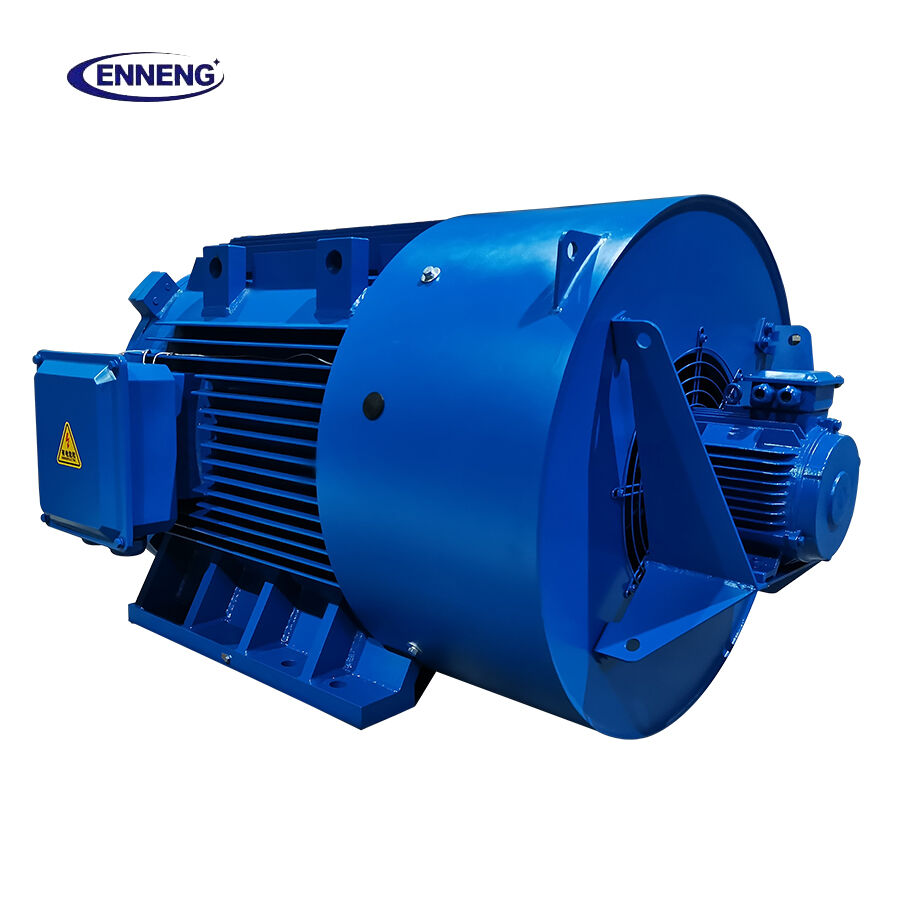
Furthermore, industrial electrical installations must comply with NFPA 70 National Electrical Code mandates for disconnect accessibility and branch circuit protection, while operational servicing must align strictly with OSHA 1910 Subpart S industrial electrical safety regulations. Regular vibration evaluations adhering to ISO 10816 standards ensure mechanical stability. A dedicated high efficiency motor supplier assists engineering teams in establishing continuous data verification protocols that maintain peak efficiency over decades of plant operation.
Engineering Consultation and Drive Integration Inquiries
Verifying performance parameters across an energy saving motor solution ensures that production assets deliver maximum power reduction, extended asset life, and verified financial payback. Partnering with a dedicated high efficiency motor supplier provides complete application engineering, vibration evaluations, and post-installation monitoring support. Technical specialists provide customized telemetry packages and lifecycle cost modeling to validate drive efficiency. Inquire today to evaluate plant drive data and optimize equipment performance.
- WhatsApp: +86 18562780228
- E-Mail: [email protected]
- Phone: +86 532 66000559
FAQ
Q: Why is tracking energy intensity more accurate than total power expenditure?
A: Total facility power expenditure is influenced by fluctuating utility rates, seasonal weather loads, and overall production volumes, obscuring actual equipment performance. Tracking energy intensity—measured as kilowatt-hours per manufactured production unit—isolates drive efficiency from external operational variables. This specific metric accurately verifies whether an energy saving motor solution achieves targeted efficiency gains under genuine manufacturing conditions.
Q: How does power factor improvement impact overall project ROI?
A: Operating an energy saving motor solution with an integrated permanent magnet motor maintains a power factor between 0.96 and 0.99, eliminating utility reactive power penalty charges. Higher power factor reduces apparent line currents, lowering conductor resistive losses and freeing up electrical transformer capacity. These combined power quality improvements deliver direct operational savings, shortening the overall capital payback timeframe.
Q: What role does winding temperature tracking play in motor health?
A: Stator winding temperature directly indicates internal operating efficiency and mechanical health. Because lower electrical losses produce less internal heat, an efficient motor runs significantly cooler under load. Continuous temperature logging detects early warning signs such as ventilation channel clogging, bearing lubricant degradation, or voltage harmonic stress, preventing catastrophic winding insulation breakdown.

