
what-debugging-items-shall-be-finished-after-textile-machinery-pm-motor-completes-onsite-installation-work, what-debugging-items-shall-be-finished-after-textile-machinery-pm-motor-completes-onsite-installation-work, /blog
EN

2026/09/30
An air-jet weaving mill in Turkey replaced the clutched motors on its loom sectionals with low-speed permanent-magnet units, and the first loom tripped on start-up because the encoder zero had not been set to the master shaft. The commissioning lead spent a night resetting the phase before the morning shift. A circular-knitting plant reported the same kind of miss on its cylinder drive, where a Textile Machinery PM Motor install left the bearing isolator facing the lint exhaust and pulled fibers into the grease within a week. A Textile Machinery PM Motor study at both sites started from the startup log, not the nameplate, because the on-site work, not the catalogue, decided whether the machine survived the first 24 hours. In each case a short pre-run checklist closed the gap before production, and the early stops that had cost both plants a shift disappeared.
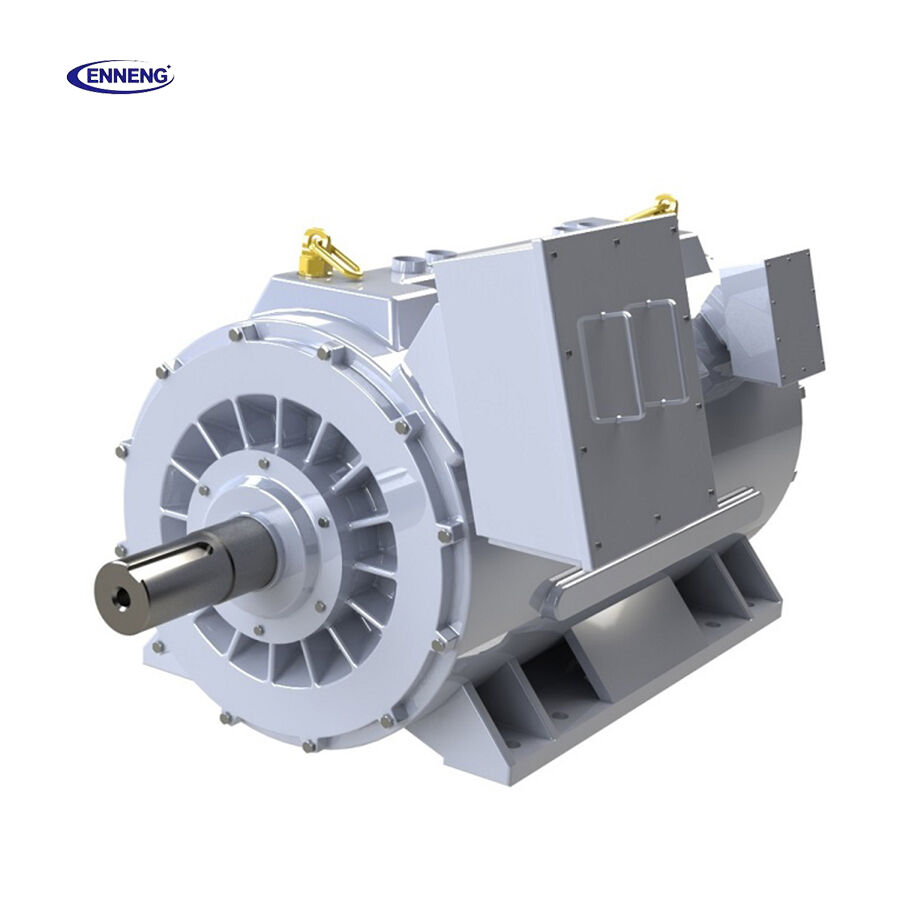
The common failure is to bolt the motor, jog it once, and walk away, then discover the fault during a paid run where one stopped loom stalls the whole section. A weaving hall runs dozens of synchronized axes, and a Textile Machinery PM Motor that starts a half-degree off the master throws the cloth registration. ENNENG answers this with a commissioning card shipped inside the terminal box, so the site finishes every check before load. The risk of a fiber-clogged bearing disappears once the isolator direction is confirmed at fit-up. A Textile Machinery PM Motor that skips the insulation-resistance test also hides a damp winding that trips the drive a week later. The plant that follows the card avoids the most expensive stop of all: a sectional shutdown that idles twenty machines behind the one that failed.
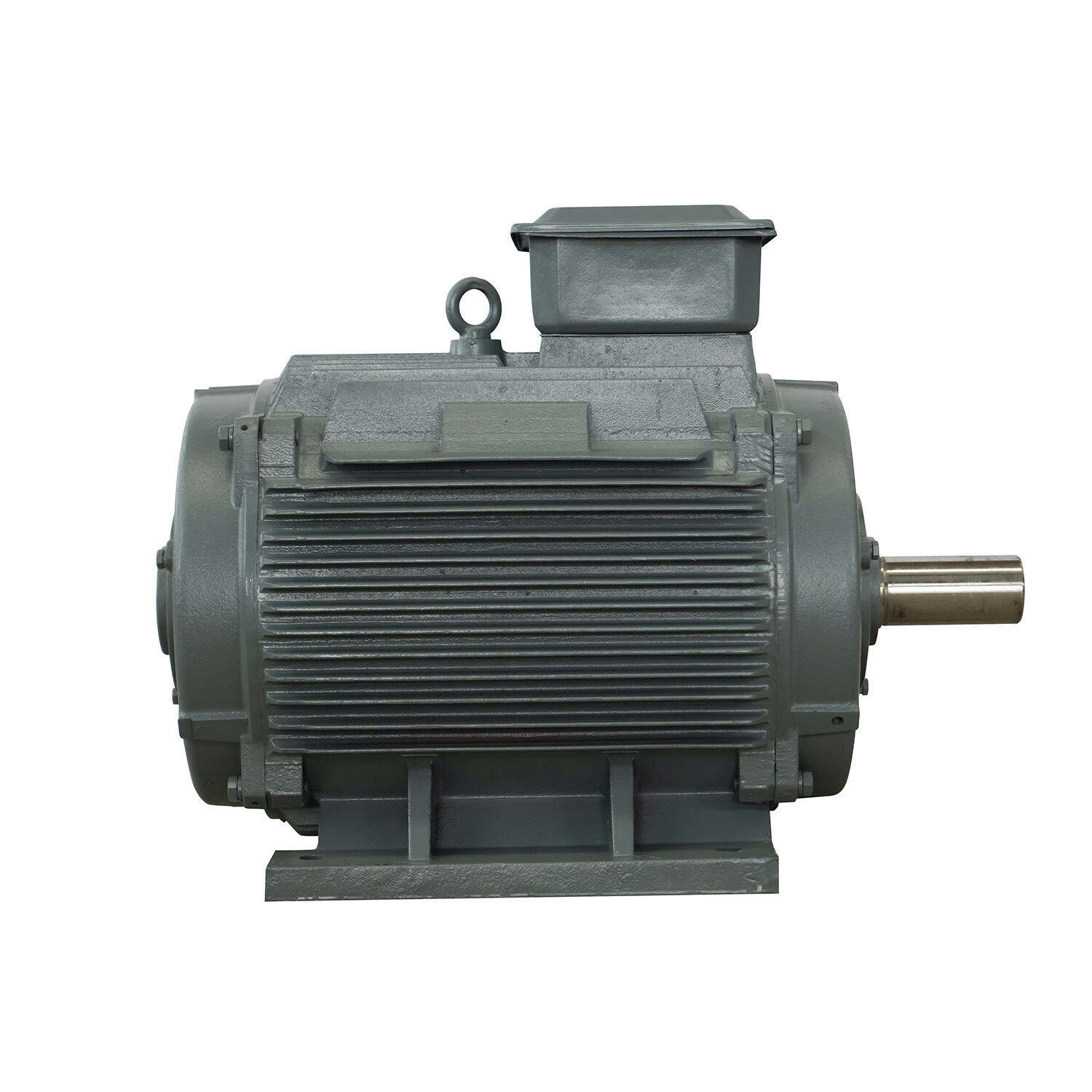
A Textile Machinery PM Motor needs a different checkout than the belt drive it replaces, because the rotor position, not the belt tension, now sets the speed. ENNENG low-speed direct-drive permanent-magnet units carry an encoder that must be zeroed to the master before the first rev. In a measured weaving case, the permanent-magnet unit held registration within one pick after the encoder was set, while the old clutched drive drifted a full pattern as the belt warmed. A Textile Machinery PM Motor checkout also reads insulation resistance and bearing isolation, because a humid sizing room attacks both. The Textile Machinery PM Motor result is a machine that holds the cloth straight from reel one, because the startup work proved the alignment before the shift started.
|
Checkpoint |
Belted textile drive |
ENNENG Textile Machinery PM Motor |
|
Encoder zero to master |
not applicable |
required |
|
Registration drift |
with belt heat |
within one pick |
|
Insulation resistance |
rarely logged |
at install |
|
Bearing isolation |
open |
confirmed |
|
Lint exposure |
high |
sealed path |
The startup card protects the first shift. ENNENG prints the items on a laminated sheet: encoder zero, insulation resistance above the threshold, bearing isolator facing away from exhaust, cooling path clear, and vibration against ISO 10816 at hour one. A plant that ticks each box before load avoids the half-degree error that stalled the loom and the fiber clog that seized the knitter. The card also records the drive setting and the daily template in the handover pack, so the next machine repeats the checkout in a morning. A Textile Machinery PM Motor that clears the card runs the section without a specialist hovering over the panel.
Standards frame the startup work. IEC 60034-1 defines the test that proves a Textile Machinery PM Motor meets its torque claim at low speed. IEC 60034-5 covers the enclosure, which decides how the lint-rated seal performs in a sizing room. IEC 61800-5-1 sets the drive safety rules the commissioning card follows. EN 60204 governs the machine wiring the motor connects to, so the isolation and the emergency stop match the loom. A Textile Machinery PM Motor report built on these references survives a plant safety review, because the encoder zero and the insulation figure sit on the same page as the standard. A report that cites the enclosure class also protects the buyer when humidity questions arise later.
Debug a Textile Machinery PM Motor from the startup log, not the nameplate, because the on-site checks decide the result. Set the encoder zero to the master shaft, confirm the bearing isolator faces away from the lint exhaust, and log insulation resistance before the first load. Ask ENNENG for the commissioning card, so the site closes every item before production. A Textile Machinery PM Motor checklist should name the cooling inlet, because a weaving hall draws air for the old clutched machine, not the sealed unit. Keep the debug log with the maintenance plan, and re-check the foundation bolts after the first 200 hours. A Textile Machinery PM Motor that passes the card runs the section without a specialist on the floor. A third plant adopted the same card on a warping creel and the startup lead reported zero half-degree errors across twelve machines, which let the afternoon shift start on time for the first quarter.
A pre-load verification step closes the last gap. ENNENG lists the fields on the card: encoder phase, insulation figure, isolator direction, cooling path, and bearing temperature at the first hour. A buyer that fills each box gives the Textile Machinery PM Motor a runnable install instead of a guess. The verification also records the drive setting and the daily template in the handover pack, so the next loom repeats the debug in a morning. A Textile Machinery PM Motor that receives a complete card starts the section clean, holds registration from reel one, and keeps the cloth straight without a rewind.
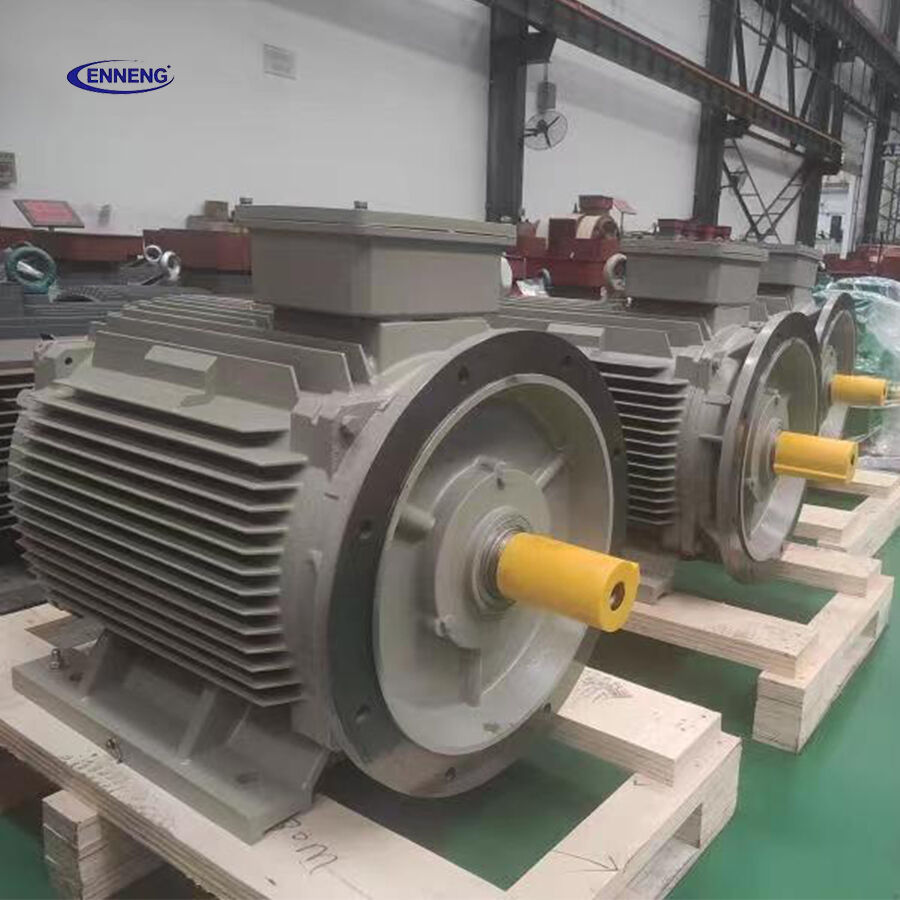
A Textile Machinery PM Motor install succeeds on the startup card, so send the machine drawing and the hall layout to the engineering team. ENNENG returns a commissioning card that closes every item before the loom starts.
A: The encoder must be zeroed because a weaving section runs synchronized axes, and a Textile Machinery PM Motor that starts a half-degree off the master throws the cloth registration. ENNENG ships the zero procedure on the commissioning card, so the site sets the phase to the master shaft before the first rev. The check takes minutes and prevents the sectional stop that idles twenty machines behind the one that failed. A plant that zeros at install holds registration.
A: Lint reaches the bearing when the isolator faces the exhaust instead of away from it, because a sizing room pumps fibers at the motor. ENNENG marks the correct isolator direction on the commissioning card, so the site confirms it at fit-up before the guard closes. The sealed path sheds lint instead of ingesting it. A Textile Machinery PM Motor with the isolator set wrong pulls fibers into the grease within a week and seizes.
A: The site should log insulation resistance at install, because a humid sizing room attacks the winding and a damp motor trips later. ENNENG prints the threshold on the commissioning card, so the reading is filed before load, not guessed after a failure. The figure also supports the humidity claim if questions arise later. A Textile Machinery PM Motor that passes the check at install runs the section without the mystery trip that stopped the early adopters.


 EN