A Renovated Water Utility Shows What Real Savings Look Like
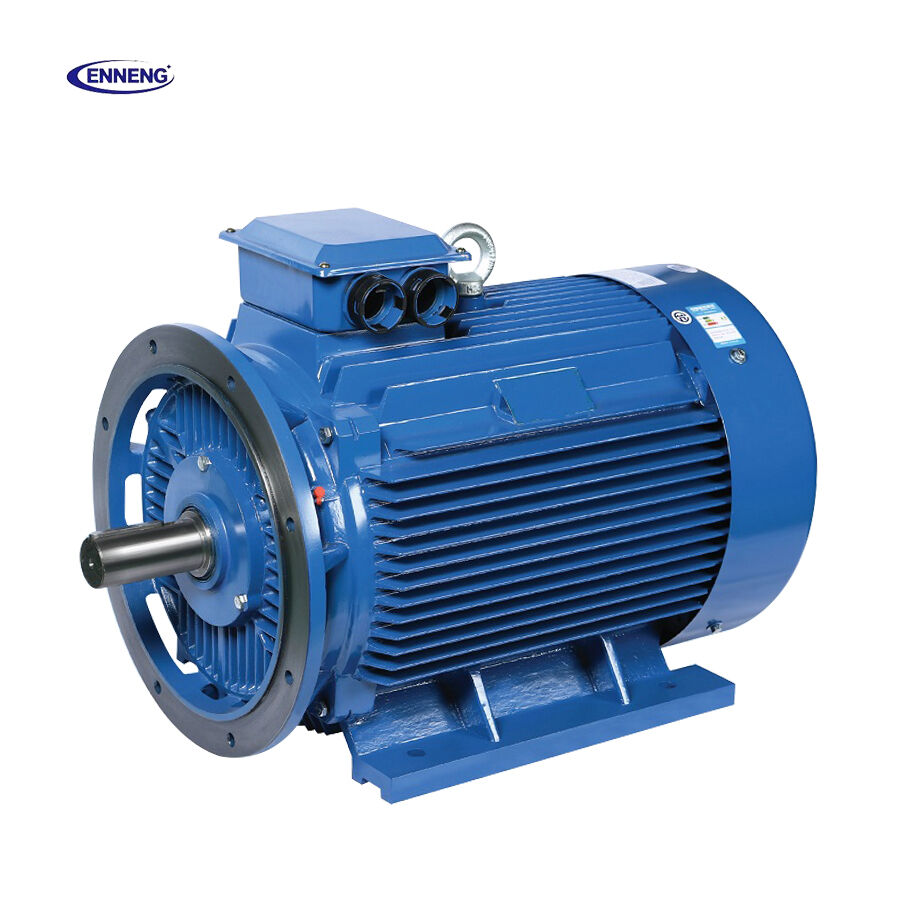
A regional water utility replaced a bank of constant-speed pumps with permanent-magnet drives and logged the incoming meter across four full seasons. The Energy Saving Motor Solution delivered 15% to 30% lower comprehensive energy use across the treatment train, with the largest drop appearing during low-demand night hours when older units would have kept running at a fixed, wasteful operating point. That duty profile told the plant manager more than any catalogue curve ever could, because the Energy Saving Motor Solution was judged on actual run hours rather than a nameplate promise. A second site, a mixed light-industrial park, reached the same conclusion after a one-week power study flagged three fans that ran oversized for most of the day. The pattern repeats across industries: the Energy Saving Motor Solution earns trust only after the meter confirms it, never before.
Why Unmeasured Upgrades Quietly Drain the Budget
Most plants still swap motors on nameplate ratings alone and never set a baseline. The hidden danger is simple: an oversized or mismatched unit hides its waste inside a building's total electricity bill, and the expected saving stays theoretical until someone proves otherwise. An Energy Saving Motor Solution only earns its place when measured before and after, yet many procurement teams skip that step to save a few days of commissioning time. The same blind spot appears in reactive-power penalties. An induction fleet draws VAR from the grid and can push a site past its utility threshold, yet the Energy Saving Motor Solution reduces that draw by running near unity, so the benefit shows on two lines of the bill rather than one. Skipping the measurement step also wastes the reliability argument, because an unverified swap cannot prove the uptime gain that justified the capital in the first place. ENNENG closes this gap by pairing every Energy Saving Motor Solution with on-site duty logging and a field-proven part-load curve, turning a projected number into a measured result that finance and operations can both defend during the next budget review.
How an Energy Saving Motor Solution Performs on Real Duty
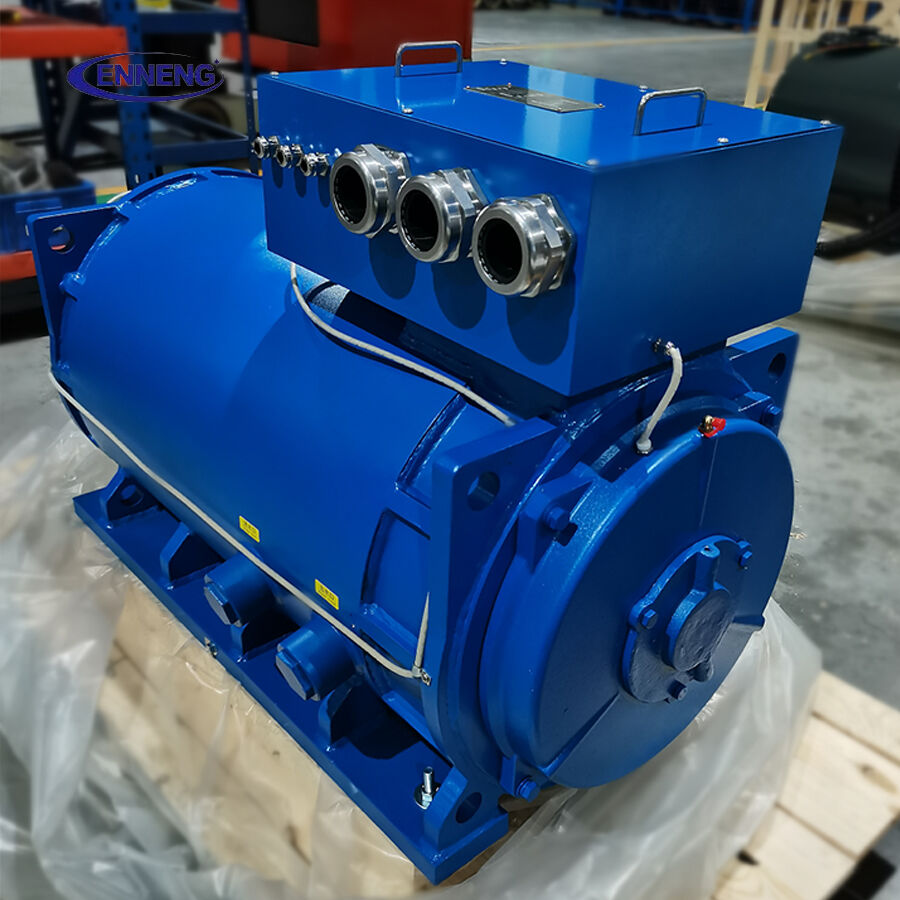
The ENNENG PMSM built on the TYB platform carries IE4 and IE5 classifications across a frame range of 90 to 710 and power from 0.55 kW up to 2500 kW. The Energy Saving Motor Solution is evaluated here against the dimensions that matter once a motor leaves the test bench and faces a variable load.
|
Dimension
|
IE3 Induction
|
ENNENG PMSM (IE5)
|
|
Rotor copper loss
|
Present through slip
|
Near zero, no rotor winding
|
|
Efficiency at 25% load
|
Falls well below class
|
Holds the IE5 band
|
|
Full-load gain vs IE3
|
Reference
|
5% to 10%
|
|
Frame size and mass
|
Baseline
|
About 35% smaller, 40% lighter
|
|
Reactive power draw
|
Consumes VAR from grid
|
Near-unity power factor
|
A good Energy Saving Motor Solution stands out at part load, not just at full speed. The ENNENG design sustains its IE5 efficiency down to roughly 25% of rated load, which is exactly where pumps, fans, and compressors spend most of their service life. Because the rotor carries no winding, the machine sheds the copper loss that normally penalises an induction motor the moment load drops, and the Energy Saving Motor Solution protects the bill on the duty step that dominates annual runtime. Field data from water-treatment and HVAC duties shows the same pattern: the deeper the part-load window, the wider the gap over an IE3 baseline. Sites that log the Energy Saving Motor Solution across a full year report up to 40% less unplanned downtime, because the cooler, simpler rotor tolerates the load swings that would overheat a slip-dependent machine. At the Shandong Gold flotation line, the TYT variant held a mid-90% efficiency with a full-load temperature rise below 80 K, a margin that keeps insulation healthy through continuous duty.
Standards That Make the Numbers Comparable
Procurement teams cannot compare vendors on impression, so the Energy Saving Motor Solution is judged against published references. IEC 60034-30-1 defines the IE efficiency classes and the agreed test method, so a claimed IE5 rating means the same thing from any supplier and on any dynamometer. ISO 50001 gives the energy-management framework that turns a one-off saving into a repeatable program across a site. ISO 14414 guides pump energy assessment, while ISO 10816 sets vibration limits that confirm a healthy installation rather than a noisy one. IEEE 141 informs the power-distribution study that captures the reactive-power relief the Energy Saving Motor Solution provides when it runs near unity power factor. Specifying the Energy Saving Motor Solution against these references turns a single purchase into an auditable asset on the site's energy ledger.
A Practical Checklist for Specifying and Maintaining
Selecting the right Energy Saving Motor Solution starts with a one-week power log on the top energy users, never with a quote request. Map each driven load to its real duty cycle, then specify the IE class, cooling method, and voltage inside the 110V to 690V envelope that fits the site. During commissioning, record inlet temperature, vibration, and power factor at the actual operating point, and store the numbers as the accepted baseline. Maintenance stays light: keep cooling surfaces clean, re-torque terminations on a fixed schedule, and trend winding temperature against that baseline so drift appears during a planned stop instead of a breakdown. An Energy Saving Motor Solution also simplifies the audit trail, because ENNENG builds each unit under ISO 9001 with recorded test data, so the site keeps evidence that rated efficiency was actually achieved, which supports ISO 50001 internal audits and the business case for the next phase of work.
Talk to ENNENG About Your Motor Upgrade
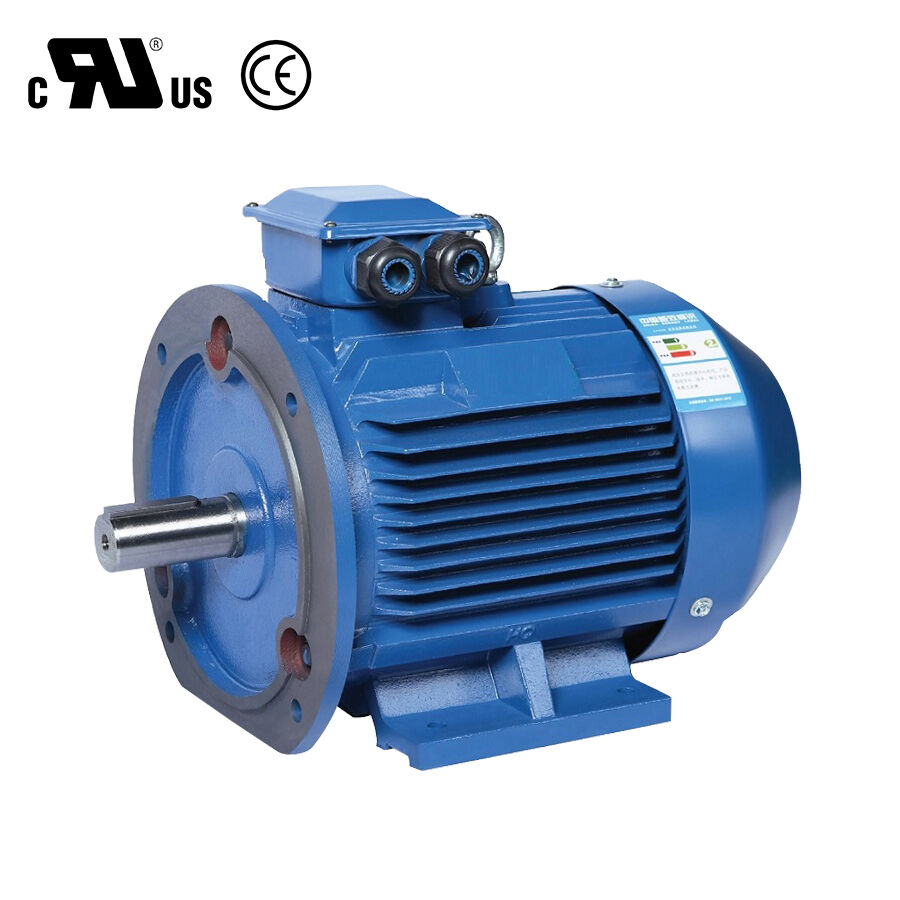
ENNENG engineers field-simulate special-spec prototypes and build permanent-magnet machines under ISO 9001 and CE for customers in more than 20 countries. Share a measured duty profile with the team to receive a rating matched to real run hours instead of a catalogue compromise.
Reach the ENNENG team through these channels:
FAQ
Q: Which dimensions matter most when judging an Energy Saving Motor Solution?
A: The most telling dimensions are annual energy use at the real duty cycle, part-load efficiency, power factor, and unplanned-downtime hours. A nameplate rating alone hides waste, because most motors run below full load for the majority of the year. Measuring before and after with a power logger, then comparing against IEC 60034-30-1 classes, shows whether the Energy Saving Motor Solution delivered the saving that was promised on paper.
Q: How does an Energy Saving Motor Solution keep saving at low load?
A: A permanent-magnet rotor carries no winding, so it avoids the rotor copper loss that penalises an induction machine the moment load falls. The ENNENG design holds its IE5 efficiency down to about 25% of rated load, which covers the part-load window where pumps, fans, and compressors actually spend their life. That is why the Energy Saving Motor Solution protects the electricity bill on the duty step that dominates total annual runtime.
Q: What standard should procurement cite to verify the claim?
A: IEC 60034-30-1 is the reference that defines IE efficiency classes and the agreed test method, so a claimed IE5 rating means the same thing across suppliers. Pair it with ISO 50001 for the management system and ISO 14414 for pump assessments. Together these let a buyer confirm that an Energy Saving Motor Solution was evaluated on a comparable basis rather than on a vendor's preferred operating point.
Q: Does the saving survive once the machine is a few years old?
A: It does when the installation is maintained against its validated baseline. The Energy Saving Motor Solution stays efficient because the permanent-magnet rotor has no slip loss to degrade, but cooling blockage and loose terminations can still erode performance. Logging winding temperature and vibration each quarter, and cleaning heat exchangers on a schedule, keeps the unit inside its tested envelope for the full service life.

 EN


