Field Experience: A Beverage Plant That Avoided a Bad Copy
A beverage plant copied a rival's Energy Saving Motor Solution without checking its own duty, and the new motor tripped on the bottle-line's fast start-stop cycle within a week. A packaging group reported a similar miss after adopting a quoted Energy Saving Motor Solution sized for a different climate. The plant later brought in ENNENG, which logged the real load and found the copied unit was 40 percent oversized for the actual duty. A textile mill avoided the trap by starting its Energy Saving Motor Solution with a one-week power study, which showed the saving came from part-load efficiency, not from the headline rating. The textile team then rolled the approach to three more lines with confidence, and each line beat its energy target in the first quarter. A food plant repeated the study on its refrigeration compressors and found the same pattern, with the saving concentrated in the off-peak hours. A brewery logged the same lesson after a copied unit failed on its carbonation load, and ENNENG's scoped Energy Saving Motor Solution recovered the lost saving within two seasons.
Risk of Blindly Copying Another Plant's Motor Scheme
The core risk is that no two plants share the same load shape, so a scheme that worked next door can fail at home. A copied Energy Saving Motor Solution also misses the local supply, ambient, and maintenance reality. ENNENG prevents this by scoping each Energy Saving Motor Solution from the site's own data, not a brochure. The risk is wasted budget and a stalled line when the copied unit cannot hold the real torque. A blind copy also hides the failure until the energy bill proves the saving never arrived, which is the worst time to discover a bad purchase. The second risk is a mismatched drive that fights the new rotor, because a generic inverter often mistunes a permanent-magnet machine and erases part of the gain. A site that ignores both risks usually pays twice: once for the wrong unit and again for the rework. ENNENG flags the copy risk early in the quote, because the cheapest path is the one that hides the oversizing until the meter arrives.
Technical Basis of a Data-First Energy Saving Motor Solution
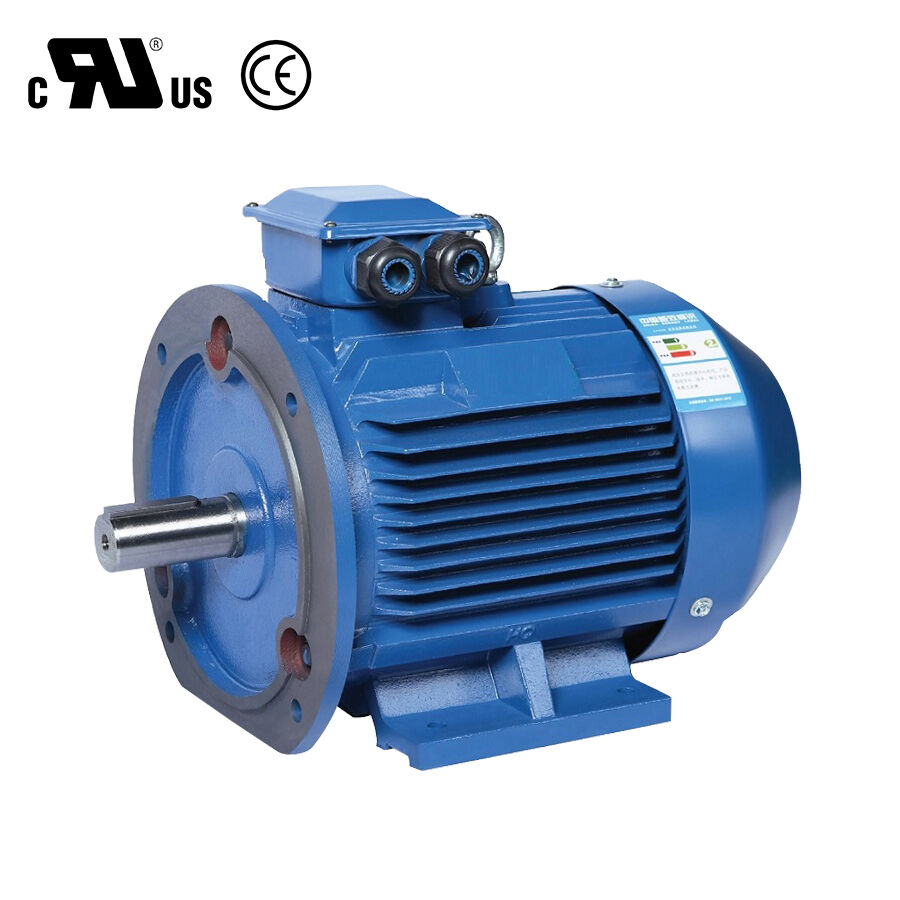
A proper Energy Saving Motor Solution starts from the measured duty, then picks the permanent-magnet machine that fits. In a documented case, ENNENG found a plant's motors ran at 35 percent load for most of the day, so the Energy Saving Motor Solution centered on part-load efficiency rather than peak rating. ENNENG TYB-series units rated 0.55 kW to 2500 kW with IP55 enclosure deliver IE4 or IE5 across that band.
|
Factor
|
Copied scheme
|
ENNENG Energy Saving Motor Solution
|
|
Basis
|
another plant's data
|
this plant's logged duty
|
|
Part-load efficiency
|
unknown
|
targeted, IE5
|
|
Frame size
|
generic
|
matched
|
|
Expected saving
|
claimed
|
measured
|
|
Failure risk
|
high
|
low
|
An Energy Saving Motor Solution built on real data also sets the right control parameters, because the drive tuning follows the actual load. ENNENG low-speed direct-drive units remove the gearbox where the duty allows, which adds a second saving the copied scheme never counted. The Energy Saving Motor Solution result is a verified gain, not a brochure promise, and the plant can show finance the before-and-after meter. The part-load focus matters most, because that is where the plant actually spends its hours, and a generic unit is weakest exactly there. Sites that scope the Energy Saving Motor Solution properly usually beat the copied scheme on total cost within two years, because the energy line dominates the comparison. The Energy Saving Motor Solution also benefits from a documented commissioning curve, where ENNENG records the before-and-after power at each load step, so the plant sees the saving at 35 percent load, not just at the rated point. A copied scheme never produces this curve, because it was sized for a different machine.
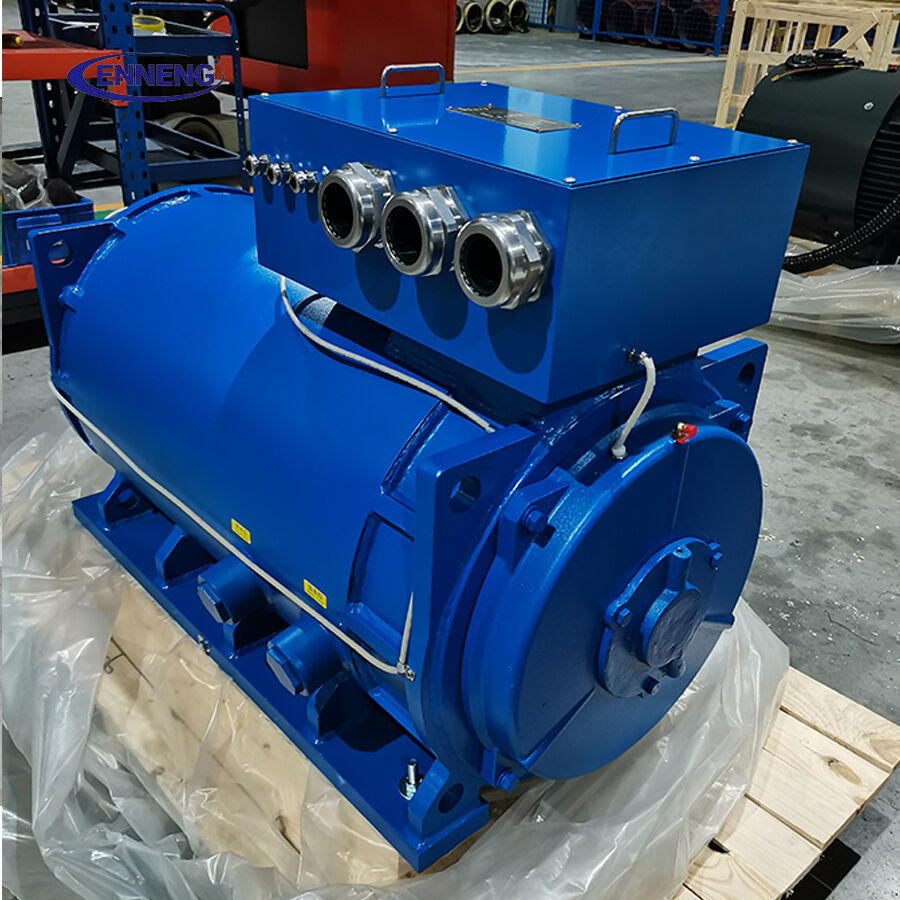 The measurement method matters as much as the machine. ENNENG uses a portable power analyzer on the driven shaft, logging current, voltage, and power factor across a full production cycle rather than a single snapshot. That data shows where the old motor drew reactive power the new permanent-magnet unit avoids, and it turns a vague efficiency claim into a line on the energy bill. A site that reviews this curve with finance before sign-off avoids the common dispute where the saving looks real on paper but never appears on the meter. The analyzer file also becomes the baseline for the next upgrade, so the program compounds instead of restarting. ENNENG reports the result as a measured kilowatt saving at the part-load point where the plant actually runs, not as a catalog figure at full rating, which is the number finance recognizes.
Authoritative Standards for a Measured Saving Claim
Standards support a data-first approach. IEC 60034-30-1 defines the IE classes that an Energy Saving Motor Solution should target, and IEC 60034-1 sets the test method. ISO 50001 asks sites to base the saving on measured data, which rules out a blind copy. ISO 14414 covers pump system energy assessment, useful when the motor drives a pump. OSHA 29 CFR 1910.307 covers the safe change-out, so the Energy Saving Motor Solution includes a lockout plan. These references turn a copied guess into a documented, auditable project that finance can trust, and they give the buyer a checklist to compare two bids on equal terms. ENNENG also references ISO 9001 for the build quality, so the Energy Saving Motor Solution arrives with a traceable part record that supports the two-year cost case.
Practical First Step Before Any Motor Upgrade
Start every Energy Saving Motor Solution with a one-week power log at the driven machine, capturing load shape, starts, and temperature. Ask ENNENG to size the permanent-magnet unit from that log, not from a rival's spec. A Energy Saving Motor Solution program should set a measured saving target and a commissioning check that confirms it. Keep the log on file, because the audit will compare the promise with the meter. Train the operator to read the drive screen, so a tuning issue is caught early rather than after a bad quarter, and the Energy Saving Motor Solution keeps its clean record. A quarterly re-log catches drift in the load shape, because a changed production mix can move the duty toward the old, inefficient point if the motor is oversized. An Energy Saving Motor Solution that skips the commissioning check risks hiding a weak gain inside a good headline, so ENNENG requires the meter proof before the project closes. Re-log the load every quarter, because the production mix shifts and the saving follows the duty, not the nameplate.
Contact ENNENG
If you are evaluating commercial permanent magnet motors for sale and need an engineered drive solution that guarantees efficiency and longevity, ENNENG is your trusted partner.Contact ENNENG Today.Speak to our technical engineering team to receive a customised drive proposal.
FAQ
Q: Why does copying another plant's motor solution fail?
A: A copied Energy Saving Motor Solution fails because no two plants share the same load shape, supply, or ambient, so the unit sized for a rival can be wrong at home. The copied scheme also misses local maintenance reality and control settings. ENNENG scopes each Energy Saving Motor Solution from the site's own power log, which exposes oversizing and wrong torque before purchase. A proper scope beats a brochure on total cost within two years.
Q: How is a real saving proven, not just claimed?
A: Proof comes from a before-and-after meter reading on the same machine, captured over the real load shape for at least a month. An Energy Saving Motor Solution from ENNENG sets a measured saving target at kickoff and confirms it during commissioning. The log also becomes the audit evidence, so finance sees the gain without a second study. A copied scheme can only show a brochure number, which rarely matches the meter.
Q: What is the first step before any motor upgrade?
A: The first step is a one-week power log at the driven machine, recording load shape, start pattern, and temperature, because that file decides the right permanent-magnet size. ENNENG uses the log to scope the Energy Saving Motor Solution and to set the drive parameters. Skipping this step is what makes a copied scheme fail, so the log is the cheapest insurance in the project. A clean log also shortens the audit later.

 EN


