
what-hiddencost-risks-may-occur-during-retrofit-induction-to-pmsm-renovation-for-legacy-factory-equipment, what-hiddencost-risks-may-occur-during-retrofit-induction-to-pmsm-renovation-for-legacy-factory-equipment, /blog
EN

2026/10/15
Across aging cement plants, paper pulp mills, and chemical processing facilities, engineering managers are under intense corporate pressure to decarbonize legacy production lines and slash kilowatt-hour consumption. While executing a Retrofit Induction to PMSM project offers dramatic efficiency gains on paper, rushed upgrades that treat a permanent magnet synchronous motor as a simple wire-for-wire swap frequently trigger expensive surprises. Plant teams often encounter mismatched shaft center heights, incompatible coupling diameters, unshielded feeder cable reflections, and structural baseplate resonances that turn a routine weekend changeover into weeks of budget overruns and production delays.
Unlike a traditional squirrel-cage induction motor that can be connected directly across the AC line and tolerates loose mechanical mounting tolerances, a permanent magnet motor is a synchronous machine with a pre-magnetized rotor and higher torque density. Ignoring mechanical interface standards, variable frequency drive (VFD) compatibility, and thermal ventilation conditions during a Retrofit Induction to PMSM renovation introduces hidden capital and operational costs. Partnering with ENNENG for a custom-engineered Retrofit Induction to PMSM solution eliminates dimensional rework and electrical commissioning failures before the new motor ever arrives at the factory loading dock.
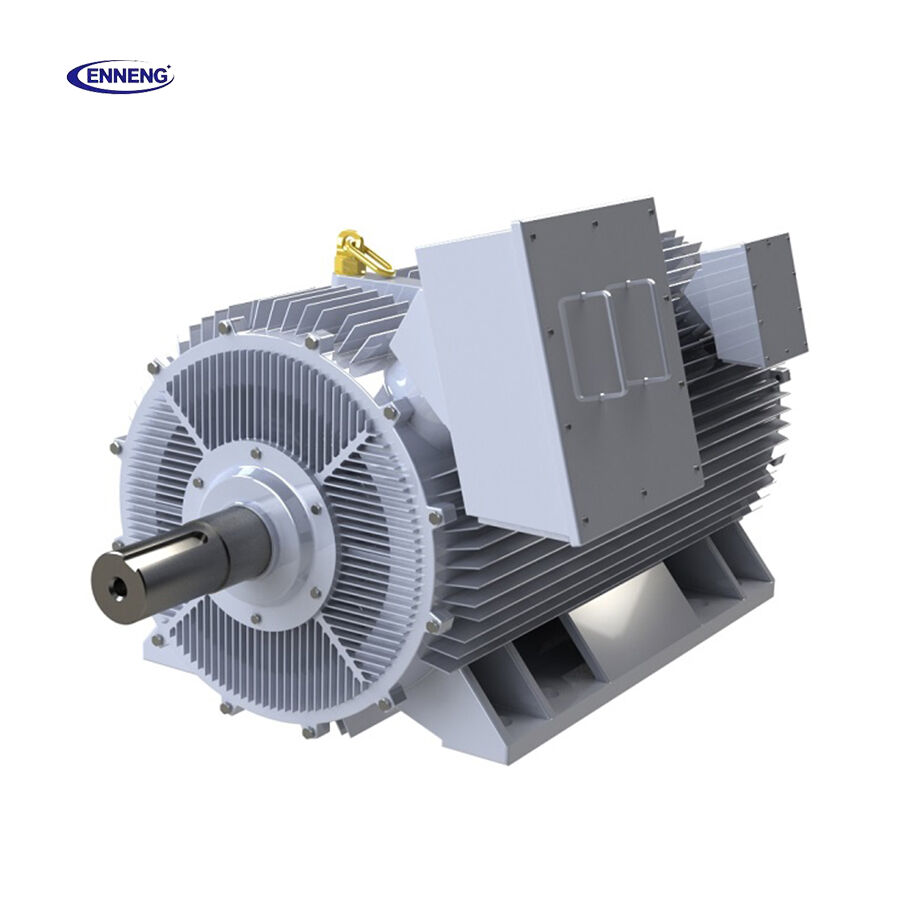
Because permanent magnet synchronous motors generate zero rotor copper loss and possess higher electromagnetic torque density, an off-the-shelf PMSM is frequently constructed one to two frame sizes smaller than an older IE1 or IE2 asynchronous motor of identical kilowatt output. During an uncoordinated Retrofit Induction to PMSM installation, a smaller frame size means lower foot-to-shaft center height (H dimension), narrower bolt-hole spacing, and a smaller shaft extension diameter. Facility contractors are then forced to fabricate custom steel transition riser bases, purchase new shaft couplings, and perform complex laser realignment—hidden mechanical expenses that erode project ROI.
A successful Retrofit Induction to PMSM upgrade requires proactive engineering across three critical electrical and mechanical interfaces:
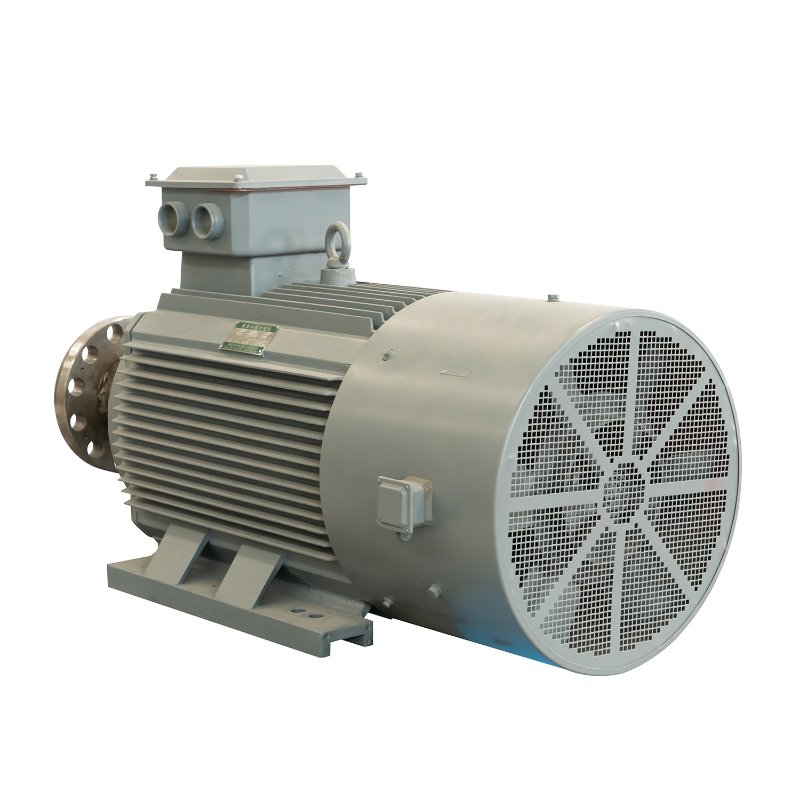
ENNENG eliminates mechanical modification costs in a Retrofit Induction to PMSM project by manufacturing a dedicated series of drop-in replacement frames. Rather than forcing plant mechanics to install adapter plates, ENNENG matches the exact shaft height, foot mounting hole pattern, flange register diameter, and shaft keyway dimensions of the legacy asynchronous motor. Engineered across a unified voltage range of 110V–690V, these retrofit motors connect directly to existing driven couplings and transformer voltages while delivering IE5 ultra-premium efficiency. Alongside factory motor retrofits, ENNENG applies this seamless integration engineering to permanent magnet generators across a unified 5kW–5MW power range (110V–690V) and vertical axis wind turbines spanning 1kW–10kW (focusing on 3kW, 5kW, and 10kW models).
Preventing dimensional and dielectric failures during a Retrofit Induction to PMSM upgrade requires strict adherence to international machinery standards. ENNENG drop-in retrofit motors are dimensionally verified against IEC 60072-1 (Dimensions and output series for rotating electrical machines – Frame numbers 56 to 400) and NEMA MG 1 metric/imperial mounting conventions, guaranteeing zero shaft-height discrepancies. Electrically, stator windings are insulated in compliance with IEC 60034-18-41 partial-discharge-free converter-fed standards, protecting the motor against high-frequency IGBT switching transients even when utilizing existing plant conduit runs.
In older paper mills and plastic compounding plants, legacy induction motors mounted on cast-iron skid bases often suffer from tight spatial clearances and long cable distances to the control room. Executing an ENNENG drop-in Retrofit Induction to PMSM upgrade preserves the original mechanical footprint while cutting continuous electricity draw by 10% to 30%.
To eliminate hidden cost risks during a Retrofit Induction to PMSM renovation, engineering teams should execute this four-step pre-installation checklist:
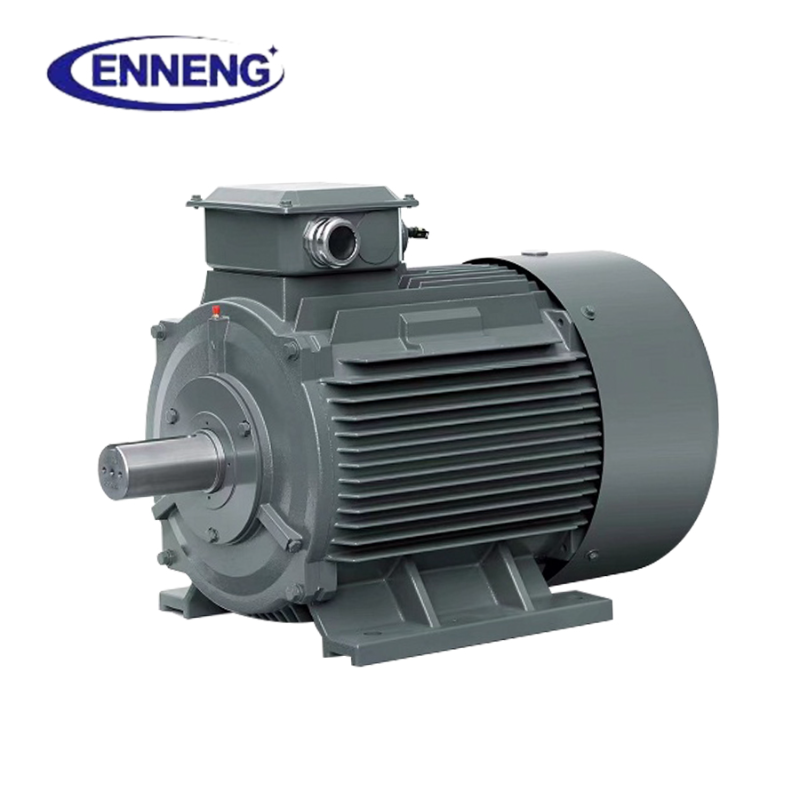
No two legacy factory lines share identical mechanical wear histories or electrical cabinet layouts. ENNENG de-risks every Retrofit Induction to PMSM project by providing custom mechanical interface drawings, tailored stator winding inductances across the unified 110V–690V range, and pre-matched VFD parameter files—ensuring plug-and-play commissioning during brief scheduled plant turnarounds.
Contact ENNENG Today.
Consult the ENNENG retrofit engineering team to audit your legacy motor dimensions and receive a zero-rework Retrofit Induction to PMSM proposal.
A: Because permanent magnet motors have higher power density than induction motors, a standard PMSM of the same kilowatt rating is often built in a smaller frame size with a lower shaft height and smaller shaft diameter. ENNENG solves this hidden Retrofit Induction to PMSM cost by building drop-in frames that match IEC 60072-1 legacy mounting dimensions exactly.
A: In many cases, yes—provided the existing VFD supports closed-loop or sensorless permanent magnet synchronous vector control and is properly sized for the motor's rated current and back-EMF voltage. During a Retrofit Induction to PMSM audit, ENNENG engineers verify your existing inverter specifications and provide exact auto-tuning parameters to avoid unnecessary controller replacement costs.
A: ENNENG manufactures drop-in Retrofit Induction to PMSM drives and industrial generators across a unified voltage range of 110V–690V to fit global factory power systems. For waste-heat and renewable energy upgrades, ENNENG supplies permanent magnet generators across a unified 5kW–5MW power range and vertical axis wind turbines spanning 1kW–10kW (focusing on 3kW, 5kW, and 10kW models).


 EN